
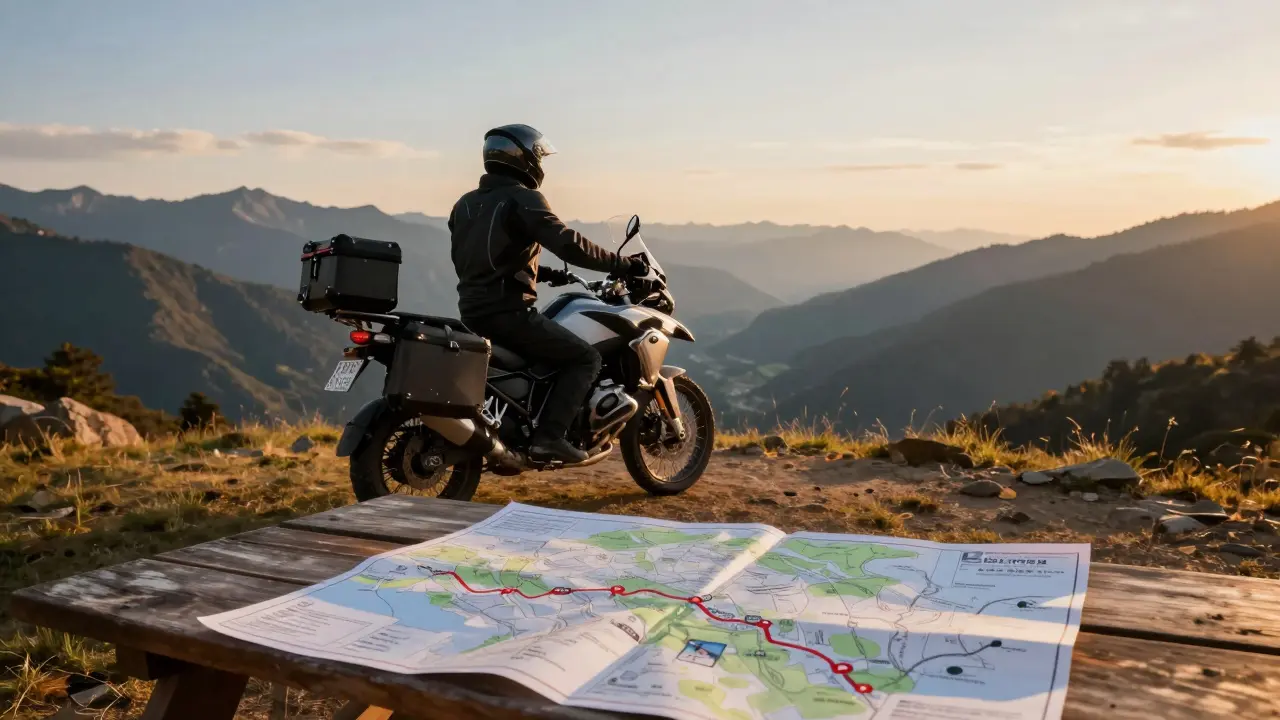
There is a specific kind of frustration that hits every motorcyclist at least once. You have planned the perfect route along the coast or through the mountains. You map out 400 miles for the day, confident in your bike’s range and your own stamina. Then, you hit that first stunning overlook. The light is golden, the wind is cool, and the view stretches endlessly. You stop. Ten minutes turns into an hour. By the time you reach the third viewpoint, the sun is dipping low, your back is stiff, and you are still 150 miles from your hotel.
This is the eternal conflict of motorcycle touring: the tension between covering ground and experiencing it. If you ride too much, you arrive exhausted, missing the journey itself. If you stop too often, you never reach your destination, or worse, you end up riding dangerously late in the evening just to make up lost time. Balancing daily mileage with meaningful scenic stops isn’t about math; it is about managing energy, attention, and expectations.
The Myth of the 400-Mile Day
Most riders start their planning phase by looking at a map and calculating distance. They see a straight line between two points and assume they can cover it easily. But a motorcycle tour is not a commute. It is an endurance sport mixed with sightseeing. The average cruising speed on a twisty, scenic route is rarely above 45 to 50 mph. Factor in traffic lights, slow-moving cars, and those inevitable photo ops, and your effective speed drops significantly.
A realistic benchmark for a relaxed, scenic day is 200 to 250 miles. This allows for three to four substantial stops without rushing. If you push past 300 miles on a winding road, you are likely trading quality for quantity. Your legs will be cramped, your neck will ache from helmet weight, and your reaction times will slow down due to mental fatigue. Riding tired is dangerous. It leads to poor decision-making, missed hazards, and a higher risk of accidents. Prioritize arrival over distance. A shorter day where you actually enjoy the views is better than a long day where you are just counting down the miles to bed.
Mapping the Route: Quality Over Quantity
Before you even put on your boots, look at your route critically. Not all roads are created equal. Some highways are fast but boring. Some backroads are beautiful but slow and poorly maintained. The key is to identify "anchor" scenic spots-places so compelling that they justify the detour or the extra riding time.
Use mapping tools to highlight these anchors. Maybe it is a historic bridge, a famous diner, a coastal cliff, or a mountain pass. Plan your day around reaching these points during daylight hours. Avoid scheduling critical scenic views for late afternoon when shadows lengthen and visibility decreases. Instead, place them mid-morning or early afternoon when the light is best and your energy levels are high.
Also, consider the terrain. Riding through flat plains requires less physical effort than navigating steep switchbacks. If your route involves significant elevation changes, reduce your daily mileage target by 20-30%. Uphill climbing burns more fuel and taxes your engine, while downhill sections require intense concentration and braking control, which is mentally draining. Adjust your plan to match the physical demands of the landscape.
The Art of the Strategic Stop
Stopping is not just a break; it is part of the ride. However, unstructured stopping can derail your entire schedule. The trick is to categorize your stops into two types: micro-breaks and macro-stops.
- Micro-breaks: These are short pauses, lasting 5 to 10 minutes. Use them to stretch your legs, check tire pressure, adjust your mirrors, or grab a quick coffee. Do not engage in heavy conversation or complex activities here. The goal is to reset your body position and clear your head without losing momentum.
- Macro-stops: These are longer breaks, lasting 30 minutes to an hour. Reserve these for your anchor scenic spots, lunch, or major photo opportunities. At these stops, fully disengage from the ride. Take off your gloves, walk around, breathe the air, and absorb the surroundings. This mental reset is crucial for maintaining focus for the next leg of the journey.
A good rule of thumb is to take a micro-break every 60 to 90 minutes of riding. This prevents stiffness and keeps your alertness sharp. Schedule one or two macro-stops per day, ideally spaced evenly. For example, if you are riding for six hours, take a macro-stop at the two-hour mark and another at the four-hour mark. This structure creates a rhythm that feels natural and sustainable.
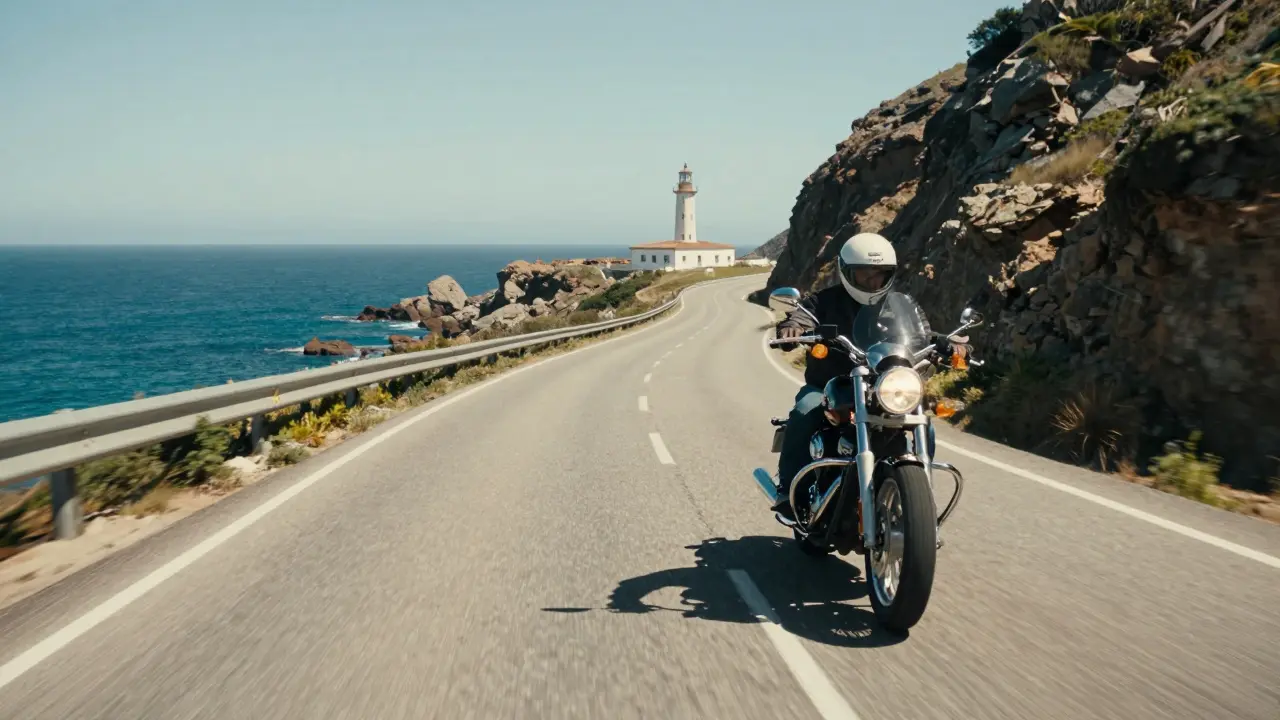
Managing Rider Fatigue and Focus
Fatigue is silent. It doesn’t always feel like sleepiness. Sometimes it manifests as irritability, difficulty focusing, or a sense of detachment from the road. This is particularly dangerous on motorcycle tours because the sensory input is constant-wind noise, vibration, visual stimuli-and it can lull you into a false sense of security.
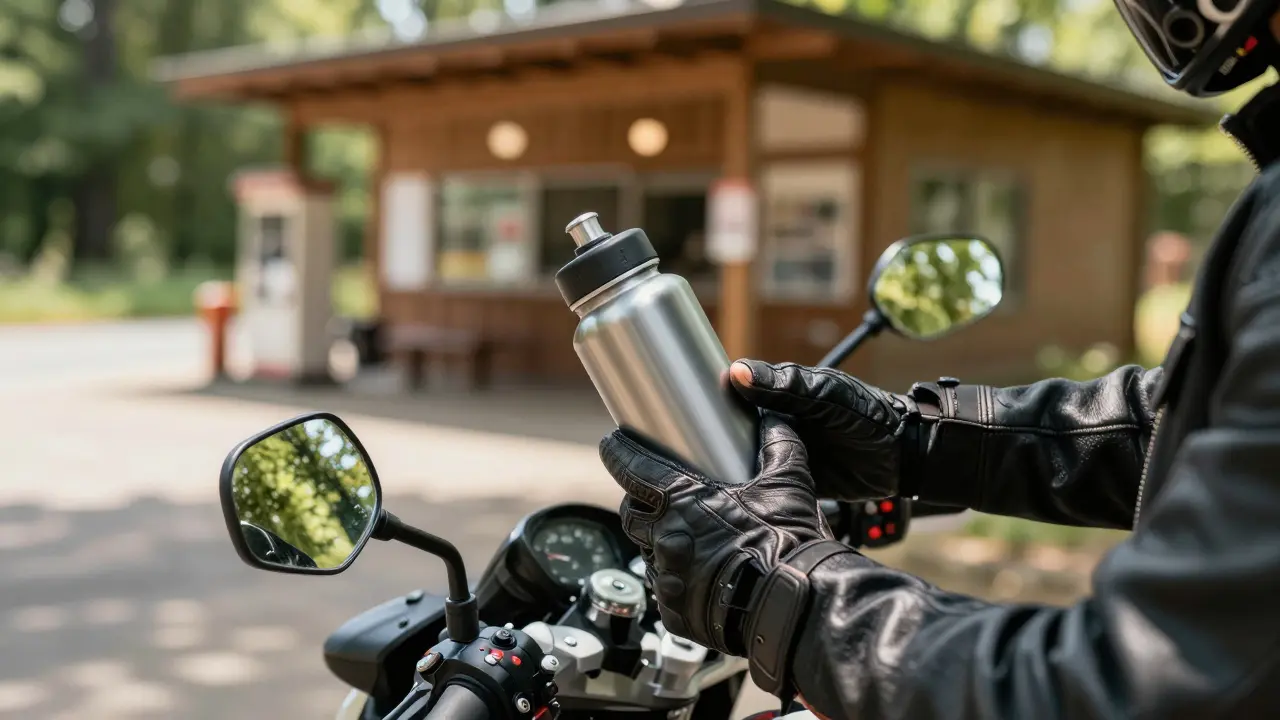
To combat this, monitor your internal state. If you find yourself zoning out, missing exits, or feeling tense in your shoulders, stop immediately. Do not wait until you are exhausted. Pushing through fatigue increases the likelihood of errors. Hydration also plays a huge role. Dehydration sets in quickly under a helmet, especially in warmer weather. Keep water accessible and sip regularly. Even mild dehydration can impair cognitive function and reaction time.
If you are riding with a partner, communicate openly. One rider might be pushing harder than the other, leading to a mismatch in pacing. Agree on a signal for "I need a break" that doesn’t require pulling over to discuss. A simple hand gesture or radio message can save the day. Shared responsibility for navigation and spotting interesting stops also reduces the mental load on any single rider.
Weather and Light: The Hidden Variables
Even the best-laid plans can be disrupted by weather. Rain, fog, or extreme heat can drastically alter your riding conditions and comfort levels. Always check the forecast before you leave, but also stay flexible. If rain is predicted for the afternoon, consider front-loading your scenic stops in the morning and finding sheltered accommodation earlier than planned.
Light is equally important. Riding in direct sunlight can cause glare and eye strain, while riding into the sunset can blind you momentarily. Wear tinted lenses during bright conditions and switch to clear ones as the light fades. Be aware of how the sun affects your visibility on curves. A curve facing west in the late afternoon can be nearly impossible to see into clearly. Adjust your speed accordingly or wait for a gap in traffic to navigate safely.
Accommodation and Logistics
Your choice of accommodation should support your riding goals, not hinder them. Ideally, book hotels or rentals that are close to your starting point for the next day. This minimizes deadhead miles-the boring, non-scenic riding just to get back to your base. Look for places with secure parking, easy access to main roads, and amenities like laundry facilities if you are on a multi-day trip.
Packing light is essential. Every pound on your bike affects handling, fuel efficiency, and acceleration. Only bring what you absolutely need. Use waterproof bags to protect your gear from rain and dust. Organize your luggage so that frequently used items like rain jackets, snacks, and maps are easily accessible without having to unpack everything at every stop.
| Task | Timing | Purpose |
|---|---|---|
| Check Weather Forecast | Night Before | Adjust route for safety and comfort |
| Plan Anchor Stops | Morning | Identify key scenic/viewing points |
| Micro-Break | Every 60-90 mins | Stretch, hydrate, reset focus |
| Macro-Stop | Mid-Day / Late Afternoon | Lunch, photos, deep rest |
| Final Stretch Check | Last Hour | Ensure safe arrival before dark |
Flexibility Is Your Best Tool
No matter how detailed your plan, things will go wrong. A road closure, a sudden storm, or an unexpectedly beautiful detour can change your day. The most successful riders are those who embrace flexibility. If you stumble upon a charming town that wasn’t on your map, stop. If a section of road is congested, take an alternate route. Your itinerary is a guide, not a contract.
Remember why you are riding. It is not to conquer miles; it is to experience freedom, connection, and beauty. If balancing mileage and stops means riding fewer miles but seeing more wonders, then you are doing it right. Listen to your body, respect the road, and let the journey unfold naturally.
What is the ideal daily mileage for a scenic motorcycle tour?
For a relaxed, scenic tour, aim for 200 to 250 miles per day. This distance allows for adequate riding time while leaving room for several meaningful stops without causing excessive fatigue. On highly winding or mountainous routes, consider reducing this to 150 miles to account for slower speeds and increased physical demand.
How do I know when I am too tired to keep riding?
Signs of rider fatigue include difficulty focusing, frequent blinking, yawning, shoulder tension, and irritability. If you miss exits or find yourself drifting lanes, stop immediately. Mental fog is a serious safety risk. It is better to pull over for a 15-minute nap or stretch than to push through impaired awareness.
Should I stick strictly to my planned route?
No. While a plan provides structure, flexibility enhances the experience. Unexpected closures, weather changes, or spontaneous discoveries should dictate adjustments. If a detour offers a unique view or safer conditions, take it. The goal is enjoyment and safety, not rigid adherence to a map.
How often should I take breaks during a long ride?
Take a micro-break every 60 to 90 minutes to stretch and hydrate. Schedule one or two macro-stops (30+ minutes) per day for meals and major sightseeing. This rhythm helps maintain physical comfort and mental alertness throughout the day.
What gear is essential for managing fatigue on long tours?
Invest in comfortable, ergonomic seating or gel pads, heated grips for cold weather, and high-quality ventilation systems for heat. Properly fitted boots and gloves reduce numbness. Additionally, carry electrolyte drinks to prevent dehydration-related fatigue, which can mimic physical exhaustion.