
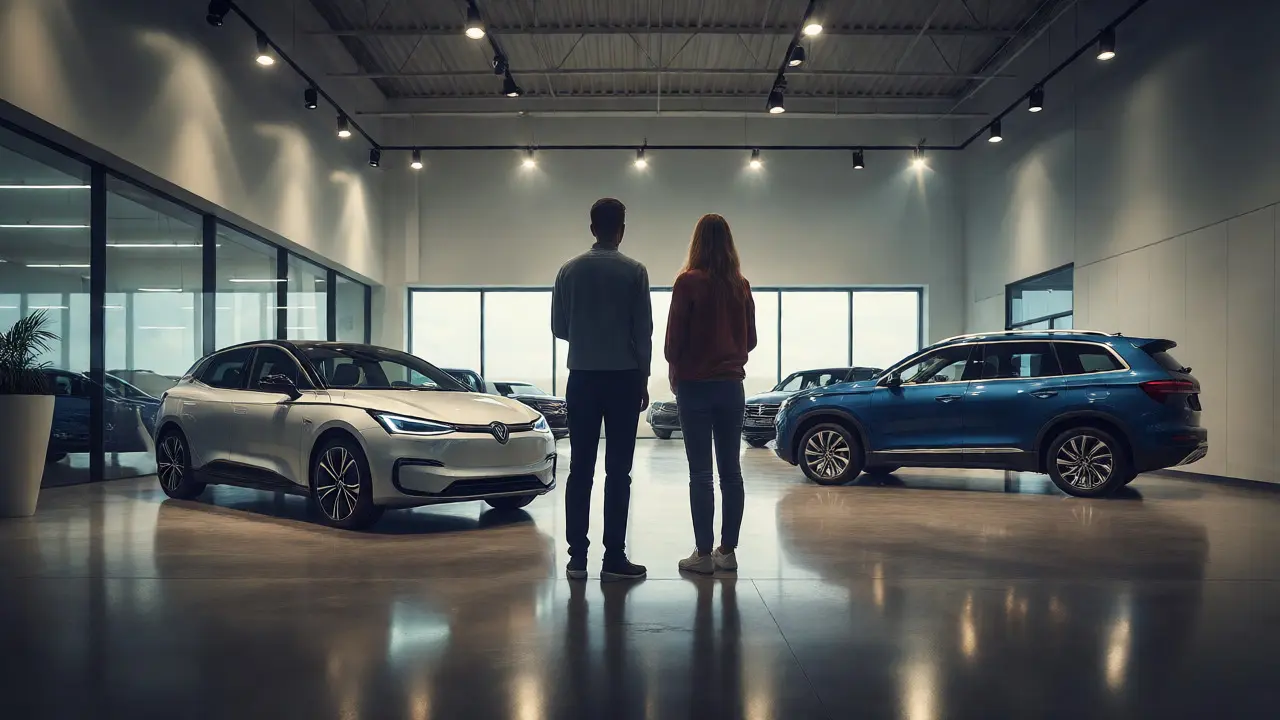
Buying a new car is rarely just about picking the colour you like. In today's market, it’s a complex financial decision tangled up with interest rates, supply chain quirks, and aggressive sales tactics. If you’re looking at a shiny showroom floor or scrolling through online configurators, you might feel overwhelmed by the jargon and the pressure to sign on the dotted line. But here’s the truth: you hold more power than you think, provided you know exactly what to look for.
This guide cuts through the noise. We aren’t going to tell you that every car has a hidden flaw. Instead, we’ll walk you through the specific steps to secure a fair deal, understand the true cost of ownership, and avoid the traps that catch out even experienced buyers. Whether you are eyeing an electric hatchback or a family SUV, the principles remain the same. Let’s get you behind the wheel without breaking the bank.
Defining Your Needs Before You Look
Most people start their search by browsing cars they find attractive. This is a mistake. Start with your life, not the car. Ask yourself hard questions about your daily routine. Do you commute 40 miles each way? Then fuel efficiency or electric range matters more than horsepower. Do you have two dogs and three kids? Then cargo space and durability take precedence over sleek styling.
Write down your non-negotiables. Maybe it’s Apple CarPlay, maybe it’s a third-row seat, or perhaps it’s a boot large enough for a pushchair. Be realistic about your budget, too. Remember, the sticker price isn’t the final number. You need to factor in insurance groups, road tax (VED), and potential servicing costs. For instance, a luxury brand might offer a great monthly payment but charge £300 for a simple oil change. Check these figures before you fall in love with a badge.
Understanding the True Cost: Depreciation vs. Finance
Here is the biggest secret in the industry: cars lose value faster than they lose mileage. Depreciation is the silent killer of car budgets. On average, a new car loses about 15-20% of its value the moment it drives off the lot, and another 10-15% in the first year. That means if you buy a £30,000 car, it could be worth only £24,000 after twelve months. You’ve paid £6,000 just for the privilege of driving it.
| Vehicle Category | Avg. Purchase Price (£) | Value After 1 Year (£) | Total Loss (£) |
|---|---|---|---|
| Small Hatchback | £22,000 | £18,500 | £3,500 |
| Family SUV | £35,000 | £29,000 | £6,000 |
| Luxury Sedan | £50,000 | £40,000 | £10,000 |
Because of this steep drop, buying outright isn’t always the best move. Many buyers turn to Personal Contract Purchase (PCP). With PCP, you pay lower monthly installments because you’re only covering the depreciation during the contract term, plus interest. At the end, you can hand the car back, part-exchange it, or pay a final "balloon" payment to own it. It keeps cash flow healthy, but watch the interest rate. If the APR is above 8%, check if you can negotiate it down or refinance later.
Navigating Dealer Offers and Negotiations
Dealerships make money on finance deals, not just the car sale. When a salesman offers you a "great rate," dig deeper. They might inflate the car’s price slightly to subsidise a low-interest loan. Always compare the total amount payable, not just the monthly figure. A £300/month deal sounds better than £350/month, but if the £300 deal stretches over five years instead of four, you’re paying more overall.
Don’t accept the first quote. Use online platforms to get competitive quotes from multiple dealers within a 50-mile radius. Email them your target price and let them bid against each other. This removes the emotional pressure of face-to-face haggling. Also, beware of "extras." Dealers often try to add paint protection, window tinting, or gap insurance at inflated prices. You can usually buy these cheaper elsewhere. Politely decline anything that hasn’t been independently quoted.
The Importance of Test Drives and Inspections
You wouldn’t buy shoes without trying them on, so why buy a car without driving it? Schedule test drives for at least three similar models. Drive them on different surfaces-motorway, city streets, and rougher country lanes. Listen for rattles, feel how the suspension absorbs bumps, and check visibility when reversing. Pay attention to the infotainment system; if it takes ten seconds to load maps, imagine waiting for that every day.
If you’re considering stock cars (already built) rather than ordering to spec, inspect them closely. Check tyre tread depth, look for stone chips on the front bumper, and ensure all electronic features work. Even "new" cars can sit on forecourts for months. Ask the dealer for the production date. If it’s older than six months, ask for a discount. The battery might need charging, and fluids may need topping up.
Electric Vehicles: Range Anxiety and Charging Reality
In 2026, electric vehicles (EVs) are mainstream, but they require a different mindset. Forget the advertised WLTP range; real-world driving, especially in winter or at high speeds, reduces this by 20-30%. If you live in a flat without off-street parking, home charging is tricky. Public charging networks have improved, but reliability varies. Research local apps like Zap-Map to see charger availability near your usual routes.
Consider your annual mileage. If you drive less than 10,000 miles a year, an EV makes huge financial sense due to lower running costs. If you regularly do long hauls, plug-in hybrids might still offer peace of mind until battery technology improves further. Don’t let salespeople rush you into an EV if your lifestyle doesn’t support it yet.
Final Checks Before Signing
Once you’ve agreed on a price, review the paperwork meticulously. Ensure the vehicle registration number matches the one on the invoice. Check the warranty terms-does it cover wear and tear parts like brakes and tyres? Usually, it doesn’t. Verify the delivery date in writing. Delays happen, especially with imported models, so ask what happens if the car arrives late. Will they give you a courtesy car? Will they refund your deposit?
Finally, arrange insurance before you drive away. Some insurers offer temporary cover for new purchases, but it’s safer to have full comprehensive cover active from day one. Once you’ve signed, keep all digital copies of emails and contracts. If something goes wrong with the dealer’s service, you’ll want proof of what was promised.
Is it better to buy a new car or a nearly-new used car?
For most buyers, a nearly-new used car (1-2 years old) offers the best value. You avoid the steepest depreciation hit while getting modern tech and safety features. However, if you prioritize warranty coverage and customization, a new car is preferable. Calculate the total cost of ownership over three years for both options to see which saves you more money.
What is a good deposit percentage for a new car?
Aim for at least 10% of the car’s value as a deposit. This shows lenders you are serious and reduces the amount you borrow, lowering your interest payments. Putting down more, such as 20%, can sometimes unlock better interest rates, but never deplete your emergency savings to do so.
Can I negotiate the price of a new car?
Yes, but it depends on the model. High-demand cars sell at list price or above. Less popular models or those nearing the end of their production cycle often have room for negotiation. Always negotiate the out-the-door price including fees, not just the base price. Getting £500 off is equivalent to saving £10-£15 per month on finance.
What should I check during a new car delivery inspection?
Check for paint imperfections, scratches, or dents under good lighting. Test all lights, windows, mirrors, and climate controls. Ensure the odometer reads under 50 miles. Verify that all keys and manuals are present. If you spot any damage, note it on the delivery form before signing and taking the car.
Are extended warranties worth the cost?
Manufacturer warranties typically last 3-7 years. Extended warranties are often expensive and come with strict conditions. For reliable brands like Toyota or Mazda, they are rarely necessary. For complex luxury cars or EVs with expensive battery packs, they might provide peace of mind. Read the exclusions carefully before buying.
Comments
Kathy Mccoy
Hey everyone, just wanted to say this is such a helpful breakdown! Buying a car can feel so overwhelming with all the jargon and pressure from dealers. I love how you emphasized defining your needs first because that really helps cut through the noise. Remembering to factor in insurance and servicing costs is key too since those hidden fees add up fast. You've got this if you take it step by step!
October 2, 2026 at 19:52
Ejike Ugwu
The banks are rigging the interest rates on purpose to keep us poor forever. They inflate the car price to hide the real cost of the loan. It's all a conspiracy to make sure we never own anything outright. Don't trust the dealer they are working for the finance companies.
October 4, 2026 at 04:18
Ian Mason-Laurence
Actually, the depreciation figures cited here are slightly optimistic for certain luxury brands in the current UK market. A £50k sedan could lose closer to £12k in year one depending on mileage and spec. Also, VED rules changed recently which affects long-term ownership costs more than mentioned here. Still a decent guide though.
October 4, 2026 at 08:33
Kathleen Johnson
I find it amusing that people still fall for the PCP trap without calculating the total payable amount. The article barely scratches the surface of the predatory nature of these contracts. If you don't have a spreadsheet ready you are basically donating money to the dealership. Most buyers lack the financial literacy to understand what they are signing.
October 4, 2026 at 14:49
jyotshna Senapati
Why are we even talking about new cars? Everyone should be buying used unless they want to be fleeced. This advice is too basic for anyone who actually knows their way around a garage. You're telling people to check tyre tread like it's some great revelation. Honestly the industry thrives on ignorance and this post doesn't do enough to fight back against the big dealerships.
October 6, 2026 at 00:57
Sundaraiah Kollipara
It makes me wonder about the philosophical weight of owning a machine that depreciates so rapidly. Are we buying utility or status symbols wrapped in metal. The emotional toll of negotiation often outweighs the logical benefits of a good deal. Perhaps the true value lies not in the car but in the freedom from debt after paying it off
October 7, 2026 at 16:38
Liam Whelan
ugh i hate car buying so much :( every time i go there they try to upsell me on paint protection that costs more than my rent lol. nice tips tho especially about checking the production date. saved me once when i realized my "new" car was basically old stock :/
October 7, 2026 at 17:12
Elizabeth Calwell
This is fantastic advice for anyone feeling stressed about their purchase! I completely agree with starting with your lifestyle needs rather than the car itself. That shift in perspective saves so much heartache later on. Keep pushing for those competitive quotes online it really does empower you as a buyer. You can absolutely get a fair deal if you stay patient and informed!
October 7, 2026 at 22:44
Sabrina Silvani
We must consider the temporal aspect of value here. A car is a depreciating asset yet we treat it as an investment. The psychological attachment to newness blinds us to the financial reality of the first-year drop. True wealth is understanding that driving off the lot is an immediate loss. We need to rethink our relationship with consumption entirely
October 8, 2026 at 09:27
Mithilesh Singh
In India we buy cars for decades. You British waste money on new models every few years. It is wasteful and arrogant. Our cars last longer because we respect them. You people think money grows on trees. Do not come crying when you are broke.
October 8, 2026 at 23:31
Shaina Silver-Baird
I am suspicious of the source of these statistics. Who funds this research? Often these guides are sponsored by leasing companies who benefit from high turnover. Be wary of the narrative that suggests financing is the only viable option. There may be data manipulation at play regarding average depreciation rates.
October 10, 2026 at 08:23
Lauren Martin
The analysis lacks depth regarding residual value forecasting. Without proper actuarial data on specific model variants, these generalizations are misleading. The conflation of PCP and HP structures oversimplifies the risk profile for the consumer. Furthermore, the impact of ULEZ charges on resale value is completely ignored which is a critical oversight for UK buyers.
October 10, 2026 at 12:58
evelyn starcher
Love this!! 🚗💨 Finally someone says what we all know about the dealer games. I'm saving this for my next upgrade. So helpful!! 😊👍
October 11, 2026 at 10:12
Tommy Cahyadi
Great read. Very practical. Thanks for the info.
October 12, 2026 at 03:57