
Buying a used car without checking the transmission is like buying a house without inspecting the roof. It might look fine from the outside, but one bad day of rain (or in this case, one hard acceleration) and you're facing thousands in repairs. The transmission and drivetrain are the most expensive parts of any vehicle to fix if they fail. Yet, many buyers skip these checks because they don't know what to listen for or how to test them properly.
This guide walks you through exactly what to do, step by step, so you can spot red flags before you hand over your cash. Whether it's an automatic gearbox or a manual clutch, here is how to evaluate the heart of the car's movement system.
Why the Drivetrain Matters More Than You Think
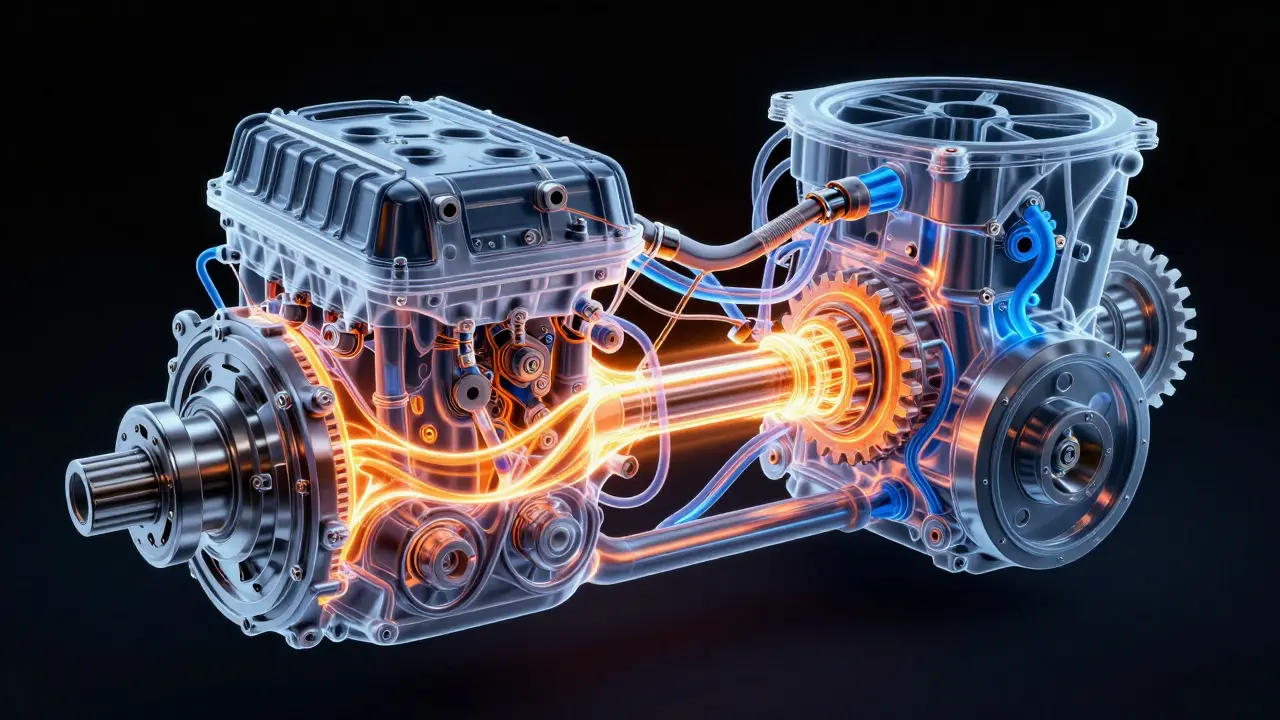
The drivetrain isn't just the engine; it's everything that transfers power from the engine to the wheels. This includes the Transmission the mechanism that changes gear ratios to optimize speed and torque, the Differential a component that allows wheels to rotate at different speeds during turns, and the driveshafts. If any of these parts are worn out, the car will feel sluggish, noisy, or jerky. A failed transmission repair can cost between £1,500 and £3,000 for a standard saloon, while a differential issue often requires replacing the entire unit. Knowing the value helps you decide if a car with minor issues is worth negotiating down or walking away from entirely.
Pre-Test: Fluids and Visual Inspection
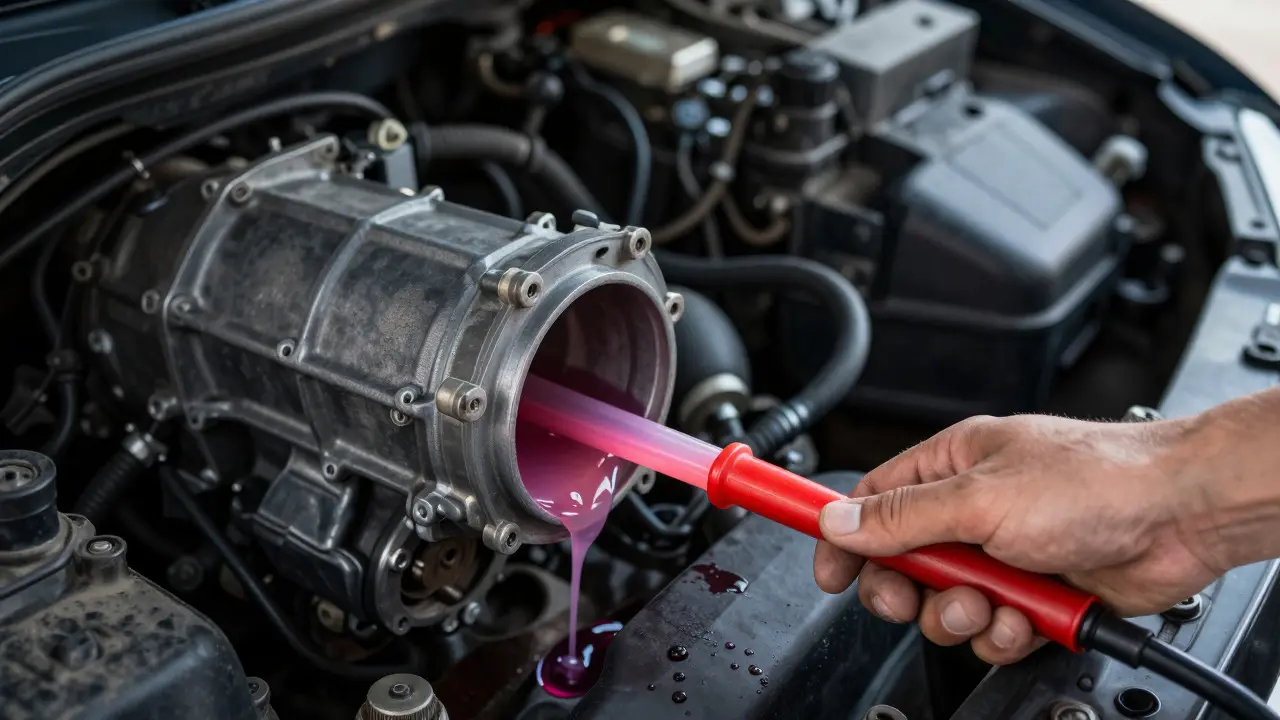
Before you even start the engine, pop the hood. Look under the car for leaks. Dark red fluid pooling on the ground near the center of the vehicle usually indicates an automatic transmission leak. Black, burnt-smelling oil suggests the fluid has been neglected for years. For manual cars, check the clutch pedal free play. If the pedal feels spongy or goes all the way to the floor without resistance, the hydraulic master cylinder or slave cylinder might be failing. This is a cheap fix, but it signals that the previous owner ignored maintenance.
- Automatic: Check the dipstick (if equipped). The fluid should be bright red or pink. Brown or black means it needs changing immediately.
- Manual: Listen for grinding when shifting into reverse. A healthy clutch engages smoothly without excessive noise.
- AWD/4x4: Check for clicking noises when turning tight circles. This often points to a failing CV joint.
The Cold Start Test
Arrive at the viewing spot early. Let the car sit for at least 30 minutes so the transmission fluid cools down. Warm transmissions hide problems because the fluid thickens less and shifts more smoothly. When you finally start the engine, put it in Drive and Reverse. Feel for hesitation. A healthy automatic should engage within half a second. If it takes longer, or if there is a noticeable clunk, the torque converter or solenoids may be slipping. In a manual, press the clutch pedal fully and shift through all gears. They should click crisply. If they grind or require heavy force, the synchros inside the gearbox are wearing out.
On-Road Testing: What to Listen and Feel For
Now comes the critical part. Take the car for a 15-to-20-minute drive that includes city streets, highway merging, and some gentle cornering. Here is what to focus on:
- Acceleration Response: Press the gas pedal firmly from 20 mph. Does the car lurch? Does it hesitate before taking off? Slipping in an automatic happens when the internal clutches wear thin. You’ll feel the RPMs rise without a corresponding increase in speed.
- Shift Quality: Automatics should shift seamlessly. If you feel a jolt every time it changes gears, the valve body might be clogged, or the software might need recalibration. Manuals should shift smoothly without popping back into neutral.
- Noise Under Load: Accelerate hard on the highway. Listen for whining or humming sounds that get louder as you speed up. This is often a sign of bearing failure in the transmission or differential. Decelerate and see if the noise stops. If it continues, it might be wheel bearings instead, which is also costly.
- Cornering Clicks: Turn the steering wheel fully left and right while moving slowly. Clicking sounds indicate worn CV joints. These are relatively cheap to replace (£150-£300 per side), but they mean the car hasn’t been serviced recently.
Comparison: Manual vs. Automatic Red Flags
Not all issues look the same depending on the gearbox type. Use this table to quickly identify common faults based on symptoms.
| Symptom | Manual Transmission Likely Cause | Automatic Transmission Likely Cause | Estimated Repair Cost (UK) |
|---|---|---|---|
| Grinding when shifting | Worn synchros or clutch disc | N/A (Rarely applies) | £800 - £2,500 |
| Hesitation on take-off | Clutch not disengaging fully | Torque converter slip or low fluid | £300 - £1,800 |
| Jerky shifts | Driver error or worn linkage | Clogged filter or faulty solenoid | £400 - £1,200 |
| Whining at high speed | Differential bearing failure | Transmission pump or bearing failure | £600 - £2,000 |
When to Walk Away
Some issues are negotiable; others are deal-breakers. If the car smells strongly of burning toast, assume the clutch or transmission is overheating. That’s a major red flag. If the automatic transmission slips in multiple gears, the internal components are likely destroyed. Rebuilding a modern automatic transmission costs more than the car itself in many cases. Similarly, if you hear a loud banging noise from the rear axle when accelerating, the differential gears are probably stripped. Unless the seller is willing to drop the price by at least 30%, walk away. The risk of hidden damage is too high.
Professional Inspection Tips
If you’re unsure about what you’re hearing, take the car to an independent mechanic for a pre-purchase inspection. It costs around £100-£150, which is nothing compared to a bad buy. Ask them specifically to scan the transmission control module for stored fault codes. Many modern cars store historical data that shows past slippage events even if the light isn’t currently on. Also, ask for a lift-up inspection to visually check the driveshafts and differential seals. Mechanics can spot fresh leaks or bent axles that you’d miss from the driver’s seat.
Can I trust a dealer who says the transmission was just replaced?
Always ask for receipts and warranty documentation. If no paper trail exists, assume it was a used remanufactured unit rather than a new one. Even then, request a test drive to verify performance. A newly installed transmission should shift perfectly smooth. Any hesitation suggests poor installation or compatibility issues.
What does a 'clunk' sound mean in an automatic car?
A single clunk when shifting from Park to Drive is normal due to the engagement of the forward clutch pack. However, repeated clunks during driving indicate loose internal components or worn mounts. If it happens frequently, have it checked immediately as it can lead to catastrophic failure.
Is it safe to buy a car with a leaking transmission?
Only if the leak is minor and the seller reduces the price significantly. Leaks often stem from worn seals, which are cheaper to fix than internal damage. But if the fluid level is low, the transmission may have already run dry, causing severe wear. Always negotiate based on the potential repair cost plus labor.
How long should a used car transmission last?
With proper fluid changes every 40,000-60,000 miles, a transmission can last 150,000+ miles. Neglected units often fail between 80,000 and 100,000 miles. Check the service history to see if fluid changes were performed. If records are missing, assume the worst and budget for potential repairs.
Does cold weather affect transmission testing?
Yes, significantly. Cold fluid is thicker, which can mask slipping issues or make shifts feel harsher than usual. Try to test the car when the ambient temperature is moderate, or let the car warm up completely before judging its performance. A transmission that feels rough in the cold might perform normally once warmed up, but one that slips when warm is definitely faulty.