

Most dealership blogs are ghost towns. They’re filled with press releases about new inventory arrivals and generic advice like “check your oil.” If you scroll past the first paragraph, you realize no human being actually wrote it for another human being. You wrote it for a search engine bot that stopped caring about your site three years ago.
The problem isn’t that people don’t care about cars. They obsess over them. The problem is that dealerships treat their blogs like digital brochures instead of community hubs. In 2026, with AI-generated sludge flooding the internet, authenticity is the only currency left. Your readers want to know if the 2026 Ford Bronco handles well on gravel roads near Bristol, not just its horsepower rating.
To fix this, you need to stop writing *at* your customers and start talking *with* them. This means shifting from transactional updates to educational storytelling. Let’s look at how to build content that actually keeps drivers on your page long enough to book a test drive.
Know Who Is Actually Reading
You can’t write engaging content if you don’t know who you’re talking to. "Car buyers" is too broad. It’s like saying you sell "food." Are you selling gourmet sushi or fast-food burgers? The approach changes completely.
Break your audience into specific personas based on their intent:
- The Upgrader: Has a reliable but aging sedan. Wants tech features (wireless CarPlay, lane assist) but fears losing money on trade-in. Needs reassurance and clear value comparisons.
- The First-Time Buyer: Nervous about financing, hidden fees, and getting ripped off. Needs plain-English explanations of loan terms and buying processes.
- The Enthusiast: Knows torque curves and suspension geometry. Wants detailed reviews, maintenance tips, and local driving route suggestions. Skeptical of fluff.
- The Fleet Manager: Cares about total cost of ownership, fuel efficiency, and warranty coverage. Needs data-driven articles.
When you write a post, pick one persona. Address their specific pain point directly in the first sentence. For example, instead of “Why Choose SUVs?”, try “Is It Time to Swap Your Sedan for an SUV? Here’s What You Need to Know About Parking and Fuel Costs.”
Solve Real Problems, Don’t Just List Features
Feature lists are boring. Everyone knows what a sunroof is. But explaining why a panoramic roof matters during rainy UK commutes adds value. Shift your focus from specifications to solutions.
Think about the questions your sales team hears every day. These are your goldmines for blog topics:
- “Will my current insurance cover a hybrid?”
- “How much does winter tire storage cost?”
- “What happens to my Apple CarPlay when I trade in my phone?”
Create content that answers these questions thoroughly. Use the “Problem-Agitate-Solve” framework. State the problem clearly, explain why it’s frustrating (agitate), then provide your dealership as the solution through expertise or product recommendation.
For instance, write a guide titled “How to Prepare Your Car for Winter Without Breaking the Bank.” Discuss battery checks, antifreeze levels, and tire tread depth. Mention specific services your service center offers, but keep the tone helpful, not salesy. Readers trust advice; they ignore ads.
Leverage Local SEO and Community Connection
This is where most national brands fail and local dealerships win. You have a physical location. Use it. Google prioritizes local relevance. If someone searches “best family SUV for hilly streets in [Your City],” you want to be the answer.
Incorporate local landmarks, weather conditions, and driving habits into your content. Write about how different vehicles handle potholes on Main Street or which models offer the best visibility for navigating busy town centers. Share stories about local events your dealership sponsors. Highlight staff members who live in the community.
Example topic ideas:
- “Top 5 Cars for Commuting to [Local Business District]”
- “Navigating [City Name] Traffic: Which Vehicles Offer the Best Comfort?”
- “Local Road Trip Ideas: Where to Take Your New EV Within 100 Miles”
This builds emotional connection. People buy from people they feel connected to. When your blog reflects their daily reality, they see you as a neighbor, not just a seller.
Use Visuals and Video Strategically
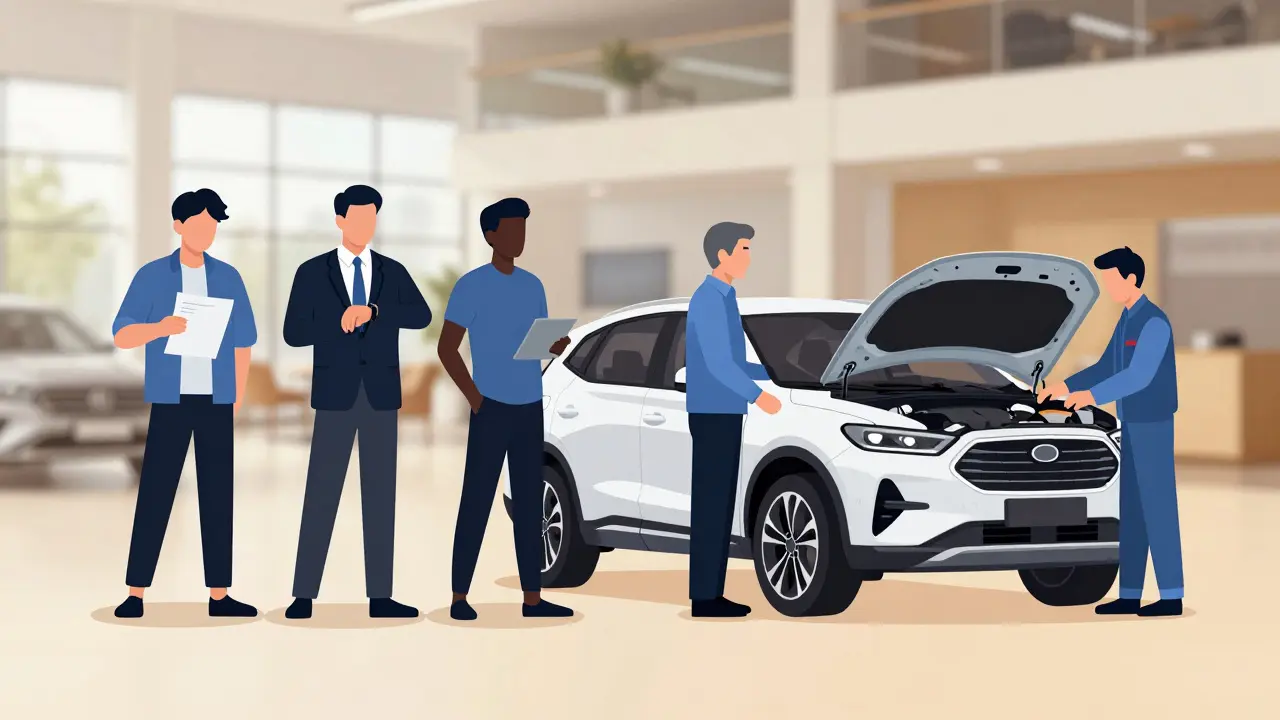
Text alone won’t cut it anymore. Attention spans are short. Break up paragraphs with high-quality images, infographics, and embedded videos. But don’t just slap any photo there. Every visual must serve a purpose.
Show, don’t just tell. Instead of saying “the trunk is spacious,” include a photo of golf clubs fitting inside. Embed a 30-second video showing how easy it is to fold down the rear seats. Use comparison charts to visualize fuel economy differences between similar models.
Consider creating short-form video content for social media that links back to your blog. A quick TikTok or Instagram Reel demonstrating a cool feature can drive traffic to your longer-form article for deeper details. Make sure all images have descriptive alt text for accessibility and SEO benefits.
| Format Type | Best Use Case | Engagement Level | Production Effort |
|---|---|---|---|
| Listicle | Quick tips, top picks | High | Low |
| How-To Guide | Tutorials, maintenance | Medium-High | Medium |
| Case Study | Customer success stories | Medium | High |
| Video Review | Product demos, walkarounds | Very High | Very High |
Maintain Consistency and Quality Control
Publishing once a month isn’t enough. Search engines favor fresh, consistent content. Aim for at least two posts per week. Quality matters more than quantity, but consistency signals authority.
Establish an editorial calendar. Plan topics around seasons, model year releases, and local holidays. Assign roles: writer, editor, photographer, and SEO specialist. Review each piece before publishing. Check for clarity, accuracy, and mobile readability. Most users browse on phones. If your text blocks are huge and fonts small, they’ll bounce immediately.
Update old posts regularly. A guide from 2024 might have outdated pricing or recall information. Refreshing content boosts its ranking potential and keeps returning visitors engaged.
Encourage Interaction and Feedback
A blog shouldn’t be a monologue. Invite comments. Ask questions at the end of each post. Respond to every comment promptly. Show appreciation for positive feedback and address concerns professionally. This builds trust and community.
Include clear calls-to-action (CTAs). Don’t just say “Contact us.” Be specific: “Book a Test Drive Today,” “Download Our Financing Guide,” or “Schedule a Free Safety Inspection.” Make the next step obvious and easy.
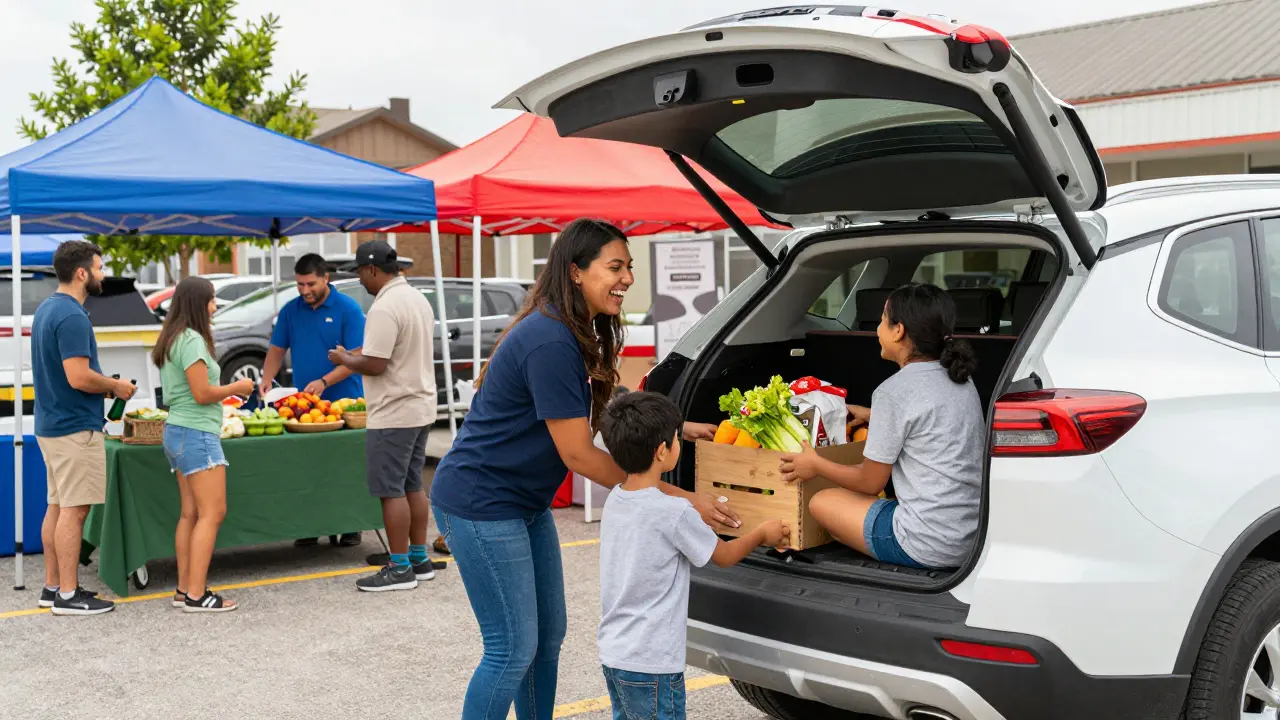
Share user-generated content. Feature photos of customers enjoying their new cars. Repost reviews with permission. Social proof is powerful. Seeing real people happy with their purchase reduces anxiety for potential buyers.
Analyze Performance and Adapt
Data tells you what works. Use analytics tools to track page views, time on page, bounce rate, and conversion rates. Identify top-performing topics and double down on them. If “Electric Vehicle Charging Tips” gets lots of traffic, create more related content.
Look for drop-off points. If readers leave halfway through, your intro might be weak or the content too dense. Simplify language. Add subheadings. Break long sections into bullet points.
A/B test headlines and CTAs. Small changes can significantly impact results. Keep experimenting. The automotive landscape evolves quickly. Stay agile and responsive to trends.
How often should a dealership publish blog posts?
Aim for at least two posts per week. Consistency helps with SEO and keeps your audience engaged. Quality is crucial, so ensure each post provides genuine value rather than filling space.
What types of content perform best for car dealerships?
How-to guides, local buying advice, vehicle comparison articles, and maintenance tips typically perform well. Content that solves immediate problems or answers common questions tends to attract the most traffic and leads.
Should I use AI to write my dealership blog?
AI can help with outlines and initial drafts, but always add human insight and local context. Pure AI content often lacks authenticity and fails to connect emotionally with readers. Use it as a tool, not a replacement for expert voice.
How do I measure the success of my dealership blog?
Track metrics like organic traffic, average time on page, bounce rate, and conversion rates (test drive bookings, form submissions). Also monitor engagement signals such as comments and social shares to gauge reader interest.
Can blog content really increase car sales?
Yes, indirectly. Engaging content builds trust and positions your dealership as an authority. Buyers who research online before visiting are more likely to convert if they’ve already established rapport through your informative and helpful blog posts.
Comments
Saranya M.L.
It is genuinely disheartening to observe how many dealership marketing departments continue to rely on archaic, SEO-baiting strategies that have been thoroughly debunked by modern consumer behavior analytics. The notion that one can simply 'stuff' keywords into a press release and expect organic engagement in the current digital ecosystem is not only naive but professionally negligent. We must pivot towards a hyper-personalized content strategy that leverages psychographic segmentation rather than mere demographic broad-strokes. For instance, addressing the specific anxiety of the 'First-Time Buyer' requires a nuanced understanding of financial literacy gaps, not just a glossary of loan terms. Furthermore, the integration of local SEO is not merely an option; it is a critical imperative for capturing high-intent traffic in saturated markets. If you are not optimizing for 'near me' queries with localized storytelling, you are essentially invisible to your primary revenue source.
July 10, 2026 at 09:36
om gman
oh look another guide telling us what we already know because apparently reading between the lines is too hard for some people
July 10, 2026 at 19:39
Jeanne Abrahams
I have to laugh at this advice coming from a place that clearly hasn't spent time in a township where trust is built over tea and conversation, not through some sterile blog post about torque curves. In South Africa, we don't buy cars based on 'personas'; we buy them because our neighbor told us the mechanic doesn't rip off his customers. Your whole premise of 'authenticity as currency' feels incredibly performative when you're talking about AI sludge while ignoring the human element entirely. You want to connect? Stop hiding behind a screen and come talk to us face-to-face. Until then, your 'local landmarks' strategy is just lazy copy-pasting of city names into templates.
July 11, 2026 at 11:43
Bineesh Mathew
The soul of commerce has been stripped bare by these algorithms leaving us hollow shells pretending to care about horsepower when we really crave connection. It is a tragedy of modern existence that we must reduce the joy of driving to data points and conversion rates. The enthusiast does not seek validation from a blog but from the road itself yet here we are trapped in a cycle of manufactured desire. Who are we becoming when we measure our worth by bounce rates? The answer lies not in the text but in the silence between the words where truth resides.
July 11, 2026 at 23:32
Oskar Falkenberg
hey there i totally agree with the bit about knowing who you are writing to its so important isnt it? i mean if you dont know your audience then you are basically shouting into the void which is quite sad really. i have found that when i write things down for my own little project i always try to imagine my mate john sitting there reading it and if he wouldnt get it then i change it. also the part about visuals is spot on because nobody wants to read a wall of text anymore its just too much effort especially on mobile phones which everyone uses now. maybe we could all try to be a bit more helpful and less salesy like the article suggests? it seems like a win win situation for everyone involved.
July 12, 2026 at 14:47
Caitlin Donehue
i wonder if dealerships actually read their own blogs or if they just publish them and forget about them completely
July 13, 2026 at 20:34
Stephanie Frank
This entire framework is garbage. You think breaking down personas makes you special? Everyone knows who they are selling to. The problem isn't the writing; it's the product. No amount of 'educational storytelling' will fix a car that breaks down after six months. Stop trying to mask incompetence with marketing fluff. Real buyers look at reviews, not your cute blog posts about winter tires. It's pathetic that you need a 'guide' to tell you to be honest. Just sell good cars and shut up.
July 15, 2026 at 08:52
Patrick Dorion
Look, I've been in the auto industry for twenty years, and I can tell you that the shift toward value-based content is real, but it's harder than it looks. Most sales teams are incentivized on volume, not education. So when you ask them to write helpful guides instead of pushing inventory, you're fighting against their commission structure. The key is to align incentives. If a service manager gets credit for a customer who books a test drive via a blog post, suddenly everyone starts caring about quality. Also, don't underestimate the power of video. A thirty-second clip showing how to change a tire does more than a thousand words. Keep it simple, keep it real, and don't overcomplicate the tech side.
July 16, 2026 at 05:11
Marissa Haque
OMG! This is literally the best thing I have ever read!!! I am so excited to start implementing these tips right away!! Who knew that writing for humans was such a big deal?! I am going to call my boss immediately and demand we rewrite every single post!! Thank you so much for sharing this wisdom!! You are a genius!!
July 16, 2026 at 08:10
Keith Barker
the essence of the matter is that authenticity cannot be manufactured it must be cultivated like a garden in harsh soil most fail because they lack patience
July 17, 2026 at 13:00
Lisa Puster
typical american nonsense trying to sell us more stuff by pretending to care about our feelings like we dont see through this obvious manipulation tactic every day
July 18, 2026 at 22:58