
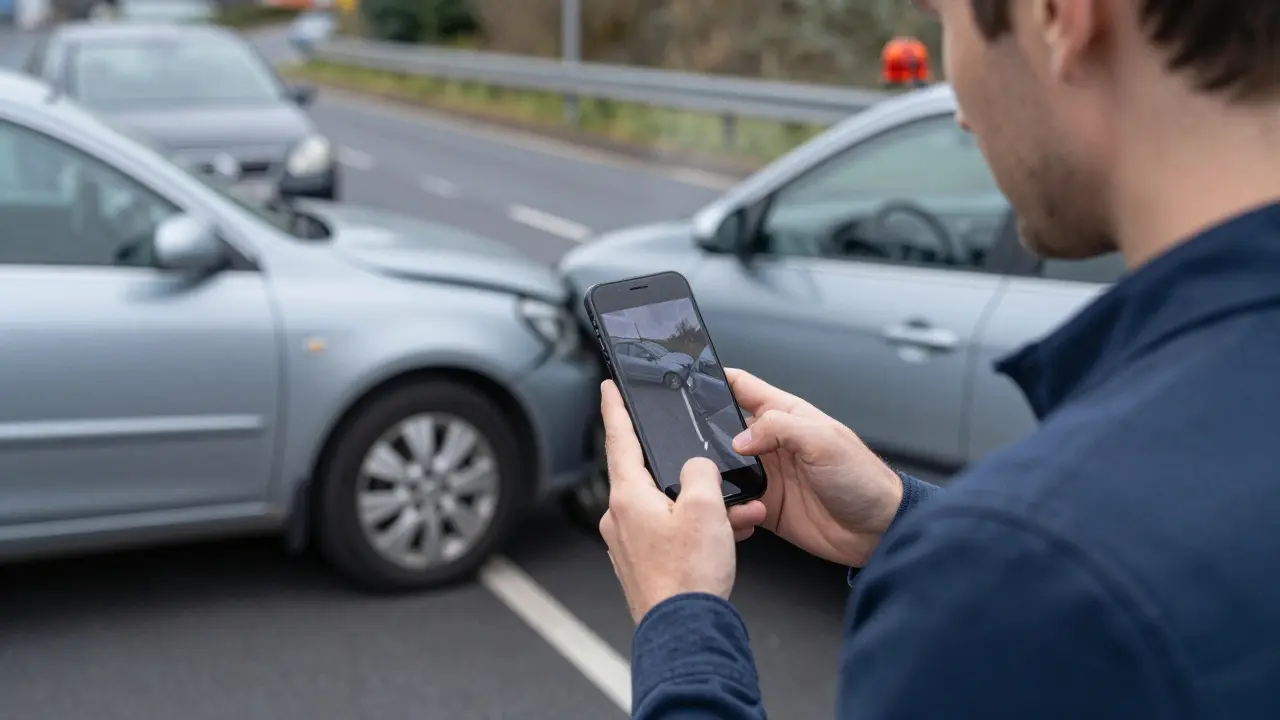
You’ve just been in a car accident. Your heart is racing, the adrenaline is pumping, and your head is spinning with questions. Do you call the police? Who pays for the repairs? What if the other driver has no insurance? Panic is your enemy right now. Knowing exactly what to do next can save you thousands of pounds and weeks of stress.
Filing a car insurance claim is the formal process of requesting compensation from an insurance provider after a covered incident like an accident, theft, or vandalism. It sounds bureaucratic, but it’s really just a structured conversation. If you get the facts straight and follow the steps, your insurer handles the heavy lifting. This guide walks you through every stage, from the moment the airbags deploy (or don’t) to the day your car rolls out of the garage fixed.
Immediate Actions at the Scene
The first ten minutes after an accident determine the strength of your claim. Most people freeze, but you need to act. Safety comes first. If anyone is hurt, call 999 is the emergency services number in the United Kingdom used for immediate assistance from police, ambulance, or fire services immediately. Do not move vehicles unless they are blocking traffic and pose a danger, as this can destroy evidence needed for liability determination.
Once everyone is safe, gather information. You need more than just names. Take photos of everything. Photograph the damage to both cars, the position of the vehicles, road signs, skid marks, and weather conditions. Use your phone; high-resolution images are crucial for adjusters who won’t be there. Exchange details with the other driver: name, address, phone number, license plate, and insurance policy number. Do not admit fault at the scene. Saying “I’m sorry” can be twisted into an admission of liability later. Stick to facts.
If the other driver flees, note their direction and description. Report hit-and-run incidents to the police within 24 hours. In the UK, failing to report an accident involving injury or significant property damage is a criminal offense under the Road Traffic Act 1988. Keep a copy of the police reference number. This document becomes the backbone of your claim if the other party denies involvement.
Notifying Your Insurer
Time matters. Most UK policies require you to notify your insurer “as soon as reasonably practicable.” Delaying notification can lead to claim rejection, even for minor accidents. Check your policy documents for the specific deadline-usually 24 to 72 hours. Call your insurer’s claims line or use their app. Many providers like Aviva, Admiral, or Direct Line offer instant reporting via mobile apps, which speeds up the process significantly.
When you call, have your policy number ready. Provide a clear, concise account of what happened. Stick to the timeline: when, where, how. Avoid speculation. If you’re unsure about details, say so. The claims handler will assign you a claims reference number is a unique identifier assigned by the insurance company to track the status and documentation of a specific insurance claim. Write this down. Every future communication should reference this number. Ask for the name of your dedicated claims advisor if available. Building a rapport helps when negotiations get tough.
Understanding Excess and Coverage
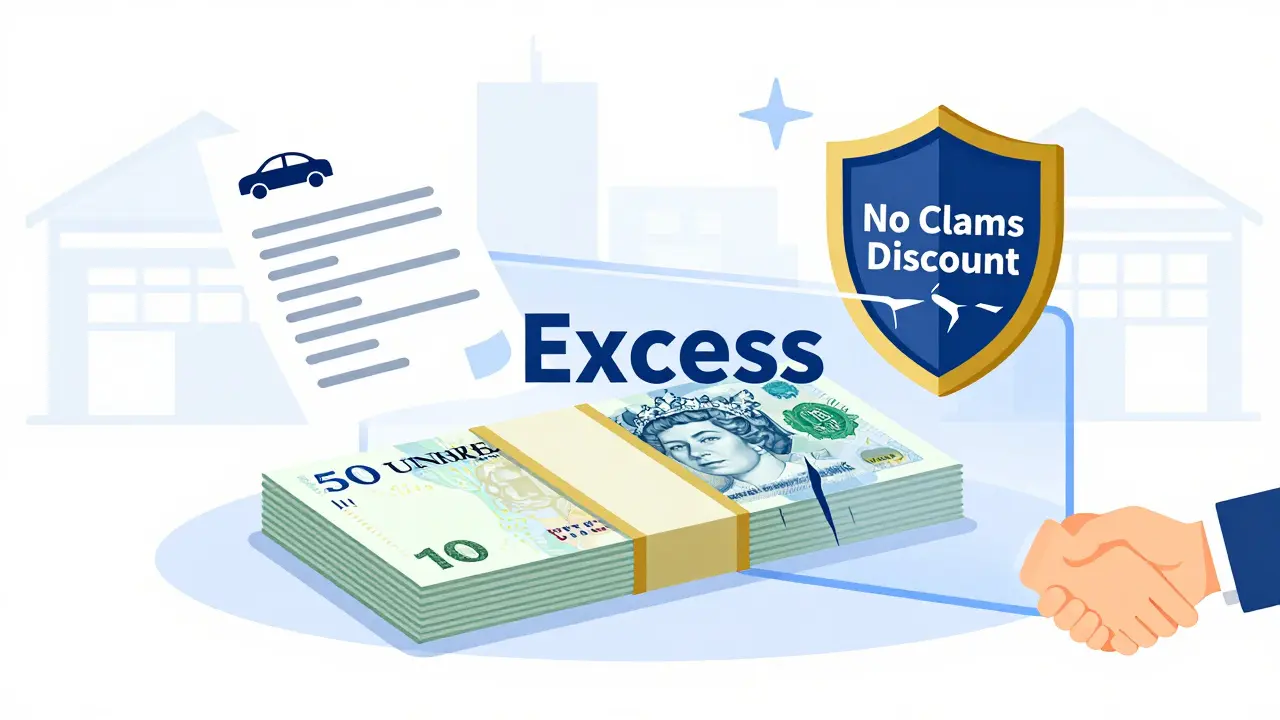
Before you proceed, understand your financial responsibility. Your excess is the amount you agree to pay towards any claim before your insurance coverage kicks in is the first money out of your pocket. There are two types: compulsory and voluntary. Compulsory excess is set by the insurer based on risk factors like your age or car model. Voluntary excess is chosen by you when buying the policy. A higher voluntary excess lowers your premium but means you pay more upfront during a claim.
Calculate the total cost. If repair estimates are £800 and your combined excess is £350, you pay £350, and the insurer covers the rest. But what if the damage is only £200? Don’t file a claim. Pay out of pocket. Filing small claims increases your No Claims Discount (NCD) penalty and raises future premiums. Generally, avoid claiming for damages below twice your excess amount. Also, check if your policy includes legal expenses cover. If the other driver is uninsured, this cover might help recover costs through the Motor Insurers’ Bureau (MIB).
The Assessment Process
Your insurer needs proof of damage. They will send an independent assessor or ask you to take photos using their app. For minor scratches, photo assessments are common and fast. For major collisions, a physical inspection is required. You’ll be asked to bring the car to a local garage or meet an assessor at home. Be present if possible. Point out all damages, including hidden ones like bent suspension parts that aren’t visible externally.
The assessor produces a repair estimate. This figure determines whether your car is repaired or written off. In the UK, a vehicle is considered a write-off if repair costs exceed a certain percentage of its market value. Categories include S (structural damage, repairable), N (non-structural, repairable), A (scrap only), and B (parts only). If your car is written off, the insurer pays the market value minus your excess. You keep Category S/N cars if you choose, but must declare the status when selling them later.
Choosing a Repairer
Who fixes your car? You have choices. Insurers often recommend approved garages. These centers guarantee lifetime warranty on repairs and handle paperwork directly with the insurer. However, you are legally entitled to choose any reputable repairer. If you pick your own mechanic, the insurer may pay less than the recommended rate, leaving you to cover the difference. Compare quotes. Get three estimates if possible. Ensure the repairer uses original equipment manufacturer (OEM) parts or high-quality equivalents. Cheap aftermarket parts can affect safety and resale value.
While your car is being repaired, you might need transport. Check if your policy includes hire car cover. This usually provides a similar class vehicle for a set period, e.g., seven days. Without this cover, you’re responsible for taxi fares or public transport costs. Some insurers offer daily allowances instead of full hire cars. Read the fine print regarding mileage limits and fuel policies for replacement vehicles.

Settlement and Payment
Once repairs are complete, the insurer releases payment. If you chose an approved garage, they bill the insurer directly. You pay your excess to the garage. If you used your own mechanic, the insurer pays you, and you pay the mechanic. Ensure you receive a detailed invoice listing all parts and labor. Keep these records for tax purposes or future disputes. For written-off cars, payment takes longer due to valuation processes. Expect delays of 2-4 weeks. Follow up weekly if silence persists.
After settlement, your No Claims Discount resets. Three claims in five years typically void your NCD entirely. One claim might reduce it by two years. Consider protecting your NCD when renewing policies. This add-on costs extra but shields your discount from minor claims. Weigh the cost against potential savings over time.
| Option | Pros | Cons | Best For |
|---|---|---|---|
| Insurer Approved Garage | Lifetime warranty, direct billing, faster processing | Limited choice, potentially lower quality parts | Busy professionals, minor to moderate damage |
| Independent Mechanic | Personalized service, potential OEM parts, trust | You handle payments, possible shortfall if quote exceeds insurer's estimate | Classic cars, complex repairs, loyal customers |
| Dealer Network | Genuine parts, factory-trained technicians | Highest cost, longest wait times | New cars under warranty, luxury vehicles |
Common Pitfalls to Avoid
Mistakes happen, but some are costly. Never lie about circumstances. Insurers investigate fraud rigorously. Exaggerating injuries or hiding prior modifications leads to claim denial and blacklisting. Always disclose modifications like alarm systems or performance upgrades. Unreported mods invalidate coverage. Another trap: accepting the first settlement offer without checking. If you have whiplash or soft tissue injuries, symptoms may appear days later. Wait until medical prognosis is clear before finalizing personal injury claims. Consult a solicitor specializing in road traffic accidents if injuries are severe.
Also, beware of third-party claims management companies (TPCMs). They approach victims offering free legal advice but charge high fees from your compensation. You can always find a solicitor independently. TPCMs often push for quick settlements that undervalue long-term pain and suffering. Protect your interests by seeking unbiased legal counsel early.
Dealing with Disputes
What if you disagree with the outcome? Maybe the insurer blames you unfairly, or the repair estimate seems low. Start by asking for a review. Request a detailed explanation of their decision. Cite specific clauses in your policy. If unresolved, escalate to the Financial Ombudsman Service (FOS). The FOS is free for consumers and binds insurers to its decisions. You have six months from the insurer’s final response letter to lodge a complaint. Gather all correspondence, photos, and witness statements before submitting. The FOS process is thorough but can take several months. Patience is key.
How long does it take to settle a car insurance claim?
Simple claims with clear liability and minor damage often settle within 1-2 weeks. Complex cases involving injuries, disputed fault, or write-offs can take 4-8 weeks. Delays usually occur during assessment or negotiation phases. Regular follow-ups with your claims handler can speed up the process.
Can I claim if I was partially at fault?
Yes, under contributory negligence rules. If you are 30% at fault, the insurer reduces your payout by 30%. You still pay your full excess. Both parties’ insurers negotiate liability percentages based on evidence. Police reports and witness statements heavily influence this split.
Will my premium increase after one claim?
Likely yes. Even non-fault claims can raise premiums because insurers view you as higher risk. The increase depends on your history, claim amount, and insurer’s algorithm. Typically, expect a 10-20% hike. Shop around at renewal; other insurers may offer better rates despite the claim.
What if the other driver has no insurance?
You can claim through your own comprehensive policy if you have it. Alternatively, contact the Motor Insurers’ Bureau (MIB) for injury claims or property damage over £300. The MIB process is slower and requires extensive proof that the third party was indeed uninsured and at fault.
Do I need a police report for every accident?
Not always, but highly recommended. Police reports are mandatory if there are injuries, drug/alcohol suspicion, or hit-and-runs. For minor fender-benders, insurers may accept mutual agreements. However, a police reference number adds credibility and prevents later disputes about fault.