
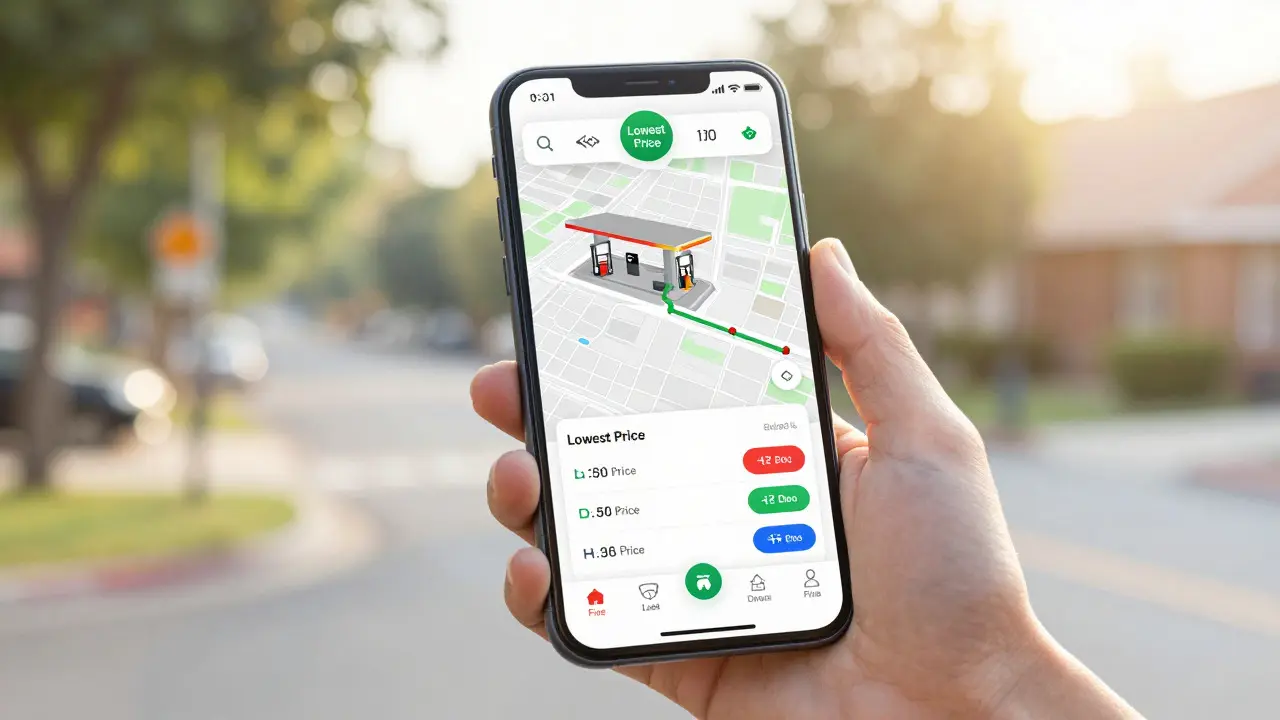
Fuel costs are one of the biggest monthly expenses for drivers. Whether you commute daily or take long road trips, every penny saved at the pump adds up over a year. With fluctuating oil markets and regional taxes, finding the cheapest gas prices near you requires more than just guessing which station is cheaper. It involves using the right tools, understanding pricing patterns, and adopting smarter driving habits.
In this guide, we’ll walk through practical strategies to locate low-cost fuel in your area, leverage technology effectively, and reduce overall consumption without sacrificing convenience.
Use Fuel Price Comparison Apps
The easiest way to find cheap gas is by using dedicated mobile applications that aggregate real-time data from thousands of stations. These platforms update frequently and allow users to filter results by location, brand, and even payment method discounts.
Other popular options include:
- GasBuddy - Widely used in North America, offers user-submitted prices and loyalty rewards.
- Shell Recharge - Provides exclusive deals for Shell customers in Europe and parts of Asia.
- TotalEnergies Go - Offers personalized discounts and cashback opportunities for TotalEnergies users.
When choosing an app, look for features like route optimization based on fuel cost, offline access, and integration with digital wallets for seamless checkout.
Understand Regional Pricing Patterns
Fuel prices vary significantly depending on where you live. Urban areas tend to have higher prices due to increased demand and operational costs for stations. Rural regions may offer lower base rates but fewer choices.
| Region | Average Petrol Price (£/L) | Average Diesel Price (£/L) |
|---|---|---|
| London | £1.68 | £1.72 |
| Bristol | £1.59 | £1.64 |
| Northern England | £1.54 | £1.58 |
| Scotland | £1.51 | £1.56 |
If you're planning a trip, consider filling up before entering high-tax zones. For example, if you’re traveling from Scotland to London, top off in Edinburgh rather than waiting until you reach Greater Manchester.
Leverage Loyalty Programs and Discounts
Most major fuel retailers offer membership programs that provide ongoing savings. Signing up usually takes less than two minutes and can result in significant long-term benefits.
- Esso Rewards - Earn points per litre that can be redeemed for free fuel or merchandise.
- BPme - Get instant discounts when paying via the BP Connect app.
- Texaco Clubcard - Accumulate points toward fuel vouchers and partner promotions.
Some grocery stores also tie fuel discounts to shopping receipts. If you regularly shop at Tesco or Sainsbury’s, check whether their loyalty cards offer reduced fuel rates.
Optimize Your Driving Habits
Finding cheap gas helps, but reducing how much you use makes an even bigger difference. Small adjustments in behavior can improve fuel efficiency by 10-20%.
- Maintain steady speeds - avoid rapid acceleration and braking.
- Keep tires properly inflated - underinflated tires increase rolling resistance.
- Remove unnecessary weight - heavy items in your trunk force the engine to work harder.
- Use cruise control on highways - maintains consistent speed and reduces waste.
- Turn off the engine during idle periods longer than 30 seconds.
Modern cars come equipped with eco-driving modes that adjust throttle response and gear shifts automatically. Activating these settings can help conserve fuel without requiring conscious effort.
Plan Refueling Around Market Trends
Fuel prices don’t change randomly - they follow predictable cycles influenced by global supply chains, geopolitical events, and seasonal demand. While no one can predict exact future prices, historical patterns suggest certain times are better for refueling.
For instance, weekends often see slightly higher prices because stations anticipate increased travel activity. Midweek days, particularly Tuesday and Wednesday, typically offer the lowest rates. Additionally, holidays and school breaks drive up demand, so fill up early if possible.
You can track broader trends using government reports or industry newsletters. In the UK, the Department for Business, Energy & Industrial Strategy publishes weekly average fuel prices that serve as reliable benchmarks.
Consider Alternative Fuels
If traditional petrol and diesel remain too expensive, explore alternatives like electric vehicles (EVs), hybrid models, or biofuels. Though upfront costs may be higher, operating expenses drop dramatically over time.
Electric charging at home is generally far cheaper than buying gasoline. Public chargers vary widely in cost, but many employers and municipal facilities offer subsidized or free sessions. Hybrid cars combine internal combustion engines with electric motors, offering improved mileage without range anxiety.
Biofuels such as E10 ethanol blends are becoming more common across Europe. They’re compatible with most modern engines and often priced competitively against conventional fuels.
Compare Stations Strategically
Not all stations charge the same rate even within the same neighborhood. Some operate independently while others belong to large chains with centralized pricing policies.
To maximize savings:
- Avoid highway service stations unless absolutely necessary - they rarely compete on price.
- Look for independent operators who may undercut big brands to attract traffic.
- Check multiple sources before deciding - sometimes a station five minutes away saves £0.10/litre.
Remember, small differences add up quickly. Saving just £0.05/litre on a 50-litre tank equals £2.50 per fill-up - or nearly £130 annually for someone driving 12,000 miles.
Monitor Local News and Alerts
Sudden spikes in fuel prices often stem from temporary disruptions like refinery outages, transport strikes, or extreme weather. Staying informed allows you to react proactively instead of paying premium rates.
Set up alerts through news apps or subscribe to email updates from energy watchdogs. Organizations like Which? and Consumer Reports publish regular analyses of fuel market conditions and recommend optimal purchasing windows.
In Bristol, for example, residents noticed a brief surge in prices after a nearby pipeline maintenance shutdown. Those who filled up beforehand avoided paying extra during the shortage.
Combine Savings Strategies
The best approach combines several tactics simultaneously. Use a comparison app to identify the cheapest station nearby, apply a loyalty discount, and ensure your vehicle runs efficiently. Over time, these layered efforts compound into substantial financial gains.
Think of fuel management like budgeting - small, consistent actions yield greater results than occasional drastic measures. By staying proactive and informed, you maintain control over one of life’s unavoidable expenses.
What is the best app to find cheap gas?
Waze and GasBuddy are among the most reliable apps for finding low-cost fuel. Waze integrates real-time traffic and crowd-sourced fuel prices, making it ideal for urban commuters. GasBuddy excels in North America with extensive coverage and reward systems.
Why do gas prices differ between cities?
Prices vary due to differences in local taxes, transportation costs, competition levels, and consumer demand. Cities with more stations and less regulation tend to have lower prices compared to rural or monopolistic markets.
Is it worth switching to an electric vehicle?
Yes, especially if you drive frequently. EVs eliminate fuel costs entirely and benefit from declining battery prices and expanding charging infrastructure. However, initial purchase costs remain higher than traditional cars.
How often should I check fuel prices?
At least once a week, ideally midweek when prices stabilize. Set reminders or enable push notifications from your preferred app to stay ahead of sudden increases.
Can I really save money by changing my driving style?
Absolutely. Smooth acceleration, proper tire pressure, and avoiding idling can boost fuel efficiency by 10-20%. Combined with smart refueling habits, these changes lead to meaningful annual savings.
Comments
Elizabeth Brooks
hey guys, i just wanted to share that gasbuddy is actually pretty good for finding those hidden gems. i used it last week and saved like $4 on a full tank. also, make sure you check the tire pressure thing mentioned in the post, it really does make a difference in mileage. my car feels smoother when they are properly inflated.
July 31, 2026 at 21:56
Quintin Franzese
oh great, another article telling us to drive slower and buy an ev. because clearly the problem with high gas prices is that we aren't driving efficient enough rather than corporate greed and taxes. hilarious.
August 1, 2026 at 18:34
alex kobri
i think people forget that location matters more than apps sometimes. if you live in a rural area there might only be one station for miles so you pay what they want. apps help but they cant change supply and demand dynamics in small towns
August 1, 2026 at 21:25
Tamara Miller
It is absolutely pathetic that adults need a guide to save money on fuel; surely basic financial literacy should include checking prices before filling up! The sheer laziness of relying on apps instead of just looking at signs while driving by is staggering. One would think that after years of paying exorbitant rates, people would have developed some initiative by now. Instead, we see this collective apathy towards personal responsibility. It is quite disheartening to witness such widespread incompetence in everyday tasks. Why do we even bother trying to educate the masses when they refuse to lift a finger? The decline of self-reliance is truly alarming in modern society. We must hold ourselves accountable for our own wallets. Stop complaining and start thinking critically about your consumption habits. It is not rocket science, yet here we are.
August 2, 2026 at 20:19
john randall
the loyalty programs are decent if you stick to one brand but switching between them based on price is better imo
August 3, 2026 at 08:06
Zach Loescher
i've been using waze for years and it's surprisingly accurate for gas prices too. i didn't realize it had that feature until recently. it's nice having everything in one app instead of opening multiple ones. does anyone else find that highway stations are always more expensive no matter where you go?
August 5, 2026 at 01:27
Anthony Miller
You are all fools for trusting these apps which are likely manipulated by oil companies to keep prices artificially high. I know things you don't. The government is watching every fill-up through your license plate cameras. Wake up sheeple. Your data is being sold to the highest bidder. You think you are saving money but you are feeding the beast. They want you dependent on their digital leashes. Get rid of the apps and use cash at independent stations only. Trust no one. The system is rigged against you from day one. You are already late to the party. Prepare for the collapse of the grid. It is coming sooner than you think. Do not let them track your movements anymore. Freedom is lost when you rely on technology for survival. This is your final warning. Act accordingly or perish in ignorance. The truth is buried deep but it will surface eventually. Stay vigilant citizens. The end is near.
August 6, 2026 at 02:46
Deb Kortyna, MBA
One must consider the macroeconomic implications of regional tax disparities when analyzing fuel costs. The variance between London and Scotland, as noted in the provided table, illustrates the significant impact of local fiscal policies on consumer expenditure. Furthermore, the suggestion to utilize loyalty programs is prudent, albeit often underutilized by the general populace who fail to recognize the cumulative benefits of point accumulation over time. It is imperative that individuals adopt a strategic approach to refueling, much like they would with investment portfolios. Neglecting these minor efficiencies results in substantial long-term financial detriment. Therefore, a disciplined methodology is required to mitigate the volatility inherent in global oil markets.
August 6, 2026 at 11:49
Jacob Baby Official
actually none of this works because the oil cartel controls everything behind the scenes. you can switch apps all you want but they just adjust prices dynamically based on your search history. its called algorithmic pricing and you are all playing right into their hands. stop buying gas and walk everywhere or you are part of the problem destroying the planet while pretending to save pennies. hypocrites.
August 7, 2026 at 05:27
Susan Cole
i prefer to just fill up whenever i see a low price without stressing too much about apps. it keeps things simple for me. sometimes the effort to find the cheapest station isn't worth the extra drive if you're in a hurry.
August 9, 2026 at 04:36
michelle veluz
The elites are raising gas prices to punish the working class for daring to exist! It is a conspiracy to keep us trapped in our cars and away from the protests. They want us broke and desperate so we won't notice the surveillance state expanding. Every dollar spent on gas is a dollar stolen from our freedom. We need to boycott all major brands immediately. The media lies to us about market forces. It is pure malice from the top down. Don't let them divide us with petty savings tips. Unite against the real enemy. The truth is out there if you look past the propaganda. They are watching us through our phones while we argue about cents per gallon. Wake up America. The revolution starts at the pump. No more compliance. Burn the system down.
August 9, 2026 at 21:46
Savara Gunn
just remember to take care of yourself too. driving stress-free is important. maybe try listening to a podcast while you drive to your new favorite cheap station. it helps pass the time nicely.
August 11, 2026 at 08:18