
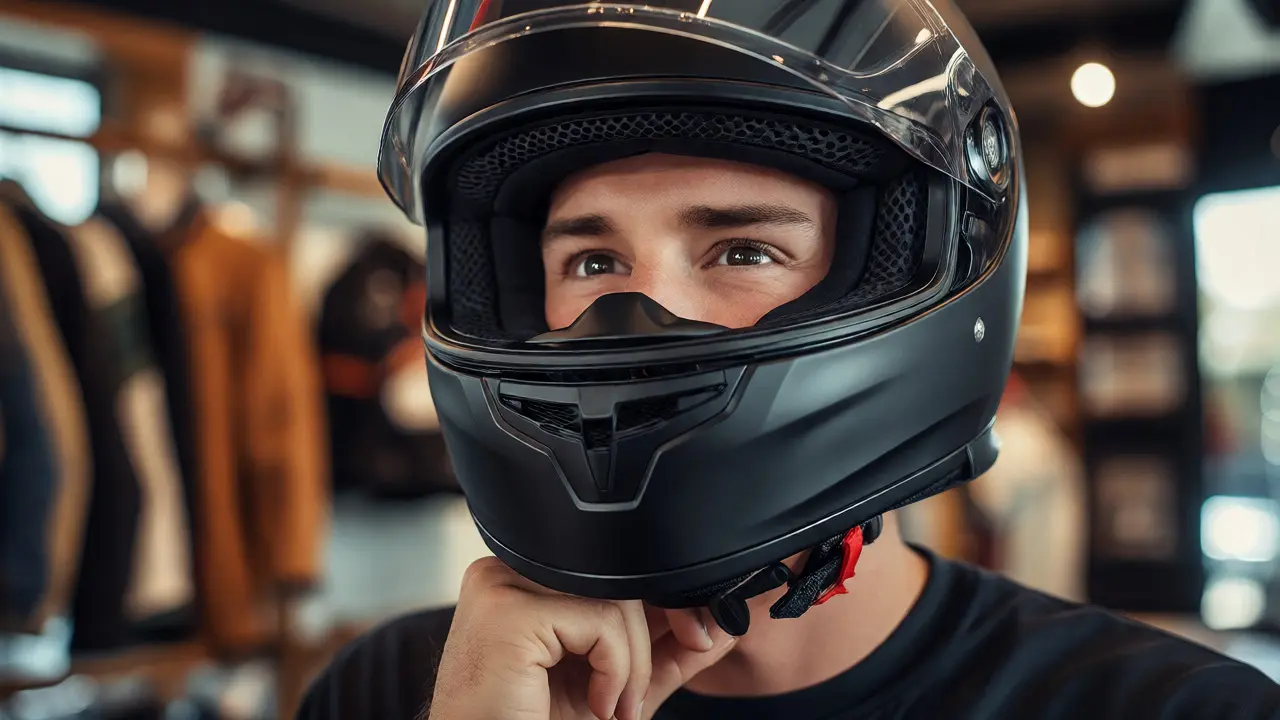
You’ve just bought a shiny new helmet or a tough leather jacket. It looks great in the shop mirror. But here is the harsh truth: if it doesn’t fit right, it’s basically expensive decoration. A loose helmet shifts during impact. A baggy jacket exposes your wrists when you reach for the bars. Bad fit kills protection faster than bad material ever could.
Most riders make one critical mistake: they buy based on comfort alone. They want something that feels like a hug immediately. But real motorcycle gear often needs a break-in period. If it feels slightly tight now, it might be perfect in two weeks. If it feels loose now, it will likely be dangerous later. This guide walks you through exactly how to check the fit of every piece of kit, from head to toe, so you stay protected when things go sideways.
The Helmet: The Non-Negotiable Foundation
Motorcycle helmets are protective headgear designed to absorb impact energy and prevent skull fractures during crashes. Unlike other gear, you cannot compromise here. There is no "close enough."
Start by measuring your head circumference. Use a soft tape measure about an inch above your eyebrows and ears. Write down the number in centimeters. Most manufacturers use these measurements rather than vague labels like "Medium" or "Large." A 58cm head usually fits a Medium, but brand variations exist. Always check the specific size chart for the model you want.
Once you have the helmet on, perform the "cheek squeeze" test. Your cheeks should feel compressed. Yes, it looks funny. Yes, it feels weird. That pressure prevents the helmet from rotating off your head during a slide. If you can wiggle the helmet side-to-side while holding your jaw still, it’s too big. Try a smaller size.
Next, check the retention system. Tighten the chin strap until it is snug against your throat. You should not be able to pull more than two fingers under the strap. Then, try to roll the helmet forward off your head with your hands. If it comes off easily, the shape doesn’t match yours. Head shapes vary-some are round, some are oval. Brands like Shoei tend to run intermediate oval, while AGV often suits rounder heads. Knowing your head shape saves you money and headaches.
Jackets and Vests: Protection Without Restriction
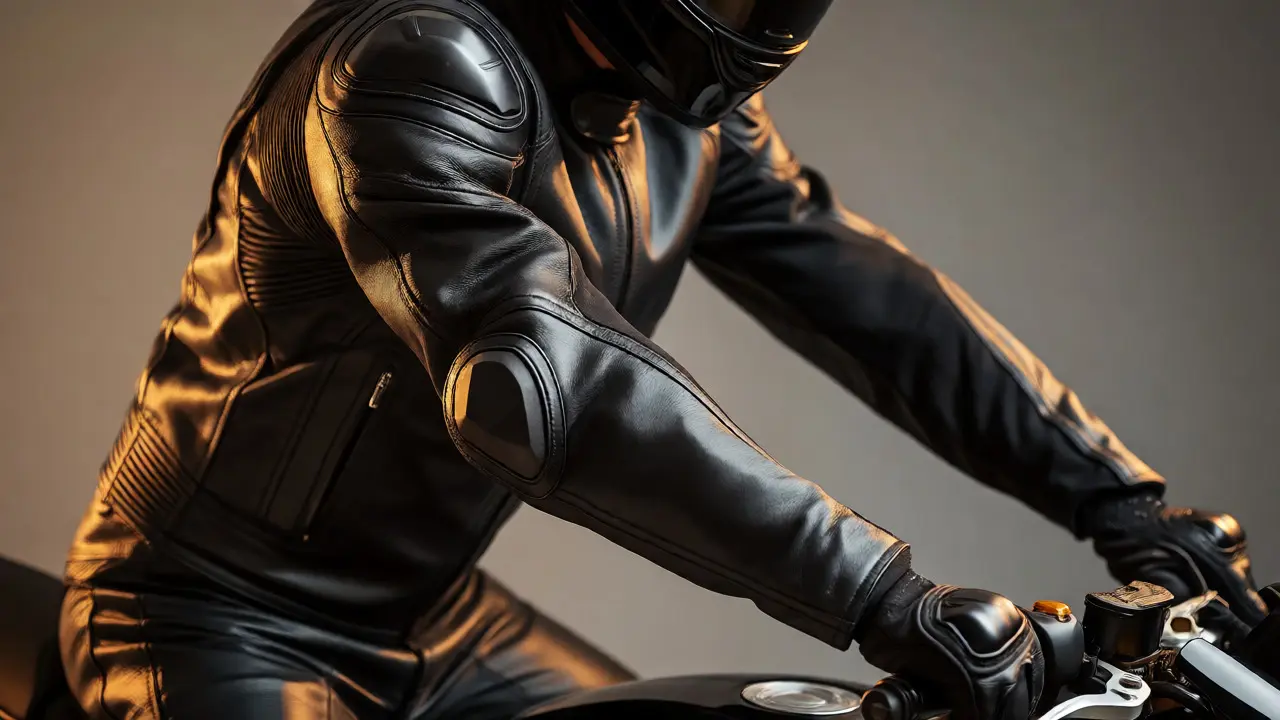
A motorcycle jacket is a garment equipped with armor at shoulders, elbows, and back, designed to resist abrasion and impact. Its job is to stay on you and keep armor in place.
Stand in a riding position when trying on jackets. Reach forward as if gripping handlebars. Does the hem ride up? Does the sleeve pull back, exposing your wrist? If yes, it’s too short. Wrist exposure leads to road rash and cold hands. Look for jackets with adjustable waist tabs and sleeve cuffs. These allow you to tighten the fit around your body without restricting blood flow.
Check the armor placement. Lift your arms. Do the shoulder pads move up into your neck? Do the elbow pads slide down your forearm? Good jackets have stretch panels or pre-curved sleeves that follow your natural arm bend. If the armor shifts significantly when you move, it won’t protect the joint during a crash. Some high-end models feature external sliders; ensure these align with your acromion process (the bony point of your shoulder).
Consider ventilation versus weather protection. In summer, mesh jackets offer airflow but require a separate rain liner. In winter, thermal liners add bulk. Test the fit with the layers you actually plan to wear. If you wear a hoodie underneath, the jacket must accommodate that thickness without becoming a straightjacket.
Gloves: Dexterity Meets Durability
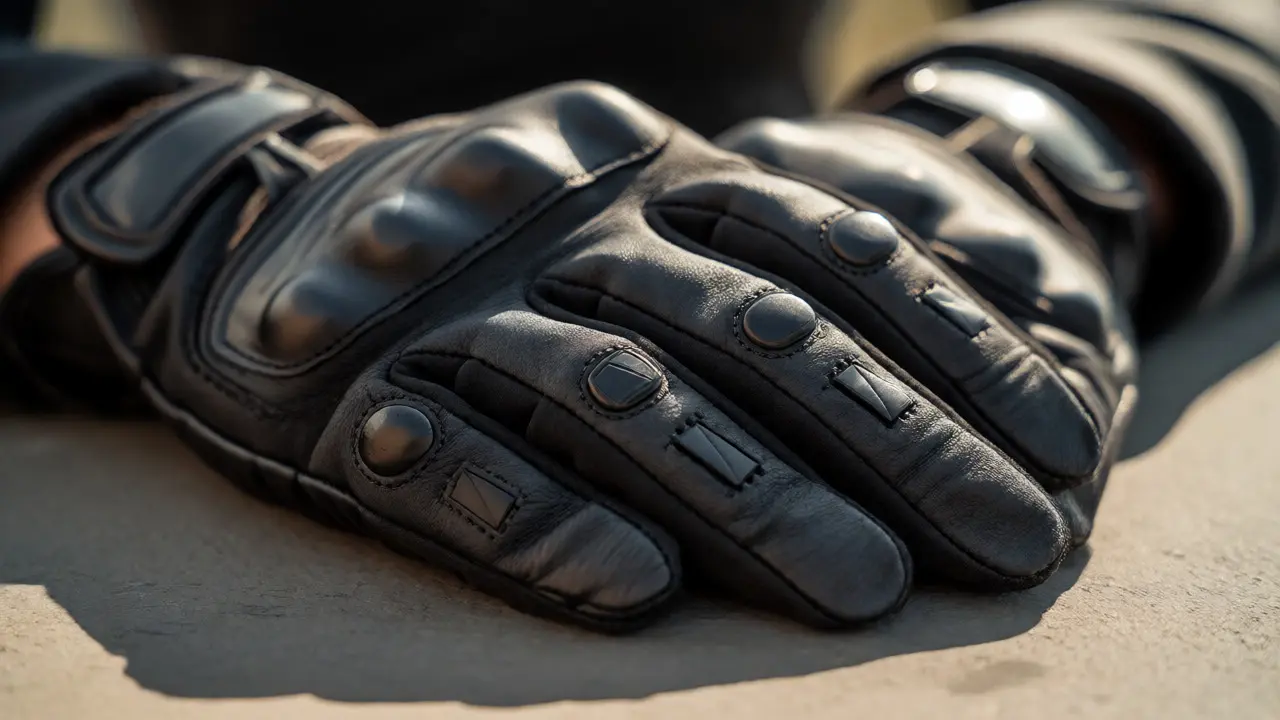
Your hands operate the bike. Numb fingers mean missed shifts and delayed braking. Riding gloves are hand coverings featuring knuckle protection, palm sliders, and reinforced stitching for grip and abrasion resistance.
Sizing gloves is tricky because hand width matters as much as length. Measure around the widest part of your palm, excluding the thumb. Compare this to the manufacturer’s chart. When trying them on, flex your fingers. There should be no excess fabric bunching at the fingertips. Excess fabric creates hot spots and reduces tactile feedback on controls.
Check the cuff length. Short gauntlet gloves look cool but leave your wrists exposed to wind and debris. Long gauntlets tuck under jacket sleeves, preventing water ingress. Ensure the glove closes securely. Velcro straps should hold firm but not cut circulation. If your fingers turn blue after ten minutes, loosen the strap or size up. A tight glove restricts blood flow, leading to numbness in cold weather.
Test the slider. Many modern gloves have hard plastic or metal sliders on the palm. Place your hand flat on a table. Can you rotate your wrist freely? The slider should sit between your pinky and ring finger knuckles. If it digs into your palm when you close your fist, the fit is wrong.
Boots: Ankle Support and Sole Rigidity
Footwear takes the most abuse. You shift gears, rest your feet on pegs, and walk around. Regular sneakers fail here. Motorcycle boots are footwear with reinforced toes, ankle support, oil-resistant soles, and shifter pads.
Fit starts with length. Leave about half a thumbnail’s space at the toe. Too tight causes pain; too loose causes heel lift. Heel lift is dangerous-it makes foot placement imprecise. Lace-up boots offer better adjustability than zip-only models. Use the laces to lock your heel down. Walk around the store. Climb stairs. Do your ankles wobble? Riding boots need stiff midsoles to prevent foot fatigue, but they shouldn’t feel like concrete blocks. Look for boots with ankle braces or hinged supports if you have weak ankles.
Check the shifter pad location. On left-footed bikes, the pad sits on the top of the boot near the big toe. If this pad is misaligned with your bike’s shifter, you’ll struggle to find neutral. Wear the boots with the socks you ride in. Thick wool socks change the volume inside the boot significantly.
Pants and Overalls: Coverage and Mobility
Knee slides happen. Hip impacts hurt. Pants must stay put. Motorcycle pants are lower-body garments with knee and hip armor, often featuring suspenders or belt loops for secure attachment.
Try pants on while sitting in a simulated riding posture. Bend your knees. Does the waistband dig in? Does the knee armor cover the kneecap fully? Armor that slips below the knee offers zero protection. Look for pants with stretch panels behind the knees. These allow full range of motion without pulling the fabric tight.
If you buy separate pants and a jacket, ensure they connect. A zipper connection system prevents the jacket from riding up during a crash. This keeps your lower back covered. Without a connection, the gap between jacket and pants becomes a vulnerability zone. Some brands offer universal zippers; others are proprietary. Check compatibility before buying.
| Gear Item | Fitness Issue | Immediate Fix | Long-Term Solution |
|---|---|---|---|
| Helmet | Pressure points | Adjust cheek pads | Try different shell shape |
| Jacket | Sleeves too long | Tighten cuff velcro | Cut sleeves or return |
| Gloves | Numb fingers | Loosen wrist strap | Size up for width |
| Boots | Heel slip | Double knot laces | Add insole or size down |
The Break-In Period: Managing Expectations
Leather stretches. Textile fabrics relax. Aftermarket padding compresses. Understand what changes over time. Leather jackets can expand up to 10% after 20 hours of riding. Gloves mold to your hand shape. Boots soften at the ankle. Do not buy gear expecting it to feel like pajamas on day one. It should feel secure, slightly restrictive in movement extremes, but never painful. Pain indicates a structural mismatch. Security indicates proper tension.
Use conditioner on leather gear to speed up the break-in process. Apply a small amount to joints and seams. This helps fibers relax evenly. For textile gear, simply wear it around the house for a few hours. Move your arms and legs vigorously. Let the fabric settle into your body’s contours.
Troubleshooting Common Fit Problems
What if you already bought the wrong size? Don’t panic. Small adjustments can save a purchase.
- Helmet too tight: Remove cheek pads and replace with thinner ones. Many brands sell accessory pads in varying thicknesses.
- Jacket too loose: Add a vest underneath. This fills dead space and adds warmth.
- Gloves too big: Wear thin liner gloves underneath. This adds bulk and improves grip.
- Boots too wide: Use thicker socks or insert an orthotic insole to take up volume.
If the gear fails basic safety checks-like a helmet coming off with a gentle tug-return it. No hack fixes fundamental sizing errors. Your life depends on this equipment staying attached to your body.
Should motorcycle gear be tight or loose?
It should be snug but not painful. Armor must stay in place during movement. If it moves freely, it is too loose. If it cuts circulation or causes pain, it is too tight. Aim for a secure fit that allows full range of motion.
How do I know if my helmet is too small?
Signs include severe pressure points, headaches after short rides, and difficulty putting the helmet on without forcing it. However, initial tightness is normal. If you experience 'hot spots' that persist after 10 minutes, it is likely too small.
Can I resize motorcycle boots?
You can stretch leather boots slightly using shoe stretchers or professional cobbler services. Synthetic materials rarely stretch significantly. If boots are more than half a size too big, resizing is unlikely to fix heel slippage effectively.
Why do my gloves feel numb?
Numbness usually indicates restricted blood flow due to tightness across the knuckles or wrist. Loosen the wrist strap first. If numbness persists, the glove may be too narrow across the palm, requiring a wider size.
Is it okay to wear jeans under motorcycle pants?
Yes, but only if the motorcycle pants fit comfortably over them. Jeans add bulk and reduce mobility. Ensure the knee armor still covers your knees properly when wearing jeans underneath. Consider dedicated base layers for better performance.
Comments
Elizabeth Brooks
omg yes the cheek squeeze test is so underrated but also so painful at first. i remember buying my first helmet and thinking it was crushing my skull but after a week it settled in perfectly. if you can wiggle it around its too big no matter how comfy it feels in the store.
also dont forget to check your head shape because brands are super specific about that. shoei vs agv made such a huge difference for me personally.
September 20, 2026 at 20:56
Jacob Baby Official
This article is painfully obvious yet somehow people still buy gear based on color matching their bike instead of safety ratings. It’s genuinely frustrating to see riders with helmets that look like they belong on a toddler. If your helmet moves when you shake your head, you’re basically wearing a decorative bowl on your head. Stop being lazy and go to a shop where they actually measure you instead of guessing online. The fact that you need a guide for this suggests a systemic failure in rider education from day one. We spend thousands on bikes but skimp on the one thing keeping our brains inside our skulls. It’s not rocket science, it’s basic physics and anatomy combined. You cannot cheat fitment. Period.
September 22, 2026 at 08:11
alex kobri
fit is subjective until impact happens then it becomes objective reality
i think we underestimate how much comfort biases our perception of protection. we want to feel free so we buy loose gear but freedom in a crash is an illusion. tightness equals security which equals survival chances going up. its philosophical really. do you choose immediate pleasure or long term viability. most choose pleasure and pay later.
the break in period mentioned here is key. leather remembers your body eventually. give it time
September 23, 2026 at 20:48
john randall
solid advice on the boots especially regarding heel lift. i had that issue with some cheap ones and it messed up my shifting precision constantly. once i switched to lace ups with proper ankle support everything clicked into place. good read
September 24, 2026 at 05:08
Quintin Franzese
ah yes nothing says "i care about safety" like spending three hours trying on jackets only to realize you hate the brand's logo placement. totally worth it though. sarcasm aside the tip about testing ventilation with actual layers is gold. people always forget winter liners add bulk until they're freezing mid ride.
September 25, 2026 at 17:29
Deb Kortyna, MBA
I must emphasize the critical importance of the retention system check outlined in the text. Many individuals neglect the chin strap adjustment, assuming factory settings suffice. This is a grave error. A properly adjusted strap is the sole mechanism preventing helmet ejection during high-velocity impacts. Furthermore, the distinction between round and intermediate oval head shapes is frequently overlooked by novice buyers. One should consult professional fitting services rather than relying solely on numerical size charts. Safety protocols demand precision, not approximation.
September 26, 2026 at 00:59
Zach Loescher
interesting point about the zipper connection between jacket and pants. i never really thought about how much that gap matters until i saw a friend get road rash right there. seems like a simple fix but easy to overlook when shopping separately.
September 26, 2026 at 21:00
Susan Cole
appreciate the reminder about breaking in gloves. mine were incredibly stiff initially and i almost returned them. glad i waited a few days because now they mold perfectly to my hand.
September 28, 2026 at 03:47