
Quick Fixes and Key Takeaways
- Check coolant levels first, but never open a hot radiator cap.
- A stuck thermostat usually causes a rapid temperature spike.
- Radiator clogs or fan failures often happen during idling or slow traffic.
- Mixing different types of coolant can create a "sludge" that blocks the system.
The Lifeblood of Your Engine: Coolant
Before we get into the hardware, we have to talk about the fluid. Coolant is a mixture of antifreeze and water designed to absorb heat from the engine and release it through the radiator. It's not just about keeping things cool; it's about preventing the water in your system from boiling over in the summer or freezing and cracking your engine block in the winter.
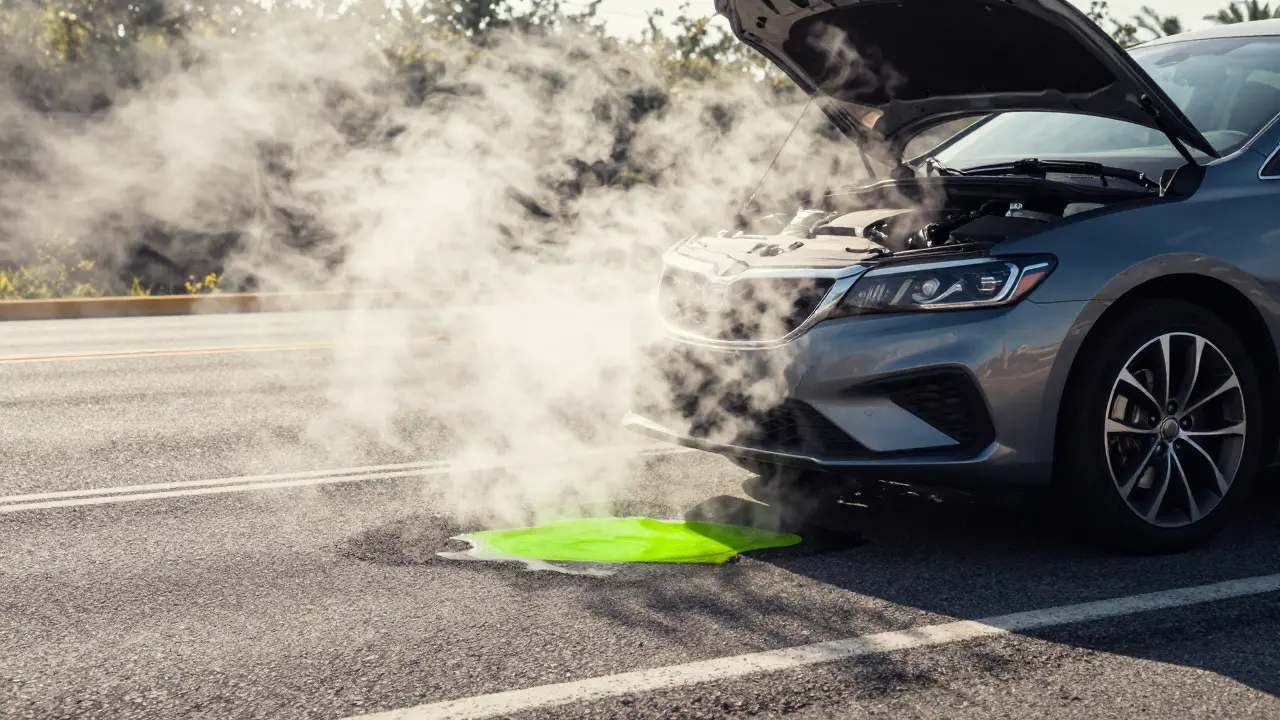
One of the most common reasons for an overheating engine is simply running low on this fluid. You might have a pinhole leak in a hose or a failing water pump seal. If you notice a sweet, syrup-like smell or bright green, orange, or pink puddles under your car, you've got a leak. A big mistake many drivers make is topping up with plain tap water. While it works in an emergency, tap water contains minerals that cause scale buildup inside your engine, acting like cholesterol in an artery and restricting flow.
You also need to use the right specification. If your car requires OAT (Organic Acid Technology) coolant and you pour in a traditional IAT (Inorganic Additive Technology) fluid, they can react. This creates a thick, gel-like substance that settles in the narrow passages of your engine, effectively plugging the system and causing a overheat even if the tank looks full.
The Gatekeeper: The Thermostat
If your coolant levels are perfect but the engine is still screaming for help, the problem is likely the Thermostat. This is a small, spring-loaded valve that regulates the flow of coolant between the engine and the radiator. When you first start your car, the thermostat stays closed so the engine warms up quickly. Once it reaches the optimal operating temperature, it opens to let the coolant flow to the radiator to be cooled.
What happens when it fails? It usually fails in one of two ways. If it sticks closed, the coolant is trapped inside the engine block. It circulates within the engine, but it never reaches the radiator to shed heat. This leads to a very fast temperature climb. You'll notice that the engine is overheating, but if you carefully touch the upper radiator hose, it feels cold. That's a dead giveaway that the "gate" is closed.
Conversely, a thermostat stuck open is less dangerous but still a problem. Your engine will take forever to warm up, and your cabin heater will blow cold air even in the dead of winter. While this won't blow your head gasket, it kills your fuel efficiency because the engine never reaches its peak efficiency temperature.
The Heat Exchanger: Radiator Issues
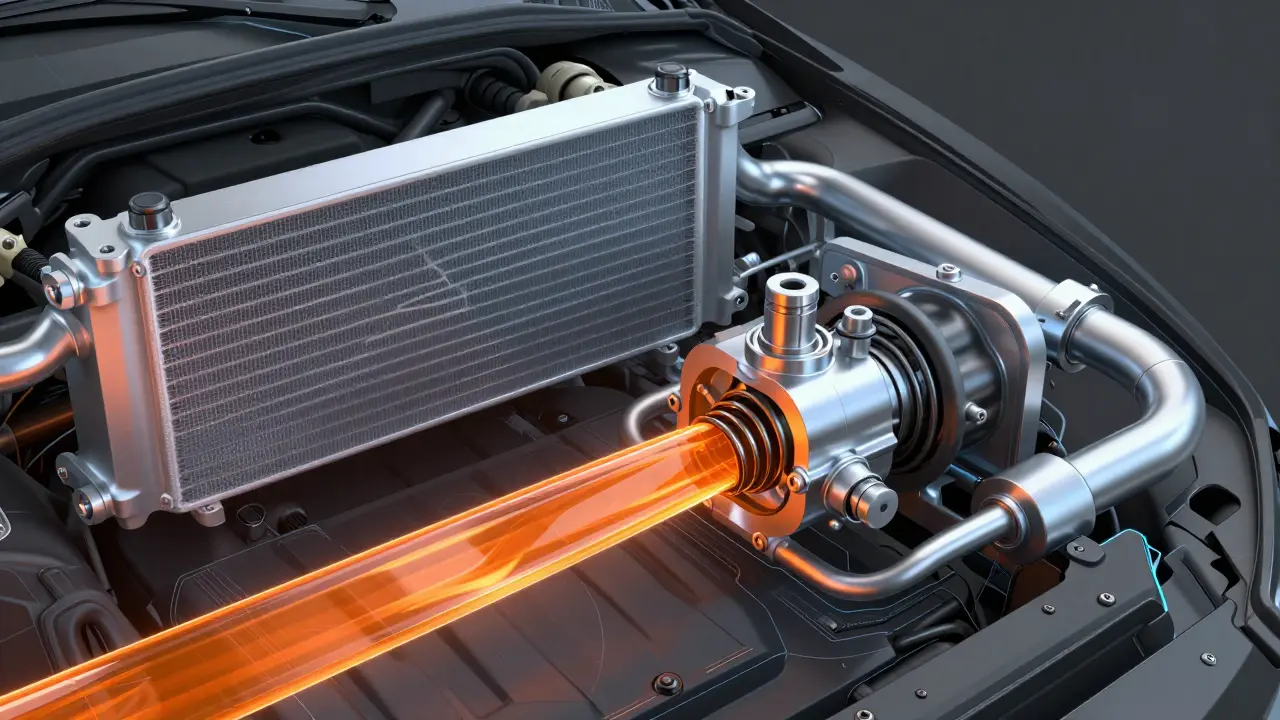
The Radiator is a heat exchanger that cools the hot liquid flowing through it by transferring the heat to the air. It's essentially a giant series of thin tubes and tiny fins. If the air can't get through those fins, the coolant stays hot.
External blockages are common. Think about the bugs, leaves, and road grime that get plastered against the front of your car. If the radiator fins are clogged, the airflow is choked. You can often fix this with a gentle spray from a garden hose-just don't use a high-pressure power washer, or you'll bend the fragile aluminum fins flat, making the problem worse.
Internal blockages are sneakier. Over time, corrosion can build up inside the tubes. If you've ignored coolant flushes for five years, you likely have sediment restricting the flow. Another critical failure point is the radiator cap. The cap isn't just a lid; it's a pressure valve. The cooling system is designed to be pressurized, which raises the boiling point of the coolant. If the seal on the cap is perished, the system loses pressure, the coolant boils at a lower temperature, and you get bubbles (steam) in the system that prevent efficient cooling.
| Component | Common Symptom | Likely Cause | Urgency |
|---|---|---|---|
| Coolant | Puddles under car, sweet smell | Hose leak or cracked reservoir | High |
| Thermostat | Rapid temp spike, cold radiator hose | Valve stuck closed | Critical |
| Radiator | Overheating only at highway speeds | External fin blockage | Medium |
| Radiator Fan | Overheating only while idling/traffic | Blown fuse or dead fan motor | High |
The Silent Killers: Water Pumps and Fans
We can't talk about radiators without mentioning the Water Pump. This is the heart of the system. It pushes the coolant through the loop. If the impeller blades inside the pump erode or the drive belt snaps, the coolant just sits there. The engine will overheat in minutes because there is no movement. A telltale sign of a failing pump is a rhythmic squealing noise or a visible leak coming from the "weep hole" on the pump housing.
Then there's the Radiator Fan. When you're driving at 60 mph, the wind does the work. But when you're stuck in city traffic, you need the fan to pull air through the radiator. If your car stays cool on the motorway but starts overheating the moment you hit a traffic jam, your fan is the prime suspect. Check the fuses first, then see if the fan actually spins when the engine reaches temperature.
The Worst Case Scenario: The Head Gasket
If you've ignored the warning signs and kept driving while the needle was in the red, you might have blown your Head Gasket. This is the seal that separates the engine's combustion chambers from the cooling channels. When it fails, combustion gases leak into the coolant, or coolant leaks into the cylinders.
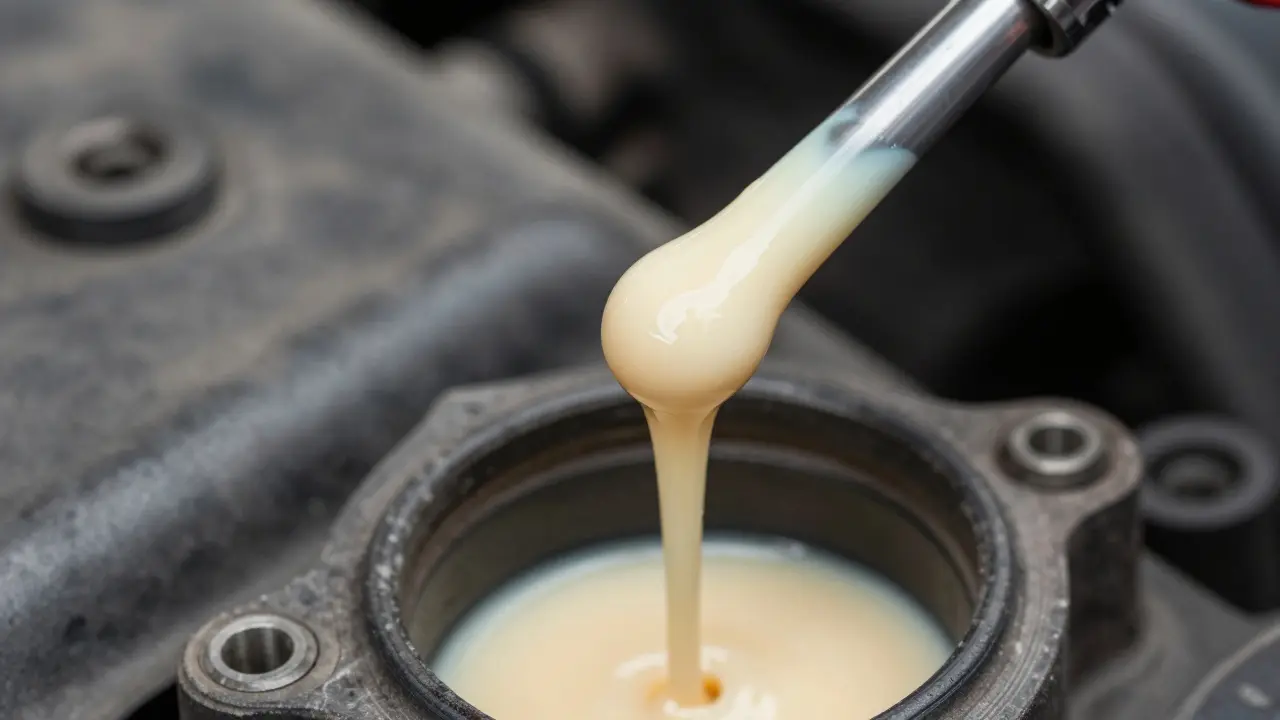
How do you spot this? Look for "milky" oil. If you pull the dipstick and the oil looks like a latte or a mayonnaise sandwich, coolant has mixed with the oil. Also, look for thick white smoke billowing from the exhaust-that's actually steam from the engine burning coolant. Unlike a thermostat or a hose, a head gasket failure requires a complete engine teardown and is one of the most expensive repairs a car owner can face.
Can I put water in my radiator if I run out of coolant?
Yes, in an absolute emergency, you can use distilled water to get you to a safe location. However, avoid using tap water for long periods as the minerals cause scale and corrosion. Always bleed the air out of the system after topping up, as air pockets can cause localized overheating.
Why does my car overheat only when the air conditioning is on?
Running the AC puts a significant extra load on the engine and generates additional heat via the AC condenser, which sits right in front of the radiator. If your cooling system is already struggling-due to a partially clogged radiator or a weak fan-the extra heat from the AC can push it over the edge.
How often should I flush my cooling system?
Most manufacturers recommend a coolant flush every 2 to 5 years, or every 30,000 to 60,000 miles. Over time, the corrosion inhibitors in the coolant break down, and the fluid becomes acidic, which can eat away at your radiator and engine internals.
Is it safe to drive with a slightly overheating engine?
No. Even a slight over-temperature condition can cause the cylinder head to warp. If the needle moves past the center point and starts climbing, pull over immediately. The cost of a tow truck is nothing compared to the cost of a new engine block.
How can I tell if my thermostat is stuck?
Start your car and let it run. Feel the upper radiator hose. If the engine is overheating but the hose remains cold to the touch, the thermostat is stuck closed and isn't letting the coolant flow into the radiator.
Next Steps for Different Drivers
For the DIY-er: If you suspect a thermostat issue, start by pressure-testing your system with a rented pump. This will show you exactly where leaks are without you having to guess. If the system holds pressure but still overheats, replace the thermostat and the gasket-it's usually a 2-hour job with basic tools.
For the Non-Mechanical Owner: If your temperature gauge spikes, turn off the AC and turn your interior heater to the maximum setting. This sounds crazy in summer, but the heater core acts as a secondary mini-radiator, pulling heat away from the engine and blowing it into the cabin. This can buy you a few extra minutes to reach a safe stopping point.
For the Used Car Buyer: Always check the oil dipstick and the coolant reservoir of a potential purchase. If the oil is milky or the coolant looks like rusty brown water, walk away. These are signs of a neglected cooling system or a failing head gasket, both of which are financial black holes.