

Buying a used car feels like a gamble when you don't know the truth. A sleek exterior might hide a cracked frame, and a seller's promise can hide a police blotter record. You walk away with less money than you thought and more problems than you wanted. That is why spotting accident history matters.
We live in a time where data exists to help us. However, that data is often buried in complex jargon or missing entirely. Sellers sometimes clean up a car just enough to pass a quick glance, but not enough to fool a trained eye. This guide breaks down exactly what to look for so you don't get burned.
The Truth Inside Vehicle History Reports
Vehicle History Reports are your first line of defense. These documents track a car's life cycle using the Chassis number, also known as the VIN. Think of this as the car's passport. It lists registration details, ownership changes, and significant events like insurance write-offs.
In the UK, services like HPI Check or MotorCheck provide this data. You pay a small fee, but it saves you thousands later. When you request a report, you need to verify three critical things immediately. First, does the mileage match the odometer reading? If the report says 40,000 miles but the dashboard shows 50,000, someone clocked it back. Second, has the car been declared a total loss by insurers? A 'Cat C' or 'Cat S' status means the insurer deemed it uneconomical to repair after a crash.
Avoid assuming a clean bill of health just because one report looks clear. Fraud happens. Thieves steal good VIN plates and put them on rebuilt shells. Always run two separate checks from different providers. If one says "no records" and another flags a write-off, trust the negative result. The database systems vary in depth, and cross-referencing catches inconsistencies that single searches miss.
| Category | Description | Is Rebuild Legal? |
|---|---|---|
| Cat S | Structural damage occurred | Yes, but requires approval |
| Cat N | Non-structural damage only | Yes |
| Cat A | Must be crushed | No |
| Cat B | Must be crushed but scrap usable | No |
Reading Between the Lines in Photos
Many online listings show photos taken by enthusiasts, not professionals. You must treat every image as evidence rather than marketing material. Zoom in on the background of the shots. Do the wheels look straight? If a car has been in a severe impact, the wheel alignment often shifts even after repairs. Misaligned tires usually lead to uneven wear patterns visible in close-up tire photos.
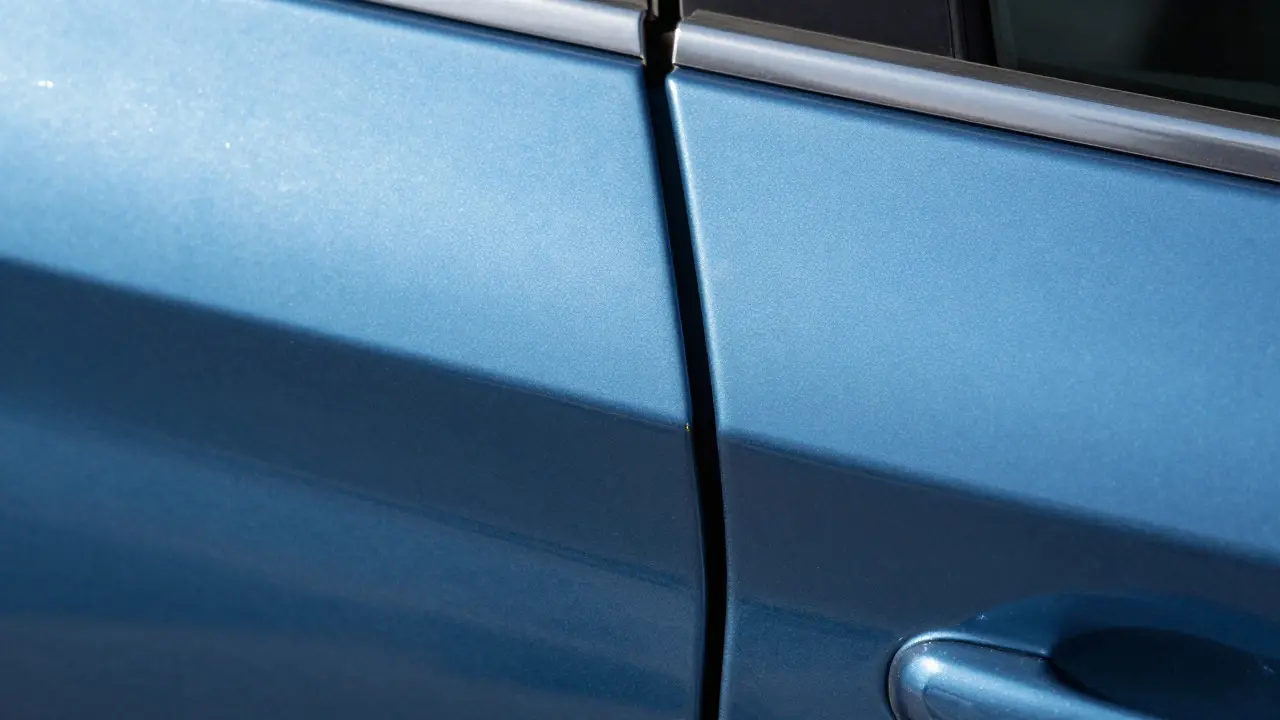
Panels tell stories too. Look at the door gaps. In a well-made car, the space between the door and the bumper is consistent all around. If one side is wider or narrower than the other, the car might have had its doors cut off and welded back incorrectly. Inspect the reflections on the metal. Smooth factory paint reflects light evenly. Respray jobs often leave ripples or orange peel textures that stand out against the sun.
Check the interior photos for mismatched stitching. Dashboard bolts sometimes strip during removal for airbag repairs. If you see scuff marks around screw holes where they shouldn't be, the panel was likely removed to access wiring behind it. Also, check the date on the upholstery. Some dealers install fresh carpets to mask flood damage or old cigarette burns, but the stitching thread color might look brand new compared to faded seats.
Physical Inspection Signs of Past Impact
You cannot rely solely on digital tools. Walking around the vehicle is essential. Start with the glass. Windshield replacements are expensive and suggest prior collisions. Look at the VIN etched onto the windscreen itself. If the digits are chipped or uneven, someone might have tried to tamper with the vehicle identity. Open every door and bonnet. Listen to the sound. Damaged hinges often groan differently than original ones.
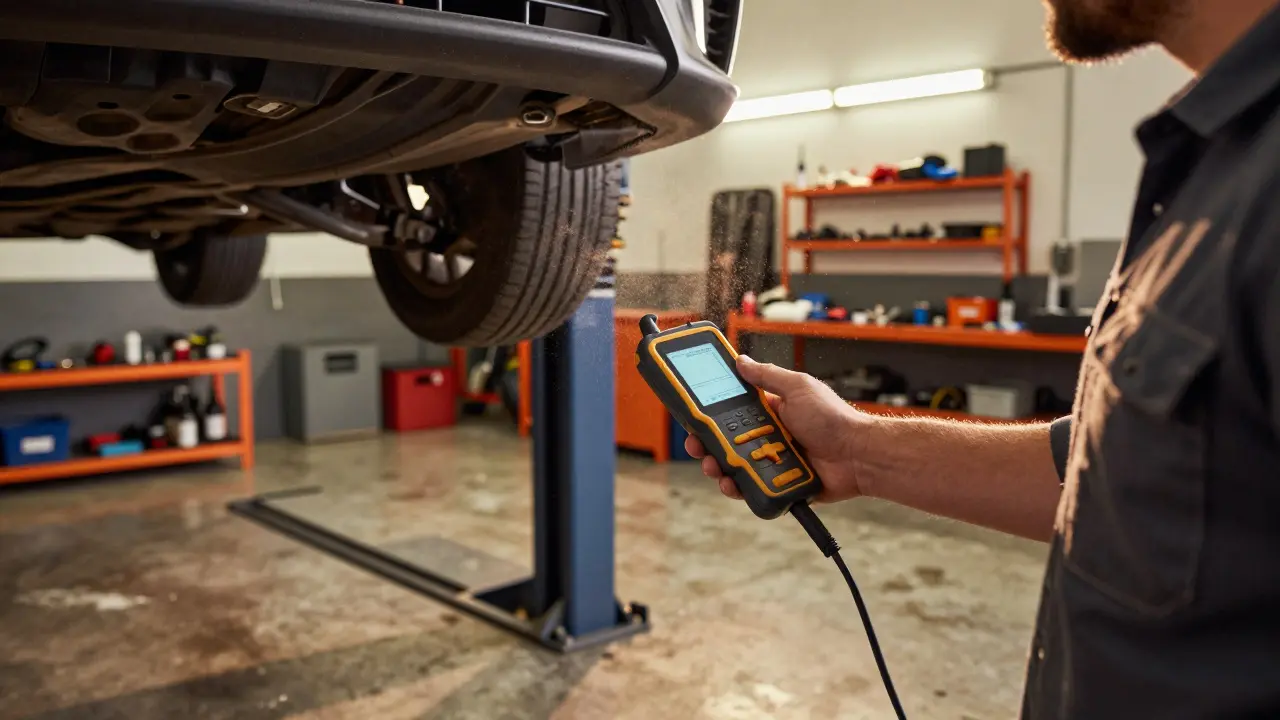
Paint Thickness Gauges are cheap tools that save huge sums of money. Run the device across the hood and doors. Factory paint sits at roughly 100 to 140 microns thick. Any spot reading over 200 microns indicates heavy body filler underneath. Mechanics love to smooth out dents with paste called Bondo before painting. While harmless on small scratches, excessive filler suggests major repair work. A spike in thickness near the door jambs is a massive red flag for rear-end collision repair.
Lift the bonnet and check the engine mounts. If the car sustained front-end damage, the engine might have shifted forward. Rusted bolts in areas that never touch water indicate heat or force exposure. Look inside the sills where the rocker panels sit. Clean rust here is normal, but fresh welding beads mean the chassis was replaced. The car frame absorbs energy in crashes, and if that area has been touched, the safety rating drops significantly.
Documents That Don't Lie
Papers provide context to the physical condition. Ask to see the service book. Regular maintenance intervals match up with accident repairs. If a mechanic booked a general oil change at 30,000 miles and then the next service is at 32,000 miles, a significant repair likely happened in between. Mechanics often note collision repairs in the log even if the dealer hides it.
The V5C logbook is crucial for ownership verification. Compare the registered keeper address with the seller's current location. Discrepancies here can signal stolen goods or money laundering through vehicle sales. Furthermore, examine the MOT certificate history online. You can view full test results going back years. Failed tests citing steering play or brake issues correlate often with previous minor accidents that were fixed privately without logging them.
Never skip a Pre-Purchase Inspection. Paying an independent garage to lift the car on a ramp costs a few hundred pounds but gives peace of mind. They check suspension bushings and subframes that you cannot easily access alone. A professional knows the torque specs for specific models and can tell if parts were bolted on with power tools rather than hand wrenches.
Common Deception Tactics Used by Sellers
Some sellers are honest, but others know how to game the system. One trick involves stripping the car and respraying it entirely to remove dent marks completely. This resets the mileage on the cosmetic age of the paint. To catch this, check the weather seals along the window frames. Original cars come with specific adhesive lines. Fresh glue smells distinctively chemical and appears thicker than factory application.
Sellers might swap parts from similar models to match trim colors. You could find door handles that are a year newer than the lock cylinders. Another subtle sign is mismatched seatbelts. Most manufacturers stamp the manufacture date on the webbing labels. If the driver side label says 2020 and the passenger side says 2023, someone replaced the entire restraint system following a rollover or frontal crash.
Flood damage gets tricky because it doesn't always leave obvious scars. Water stains under floor mats are easy to miss. Smell the fabric intensely. Mold spores give off a musty odor even after professional cleaning. Check the electrical components. Corrosion on connectors is a hallmark of water intrusion. If multiple fuses blow or electronics act glitchy, suspect water damage masked by a fresh wash.
When to Walk Away Immediately
Knowledge is power, and knowing when to quit protects your wallet. If the VIN is unreadable, walk away immediately. Police can impound the car right there on the street. If the seller pressures you to buy before running checks, that is a warning sign. Scammers hate delay because their lies crumble under scrutiny. Legitimate sellers have nothing to fear from a thirty-minute verification process.
Price is also a clue. If a car is priced significantly below market average, assume it has serious hidden faults. Deals that look too good often involve salvage titles or major repairs the owner forgot to mention. Structural integrity affects resale value and insurance premiums. A repaired frame car sells for less than a clean one. If the price gap is huge, expect to spend extra on maintenance soon.
Can I check accident history for free?
Most official databases require a paid subscription. Some sites offer limited free VIN lookups, but comprehensive data on write-offs and theft usually comes with a fee. Using multiple paid checks is worth the investment compared to buying a damaged vehicle.
What do Cat S and Cat N categories mean?
These refer to insurance write-off categories in the UK. Cat S means structural damage occurred, while Cat N means non-structural damage. Both can be rebuilt and sold, but they must be declared on the V5C logbook to remain legal.
How do I find the VIN number?
The VIN is usually located on the dashboard visible through the windshield on the driver's side. It is also stamped on the door sill, engine bay firewall, and printed on the V5C registration document.
Does a clean history guarantee no accidents?
Not always. Minor incidents might not be reported to insurers. Police might not log low-speed parking bumps. Always combine paper reports with a physical inspection to catch unrecorded damage.
Why are paint thickness readings important?
Factory paint has a standard thickness range. Readings significantly higher indicate body filler or primer layers used during repair work. This reveals where the car has been damaged and repainted extensively.
Comments
Nicholas Carpenter
You really need to look at the door jambs first because the gaps change when the frame bends. Most people skip checking the bolts directly near the sills where they rust. A factory bolt looks clean but a replacement might show tool marks from a wrench. Paint thickness tools cost less than a mechanic hour so buy one immediately. The reading should stay consistent across the entire panel surface without spikes. If you find a jump of fifty microns you know filler is underneath the clear coat. Mechanics sometimes forget to log minor bumps during routine service visits. Flood damage often hides in the crevices of the seats under the carpets. Smell the floor mats for a musty odor that cleaning products cannot remove completely. Sellers repaint cars frequently to hide scratches from rock chips or minor dents. Water intrusion corrodes the electrical connectors behind the dashboard quickly. Electrical issues manifest as flickering lights before any water stains appear. Never trust a single report because databases miss unreported police incidents. Cross referencing two services saves you money on future repairs. Always verify the VIN plate matches the engine block number exactly. These small details add up to safety and resale value later on.
March 29, 2026 at 12:34
Mark Brantner
good stuff but thier reports r outdated half the time dont trust them completly
March 30, 2026 at 13:46
Kate Tran
in britain we call them cat c or cat s now its changed from old categories histroy check matters though mate
April 1, 2026 at 06:00
amber hopman
The UK classifications differ significantly from American salvage titles regarding legal repair thresholds. Structural damage requires approval here whereas non-structural does not mandate such strict protocols. Buyers must understand the difference to avoid illegal vehicles on roads.
April 2, 2026 at 04:51
Deepak Sungra
The sheer tragedy of buying a lemon without proper verification is devastating for any budget conscious shopper. One moment you hold keys and the next you face a catastrophic mechanical failure from hidden trauma. Insurance companies declare write-offs too easily nowadays leaving owners stranded in uncertainty. We must demand better transparency from sellers who profit from obscure defects. A cracked frame affects safety ratings dramatically and lowers the entire market value. Ignoring these signs leads to regrettable financial loss and potential physical danger. Every dent tells a story of past impact that should not be ignored lightly.
April 3, 2026 at 18:43
Samar Omar
While your emotional outburst regarding lemons contains a kernel of truth it lacks the sophistication required for technical discourse. Subsequently one must consider that professional appraisers utilize calibrated instruments far superior to amateur observation methods. Furthermore the aforementioned insurance categories denote specific structural integrity failures rather than mere cosmetic blemishes. A truly discerning individual understands that chassis realignment involves complex engineering tolerances beyond basic visual inspection. Therefore purchasing a vehicle necessitates a comprehensive strategy involving forensic analysis of every component. Merely smelling carpets fails to capture the nuanced degradation occurring within submerged wiring harnesses.
April 5, 2026 at 08:13
chioma okwara
its important to note that your shouldnt use your own gauge without calibration checks first the readings can be wrog easily
April 5, 2026 at 15:57
John Fox
yeh calibration matters i guess but most shops dont bother calibrating their cheap tools anyway
April 5, 2026 at 22:42
Tasha Hernandez
Honesty is dead in this industry and buyers deserve to walk away from shady lots instantly. Some dealers smell desperation and prey on families needing reliable transport for work commutes. You see fresh glue lines and think it normal but it signals major panel replacement recently. Scammers love resetting odometers and claiming maintenance records exist when they actually never did happen. Don't let politeness prevent you from demanding full documentation before handing over cash. Trust is a luxury that used car markets simply do not afford to anyone anymore.
April 6, 2026 at 05:05
Anuj Kumar
they track your moves through the chip inside the car if you buy wrong history they know where you live
April 7, 2026 at 13:21
Jim Sonntag
check the VIN plate before paying anything
April 9, 2026 at 05:57