

Buying a used car can save you thousands, but it can also cost you thousands-if you skip the inspection. Too many people jump at a low price, only to find out later that the engine’s on its last legs or the frame’s been bent in an accident. You don’t need to be a mechanic to spot red flags. With a few simple steps and a sharp eye, you can avoid costly mistakes and walk away with a car that actually works.
Start with the paperwork
Before you even look under the hood, check the documents. A clean title is non-negotiable. If the title says "salvage," "rebuilt," or "flood," walk away unless you’re prepared for long-term repairs. Ask for the service history. Most sellers keep records-even if it’s just a shoebox full of receipts. Look for consistent oil changes, brake replacements, and timing belt services. Missing records aren’t always a deal-breaker, but they’re a warning sign.
Run the VIN through a free service like the UK government’s vehicle enquiry tool. It will tell you if the car was reported stolen, written off, or has outstanding finance. If the seller says "it’s all paid off," ask for proof. A car with unpaid finance can be repossessed after you buy it-even if you paid in full.
Walk around the car-outside first
Look at the paint under daylight. Uneven colour, overspray, or mismatched panels mean repairs were done, possibly after an accident. Run your hand along the doors, fenders, and hood. If you feel ridges or gaps that don’t line up, the body might’ve been bent and poorly fixed. Check the gaps between panels. They should be even. A gap that’s wider on one side than the other? That’s a sign of frame damage.
Look at the tyres. Are they worn evenly? Uneven wear-like one side bald and the other still good-means the suspension or alignment is off. Check the tread depth with a 20p coin. If you can see the outer rim of the coin when you stick it in the groove, the tyres are legally worn out. Replace them before you drive far.
Open the trunk and check the spare tyre. If it’s missing, flat, or covered in dust, the seller might’ve been using it as a regular tyre. Also, look for rust under the spare well. Rust there often means water leaks or poor drainage, which can lead to bigger problems.
Open the hood and check the engine
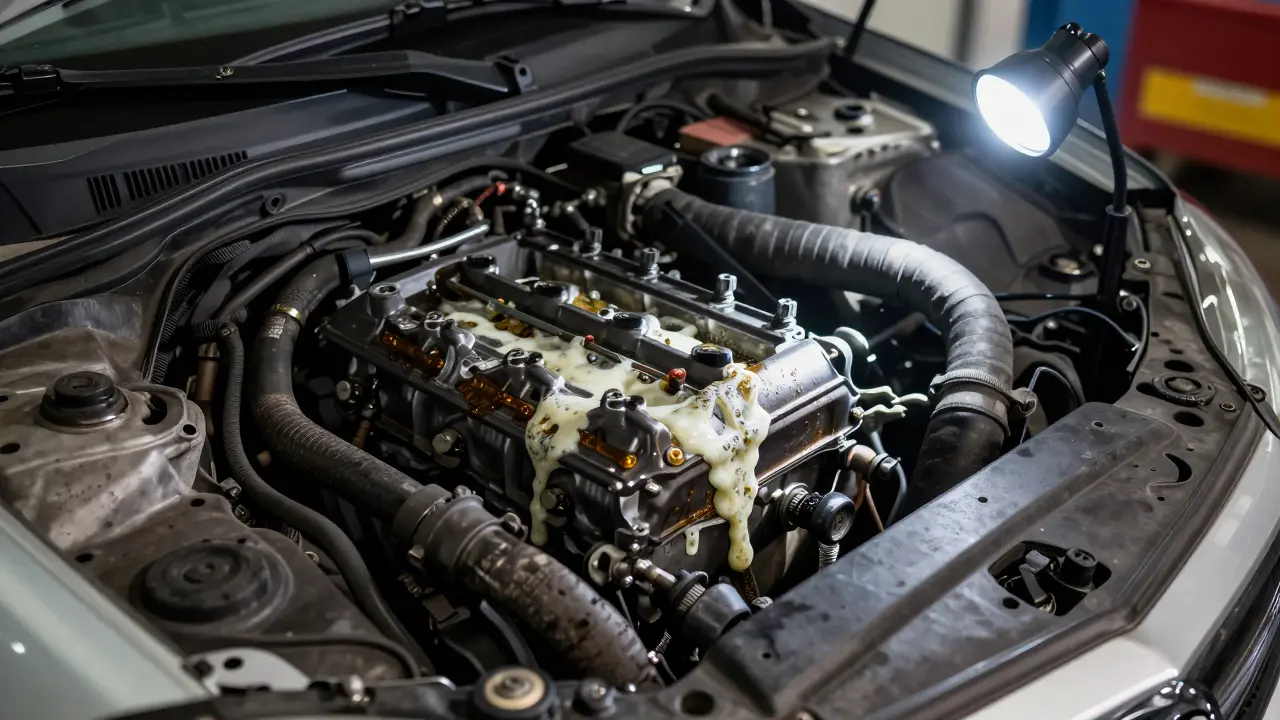
Don’t just glance at the engine. Look for leaks. Oil stains under the engine or on the dipstick? That’s bad. Milky, frothy oil means coolant is mixing with oil-usually a blown head gasket. That repair can cost £2,000 or more.
Check the battery terminals. If they’re covered in white, crusty buildup, it’s a sign of poor maintenance. Look at the hoses. Are they cracked, swollen, or brittle? Replace them now, or they’ll burst on the motorway.
Start the engine cold. Listen. A healthy engine starts quickly and idles smoothly. If it takes more than two or three seconds to turn over, the starter or battery is weak. If it rattles, knocks, or hisses, there’s trouble. A ticking noise might be fine (valve noise), but a loud clunk or ping means internal damage.
Check the interior
Seats, carpets, and dashboard tell you how the car was treated. Look for excessive wear on the driver’s side bolster-that’s normal. But if the entire seat is torn, stained, or smells like mildew, someone smoked in it or flooded it. Mold smells linger. If you smell it, walk away.
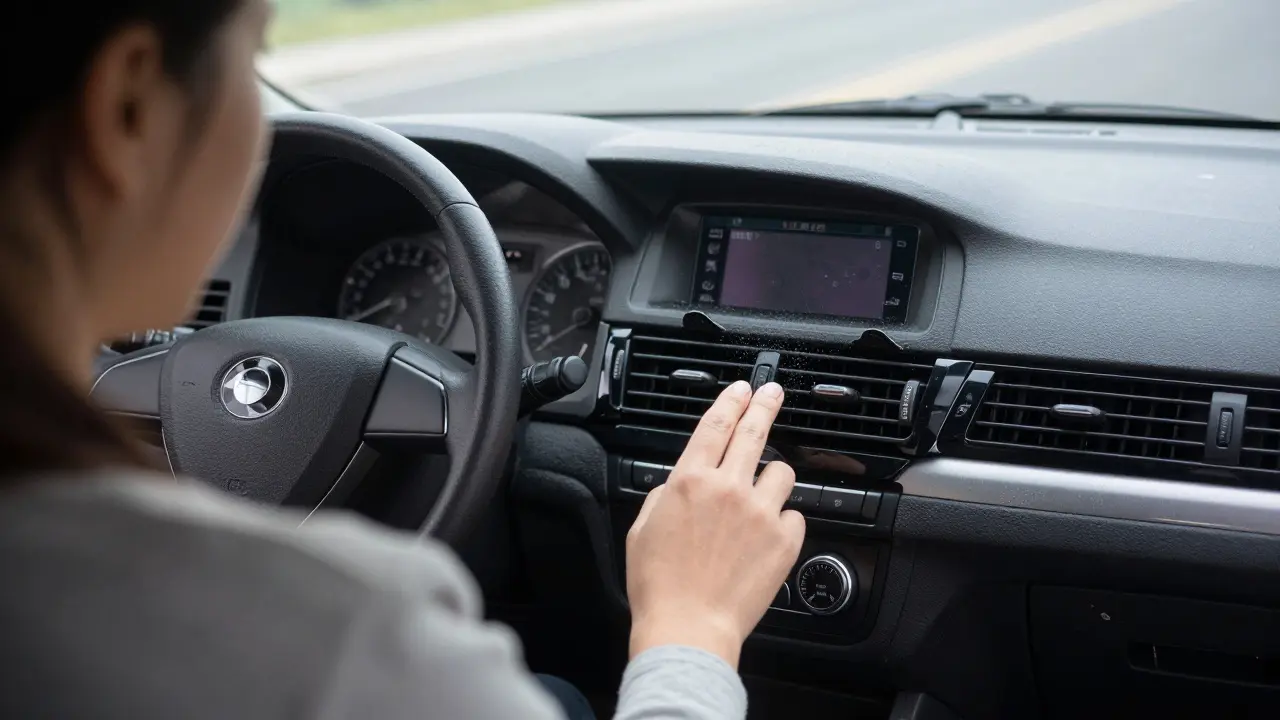
Test all the electronics. Climate controls, power windows, infotainment, lights, and sensors. A non-working airbag light? That’s not just a warning-it’s a legal hazard. A faulty odometer? That’s fraud. If the digital display flickers or shows error codes, it could mean wiring issues or a flooded car.
Check the air vents. If they smell like wet dog or mildew, the evaporator core might be rotting. Replacing it costs £600+. Also, open the glovebox and check for dampness. Water stains underneath mean the cabin filter or drainage tubes are blocked.
Take it for a test drive
Drive it on different surfaces: quiet roads, bumpy lanes, and a stretch of highway. Listen. Do the brakes squeal? Do they pull to one side? That’s uneven wear or sticking calipers. Does the steering feel loose or wander? That’s worn suspension parts or alignment issues.
Shift through the gears. If the automatic hesitates, slams, or shudders, the transmission is failing. Manual gearboxes should click in smoothly. If you need to force it into gear, especially first or reverse, you’re looking at a clutch or synchro problem.
Brake hard at 30 mph. The car should stop in a straight line. If it veers left or right, the brake pads, rotors, or suspension components are unevenly worn. Also, feel the pedal. If it goes too far to the floor, the brake fluid might be contaminated or the system has air in it.
Get a professional inspection
Even if everything looks good, spend £100-£150 on a pre-purchase inspection. Mechanics who specialise in used cars can spot things you can’t. They’ll lift the car, check the suspension, frame, exhaust, and undercarriage for rust. They’ll scan the computer for hidden fault codes. They’ll test the AC, power steering, and emissions.
In the UK, the RAC, AA, and independent garages offer this service. Don’t use the seller’s mechanic. Go to one you trust. If the seller refuses, that’s a red flag. If they say "it’s been serviced recently," ask for the receipt-and call the garage to confirm.
What to do if you find problems
Not every flaw means walk away. A worn clutch on a 10-year-old car? Fine. A cracked cylinder head? No. Use the inspection report to negotiate. Ask for a price drop, or ask them to fix it before you buy. If they say "no," calculate the repair cost. If it’s more than 10% of the asking price, reconsider.
Also, check the MOT history online. If the car failed an MOT for brake pads, suspension, or steering, and the seller didn’t fix it, that’s a major red flag. Some sellers just retest after a quick fix-without actually repairing the problem.
Final checklist before signing
- Valid MOT certificate (at least 12 months left)
- Service history with clear records
- No outstanding finance (confirmed via DVLA)
- No salvage or flood title
- Even tyre wear, no visible rust on frame
- Engine starts smoothly, no strange noises
- Brakes stop straight, no squealing
- All electronics work
- No damp smell, no mold, no smoke residue
- Professional inspection completed
If all these boxes are checked, you’re looking at a solid buy. If even one is unchecked, ask why. Don’t rush. A good used car waits for the right buyer.
Comments
Amanda Ablan
I used to skip the VIN check until I bought a car that turned out to have unpaid finance. Got a call from the bank two weeks later. Never again. Always run it. Free tools exist for a reason.
March 15, 2026 at 03:08
Yashwanth Gouravajjula
In India, used cars often come with hidden mechanical issues. Always check the engine oil color. Milky oil = blown head gasket. No exceptions.
March 15, 2026 at 20:02
Kevin Hagerty
Why do people even buy used cars anymore? Just lease. Or better yet, walk. Or ride a bike. Or become a monk. Save yourself the headache.
March 17, 2026 at 06:00
Janiss McCamish
Test drive on hills. If the car rolls backward when you take your foot off the brake, the transmission is dying. Don't let them trick you with a 'smooth idle'.
March 17, 2026 at 15:10
Kendall Storey
Bro, the tire test with the 20p coin? That's UK-specific. In the US, use a penny. Lincoln's head. If you can see all of it, you're bald. Also, check the spare. If it's a donut, you're already one flat away from being stranded.
March 19, 2026 at 06:28
Dylan Rodriquez
There's something deeply human about buying a used car. It's not just a transaction-it's a gamble with someone else's history. Every dent, every smell, every odd noise tells a story. Sometimes, the car that's been loved-and battered-is the one that'll carry you the farthest. Not because it's perfect, but because it's real.
March 20, 2026 at 14:30
Meredith Howard
The importance of verifying service history cannot be overstated as it provides a reliable indicator of the vehicle's maintenance regimen and potential for future mechanical failure
March 22, 2026 at 06:45
Richard H
If you're not checking the frame for rust, you're just throwing money away. American cars don't rust like Europeans, but if you're in the rust belt? You're buying a time bomb. Don't be a sucker.
March 24, 2026 at 01:38
Ashton Strong
I always appreciate when someone takes the time to lay out a clear, thoughtful guide like this. It's easy to get overwhelmed by the process, but breaking it down into stages-paperwork, exterior, engine, interior, drive, professional check-makes it manageable. Thank you for this.
March 26, 2026 at 00:16
Pamela Tanner
I noticed the post mentions '20p coin' for tread depth. This is accurate for the UK, but for U.S. readers, the correct tool is a U.S. penny. Insert it upside down; if the top of Lincoln's head is visible, replace the tire. Precision matters.
March 27, 2026 at 01:57
Kristina Kalolo
I once bought a car that passed all these checks. Two weeks later, the transmission failed. Turns out the seller had just replaced the fluid and reset the codes. No one checks the computer scan. Always get one.
March 28, 2026 at 05:46
ravi kumar
In my country, used car sellers often hide flood damage by pressure-washing the interior. Smell the carpets deeply. If it smells like wet soil or mildew, even faintly, walk away. No exceptions.
March 29, 2026 at 01:10
Steven Hanton
The final checklist is excellent. I would add one more: verify that the VIN on the dashboard matches the VIN on the title and the paperwork. I’ve seen cases where the engine was swapped, or the car was rebuilt from parts. A mismatch here is a silent red flag.
March 29, 2026 at 14:14