
Главные способы сэкономить (Key Takeaways)
- Bundle policies: Combining auto and home insurance usually yields the biggest percentage discount.
- Adjust deductibles: Increasing your out-of-pocket cost for claims lowers your monthly premium.
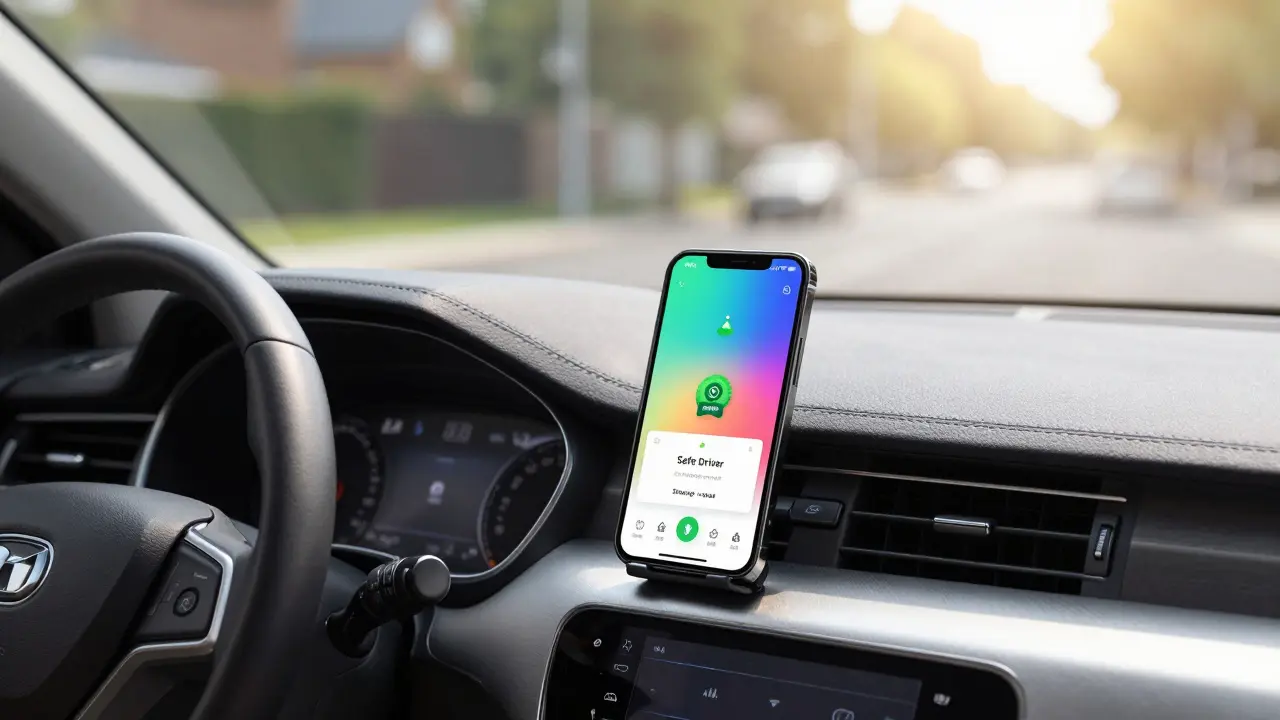
- Leverage behavior: Telematics and safe-driver programs reward you for actual driving habits.
- Optimize coverage: Drop protection for old cars that are worth less than the deductible.
- Shop around: Switching providers every two years prevents "loyalty pricing" from inflating your rate.
The Math Behind Your Premium
To lower your costs, you first need to understand what you're actually paying for. Car Insurance is a legal contract where an insurer provides financial protection against physical damage or bodily injury resulting from an automobile accident. The price you pay is called the premium. Insurers calculate this based on your risk profile, which includes your age, location, driving history, and the type of vehicle you drive.
When an insurer looks at your profile, they aren't just looking at your license. They look at Actuarial Data, which are statistical tables that predict how likely you are to file a claim. If you fit into a high-risk bucket-like a 19-year-old with a sports car in a city-your premiums skyrocket. However, you can change the data points you provide to the insurer to shift yourself into a lower-risk category.
Smart Adjustments to Your Policy
The fastest way to see a drop in your monthly bill is to tweak your policy settings. One of the most effective moves is increasing your Deductible, which is the amount of money you agree to pay out-of-pocket before the insurance company covers the rest of a claim. If your current deductible is $250, you're paying a premium for the insurer to take on almost all the risk. By raising that to $500 or $1,000, you're taking more risk onto yourself, and the company rewards you with a lower monthly rate.
But don't just raise the deductible blindly. If you don't have $1,000 sitting in a savings account, a high deductible can be a disaster when you actually have an accident. A good rule of thumb is to set your deductible at an amount you can pay comfortably within one week without touching your emergency fund.
Another strategy is auditing your coverage types. Many people pay for Collision Coverage (which pays for damage to your car) and Comprehensive Coverage (which covers non-accident damage like theft or hail) on cars that are too old to justify the cost. If your 2008 sedan is only worth $3,000 and your annual premium for full coverage is $1,200, you're essentially paying the car's value every few years. In this case, switching to liability-only is a smart financial move.
Hunting for Hidden Discounts
Insurance companies have lists of discounts that they don't always volunteer. You often have to ask for them specifically. The most common is the Multi-policy Discount, often called bundling. When you put your car and renters or homeowners insurance with one company, they give you a break because you're more likely to stay a customer long-term.
| Discount Type | Requirement | Estimated Saving |
|---|---|---|
| Safe Driver | Clean record for 3-5 years | 5% - 15% |
| Good Student | GPA of 3.0 or higher | 10% - 25% |
| Anti-Theft Device | Installed alarm or tracker | 2% - 5% |
| Low Mileage | Driving under 7,500 miles/year | 5% - 10% |
| Professional/Alumni | Membership in specific groups | 2% - 8% |
If you have kids in school, don't overlook the good student discount. It's one of the most generous reductions available, sometimes slashing a teen's premium by a quarter. Additionally, check for "affinity groups." Some insurers offer lower rates for teachers, military veterans, or employees of certain large corporations. These are based on the statistical finding that these groups tend to be more stable and lower-risk drivers.

Using Technology to Lower Rates
The industry is shifting toward Telematics, which is a method of monitoring driving behavior via GPS and onboard diagnostics to determine insurance premiums. Programs like Progressive's Snapshot or State Farm's Drive Safe and Save use an app or a plug-in device to track your hard braking, speed, and the time of day you drive.
If you are a cautious driver who avoids midnight cruises and sudden stops, this is a goldmine. You can see immediate drops in your lower car insurance premiums simply by proving you don't drive like a stunt driver. However, be warned: if you have a lead foot or frequent "near-misses," telematics can actually cause your rates to go up. Only opt-in if you're confident in your habits.
The Strategy of Shopping and Timing
One of the biggest mistakes drivers make is staying with the same company for a decade. While it feels like loyalty should be rewarded, insurance companies often engage in "price optimization." This means they raise rates on long-term customers because they know those customers are less likely to shop around. This is why you should compare quotes at least every 24 months.
When shopping, don't just look at the bottom line. Compare the Liability Limits. A quote that looks cheap might only provide the state-minimum coverage. If you cause a major accident, state minimums will leave you paying thousands out of your own pocket. Aim for a balance where you have a low premium but enough coverage to protect your assets.
Timing also matters. If you can, pay your premium in full for six months or a year. Most companies charge a "convenience fee" or a higher interest rate for monthly payments. Paying upfront can save you 5% to 10% immediately, as it eliminates the administrative cost of monthly billing and the risk of a missed payment for the insurer.

Improving Your Profile Over Time
Beyond policy tweaks and discounts, you can fundamentally change how insurers see you. Your Credit Score has a surprising impact on your insurance rate in many regions. Statistical data shows a strong correlation between financial responsibility and driving safety. Improving your credit score can actually lead to a lower insurance tier, which means lower premiums.
Another move is taking a Defensive Driving Course. Many insurers offer a discount if you complete a certified course, as it proves you've taken active steps to reduce your risk of an accident. For older drivers, these courses can sometimes provide mandatory discounts required by state law.
Does a credit score really affect my car insurance?
Yes, in most U.S. states and some other regions, insurers use a credit-based insurance score. They've found that people with higher credit scores tend to file fewer claims. Improving your credit by paying down debt or correcting errors on your report can lead to a lower premium during your next renewal.
Will raising my deductible increase my risk too much?
It depends on your liquidity. If you raise your deductible to $1,000 and you don't have that money in a liquid account, you might find yourself unable to get your car repaired after an accident. Only raise the deductible to a level you can afford to pay immediately without taking on debt.
Is it better to pay monthly or annually?
Paying annually is almost always cheaper. Most insurance companies charge an installment fee for monthly billing. By paying the full six-month or one-year premium upfront, you avoid these fees and often qualify for an additional "paid-in-full" discount.
How often should I shop for new insurance?
Every two years is a good benchmark. Insurance companies frequently update their pricing models and risk appetites. A company that was the cheapest two years ago might now be the most expensive for your specific demographic. Shopping around prevents "loyalty inflation."
Can I get a discount for having a safe car?
Yes. Vehicles with high safety ratings from organizations like the IIHS or NCAP often cost less to insure. Features like automatic emergency braking, lane-departure warnings, and advanced airbag systems reduce the likelihood of a severe claim, which lowers your premium.
Next Steps for Maximum Savings
If you're looking to take action today, start by gathering your current policy declarations page. Note your exact coverage limits and deductibles. Next, call your current agent and ask specifically for a list of all available discounts-don't assume they've already applied them. If you've improved your credit or graduated from school recently, tell them now.
If your current provider can't move the needle, spend one hour using a comparison tool to get three competing quotes. Provide the exact same coverage levels to each to ensure you're comparing apples to apples. Finally, evaluate if you can afford to shift your deductible higher to lock in a lower monthly rate.
Comments
Sandeepan Gupta
The advice on avoiding loyalty pricing is spot on. Most people don't realize that insurance companies actually penalize you for staying too long. It's always better to treat your insurance like a job search and look for a better offer every couple of years to keep the rates competitive.
April 6, 2026 at 12:14
Madhuri Pujari
Oh wow!!! Truly groundbreaking stuff here!!! I'm sure nobody ever thought of... wait for it... SHOPPING AROUND!!! Absolutely genius!!! Maybe you could explain how a bank account works next??? Since we're clearly dealing with revolutionary financial secrets here!!!
April 7, 2026 at 01:35
Tarun nahata
This is a total game-changer for anyone feeling squeezed by their bills! Just imagine the sheer joy of slashing those premiums and putting that extra cash into something dazzling! Let's get out there and conquer those insurance giants with some serious savvy!
April 7, 2026 at 11:46
Rohit Sen
Actually, telematics is a nightmare for privacy. I'd rather pay a premium than let a corporation track my every move. Privacy is the ultimate luxury.
April 8, 2026 at 10:49
anoushka singh
I tried the bundling thing and it was such a chore to set up. Like, do we really need to spend three hours on the phone for a 5% discount? It feels like too much work for such a small reward, but I guess it's okay if you have the patience.
April 9, 2026 at 12:22
Vimal Kumar
I agree with the point about the deductible. It's a great way to save if you've got a bit of a cushion. Just make sure you're not leaving yourself completely exposed if something big happens. It's all about that balance between monthly savings and emergency readiness.
April 11, 2026 at 08:55
Amit Umarani
The section on telematics is a bit wordy. Also, the formatting in the table is clunky. It's a decent list of tips, but the delivery is lacking a certain polish. Just some thoughts.
April 11, 2026 at 14:58
Noel Dhiraj
Just jump on those defensive driving courses people they really help you get those rates down and you actually learn some cool stuff while doing it just go for it
April 12, 2026 at 21:44