
Walking into a dealership in Bristol or anywhere else in the UK, you hand over the keys and wait for that number. It’s often lower than you hoped. Why? Because dealers see thousands of cars, and they price based on the lowest common denominator unless you prove otherwise. The gap between what a dealer offers and what your car is actually worth isn’t just about market trends; it’s largely about presentation and documented history. You can recover hundreds, sometimes even thousands of pounds, by treating the trade-in process not as a disposal but as a sale.
Most people think washing the car is enough. It’s not. A clean car is nice, but a well-prepared vehicle signals reliability. When a dealer sees a car that has been cared for, they assume the engine, transmission, and electrical systems have also been maintained. This psychological shift, backed by physical evidence, allows them to sell the car faster at a higher margin, which means they can afford to pay you more upfront.
The Psychology of First Impressions in Vehicle Valuation
Dealership appraisal desks are busy. An appraiser might spend only five minutes inspecting your car before making an initial offer. In those five minutes, they are looking for reasons to deduct money. A dirty dashboard suggests neglect. Stains on the seats imply hidden damage or pet issues. Missing trim pieces indicate poor handling. Every negative visual cue becomes a line item on their deduction sheet.
Conversely, a pristine interior forces the appraiser to look deeper for mechanical issues. If the exterior is spotless, they check the paint thickness more carefully. If the engine bay is clean, they look for leaks. By removing the obvious negatives, you force the evaluation to focus on the car’s inherent value rather than its cosmetic flaws. This is the core strategy: reduce the friction in the sales process for the dealer, and they will reward you with a better price.
Consider the difference between a car that looks like it was driven hard and one that looks like it was cherished. The former gets priced for quick turnover, often sold through wholesale auctions. The latter gets priced for retail inventory, where the margins are higher. Your goal is to move your car from the wholesale pile to the retail floor.
Deep Cleaning: Beyond the Surface Wash
A standard car wash removes road grime, but it doesn’t reset the car’s perceived condition. To maximize trade-in value, you need a deep clean that addresses areas buyers notice immediately.
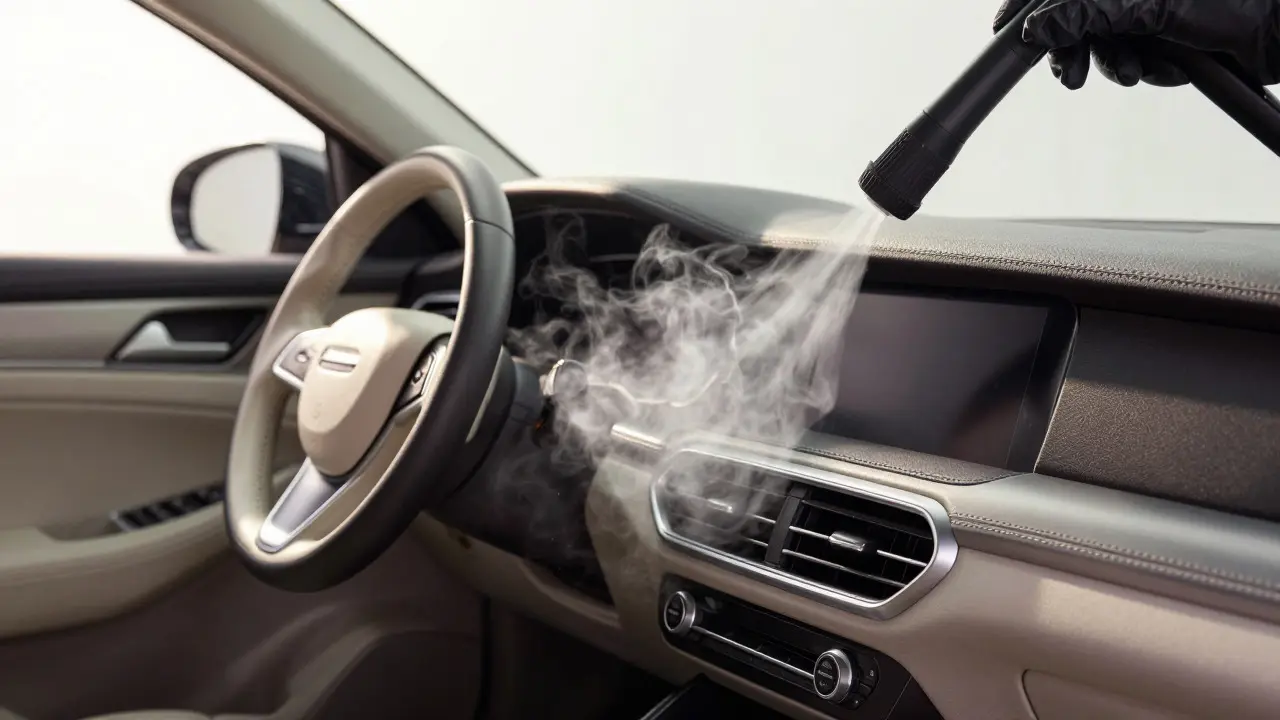
- Interior Steam Cleaning: Use a steam cleaner on the dashboard, vents, and seat crevices. Dust accumulates in these spots and makes the cabin feel old. Steam sanitizes without harsh chemicals, leaving a fresh smell that masks any residual odors.
- Carpet Shampooing: Don’t just vacuum. Rent a carpet extractor or use a foaming shampoo for the footwells. Stains on carpets are the number one reason dealers downgrade a car’s interior grade. If you have pets, this step is non-negotiable.
- Leather Conditioning: If your car has leather seats, apply a high-quality conditioner. Cracked leather looks expensive to fix. Conditioned leather looks protected and ready for the next owner. It’s a cheap fix that adds significant perceived value.
- Wheel and Tire Detailing: Clean the wheels thoroughly, including the behind-the-spoke area. Dress the tires with a matte finish product. Shiny, black tires make the whole car look newer. Avoid glossy tire shine, which can look cheap and slippery.
Pay attention to the exterior glass. Remove any bug splatters or tar spots from the windshield and windows. Clear visibility is a safety feature, and a clean windshield reflects well off the hood, enhancing the car’s overall appearance.
Mechanical Maintenance: Small Fixes, Big Returns
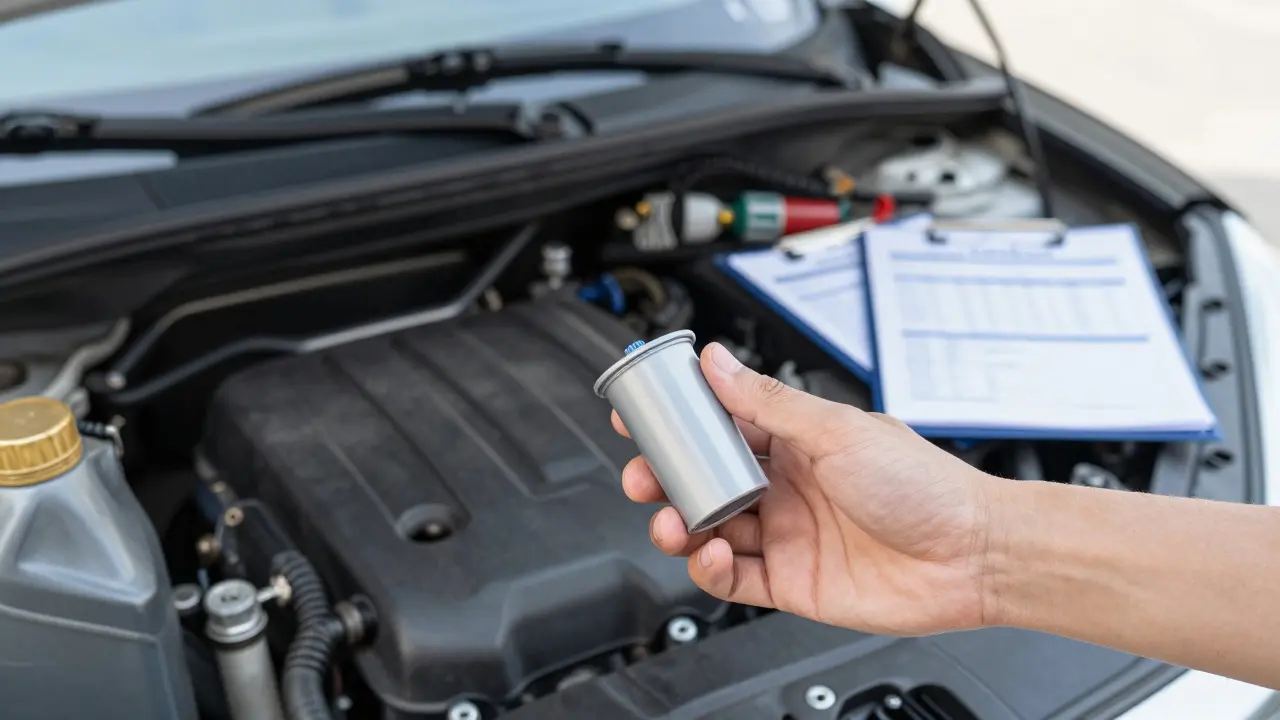
Cosmetics get you in the door; mechanics keep the offer high. Dealers will deduct money for any maintenance due within the next 6,000 miles (approx. 10,000 km). If you do these jobs yourself or at an independent garage, you save the dealer the labor cost, which translates directly into a higher trade-in offer.
| Task | Estimated Cost (DIY) | Dealer Deduction Risk | Impact on Value |
|---|---|---|---|
| Oil Change | £30 - £50 | High | Prevents immediate "service due" flag |
| Tire Rotation/Balancing | £40 - £60 | Medium | Extends remaining tire life perception |
| Replace Wiper Blades | £15 - £25 | Low | Minor cosmetic improvement |
| Fix Warning Lights | Varies (£50+) | Critical | Can drop value by hundreds if unresolved |
| Top Off Fluids | £10 - £20 | Medium | Shows care and attention to detail |
If your car has a warning light on, fix it before you go. A Check Engine light is a red flag that suggests major internal problems. Even if it’s just a loose gas cap, having the light off removes doubt. For minor issues like burnt-out bulbs, replace them. It costs pennies but shows the car is fully functional.
Check your tire tread depth. If you’re close to the legal limit of 1.6mm in the UK, consider replacing them if the cost is less than the potential deduction. New tires are a strong selling point because they represent immediate savings for the buyer.
Documentation: The Power of Paperwork
In the UK, the V5C registration document (logbook) is essential. Ensure the details are correct and up-to-date. But beyond the logbook, gather all service records. A stamped book from a main dealer is gold. Independent garage receipts are silver. No records are bronze.
Create a single folder with: Service History is a chronological record of all maintenance and repairs performed on the vehicle. This includes oil changes, brake replacements, and major servicing. Organize these documents by date, newest first. Highlight any major work done, such as timing belt replacement or clutch repair.
If you’ve had specific parts replaced recently, include the invoices. For example, if you changed the brakes last month, show the receipt. This proves the new owner won’t face immediate expenses. It shifts the narrative from "this car needs work" to "this car is ready to drive."
Don’t forget the MOT certificate. If your MOT expires in less than six months, consider getting a new one. A fresh MOT gives the dealer confidence to advertise the car as "MOT until [Date]," which attracts more buyers and reduces their risk.
Addressing Minor Damage: Repair vs. Disclose
Not every scratch needs a professional paint job. In fact, a mismatched panel can lower value more than the original chip. Assess the damage objectively.
- Small Stone Chips: Use a touch-up pen matched to your car’s color code (found on the driver’s side door jamb). These chips prevent rust and look much better when filled. They don’t add value, but they stop value leakage.
- Dents: For small dents without paint damage, consider Paintless Dent Repair (PDR). It’s cheaper than body shop work and preserves the original factory paint. Factory paint is always more valuable than repaint.
- Scratches: If the clear coat is intact, a compound and polish can remove light scratches. If the paint is broken, touch-up paint is sufficient. Don’t sand and repaint panels unless the damage is severe.
Be honest about major accidents. If you have a written-off status (Category S or N), disclose it. Hiding it leads to deal collapse later. But for minor cosmetic imperfections, fixing them yourself is usually more profitable than letting the dealer deduct for them.

Negotiation Tactics: Timing and Competition
Preparation sets the stage, but negotiation seals the deal. Never accept the first offer. Dealers expect you to negotiate. Know your car’s value using online valuation tools like CAP HPI or Auto Trader’s pricing guide. Get three different valuations to establish a realistic range.
Timing matters. End of month, quarter, and year are critical periods for dealers trying to meet sales targets. Visiting then can give you leverage. Also, try to visit multiple dealerships. Bring your prepared car and paperwork to two or three places. If Dealer A offers £10,000, tell Dealer B, "I have an offer of £10,000 elsewhere. Can you beat it?" Competition drives prices up.
Consider selling privately if the trade-in premium isn’t worth the hassle. While trading in is convenient, private sales often yield 10-20% more. However, this requires time, advertising, and dealing with viewings. If convenience is your priority, stick with the trade-in but use your prep to justify a higher offer.
Common Mistakes That Lower Trade-In Offers
Avoid these pitfalls that instantly devalue your vehicle:
- Leaving Personal Items: Remove all personal belongings. A cluttered car feels lived-in and messy. Leave only the essentials: spare key, manuals, and tools.
- Ignoring Odors: Cigarette smoke, food smells, or dampness are deal-breakers. Use an ozone generator or professional detailing to eliminate odors. Air fresheners mask problems; they don’t solve them.
- Over-customizing: Aftermarket modifications like loud exhausts, lowered suspensions, or bright wraps often decrease value. Most buyers want stock configurations. Consider reversing major mods if possible, or be prepared to accept a lower offer.
- Waiting Until the Last Minute: Rushed cleaning and repairs lead to mistakes. Start your prep process at least two weeks before your planned trade-in date.
By addressing these areas, you transform your car from a used asset into a desirable product. The effort you put into preparation is an investment with a direct return on your bank account.
Should I get a professional detail before trading in my car?
Professional detailing costs between £100 and £300 depending on the size and condition of the vehicle. If your car is heavily soiled, it may be worth it. However, for most vehicles, a thorough DIY deep clean using a pressure washer, interior shampoo, and clay bar treatment achieves 90% of the results for a fraction of the cost. Only hire a pro if you lack the time or equipment.
Does changing the oil right before trade-in help?
Yes, absolutely. Fresh oil indicates recent maintenance. Dealers check oil levels and condition during inspection. Dirty oil suggests neglect. Changing it yourself costs around £30-£50 and prevents the dealer from adding a "service due" deduction to your invoice.
Is it better to trade in at the end of the month?
Often, yes. Sales managers have monthly targets. If they are short on units, they may approve higher trade-in values to secure a sale. Visiting in the last week of the month can provide leverage, especially if you combine it with competing offers from other dealerships.
What should I do if my car has a Category N write-off status?
Be transparent. Category N means non-repairable structural damage but repaired. Disclosure is mandatory. While it lowers value, hiding it voids the sale. Focus on proving the quality of repairs with invoices and photos. A well-documented repair history mitigates some of the stigma.
How much does a full service history increase trade-in value?
A complete main dealer service history can increase trade-in value by 5-10%. It provides proof of regular maintenance, reducing the dealer's risk. Without records, dealers assume the worst and price accordingly. Gather all receipts and stamps to build this narrative.