

Walking into a car dealership can feel like stepping into a lion’s den. You see the shiny paint, smell the new-car scent, and your heart races. But behind that smile on the salesperson’s face is a commission structure designed to keep their profit high and yours low. Most people leave paying hundreds, sometimes thousands, more than they needed to. The good news? You don’t need to be a shark or a lawyer to win. You just need a plan.
Know Your Number Before You Walk In
The biggest mistake buyers make is falling in love with the car before knowing what it’s worth. Emotion kills leverage. If you’re emotionally attached, you’ll pay extra for features you don’t need. Start by researching the invoice price (the amount the dealer paid the manufacturer). While dealers won’t always show you this, tools like Edmunds or Kelley Blue Book give you a realistic range. In the UK, check sites like AutoTrader or Parkers for current market averages.
Don’t just look at the sticker price. Look at the out-the-door price (OTD). This includes the vehicle cost, taxes, registration fees, and dealer prep charges. Some dealers hide profit in these add-ons. A $30,000 car might become a $32,500 liability once you factor in a $1,200 "documentation fee" that costs them $50 to process. Always negotiate the OTD price, not just the monthly payment.
Timing Is Everything
Did you know that when you buy can save you money? Dealers have quotas. They often miss their monthly targets and need to hit them to get bonuses from the manufacturer. Buying at the end of the month, especially the last weekend, gives you an edge. The sales manager is sweating. They’d rather take a smaller margin on one car now than wait until next month hoping for a better deal.
Seasonality matters too. Convertibles are cheap in winter; SUVs drop in price as spring approaches. New model years usually arrive in late summer or early fall. When the 2027 models hit the lot, the 2026 models become obsolete inventory. Dealers hate holding old stock because it ties up cash. Ask about clearance events or end-of-year sales. If you’re flexible, you can snag a nearly-new car for significantly less than its original MSRP.
Separate the Purchase from the Financing
Here is a classic trap: The finance office. You agree on a great price for the car. Then you sit down to discuss loans. Suddenly, the monthly payment goes up because they added extended warranties, gap insurance, and paint protection packages. Or worse, they offer you a lower interest rate but raise the car price to compensate.
Get pre-approved for a loan from your bank or credit union before you visit the dealer. This gives you a baseline interest rate. If the dealer offers a better rate, great. If not, you stick with your bank. Never let the dealer dictate the terms first. Say this: "I’ve already arranged my financing. Let’s focus on the price of the vehicle." This separates the two negotiations. It stops them from playing shell games with the numbers.

The Power of the Email Quote
You don’t have to stand in the showroom to negotiate. In fact, you shouldn’t. Use email. Contact three to five local dealerships with the same specific request. Include the VIN if possible, or the exact trim level and options you want. Ask for their best out-the-door price. Keep it brief. Don’t say "I’m interested." Say "I am ready to buy today if the price is right."
When you receive quotes, forward the lowest one to the other dealers. Add a line: "Dealer X offered me $X. Can you beat this?" Often, they will. This creates competition without you having to drive across town. It also removes the pressure tactics used in person. You have time to think. You can walk away easily. Remember, silence is powerful. If they send a counter-offer that’s still too high, wait a day before replying. Let them sweat a little.
| Strategy | Best For | Risk Level | Potential Savings |
|---|---|---|---|
| Email Bidding | Busy professionals, introverts | Low | Medium-High |
| End-of-Month Visit | Urgent buyers | Medium | High |
| Cash Offer | Those with liquid funds | Low | Medium |
| Trade-In Focus | Owners of depreciating assets | High | Variable |
Handle Trade-Ins Like a Pro
If you’re trading in your current car, keep it separate. Get an independent appraisal from CarMax, WeBuyAnyCar, or a local mechanic. Know exactly what your car is worth. When you go to the dealer, do not mention the trade-in until after you’ve locked in the purchase price of the new car. Why? Because dealers often play a game where they inflate the trade-in value but raise the price of the new car. The net result? You gain nothing.
Once the new car price is agreed upon, present your trade-in. If their offer is lower than your outside quote, ask them to match it. If they refuse, sell your car separately. It takes more effort, but you might pocket an extra $500-$1,000. Do not let them bundle everything together. Complexity hides profit margins.
Watch Out for Hidden Fees and Add-Ons
Dealers love accessories. They call them "protection packages." Things like nitrogen tire inflation, fabric guard, or VIN etching. These cost the dealer pennies but sell for hundreds. You can usually remove these. If they insist on keeping them, ask for a discount elsewhere to offset the cost.
Another common trick is the "market adjustment." In times of high demand, some dealers add a premium above MSRP. This is legal in many places, but it’s negotiable. If a car has been sitting on the lot for 60 days, why should you pay a premium? Point out the days on the lot. Ask them to waive the adjustment. If they won’t, there’s likely another dealer nearby who will.
Be Willing to Walk Away
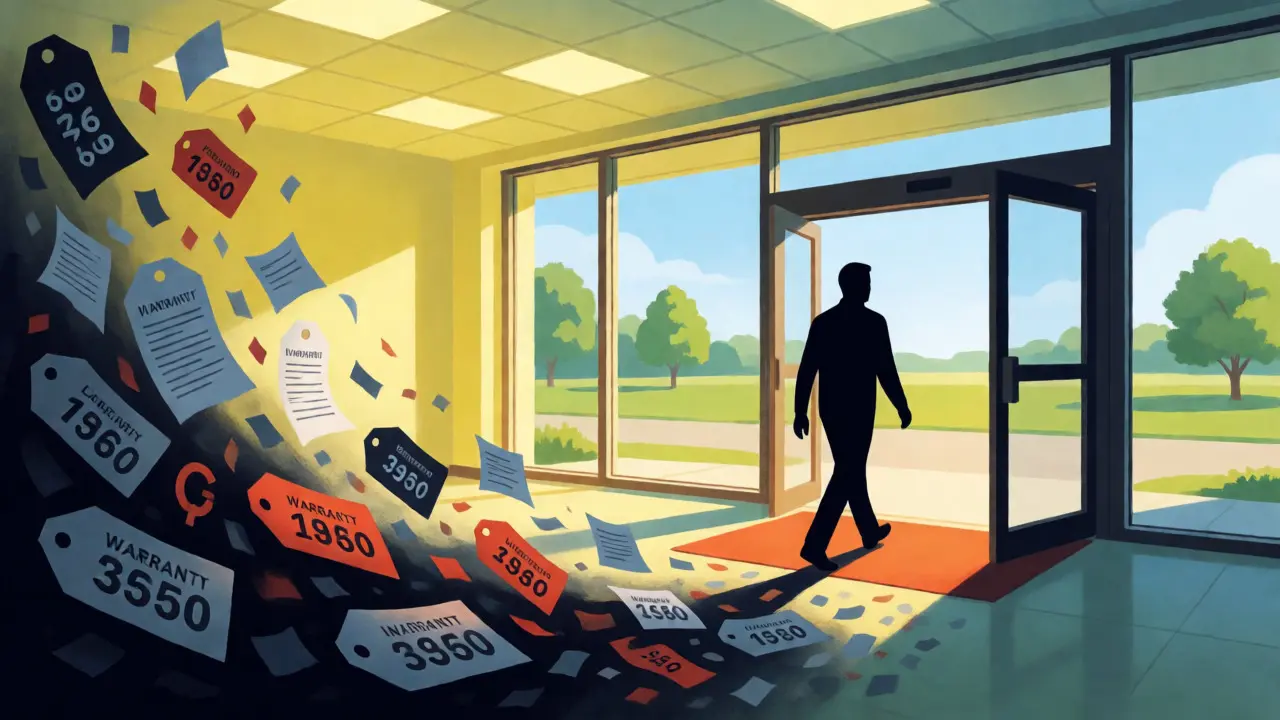
This is your ultimate weapon. If the deal doesn’t feel right, leave. Stand up. Shake hands. Say thank you. Walk out. Sometimes, they’ll chase you. Sometimes, they won’t. But you’ve lost nothing. You’ve saved yourself from buyer’s remorse.
Remember, there is always another car. There is always another dealer. The moment you act desperate, you lose power. Confidence comes from preparation. If you know your numbers, you aren’t afraid to leave. And that fearlessness drives the price down.
Key Takeaways
- Research First: Know the invoice price and average market rates before visiting any lot.
- Negotiate OTD: Focus on the total out-the-door price, not just the monthly payment.
- Time It Right: Buy at month-end or during model changeovers for better deals.
- Separate Finance: Get pre-approved externally to avoid financing traps.
- Use Competition: Leverage email quotes from multiple dealers to drive prices down.
Frequently Asked Questions
Is it better to buy a car with cash or finance?
It depends on the interest rate. If the dealer offers 0% or very low APR financing, taking the loan might be smarter than using cash, allowing you to invest your money elsewhere. However, cash buyers often have more negotiating power on the base price because the dealer gets paid immediately. Always compare the total cost of both options.
What is the best day of the week to buy a car?
Monday through Thursday mornings are generally best. Showrooms are quiet, and salespeople have more time to work on your deal. Weekends are busy, leading to rushed decisions and less attention to detail. Avoid holidays when staff is limited.
Do I really need gap insurance?
Gap insurance covers the difference between what you owe on your loan and the car's actual cash value if it's totaled. You likely need it if you put down less than 20%, have a long loan term (60+ months), or are buying a car that depreciates quickly. Check if your auto insurer offers it cheaper than the dealer.
Can I negotiate the price of a certified pre-owned (CPO) car?
Yes. While CPO vehicles come with warranties and inspections, they are still priced with profit margins. Dealers often mark up CPO cars significantly. Research similar non-CPO listings to find a baseline, then negotiate the CPO premium down based on mileage and condition.
What happens if I sign the paperwork and realize I made a mistake?
In most jurisdictions, there is no cooling-off period for car purchases once you sign the contract and take delivery. Read every page carefully before signing. If you spot an error later, try to resolve it politely with the sales manager, but be prepared to live with it unless the dealer agrees to amend the contract voluntarily.
Comments
Alyson Karson
YES! The email quote trick is a game changer, seriously do it!!
September 8, 2026 at 23:42
Chris Neal
While the advice on separating financing from purchase is standard, it's worth noting that many modern dealerships are now using integrated CRM systems that make 'shell games' harder to play than they used to be.
However, the point about invoice price vs MSRP remains critical because consumers often conflate the two, leading to overpayment even when the dealer claims to be at 'cost'.
Also, regarding timing, end-of-month is good, but end-of-quarter can sometimes yield better results if the dealership is struggling with their quarterly quota, which is tied to larger manufacturer bonuses for the general manager.
September 10, 2026 at 08:32
Vishnu Vardhan Reddy M S
Haha, 'lion's den'? You make it sound like we're hunting for food in the wild and not just buying a Honda Civic.
But hey, I love the energy. Just remember that most salespeople are also under pressure to hit targets, so being nice actually works better than trying to be a shark. Be kind, get the deal, go home happy. That's the real strategy nobody talks about.
September 11, 2026 at 14:24
Jeff Falcon
I totally agree with this whole post, honestly, I wish I had read something like this five years ago before I bought my first car because I ended up paying way too much for add-ons that I didn't even need, like the VIN etching and the paint protection package, which cost me almost $1,500 extra on top of the already inflated price I agreed to.
The part about getting pre-approved for a loan is so important because when you walk into the finance office without a plan, they smell blood in the water and will try to upsell you on everything under the sun, including extended warranties that are usually garbage anyway.
And yes, negotiating the out-the-door price is key because otherwise they just hide the profit in those silly fees that look small individually but add up quickly when you least expect it.
It’s all about preparation really, if you know your numbers inside and out, you feel so much more confident and less intimidated by the whole process, which changes the dynamic completely.
So yeah, great tips everyone should follow these steps next time they go shopping, it makes such a huge difference in your wallet and your stress levels!
September 12, 2026 at 07:30
Kyle Ware
Good overview
One thing to add is checking the local tax laws as some states have different rules on how fees are applied which can change the OTD calculation significantly
September 12, 2026 at 15:31
Iva Grekova
This is super helpful for my upcoming car search. I've been dreading the dealership visit but the email bidding idea feels much more manageable for my anxiety. Thanks for sharing these practical steps.
September 13, 2026 at 05:28
Onyinyechi Nwosu
the trade in tip saved me last year i got 800 more selling separately
September 14, 2026 at 08:38
Chandan Singh
Technically speaking, the concept of 'invoice price' has evolved. With the advent of factory-to-dealer incentives and holdbacks, the actual cost to the dealer is often lower than the printed invoice. Therefore, relying solely on tools like KBB might still leave money on the table. One must investigate current rebate structures specific to the model year and region to truly understand the dealer's floor.
September 15, 2026 at 15:37
Brannen Hall
Nah. This is all basic stuff. Everyone knows this. It's just filler content to keep people on the page longer. If you don't know this stuff by now, maybe cars aren't for you.
September 16, 2026 at 00:11
tiffany King
I love the emphasis on walking away! It really does give you power. I used that tactic last month and they called me back within an hour with a better offer. So empowering!
September 17, 2026 at 00:48
Brenna Gonedrman
OMG THIS IS SO TRUE IT HURTS MY HEART TO THINK ABOUT ALL THE MONEY I WASTED BEFORE KNOWING THIS!!!
The hidden fees part made me want to scream because I paid for 'fabric guard' on a leather seat car. WHAT?!
Anyway, great advice guys, please listen to it or cry like I did!
September 17, 2026 at 18:38