
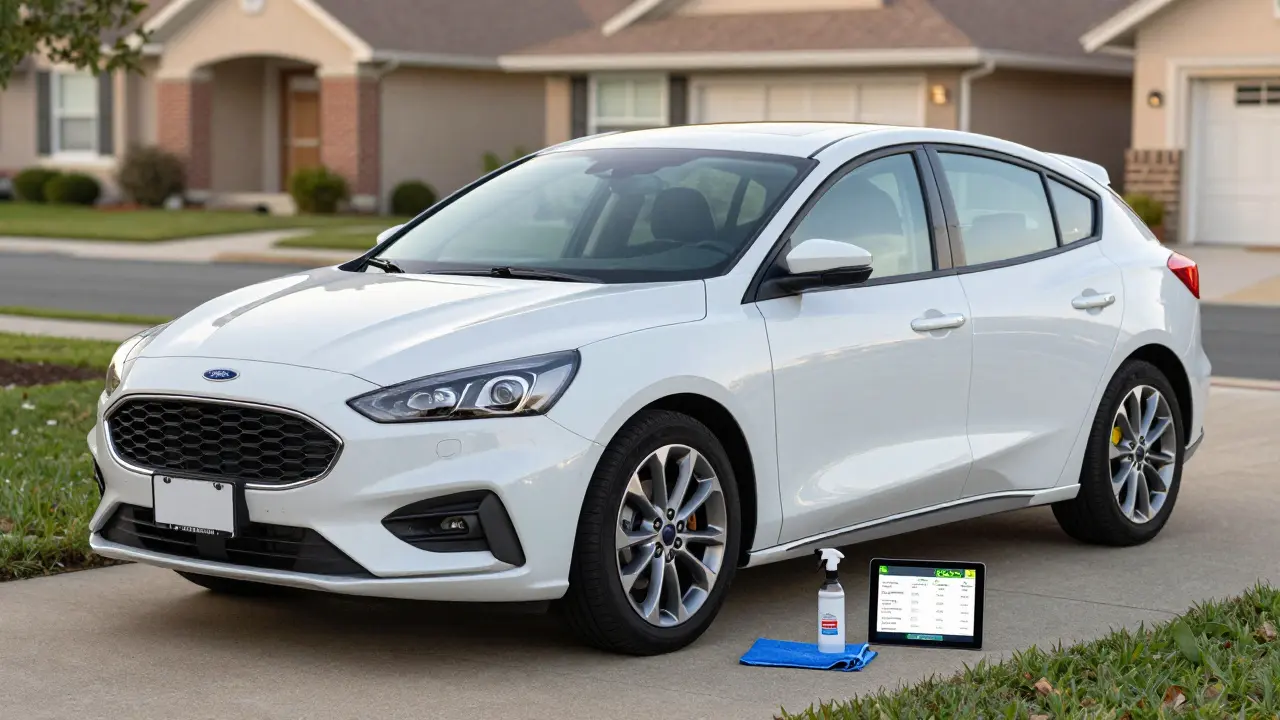
Getting the price right for your car when selling privately isn’t just about what you think it’s worth-it’s about what buyers are actually paying right now. Too high, and your car sits for months. Too low, and you leave money on the table. The key isn’t guesswork. It’s data, timing, and a few simple tweaks most sellers miss.
Check what similar cars are selling for right now
Start by looking at cars that are almost identical to yours. Same year, make, model, trim level, and mileage. Don’t just check listings that say ‘For Sale’-look at ones that have already sold. Websites like Auto Trader, Gumtree, and eBay Motors show you the final sale price, not just the asking price. A car listed at £12,000 might have sold for £10,200 after three weeks. That’s the number you need.
For example, if you’re selling a 2020 Ford Focus Titanium with 45,000 miles and a full service history, search for exactly that. Filter by ‘Sold’ listings. You’ll see a range-maybe £9,800 to £11,500. That’s your target zone. Don’t pick the highest. Pick the median. That’s where the market is.
Mileage and condition matter more than you think
Every 1,000 miles over the average for your model can knock £150-£300 off the value. If the average 2020 Ford Focus has 50,000 miles and yours has 62,000, you’re looking at a £1,800-£3,600 drop right there. Don’t ignore it. Be honest. Buyers check service records. They know.
Condition is even more important. A car with minor scratches, worn seats, or a stale smell will sell for 15-25% less-even if the engine runs perfectly. Clean it inside and out. Steam clean the carpets. Remove personal items. A simple detailing job costing £50 can add £800 to your sale price. It’s not vanity. It’s math.
Service history is your best bargaining chip
A full service history isn’t just a nice-to-have. It’s a price booster. A car with every service stamped in the book and receipts for major parts (like brakes or timing belts) sells for 10-20% more than one without. If you’ve done your own oil changes and don’t have receipts, that’s a problem. Buyers assume the worst. If you’ve had it serviced at a garage, make sure the records are printed and ready to show. Don’t wait for them to ask.
Even if you’ve only had one major repair-say, a new clutch at 60,000 miles-highlight it. Buyers worry about hidden costs. Prove you’ve taken care of it.
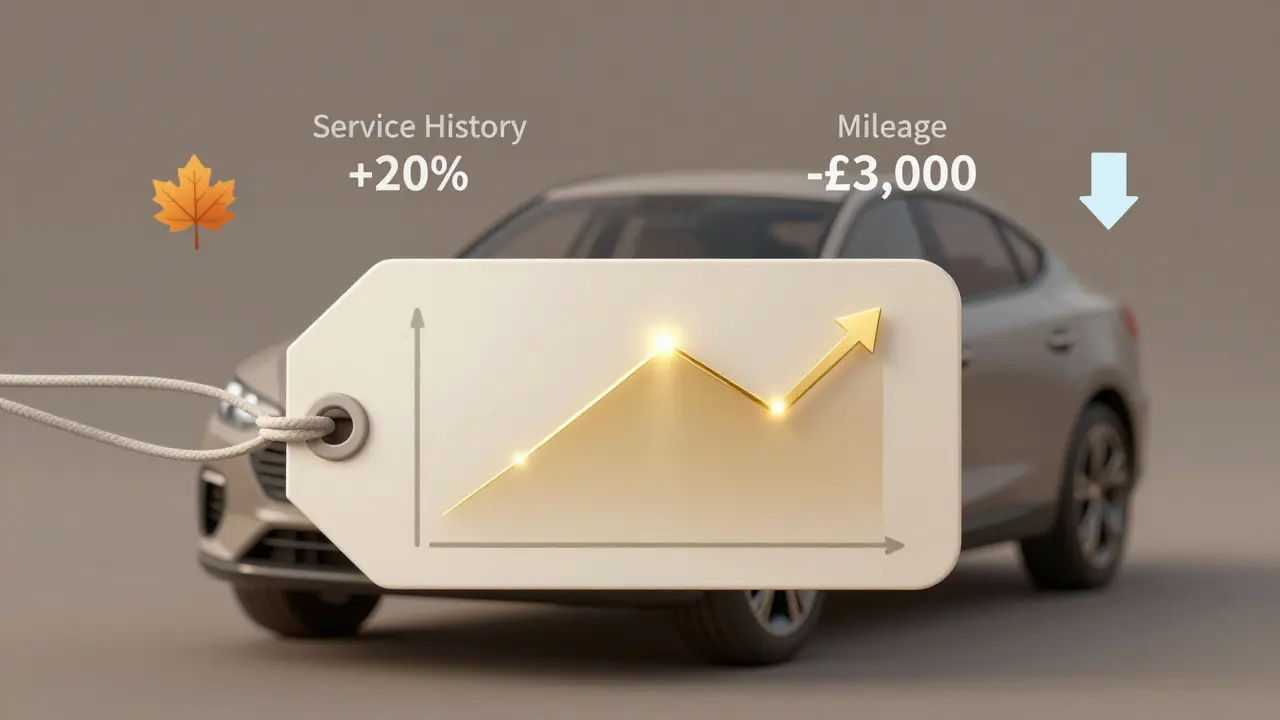
Seasonal trends change prices fast
Timing your sale can make a £1,000 difference. In the UK, the best months to sell a car privately are January to March and September to November. Why? People get bonuses after Christmas, or they’re upgrading before the new registration plates in March and September. Summer is slow. Winter is worse for convertibles or sports cars.
If your car is a 4x4 or SUV, autumn is prime time. Families are thinking about winter road conditions. If it’s a small hatchback, spring is better. People are moving, starting new jobs, or just want something cheap and efficient after the holidays.
Don’t overprice to leave room for negotiation
This is the biggest mistake. Sellers think: ‘I’ll ask £12,000, then drop to £11,000 if someone haggles.’ That doesn’t work anymore. Buyers use apps that show price history. If your car has been listed at £12,000 for three weeks and now it’s £11,000, they assume it’s broken or there’s something wrong. They wait for another drop.
Instead, price it right from day one. Use the median sold price you found. Add £200-£300 if your car is spotless, has extras like a sunroof or parking sensors, and has a full service history. That’s your starting point. Then, if no one bites after 10 days, drop it by £250-not £500. One small step keeps it looking fresh.
Photos and description do the heavy lifting
A great price won’t save a car with blurry photos and a vague description. Take photos in daylight. Show the front, back, both sides, the interior, the dashboard, the boot, and the engine bay. No selfies. No filters. Just clean, clear shots.
In your description, list the key facts: year, mileage, fuel type, gearbox, service history, MOT expiry, and any extras. Don’t say ‘great condition.’ Say ‘new tyres fitted in October 2025, full service history with 12 stamps, no accident history, MOT until November 2026.’ Be specific. Buyers scan. Give them what they need to say yes.

Use the right platforms
Auto Trader is still the top choice for private sellers in the UK. It’s where serious buyers look. Gumtree is good for quick, local sales but attracts more bargain hunters. Facebook Marketplace works if you’re in a big city like Bristol, London, or Manchester-just make sure your listing is detailed and your photos are high quality.
Don’t list on too many sites. Pick one or two. Keep your listing active. Refresh it every 7 days. The algorithm rewards recent activity. If your car hasn’t sold in two weeks, update the description slightly. Change ‘Excellent condition’ to ‘Well-maintained with recent service.’ Small tweaks reset the algorithm and get you seen again.
Be ready to sell fast when the right buyer comes
Once you get a serious inquiry, move quickly. Buyers who ask for a test drive or want to see the service book are serious. Don’t wait. Have your V5C logbook ready. Know your MOT expiry. Be prepared to accept bank transfer on the day of sale. Avoid cheques. Avoid cash over £500. Use a secure payment method like a bank transfer to a verified account.
Meet in a public place. Bring a friend. Have a bill of sale ready. You can download a free template from the DVLA website. Get the buyer to sign it. Then hand over the keys. The faster you close, the less chance you have of losing the deal to someone else.
What to do if your car still won’t sell
If your car has been listed for over 4 weeks with no serious offers, it’s priced too high. Go back to the sold listings. Look at cars with similar mileage and condition. If yours is sitting at £10,500 and the market is at £9,200, drop it to £9,400. Then, add a note: ‘Reduced for quick sale-viewings by appointment only.’
If you’re still stuck, consider a car-buying service like WeBuyAnyCar or Cazoo. They’ll give you an offer within minutes. It’s not the best price, but it’s guaranteed. Sometimes, selling for £8,500 today is better than waiting three months for £9,500.
How do I know if my car is priced too high?
If your car has been listed for more than 10-14 days with no serious inquiries or test drive requests, it’s likely overpriced. Check sold listings for similar models. If your asking price is £1,000 or more above the median sold price, you need to adjust. Buyers today are informed-they compare prices in minutes.
Should I fix small dents or scratches before selling?
Only if they’re noticeable. A few minor scratches won’t hurt, but deep dents or large paint chips will lower your price. A £100 repair for a visible dent can add £500-£800 to your sale value. But don’t spend £500 on a full respray for a £9,000 car. Focus on high-impact, low-cost fixes: touch-up paint for stone chips, cleaning scuffed wheels, replacing broken trim pieces.
Is it better to sell privately or to a dealer?
Selling privately usually nets you 20-40% more than trading in at a dealer. But it takes more time and effort. If you need cash fast, or your car is older than 10 years or has mechanical issues, a dealer or online buyer might be the better choice. For cars under 8 years old with good history, private sale is almost always worth the wait.
What documents do I need to sell my car privately?
You need the V5C logbook (keep the new keeper section), a valid MOT certificate (if over 3 years old), service history records, and a bill of sale. You must notify the DVLA online when the sale is complete. Keep a copy of the buyer’s driving licence and proof of address for your records. Never hand over the keys without payment cleared.
Can I sell a car with an outstanding finance agreement?
No, not legally. If your car still has finance on it, the lender owns it until it’s paid off. You must settle the outstanding amount before selling. Some buyers will pay off the finance directly to the lender, but you must provide a settlement figure from your finance company. Never sell a car with unpaid finance-it’s a criminal offence.
If you follow these steps, your car won’t just sell-it’ll sell quickly, for the best price, and without stress. The market isn’t complicated. It’s just crowded with sellers who guess. Don’t be one of them. Use the data. Be honest. Be ready. And your car will find the right buyer.
Comments
Michael Thomas
Why are you even wasting time with private sales? Dealerships buy anything, anytime. You think data matters? Nah. They know the market better than you. Just sell it and move on.
December 27, 2025 at 15:11
Abert Canada
Man, I tried this in Ontario last year. Listed my Civic at median sold price, did the detailing, even printed every receipt. Sold in 3 days. People forget how much Canadians care about service history. It’s not just paperwork-it’s trust.
December 28, 2025 at 22:47
Xavier Lévesque
Oh wow, so we’re pretending buyers aren’t just scanning for the cheapest junk on Facebook Marketplace? You think a £50 detail job makes a difference? Tell that to the guy who bought my ’18 Accord with a broken AC and still paid full price because the seats weren’t stained.
December 30, 2025 at 13:27
Thabo mangena
It is with profound respect for the diligence of private sellers that I acknowledge the meticulous approach outlined herein. The adherence to verifiable data, the preservation of documentation, and the disciplined pricing strategy reflect not merely transactional acumen, but a commendable commitment to integrity in commerce.
January 1, 2026 at 07:24
Karl Fisher
Okay but have you seen the *real* market? I sold my BMW last year and it was basically a charity auction. People were crying over £200 discounts like it was Black Friday. I had to hire a photographer, a PR guy, and a therapist for the buyers. This guide? Cute. But the truth? It’s all just a game of emotional manipulation.
January 1, 2026 at 21:42
Buddy Faith
all this advice is trash. you think buyers care about service history? they just want it to start. if it runs and has airbags you're golden. i sold my truck with a blown head gasket and got 8k because the tires looked new. data is a scam.
January 2, 2026 at 08:53
Scott Perlman
Just price it fair. Clean it up. Take good pics. Be nice. People will come. No need to overthink it. I sold my Camry in a week with no fancy tricks. Just honest.
January 3, 2026 at 21:44
Sandi Johnson
Wow. So you’re telling me the secret to selling a car is… being a decent human being and not lying? Groundbreaking. Next you’ll tell us water is wet and gravity exists.
January 5, 2026 at 11:48