
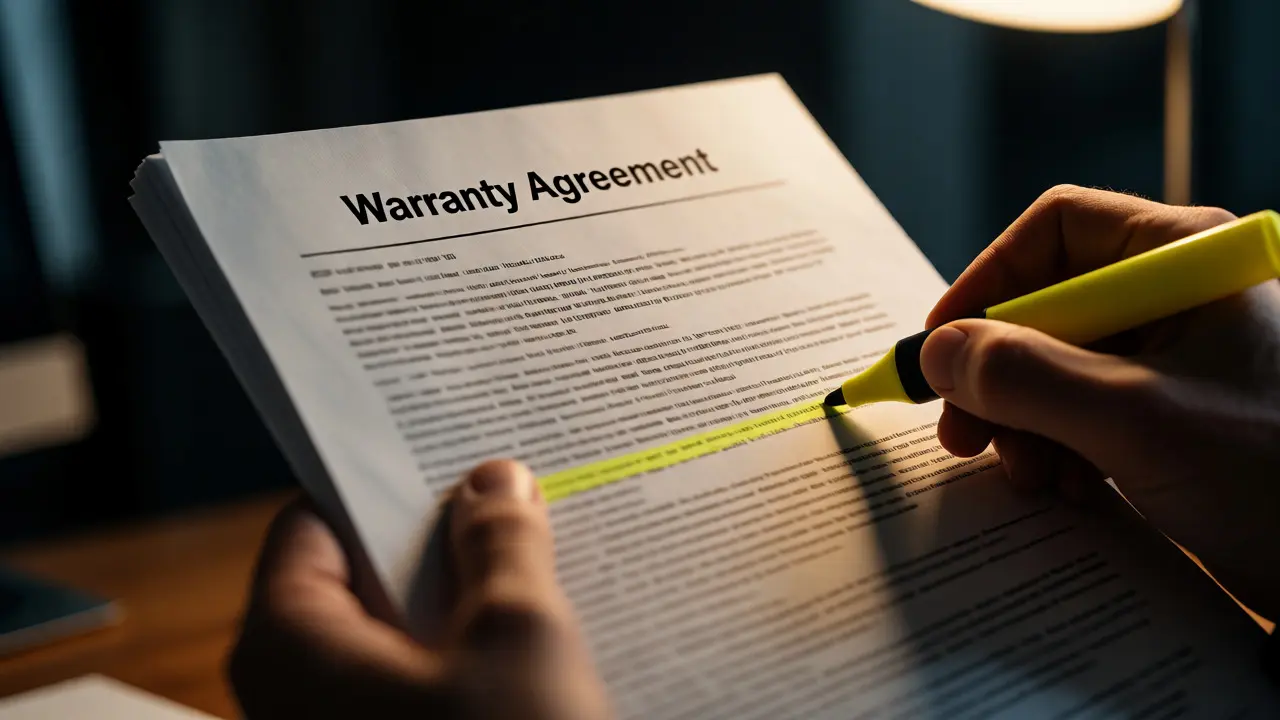
You just bought a shiny new laptop, a high-end espresso machine, or maybe that second-hand car you’ve been eyeing for months. The salesperson handed you a thick stack of papers, smiled, and said, "Don't worry, it's covered." You signed it without reading a word because, honestly, who has the time? Then, six months later, the thing breaks. You call support, expecting a quick fix, only to be told your claim is denied. Why? Because you missed one tiny line in the warranty contracts section about "normal wear and tear" or "unauthorized repairs."
It’s frustrating, but it’s also avoidable. Most people treat warranties like legal boilerplate-something to file away and forget. But treating them as a mystery novel where you hunt for clues can save you hundreds, sometimes thousands, of pounds. This guide isn’t about boring legal theory; it’s about practical detective work. We’ll break down how to actually read these documents, spot the traps hidden in the fine print, and understand what those scary-sounding warranty exclusions really mean for your wallet.
The Anatomy of a Warranty Contract
Before you panic at the sight of page forty-two, let’s demystify the structure. A standard Warranty Contract is a legally binding agreement between a seller and a buyer that guarantees repair or replacement of a product if it fails within a specified period. It usually follows a predictable pattern, no matter if you’re buying a toaster in Bristol or a server rack in London.
First, there’s the Coverage Scope. This defines what parts are covered (usually internal components) and what isn’t (often cosmetic issues). Next comes the Duration. Is it one year? Two? Ten years on the motor but only one on the electronics? Finally, there’s the Remedy. If it breaks, do they fix it? Replace it? Or just give you store credit? Understanding this triad is your first step to clarity.
Many consumers confuse manufacturer warranties with extended service plans. A manufacturer warranty is included in the price and covers defects from the factory. An extended warranty is an extra purchase, often sold by third-party insurers, which acts more like insurance than a guarantee. Knowing which one you’re holding changes how you read the rest of the document.
Hunting for Exclusions: The "Not Covered" List
This is where the money hides. Manufacturers love to say "covers all defects," but the warranty exclusions tell the real story. These are specific scenarios where they will refuse to help you. You need to find this section immediately-it’s usually buried in small font near the end, titled something vague like "Limitations" or "What Is Not Covered."
Here are the most common traps:
- Accidental Damage: Standard warranties almost never cover drops, spills, or cracked screens. If you drop your phone, that’s on you unless you have accidental damage protection.
- Normal Wear and Tear: Brake pads on a car, battery degradation in a laptop, or fraying cables. These are expected to degrade over time. If the contract says "wear items are excluded," don’t expect a free replacement after two years.
- Unauthorized Repairs: Did you take your watch to a local jeweller instead of the brand’s authorised centre? Boom. Voided warranty. Even opening the case yourself can count as "tampering" in some strict electronics contracts.
- Environmental Factors: Water damage, extreme heat, or power surges. Unless you have a specific surge protector clause, lightning striking your router might not be covered.
Pro tip: Use a highlighter. Literally. When you see words like "excludes," "voids," or "not applicable," mark them. If you can’t find an exclusions list, ask customer service directly before you buy. Their answer might reveal gaps the paperwork doesn’t mention.
Decoding the Fine Print: Conditions and Obligations
The fine print isn’t just there to annoy you; it sets the rules of engagement. Ignoring it is like playing a board game without knowing the rules-you’ll lose, and you won’t know why. Look for clauses regarding proof of purchase, registration deadlines, and maintenance requirements.
For example, many car manufacturers require you to service the vehicle at their approved garages to keep the warranty valid. Skip one oil change? They might argue you neglected maintenance and deny a major engine claim. Similarly, some tech products require online registration within 30 days of purchase to activate the full warranty term. Miss that window, and you might revert to a shorter statutory period.
| Clause Type | What It Says | What It Means For You |
|---|---|---|
| Implied Warranty of Merchantability | The product must work for its intended purpose. | If your kettle doesn’t boil water, you’re protected even without a written warranty. |
| Express Warranty | Specific promises made by the seller (e.g., "5-year battery life"). | Keep ads and emails. These statements become part of the contract. |
| Consequential Damages | Excludes indirect losses (e.g., lost income due to downtime). | If your laptop dies during a freelance job, they’ll fix the laptop, not pay your lost fee. |
| Arbitration Clause | Disputes go to private arbitration, not court. | You waive your right to sue in public court. Often cheaper but less transparent. |
Another critical aspect is the "Transferability" clause. If you sell your used car or upgrade your fridge, does the warranty transfer to the new owner? Some premium brands offer transferable warranties, adding resale value. Others are strictly tied to the original purchaser. Check this if you plan to resell.

Manufacturer vs. Extended Warranties: Which One Rules?
Let’s clarify the hierarchy. Your primary shield is the manufacturer’s warranty. In the UK, under the Consumer Rights Act 2015, goods must be of satisfactory quality, fit for purpose, and as described. This statutory right exists regardless of any written warranty. However, proving a defect is your burden in the first six months, then shifts to the retailer.
Extended warranties, sold by retailers or third parties like Allianz or Assurant, are separate contracts. They often duplicate manufacturer coverage but add perks like accidental damage or longer terms. The catch? They come with higher deductibles (excess fees), stricter claim processes, and more exclusions. Always compare the extended plan against the manufacturer’s base warranty. If the extended plan offers nothing new except length, you might be better off saving that cash.
Consider the cost-benefit ratio. Paying £150 for a three-year extension on a £300 blender is rarely worth it. But paying £400 for a five-year extension on a £4,000 TV? That makes sense. Calculate the potential repair cost versus the warranty price. If repairs typically cost less than the deductible plus the warranty fee, skip it.
Action Plan: How to Review Before Signing
You don’t need a law degree, but you do need ten minutes. Here’s a checklist to run through when reviewing any warranty contracts:
- Identify the Provider: Who is actually liable? The brand? The retailer? A third-party insurer? Find their contact details and check reviews for their claims process speed.
- Check the Duration Start Date: Does the clock start at purchase, delivery, or activation? Delayed activation can eat into your coverage.
- Read the Exclusions Aloud: Force yourself to read every exclusion. Ask: "Does this apply to how I use the product?" If you’re clumsy, accidental damage exclusions matter more.
- Look for Maintenance Traps: Are there mandatory services? Specific cleaning agents? Approved repair networks? Non-compliance voids coverage.
- Verify Claim Procedures: Do you need to register the product? Keep the box? Send photos? Missing administrative steps can delay or deny claims.
If you’re buying online, download the PDF version of the warranty terms before checkout. Don’t rely on the summary bullet points on the product page. Those are marketing highlights, not legal definitions.

When Things Go Wrong: Filing a Claim
So, the item broke. Now what? First, gather evidence. Photos, videos of the issue, proof of purchase, and the serial number. Contact the provider using the method specified in the contract-often an online portal or specific email address. Phone calls are fine for info, but get everything in writing.
Be precise in your description. Instead of saying "it stopped working," say "the device powers on but displays error code E42, preventing operation." This helps them categorize the fault quickly. If they deny the claim, ask for the specific clause number they are relying on. Compare it to your notes. If it’s ambiguous, push back. Under UK consumer law, ambiguity in contracts is often interpreted in favour of the consumer.
If you hit a wall, escalate. Retailers are responsible for faulty goods within the first six months. Beyond that, you may need to pursue the manufacturer. Remember, you have the right to a repair or replacement. If they fail twice, you can demand a refund. Keep records of all communications. A simple spreadsheet with dates, names, and reference numbers saves headaches later.
Final Thoughts on Protection
Reading warranty contracts isn’t about becoming paranoid; it’s about being empowered. You’re not signing a blank cheque; you’re entering a conditional agreement. By spotting the exclusions and understanding the fine print, you ensure that when things break, you’re not left holding the bill alone. Take the extra ten minutes now to save stress and money later. Your future self will thank you.
Do I need to keep the original packaging for my warranty to be valid?
Generally, no. While keeping the box is helpful for returns or repairs, most warranties do not explicitly require it unless stated in the terms. Proof of purchase (receipt or bank statement) is the critical document. However, some retailers may request packaging for initial return windows, so it’s wise to keep it for at least the first month.
Can I cancel an extended warranty if I decide I don’t want it?
Yes, typically you have a cooling-off period. In the UK, distance selling regulations often allow you to cancel within 14 days of receiving the policy documents. After that, cancellation policies vary by provider, and you may face pro-rata refunds minus administrative fees. Always check the cancellation clause before signing.
What happens if I modify my product myself?
Modifications can void your warranty, especially if the modification caused the failure. For example, overclocking a CPU or changing exhaust pipes on a car. However, the provider must prove that your modification directly caused the specific fault to deny the claim. Unrelated faults should still be covered.
Is a verbal promise from a salesperson part of the warranty?
It can be. Verbal assurances can form part of the contract if they influence your decision to buy. However, written terms usually state that the entire agreement is contained in the written document, excluding prior oral statements. To be safe, always get significant promises in writing via email.
Does the warranty cover shipping costs for repairs?
This varies significantly. Many warranties cover the repair cost but not the postage to send the item to the repair centre. Some include return shipping, others do not. Check the "Logistics" or "Shipping" section. If it’s silent, ask before you buy, as this can add £10-£20 per claim.