
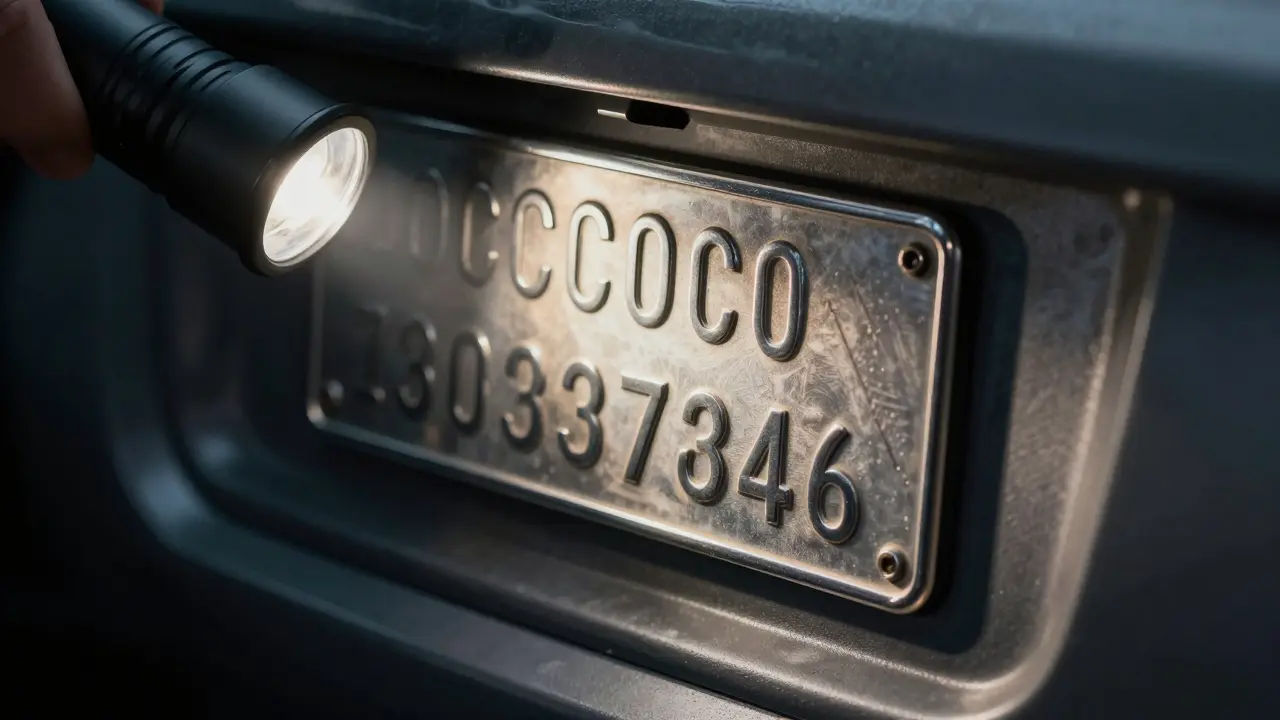
Imagine your car could silently pose a risk because of a hidden defect you didn’t know about. Every day, thousands of vehicles get recalled, but most owners never find out until it’s too late. That’s where vehicle recall alerts come in-a lifeline that keeps you informed about safety-critical updates. Here’s exactly how to set them up and why skipping this step could cost you more than money.
The First Step: Understand What Recalls Are
A Vehicle Recall is when manufacturers fix defects affecting safety, emissions, or compliance without charging you. But many people think recalls are only for major crashes. Not true. A recall can cover airbags, brakes, fuel leaks, or even software glitches in modern cars. For example, in 2023 alone, Toyota issued 127 recalls worldwide for issues ranging from faulty sensors to door handles. The bigger issue? You might not hear about these unless someone actively checks.
Official Sources: Where to Find Recall Info
You’ve probably seen news headlines about big recalls, but where do you actually register for alerts? In the UK, start with the DVLA (Driver and Vehicle Licensing Agency), which sends official notifications via email or text. If you’re outside Europe, the U.S. National Highway Traffic Safety Administration (NHTSA) offers free SMS alerts tied to your VIN number.
Key Platforms:
- **UK:** DVLA’s online portal (gov.uk) + AA/ RAC membership benefits
- **USA:** NHTSA website + manufacturer-specific programs (e.g., Ford Owner Center)
- **EU:** EU-Safety Portal under Euro NCAP guidelines
Here’s a quick comparison table showing who manages what:
| Region | Governing Body | Alert Methods | Coverage |
|---|---|---|---|
| UK | DVLA | Email/SMS | All registered vehicles |
| US | NHTSA | SMS, Email | Federal mandates since 2020 |
| EU | Euro NCAP | App-based push | Member-state databases |
Step-by-Step Registration Process
Lets dive into the actual mechanics of signing up. Most people assume their dealership will handle everything-but studies show only ~40% of dealerships proactively notify customers about non-mandatory fixes. Always verify yourself.
- Locate Your VIN: Found on the windshield base, door frame, or insurance docs. Double-check digits against your registration papers.
- Pick Your Channel: Decide between app alerts (like BMW MyWorld), government portals, or third-party apps (e.g., Carfax). Pro tip: Enable SMS for immediate action during emergencies.
- Verify Details: Some systems require photo ID uploads or proof of ownership. Keep copies saved offline.
- Test Before Relying: Use test tools-some platforms send trial emails after signup. If yours doesn’t, unsubscribe/resubscribe.
What Happens After You Sign Up?
Once enrolled, expect automated updates tied to new recalls involving your make/model/year. For instance, if your 2020 Tesla Model 3 gets flagged for battery overheating risks, the notification includes affected components, repair timelines, and nearest authorized service centers.
But here’s the catch: alerts don’t mean automatic repairs. Manufacturers may require scheduling appointments separately. Delays happen often-average wait times post-recall announcement sit at 8 weeks globally according to J.D. Power surveys.

Troubleshooting Common Issues
Not getting expected alerts? Try these fixes:
- Wrong VIN Input: Common typo zones include letters O/0, I/1 substitutions. Cross-check digit 9-11 specifically.
- Spam Folder Checks: Government messages sometimes land there. Whitelist domains like @gov.uk or .safercar.gov
- Data Sync Problems: Dealerships rarely update sold-car records automatically. Manually register resale vehicles within 14 days of transfer.
Why DIY Tracking Still Matters
Relying solely on manufacturers’ goodwill isn’t smart. Over 2 million unaddressed global recalls exist today due to lapsed owner contacts. Meanwhile, proactive users save an average £180/year in preventable repair bills. Think of recall systems as free health insurance-you wouldn’t skip annual checkups, right?
Final Words
Safety starts with awareness. Spend 5 minutes now to register, then breathe easier knowing you’ll spot critical defects before they become disasters. Remember: no single button solves every problem. Combine official channels, community forums, and periodic manual VIN scans for maximum protection.
Will I receive reminders for past recalls?
Most systems notify about active/unfixed issues first. Older resolved cases might appear archived in account history.
Can I cancel subscriptions later?
Yes. Both DVLA and NHTSA allow opt-outs through customer dashboards or direct helplines.
Do third-party apps charge fees?
Some offer premium tiers (£2-£5/month), but core alert features remain free across all major providers.
How fast are emergency warnings delivered?
Critical safety alerts usually arrive within 24 hours via SMS; others take 3-5 business days depending on severity level.
Are dealer-provided recalls reliable enough?
Only partial coverage exists. Independent verification remains essential since ~60% of low-priority fixes get ignored by local shops.
Comments
Ryan Toporowski
Safety checks are vital for keeping our cars running smoothly :smile: It really helps knowing what defects exist beforehand :thumbsup: Please make sure you get your alerts set up today :car: We all deserve to drive safely without hidden dangers waiting :heart:
March 31, 2026 at 07:42
Jen Becker
This whole thing is just corporate spying disguised as public safety.
March 31, 2026 at 17:37
Samuel Bennett
You are assuming facts not in evidence regarding the motive of the administration they simply want cars safe from defects that kill people ungrammatical though your statement lacks proper subject verb agreement regarding the plural noun corporation and singular verb spy. They watch the roads because crashes happen without warning signals being sent out properly sometimes the data isn't synced correctly across dealerships which is why we check manually. It is better to trust the system than to fear government oversight like you seem to do constantly every day. Stop spreading paranoia instead of checking your own vehicle documentation files please read carefully before typing.
March 31, 2026 at 20:02
Rob D
Listen up folks because I know how this junk works in the big bad world out there where American engineering rules supreme unlike those foreign import lemons that break constantly under pressure. Our NHTSA is the gold standard for safety regulations globally nobody else comes close to our rigorous testing protocols for vehicle integrity checks annually. If you live here in the US you better register your ride immediately or you are risking lives unnecessarily due to negligence and ignorance of basic car maintenance laws. We don't pay taxes just to let manufacturers off the hook when their assembly line bots fail miserably during production runs. Stay vigilant patriots because safety is an obligation of citizenship not a privilege offered by charity organizations or shady third party apps.
April 1, 2026 at 08:44
Samar Omar
Your perspective seems remarkably limited by provincial notions of superiority that ignore the complexities of global supply chains inherent to modern automotive manufacturing practices. One might argue that national pride often clouds judgment when evaluating statistical safety data across various international jurisdictions regardless of origin. While domestic regulations hold merit, relying solely on them creates a false sense of security among consumers who believe their local laws guarantee invincibility against mechanical failure. The reality involves intricate software dependencies that transcend borders making regional alert systems merely partial solutions to a multifaceted problem. True expertise requires understanding the nuances of VIN decoding algorithms rather than blindly following government mandates issued by bureaucracies. We must consider the socio-economic implications of recall dissemination rates which vary wildly depending on insurance coverage and ownership structures globally. Your dismissal of non-American frameworks overlooks critical innovations happening in European emission standards that surpass current federal thresholds significantly. Moreover the notion that only US citizens care about road safety demonstrates a lack of cultural empathy needed for effective community dialogue. History teaches us that isolated regulatory bodies eventually become obsolete when technology evolves faster than legislative processes can adapt accordingly. Therefore we should embrace comprehensive tracking methods instead of clinging to outdated ideologies centered around geographic nationalism and industrial protectionism. A more enlightened approach would involve sharing data openly across platforms to ensure maximum coverage for all drivers regardless of their location or political affiliation. Ignoring international cooperation leaves blind spots where dangerous defects could propagate unchecked through secondary markets or used vehicle sales channels. Furthermore consumer education remains paramount since most owners lack technical knowledge required to interpret complex diagnostic codes independently without professional assistance. We must demand transparency from manufacturers who often obscure details behind proprietary jargon designed to confuse laypeople seeking simple answers. Ultimately safety is a universal value transcending borders yet your rhetoric suggests otherwise implying a hierarchy of human worth based on geography alone. This conversation needs deeper intellectual rigor than simplistic declarations about national supremacy over mundane administrative procedures like registration portals.
April 2, 2026 at 06:30
Jim Sonntag
sure sign up for emails from the government why not just put my address on a billboard too lol i bet my spam folder loves these notifications they always tell me something new everyday probably lies mostly honestly i feel like i am already registered somewhere deep inside the algorithm watching my moves so maybe skipping this extra step is fine anyway who cares if the brake pads fail later life is cheap right
April 3, 2026 at 21:37
Tamil selvan
You raise valid concerns regarding digital surveillance however I urge you to prioritize physical safety above hypothetical privacy risks. Statistics indicate that proactive monitoring prevents accidents effectively.
Please understand that the notification service does not track daily movements it only alerts specific vehicle identifiers during active recall events.
I strongly encourage taking action now.
Thank you for reading.
April 4, 2026 at 02:49
Deepak Sungra
I absolutely dread the thought of missing a critical update about my beloved automobile sitting in the driveway gathering dust unnoticed while danger lurks nearby. It is truly heartbreaking when owners ignore signs until catastrophic failures occur leaving families devastated by preventable tragedies. We must act swiftly to protect ourselves because negligence breeds disaster every single time without exception or doubt in my experience. Please register immediately so we can avoid the emotional turmoil associated with unexpected breakdowns on busy highways during rush hour traffic jams. Safety measures are essential for peace of mind and ignoring them invites chaos into our daily routines unfairly. Let us support each other in staying informed and alive on these treacherous roads together always.
April 4, 2026 at 08:53