

You might think that getting a quote for car insurance is a financial product that protects drivers against losses from collisions, theft, and liability claims is just about finding the lowest number on a screen. It isn’t. The difference between a good rate and a great one often comes down to two things you can control: when you ask for it and how you stack the options side-by-side. Most people rush through this process, clicking 'get quote' once and moving on. That’s like buying a house after looking at only one listing. You leave money on the table every single year.
The market for auto coverage is dynamic. Rates shift based on seasonal trends, your personal driving history, and even macroeconomic factors like inflation in repair costs. If you want to save hundreds of dollars annually, you need a strategy. This isn't about gaming the system; it's about understanding how insurers price risk so you can position yourself as a lower-risk candidate at the right moment.
Why Timing Matters More Than You Think
We tend to view insurance rates as static, but they are highly fluid. Insurers use complex algorithms to adjust premiums based on real-time data. Knowing the rhythm of these adjustments can give you a significant edge. There are specific windows where competition drives prices down or where your own life events trigger automatic re-evaluations.
First, consider the annual cycle. Historically, late fall and early winter (November through January) have shown slightly lower average premiums. Why? Because summer is peak driving season with more road trips and higher accident rates. Insurers anticipate higher claim volumes during warm months and may adjust pricing accordingly. Additionally, many companies release new rate structures at the start of the calendar year. Shopping in December allows you to lock in those new rates before spring adjustments kick in.
Second, look at your personal timeline. Life changes are triggers for rate recalibration. Getting married, buying a home, or finishing college often signals stability to underwriters. Conversely, moving to a high-crime area or adding a teenage driver spikes risk. Don’t wait for your renewal date if a major life event occurs. Call your agent immediately. Sometimes, bundling a new homeowner’s policy with your auto policy within days of closing on a house yields a discount that wouldn’t apply if you waited six months.
Also, be mindful of the "renewal trap." Many insurers offer steep introductory discounts to win new customers, then hike rates significantly upon renewal. If your current provider raises your premium by more than 10% at renewal, that is your signal to shop. Loyalty rarely pays off in the insurance industry unless you actively negotiate.
The Art of Comparing Quotes Side-by-Side
Getting three quotes is the standard advice, but comparing them effectively requires more than glancing at the bottom line. A $50 monthly difference might look small, but hidden variables can make that cheaper policy far more expensive in the long run. You need to normalize the data to ensure an apples-to-apples comparison.
| Factor | What to Look For | Why It Matters |
|---|---|---|
| Deductible Amount | $500 vs. $1,000 vs. $2,000 | Higher deductibles lower premiums but increase out-of-pocket costs during a claim. Ensure you can afford the deductible if you crash. |
| Coverage Limits | Liability limits (e.g., 100/300/100) | State minimums are often too low. Higher limits protect your assets in serious accidents. Compare limits, not just prices. |
| Discounts Applied | Bundling, safe driver, paperless | Some insurers advertise low base rates but offer fewer discounts. Calculate the final price after all applicable discounts. |
| Rental Reimbursement | Daily limit and max days | If your car is totaled, this covers rental costs. Check if the daily limit matches local rental rates. |
| Claims Process Rating | J.D. Power or AM Best scores | A cheap policy is useless if the insurer fights every claim. Check customer satisfaction scores for ease of claims. |
Start by aligning the deductibles. If Company A offers a quote with a $500 deductible and Company B uses a $1,000 deductible, Company B’s premium will naturally be lower. Adjust Company B’s quote to a $500 deductible to see the true cost difference. Next, verify the liability limits. State minimums vary wildly. In some states, the minimum bodily injury liability is $25,000, which is exhausted in a single moderate accident. Ensure both quotes offer at least 100/300/100 coverage ($100k per person, $300k per accident, $100k property damage) for adequate protection.
Don’t overlook the fine print regarding exclusions. Some policies exclude coverage for rideshare driving (like Uber or Lyft) unless you add a specific endorsement. If you drive for gig work, failing to disclose this could void your entire policy. Ask explicitly: "Does this policy cover me while I’m waiting for a ride request?"

Leveraging Technology and Data
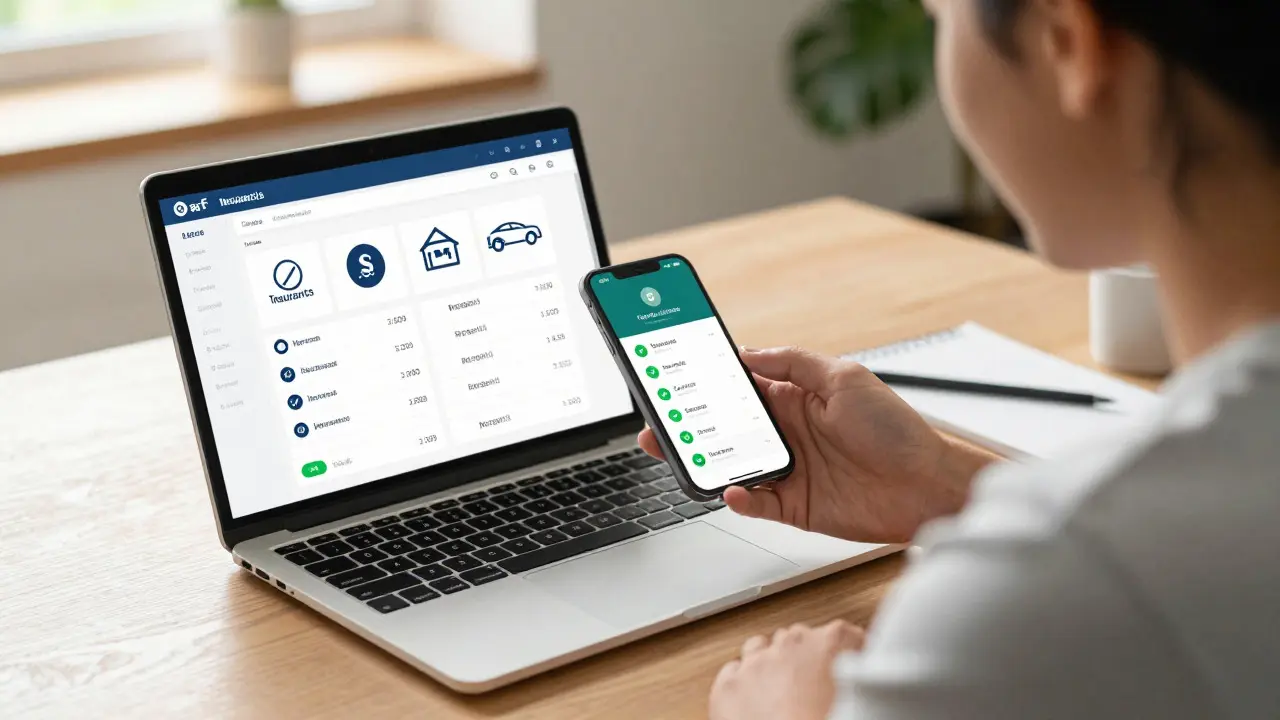
Gone are the days when you had to call five different agents. Today, digital platforms aggregate quotes instantly. However, these aggregators aren’t perfect. They often rely on simplified algorithms that may miss nuanced discounts available only through direct engagement with an insurer.
Use comparison sites like The Zebra is an online platform that aggregates auto insurance quotes from multiple providers, Policygenius is a digital marketplace for insurance products offering personalized recommendations, or NerdWallet is a financial education website providing tools and insights for personal finance decisions to get a baseline. These tools are excellent for identifying which carriers operate in your zip code and their general price ranges. But treat these initial quotes as starting points, not final offers.
After identifying two or three promising candidates, go directly to their websites or call them. Often, direct channels reveal additional discounts not visible on third-party sites. For example, some insurers offer a "pay-in-full" discount or a "paperless billing" discount that only applies when you set up the policy directly. Also, telematics programs-where you install a device or app to track your driving-are increasingly common. Companies like Progressive Snapshot is a usage-based insurance program that rewards safe driving habits with discounts or Allstate Drivewise is a mobile app that monitors driving behavior to offer potential premium reductions can significantly lower rates for cautious drivers. If you drive less than 7,000 miles a year or maintain smooth braking and acceleration, enroll in these programs. The data you provide proves you’re a low-risk driver, which translates to lower premiums.
Understanding Your Risk Profile
Insurers don’t just price cars; they price drivers. Your personal risk profile is the biggest determinant of your rate. Understanding what goes into this calculation helps you manipulate it in your favor.
Your credit-based insurance score is a major factor in most states. Insurers correlate credit history with claim likelihood. Improving your credit score-even by a few points-can lead to immediate rate drops. Pay down revolving debt, check your report for errors, and avoid opening new lines of credit before shopping for insurance. It takes time, but the payoff is substantial.
Your vehicle choice also matters. Sports cars, luxury vehicles, and models with high theft rates cost more to insure. Before buying a new car, check its insurance cost. Some sedans are surprisingly expensive due to high repair parts costs, while certain SUVs are cheaper because they have better safety ratings. Use tools from the Insurance Institute for Highway Safety (IIHS) to check safety ratings. Vehicles with Top Safety Pick awards often qualify for discounts.
Location plays a role too. Urban areas with high traffic density and crime rates yield higher premiums. If you work remotely, you might qualify for a "low mileage" discount. Some insurers allow you to pay per mile. If you drive under 10,000 miles annually, explore these usage-based options. They shift the pricing model from fixed risk to actual usage, benefiting low-mileage drivers.
Negotiating and Finalizing Your Policy
Once you’ve compared quotes and selected a top contender, don’t just click "buy." Negotiate. Yes, you can negotiate insurance. Start by asking the agent, "What else can we do to lower this rate?" Mention any discounts you saw elsewhere. If another company offered a bundling discount, ask if yours can match it. Agents have discretion to apply certain waivers or discounts that aren’t automatically applied.
Review the cancellation terms. Most insurers allow you to cancel anytime without penalty, but some charge fees for mid-term cancellations if you paid annually upfront. Opt for monthly payments if you’re still evaluating options, even if there’s a small processing fee. It keeps your exit flexible.
Finally, document everything. Save copies of your quotes, notes from calls, and the final policy declaration page. Set a reminder in your calendar to review your policy every six months. Life changes, markets shift, and better deals appear. By staying proactive, you ensure you’re never overpaying for peace of mind.
How often should I shop for new car insurance quotes?
You should shop for new quotes at least once a year, ideally before your current policy renews. Additionally, shop after any major life event such as marriage, divorce, buying a home, or adding a teen driver. These changes can significantly impact your risk profile and eligibility for discounts.
Does my credit score really affect my car insurance rate?
Yes, in most states, insurers use a credit-based insurance score to help determine your premium. Studies show a correlation between credit history and the likelihood of filing claims. Improving your credit score can lead to lower rates, sometimes saving hundreds of dollars annually.
Is it worth bundling home and auto insurance?
Bundling often provides a multi-policy discount ranging from 5% to 25%. However, always compare the bundled price against separate quotes from other providers. Sometimes, a specialist insurer offers a better rate for one type of coverage, making unbundled policies cheaper overall.
What is the best time of day to get car insurance quotes?
There is no evidence that the time of day affects online quote prices. However, calling agents during business hours may allow you to discuss discounts and negotiate more effectively than relying solely on automated online forms.
Can I switch car insurance companies mid-policy?
Yes, you can switch insurers at any time. Just ensure there is no gap in coverage. Contact your new provider first to set up the start date, then cancel your old policy. Be aware of any short-rate cancellation fees if you paid annually upfront.