
Buying a used car is supposed to be exciting. You find a model you like, the price feels right, and suddenly you’re imagining road trips in your new ride. But then you notice something off. Maybe the door panel doesn’t sit quite flush with the frame. Or perhaps the paint on the bumper looks slightly different under the garage lights. These small details are often red flags for major hidden issues.
The most common culprit behind these visual glitches is poor quality bodywork and overspray. Dealerships and private sellers often perform "cosmetic repairs" to make a damaged car look pristine. If you don’t know what to look for, you might pay top dollar for a vehicle that has been in a serious accident. Learning how to spot these flaws can save you thousands of pounds in future repairs and protect your safety on the road.
What Is Overspray and Why Does It Matter?
Overspray is paint mist that lands on areas of the car that were not intended to be painted during a repair job. When a professional painter works correctly, they mask off windows, rubber seals, headlights, and trim pieces with tape and paper. This ensures only the damaged panel receives fresh paint.
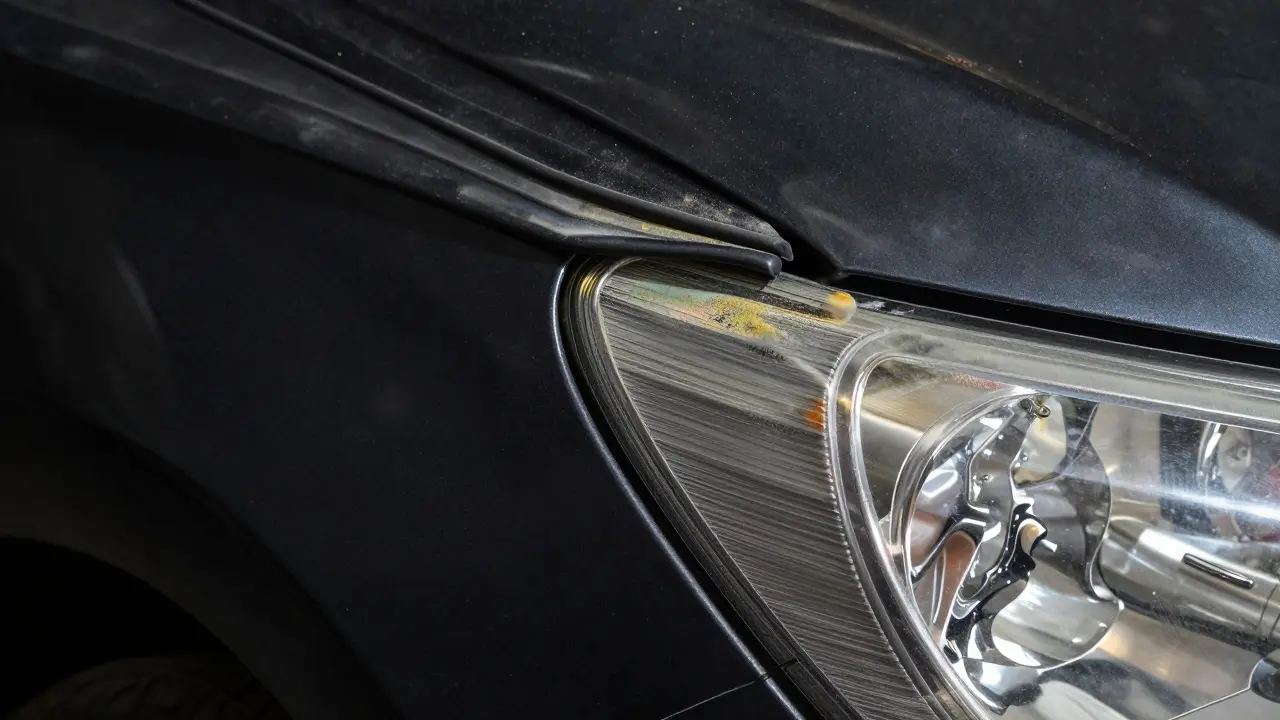
However, amateur painters or rushed shops often skip this tedious masking step. They spray paint broadly to cover the damage quickly. The result? Paint particles settle on adjacent surfaces. You’ll see a fine, dusty layer of color on black plastic trim, clear window glass, or even inside the wheel arches. While it might look minor, overspray indicates that the person fixing the car did not follow proper industry standards. It suggests a lack of care and attention to detail that likely extends to other parts of the repair, such as structural alignment or rust prevention.
Visual Signs of Poor Quality Bodywork
Your eyes are your first line of defense. Before you even touch the car, walk around it slowly. Look at the vehicle from different angles, preferably in natural daylight if possible. Artificial lighting can hide imperfections, but sunlight reveals them instantly.
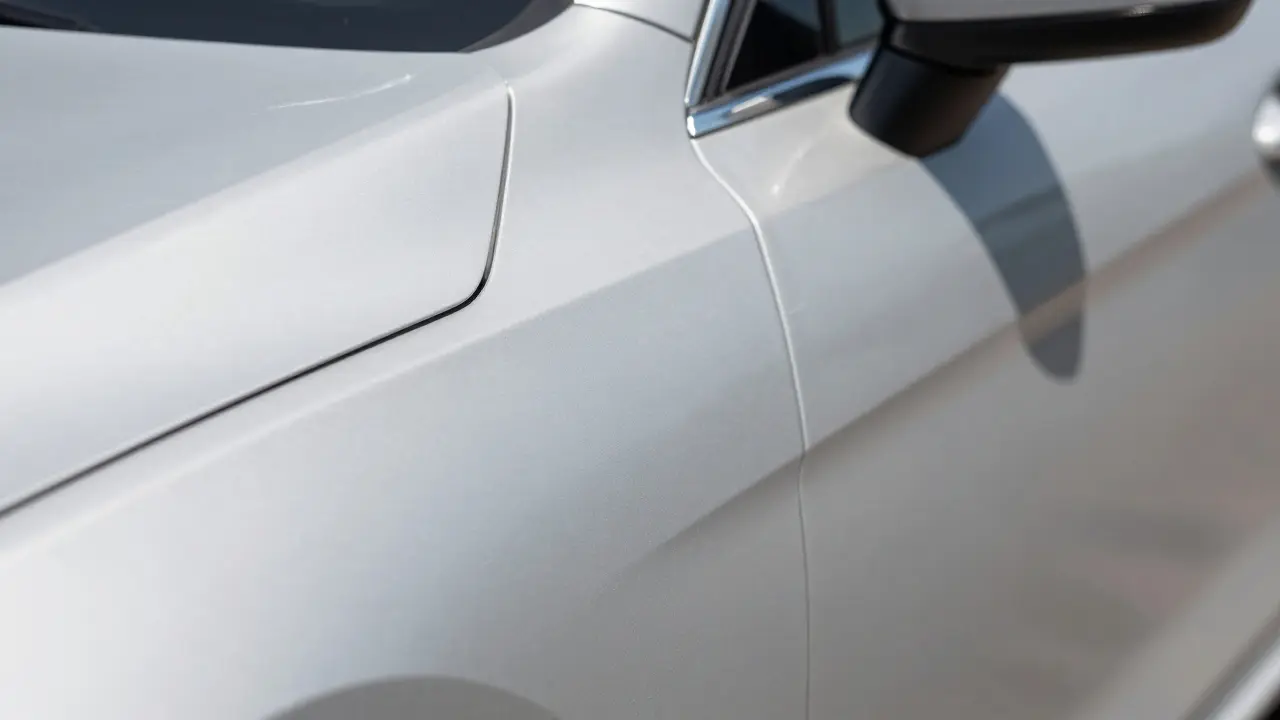
- Misaligned Panels: Check the gaps between doors, the hood, and the trunk. These gaps should be consistent and straight. If one gap is wide while the next is narrow, or if the lines curve unevenly, the car may have been pulled out of alignment after a collision. This is a sign of structural damage that was poorly repaired.
- Orange Peel Texture: Run your hand over the paint surface. Good factory paint is smooth as glass. Poor aftermarket paint often has a bumpy texture resembling the skin of an orange. This happens when the paint is sprayed too thickly or at the wrong distance.
- Color Mismatch: Even slight differences in shade between panels can indicate a repaint. Look closely at the edges where two panels meet. If the color transitions abruptly or looks lighter/darker than the rest of the car, it’s a fresh coat of paint trying to blend in.
- Bubbles and Cracks: Small bubbles in the paint suggest moisture was trapped underneath during application. Cracks, especially near edges, mean the old paint wasn’t sanded down properly before the new layer was applied.
Using Your Hands and Tools to Detect Flaws
Looking isn’t enough. You need to touch the car. Wear clean gloves to avoid leaving fingerprints, but use your fingertips to feel for irregularities. Run your hand along the seams of the doors and fenders. If you feel sharp edges, ridges, or dips, that’s body filler (often called Bondo) being used to smooth out dents. Too much filler is a bad sign because it can crack and fall off over time, exposing bare metal to rust.
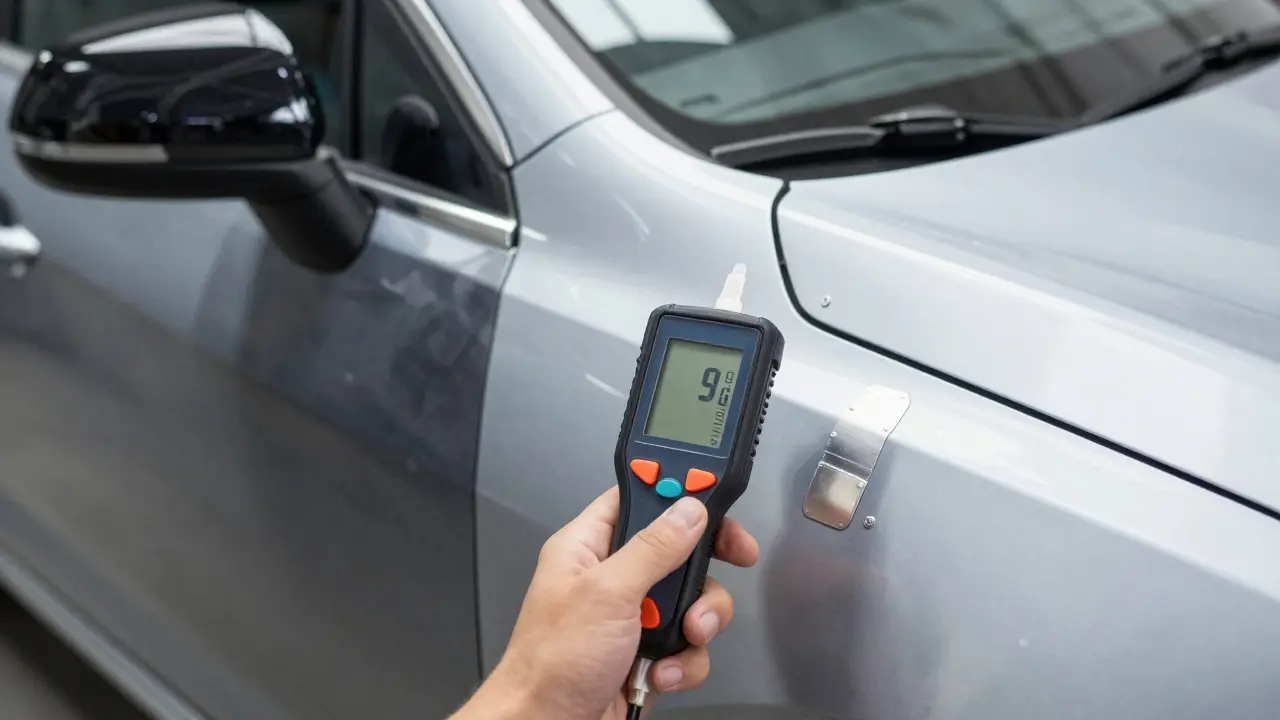
To get more precise data, bring a Paint Thickness Gauge is a handheld device that measures the thickness of paint layers on a vehicle's surface. Factory paint is typically between 1.0 and 1.5 mils (thousandths of an inch). If your gauge reads 3.0 mils or higher on a specific panel, that area has been repainted. A reading of 5.0 mils or more usually means heavy body filler was applied. Compare readings across multiple panels. If the roof says 1.2 mils but the front fender says 4.5 mils, you’ve found a repaired section.
A magnet is another simple tool. Steel cars have ferrous metal bodies. Stick a strong magnet to various panels. If it sticks firmly everywhere except one door, that door might be made of aluminum or fiberglass replacement material, or it could be covered in non-magnetic filler. This discrepancy points to significant past damage.
Inspecting Hidden Areas for Overspray
Amateur painters often miss the hard-to-reach spots. These hidden areas are where you’ll find the smoking gun evidence of sloppy work. Don’t just look at the exterior; open up the car.
- Window Seals: Pull back the rubber weather stripping around the windows. Look for paint residue on the rubber or the glass itself. Proper painters mask these areas completely. Finding paint here means they sprayed blindly.
- Headlight Lenses: Shine a flashlight into the headlight housing. Sometimes overspray gets inside the lens assembly, creating a hazy film that reduces light output. This is difficult to remove and affects visibility.
- Door Jams: Open each door and inspect the inner metal frame (the jambs). Factory cars often have sealant or primer here, but they shouldn’t have glossy topcoat paint unless the whole car was repainted. If you see fresh paint in the door jambs but not on the outside edge, it’s a sign of a partial repaint job done hastily.
- Wheel Arches: Crouch down and look inside the wheel wells. Rust inhibitors and undercoating are normal, but bright colored paint splatter on the suspension components or brake lines is not. This shows the painter didn’t take the time to protect mechanical parts.
Understanding the Risks of Poor Bodywork
Why does this matter beyond aesthetics? Poor bodywork compromises the structural integrity of the vehicle. Modern cars are designed to crumple in specific ways during a crash to absorb energy. If a previous owner had a rear-end collision and the frame was poorly welded or filled, that crumple zone may no longer function correctly. In a subsequent accident, you could suffer severe injury because the car won’t deform as engineered.
Rust is another silent killer. If body filler was applied over rust without removing all the corrosion, the rust continues to eat away at the metal underneath. Within a year or two, the filler will bubble and crack, leading to expensive repairs. In damp climates like the UK, this process accelerates rapidly.
Finally, resale value takes a hit. Once you own a car with visible signs of poor repair, it becomes harder to sell. Future buyers will run the same checks you’re doing now and spot the same issues. You’ll likely have to discount the price significantly to move the vehicle.
| Feature | Professional Repair | Amateur/Poor Quality Repair |
|---|---|---|
| Masking | All adjacent areas taped and covered | Minimal or no masking; overspray present |
| Paint Thickness | Consistent with factory specs (1-1.5 mils) | Inconsistent; often exceeds 3 mils due to filler |
| Panel Alignment | Gaps are even and straight | Gaps vary; panels may bulge or dip |
| Texture | Smooth, glossy finish | Orange peel texture or visible brush marks |
| Hidden Areas | Clean door jams and wheel wells | Paint residue in seals, lights, and hinges |
When to Walk Away
Not every flaw means you should reject the car. Minor stone chips or small scratches are normal wear and tear. However, certain signs warrant immediate caution. If you find extensive overspray combined with misaligned panels, the car has likely been in a major accident. Ask the seller for documentation of the repair. If they cannot provide receipts from a reputable body shop, or if the paperwork doesn’t match the physical evidence, consider walking away.
If the paint thickness gauge shows massive variations across the entire car, it might have been resprayed to hide widespread rust. This is common in older vehicles exposed to salted roads. Investigate further by checking the floor pans and chassis for soft spots. Press down on the carpets inside the footwells. If you feel sponginess or see holes, rust has compromised the structure.
Remember, you are buying a machine that needs to keep you safe. Aesthetic perfection is nice, but structural honesty is essential. If you’re unsure, hire a pre-purchase inspection from a qualified mechanic or body specialist. The cost of an inspection (£100-£200) is negligible compared to the cost of repairing a botched frame job (£2,000+).
Is overspray always a sign of bad workmanship?
While minor overspray can happen even in professional shops, extensive overspray on windows, seals, and trim is a strong indicator of rushed or amateur work. It suggests the painter skipped critical preparation steps like masking, which often correlates with other shortcuts in the repair process.
Can I remove overspray myself?
Light overspray on clear plastic or glass can sometimes be removed with a clay bar or specialized cleaning products. However, overspray on painted surfaces or rubber seals is difficult to remove without damaging the underlying material. It’s best to view overspray as a diagnostic clue rather than a cosmetic issue to fix yourself.
What is a normal paint thickness reading?
Factory paint thickness typically ranges from 1.0 to 1.5 mils (25-38 microns). Readings above 2.0 mils suggest a repaint, while readings above 3.0 mils often indicate the use of body filler. Consistency across all panels is more important than the exact number, as long as it falls within reasonable limits.
Should I buy a car with mismatched paint colors?
A slight color difference might be acceptable if it’s on a single panel and explained by a documented minor repair. However, significant mismatches across multiple panels suggest the car was repainted without proper blending techniques. This raises questions about the extent of prior damage and the quality of the repair.
How do I check for hidden rust under body filler?
Use a paint thickness gauge to identify areas with excessive filler. Then, press firmly on those areas with your thumb. If the surface feels soft or spongy, rust may be eating away the metal beneath. Additionally, inspect wheel arches and door bottoms for bubbling paint, which is a classic sign of subsurface corrosion.
Comments
Joe Walters
Oh wow, look at me, I'm so sophisticated because I can tell if a door gap is off by two millimeters. Truly the pinnacle of human achievement right here. Most people just drive their rust buckets until they fall apart but not us, the elite class of used car shoppers who care about 'structural integrity' and 'aesthetics'. It's exhausting being this knowledgeable while everyone else is out there buying lemons because they lack my refined palate for automotive craftsmanship.
I spent three hours last week inspecting a 2015 Civic and found a single speck of dust on the window seal which clearly indicated a catastrophic failure in the masking protocol of some long-dead painter. The sheer audacity! The drama! My soul weeps for the state of modern bodywork. You people think you know cars? Please. You're peasants.
June 11, 2026 at 02:50
Patrick Dorion
The guide is solid, but let's add some nuance regarding the paint thickness gauge readings mentioned. Factory paint isn't always a uniform 1.0 to 1.5 mils across every single panel due to manufacturing variances or touch-ups done at the dealership before sale. A reading of 2.0 mils might just be a clear coat application over factory paint rather than full body filler.
Also, the magnet test is useful for steel panels but completely useless for aluminum hoods or fiberglass components which are common on newer trucks and SUVs. Don't assume damage just because the magnet doesn't stick; check the owner's manual for material specs first. Context matters more than raw data points.
June 12, 2026 at 18:10
Edward Nigma
You are all wrong. Overspray is actually a sign of artistic freedom and the painter expressing themselves beyond the confines of rigid industrial standards. Why should we mask everything? It stifles creativity. If there is paint on the window, it means the painter loved that car enough to cover it entirely in color. Your obsession with 'proper industry standards' is just a way to enforce conformity and suppress the chaotic beauty of accidental art. Stop judging the overspray and start appreciating the boldness of the unmasked spray gun. It is anarchy in its purest form.
June 13, 2026 at 17:34
Marissa Haque
OMG!!! This is literally the most important thing anyone has ever written!!!!!! I cannot believe how many people ignore these signs!!!!! My heart was pounding reading this because I almost bought a car last month that had this exact orange peel texture on the hood!!!! It was horrifying!!!!! Thank you so much for saving me from such a terrible mistake!!!!! I am shaking just thinking about it!!!!! We need to spread this information everywhere!!!!!!
June 15, 2026 at 08:05
Lisa Puster
why do americans even bother looking at this stuff when your cars are garbage anyway. european engineering is superior and you just patch them up with bondo because you cant afford real parts. typical. i bet most of you have never seen a proper frame rail repair done correctly. pathetic. stay home and buy new junk.
June 16, 2026 at 11:39
Keith Barker
the act of inspection is merely a projection of our fear of decay onto the machine. we seek perfection in metal because we lack it in ourselves. the overspray is not an error but a reminder that nothing is contained. everything bleeds into everything else. why do we resist this truth?
June 17, 2026 at 14:31
Michael Richards
If you are buying a used car and you do not have a paint thickness gauge and a magnet in your glovebox then you are stupid. Do not come crying to me when your transmission blows because the previous owner welded the subframe back together with duct tape and hope. Knowledge is power and ignorance is expensive. Learn the skills or get ripped off. It is that simple. No excuses.
June 19, 2026 at 05:46
Lisa Nally
As a certified automotive appraiser with over fifteen years of experience in collision reconstruction analysis, I must emphasize that the visual inspection protocols outlined here are rudimentary at best. The term 'orange peel' refers specifically to the surface topography resulting from improper atomization of the basecoat during application. Furthermore, the presence of overspray on non-painted surfaces such as rubber weatherstripping indicates a fundamental breach of ISO 9001 quality management principles within the repair facility. One must also consider the refractive index mismatch between original equipment manufacturer (OEM) clear coats and aftermarket polyurethane finishes which often results in visible sheen discrepancies under polarized light conditions. It is imperative that prospective buyers engage qualified professionals rather than relying on amateur heuristic assessments.
June 21, 2026 at 04:34
Laura Davis
Hey everyone! Let's keep this discussion positive and helpful! While it is frustrating to find poor workmanship, remember that learning these skills empowers us to make better choices! Don't be too hard on yourself if you miss something the first time. Just keep practicing and asking questions! We are all here to support each other in finding safe vehicles! Stay strong and keep checking those gaps!
June 21, 2026 at 16:20
Robert Barakat
What is a car but a vessel for our transient desires? The paint fades. The metal rusts. The overspray settles like dust on forgotten memories. To judge the quality of the bodywork is to misunderstand the nature of impermanence. Drive the car. Feel the road. Let the flaws be part of the journey. Perfection is a myth constructed by those afraid of life.
June 23, 2026 at 13:51