
Buying a used car is exciting until you realize the paperwork doesn't match the metal. You might find yourself holding keys to a vehicle that isn't legally yours, or worse, one that has a hidden history of theft or severe damage. Verifying used car ownership and title status is not just bureaucratic red tape; it is your primary defense against financial loss and legal headaches. Without this step, you could end up with a car you cannot register, insure, or sell.
The process seems daunting because every state handles vehicle records differently. However, the core principles remain the same everywhere in the United States. By understanding how to read a title, where to look for discrepancies, and which tools to use, you can walk into any dealership or private sale with confidence. This guide breaks down exactly what you need to do before handing over your cash.
Understanding Vehicle Titles and Their Types
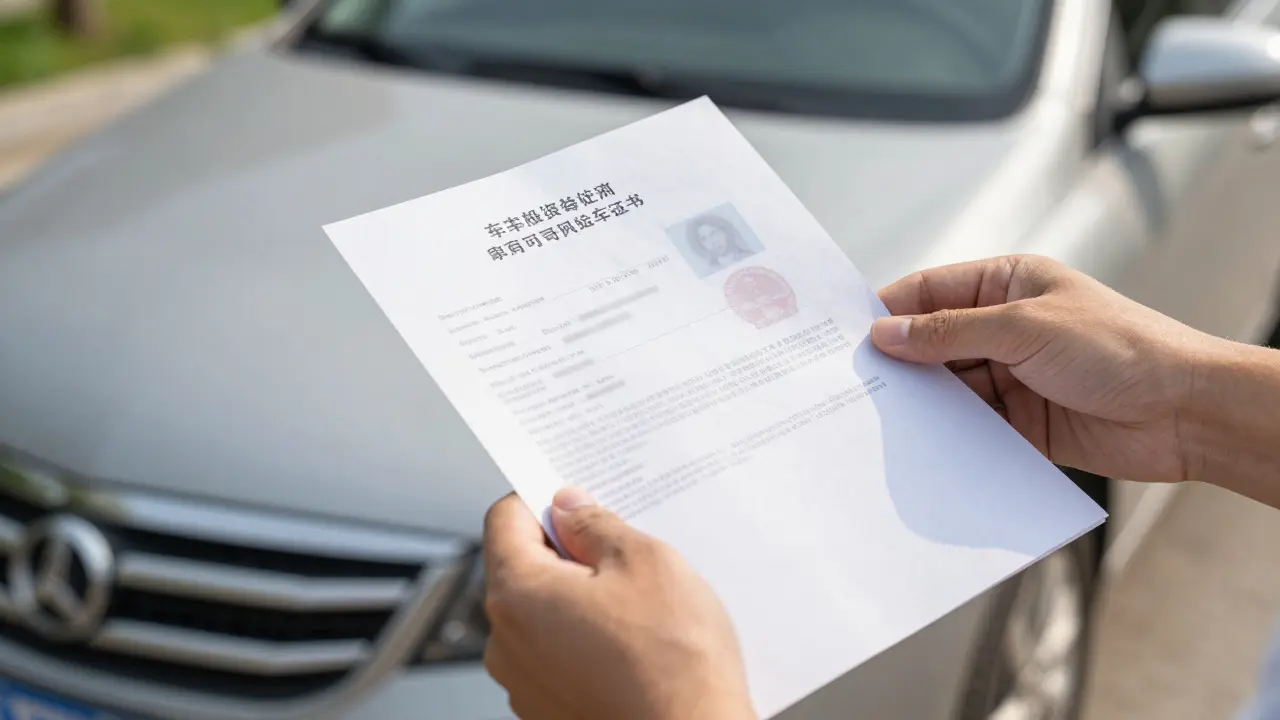
Before you can verify a title, you need to understand what you are looking at. A Vehicle Title is the legal document that proves ownership of a motor vehicle. It is issued by your state's Department of Motor Vehicles (DMV) or equivalent agency. Unlike the registration, which proves you have paid fees to drive on public roads, the title proves who actually owns the asset.
Titles come in several flavors, and knowing the difference is critical. A "Clean Title" is the gold standard. It means the car has no major recorded accidents, thefts, or structural damage. Most buyers want this. Then there are "Branded Titles." These include:
- Salvage Title: Issued when an insurance company declares the car a total loss due to damage exceeding a certain percentage of its value (usually 75-80%). These cars are often unsafe to drive without extensive repairs.
- Flood Title: Indicates the car was submerged in water. Water damage causes electrical gremlins and rust that can surface years later.
- Junk Title: The car is beyond repair and can only be sold for parts. You cannot register or drive a junk-title car on public roads.
- Rebuilt/Reconstructed Title: A salvage car that has been repaired and passed inspection. It is drivable but carries a stigma and lower resale value.
If the seller hands you a title that says "Salvage" but tells you it's "just a piece of paper," they are lying. That brand stays with the car forever. Always demand to see the physical title or a digital copy from the state database before making an offer.
Checking the VIN for Discrepancies
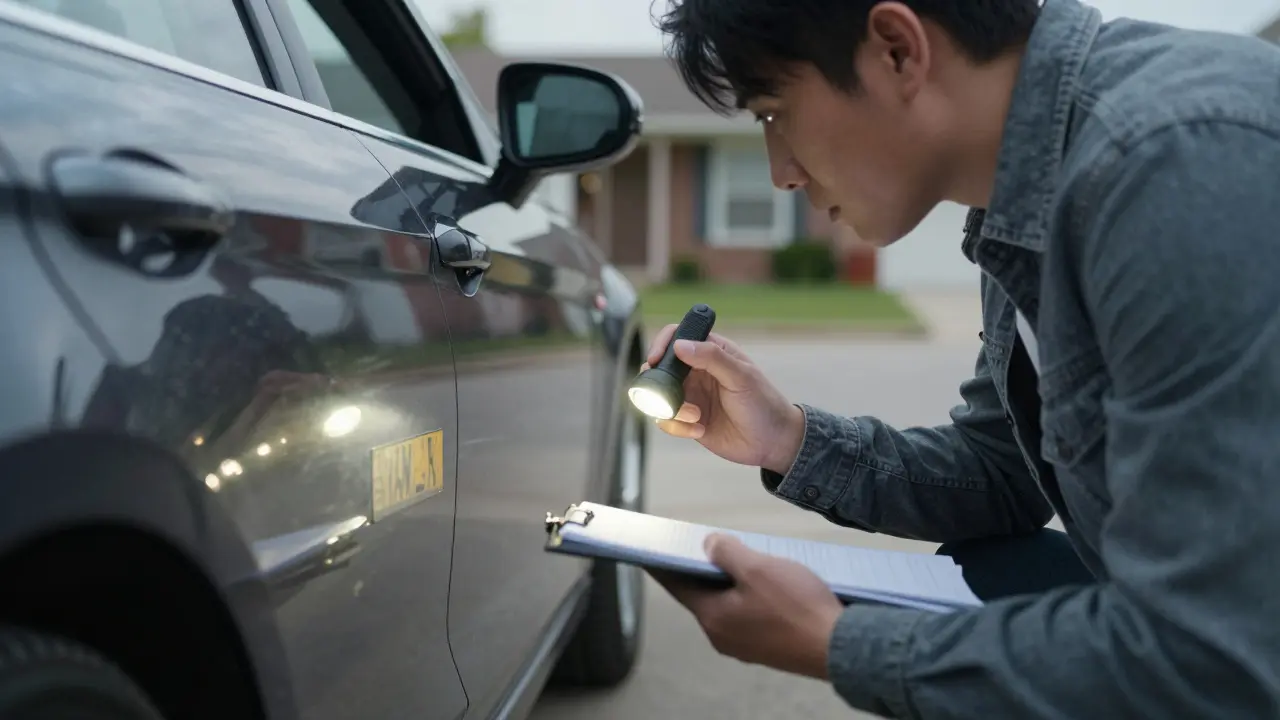
The Vehicle Identification Number (VIN) is the car's fingerprint. It is a unique 17-character code assigned to every vehicle manufactured since 1981. The first step in verifying ownership is ensuring the VIN on the title matches the VIN on the car itself.
Walk around the vehicle and locate the VIN in three places:
- Dashboard: Look through the windshield on the driver's side. It should be visible from outside the car.
- Driver's Side Door Jamb: Open the door and look for a sticker on the pillar.
- Engine Block or Frame: Sometimes stamped directly onto the metal under the hood.
Compare these numbers character by character with the VIN listed on the title document. If even one digit is different, stop the transaction immediately. This discrepancy could indicate title washing, where a bad title is cleaned up by moving the car to another state, or outright fraud where someone is trying to pass off a stolen car as legitimate.
| Issue | What It Means | Action Required |
|---|---|---|
| VIN mismatch between title and dashboard | Possible identity swap or cloning | Do not buy. Report to authorities if suspicious. |
| Missing or altered characters | Attempted concealment of history | Reject the vehicle. |
| VIN does not match 17-character standard | Older pre-1981 car or error | Verify with DMV manually. |
Running a Comprehensive History Report
Once the VINs match, you need to dig deeper. A visual inspection won't tell you if the car was reported stolen last month or if it has an outstanding loan attached to it. This is where third-party history reports come in. Services like Carfax and AutoCheck aggregate data from DMVs, insurance companies, and repair shops.
These reports cost money, usually between $30 and $40, but that fee is cheap compared to buying a lemon. When you run the report, look for specific sections:
- Ownership History: How many owners did the car have? Frequent changes in short periods can signal problems.
- Accident Records: Even minor fender benders can affect safety systems. Major accidents usually result in a branded title.
- Odometer Readings: Check for rollbacks. If the mileage jumps backward or stays static for years while the car is being driven, the odometer may have been tampered with.
- Title Brands: Confirm whether the current title is clean or branded.
Note that these reports are not perfect. They rely on reported data. If a mechanic fixes a dent privately and never files an insurance claim, it won't show up. That is why a pre-purchase inspection by a trusted mechanic is still necessary.
Verifying Liens and Encumbrances
A lien is a legal claim against the vehicle by a lender. If the previous owner hasn't paid off their car loan, the bank still owns the car, not the seller. Buying a car with an unpaid lien means you could lose the vehicle to repossession even after paying the seller in full.
To check for liens, you must contact the DMV in the state where the title was issued. Many states now offer online lien checks via their official websites. You will need the VIN and sometimes the license plate number. The DMV record will show if there is an active lienholder.
If the seller claims the loan is paid off, ask them to provide the lien release letter from the bank. Do not accept a verbal assurance. In some cases, sellers try to pay off the lien themselves after you hand over the cash. This is risky. The safest method is to meet at the bank or use an escrow service where the funds are held until the lien is cleared and the title is transferred to your name.
State-Specific Title Transfer Rules
Each of the 50 states has its own rules for transferring titles. Some states require both parties to appear in person at the DMV. Others allow mail-in transfers. A few states, like Georgia and Maryland, have moved toward electronic titles (e-titles), meaning there is no physical paper document to sign.
In e-title states, the transfer happens digitally through the DMV's system. The seller initiates the transfer, and you receive notification when it is complete. This reduces fraud but requires you to be comfortable with digital processes. In traditional states, you must ensure the seller signs the back of the title correctly. Missing signatures, wrong dates, or missing notarization can delay your registration for weeks.
Always check your local DMV website for the specific requirements before closing the deal. Bring all necessary documents, including proof of insurance and payment for sales tax. Failure to comply with state regulations can result in fines or inability to register the vehicle.
Red Flags to Watch For During the Sale
Beyond the paperwork, human behavior can reveal issues. Be wary of sellers who:
- Refuse to let you take the car for a test drive.
- Pressure you to buy quickly without time for verification.
- Cannot produce the original title or claim it is "in the mail."
- Sell the car for significantly below market value without a logical reason.
- Ask for payment via wire transfer, gift cards, or cryptocurrency.
Legitimate sellers understand that buyers need to verify ownership. They will provide copies of the title, answer questions about the car's history, and allow you to run checks. If something feels off, trust your instincts. Walk away. There are plenty of other cars on the market.
Steps to Take After Verification
Once you have verified the title, checked the VIN, run a history report, and confirmed no liens exist, you are ready to close the deal. Here is the final checklist:
- Sign the Title: Ensure the seller signs exactly where indicated. Include the date and sale price.
- Get a Bill of Sale: Create a simple document stating the buyer, seller, VIN, sale price, and date. Both parties should keep a copy.
- Transfer Insurance: Contact your insurance provider to add the new vehicle to your policy before driving it home.
- Visit the DMV: Submit the signed title, bill of sale, and application for registration within the timeframe required by your state (often 10-30 days).
- Pay Taxes and Fees: Budget for sales tax, title fees, and registration costs. These vary widely by location.
By following these steps, you protect yourself from fraud and ensure a smooth transition of ownership. Verifying used car ownership is not just about checking boxes; it is about securing your investment and peace of mind.
Can I buy a car without a title?
In most states, you cannot legally register or insure a car without a title. Some states allow a bonded title process if the original is lost, but this involves waiting periods and fees. Never buy a car where the seller refuses to provide a title or explanation for its absence.
How long does it take to get a new title?
Processing times vary by state. Online applications may take 2-4 weeks, while in-person visits might yield faster results. E-title states update records instantly, but you may still wait for confirmation emails. Check your local DMV website for estimated timelines.
What is title washing?
Title washing is a fraudulent practice where a car with a branded title (like Salvage) is moved to another state that does not share records effectively, obtaining a clean title. This hides the car's true history. Always run a national VIN check to detect cross-state brands.
Is a bill of sale enough to prove ownership?
No. A bill of sale is supporting documentation but does not replace the title. The title is the legal proof of ownership. Without it, you cannot register the vehicle or establish clear title for future resale.
What if the VIN is damaged or unreadable?
If the VIN is obscured, damaged, or replaced, you must contact your DMV immediately. They may require a special inspection to verify the vehicle's identity. Driving a car with an illegible VIN is illegal in many jurisdictions and can lead to impoundment.