
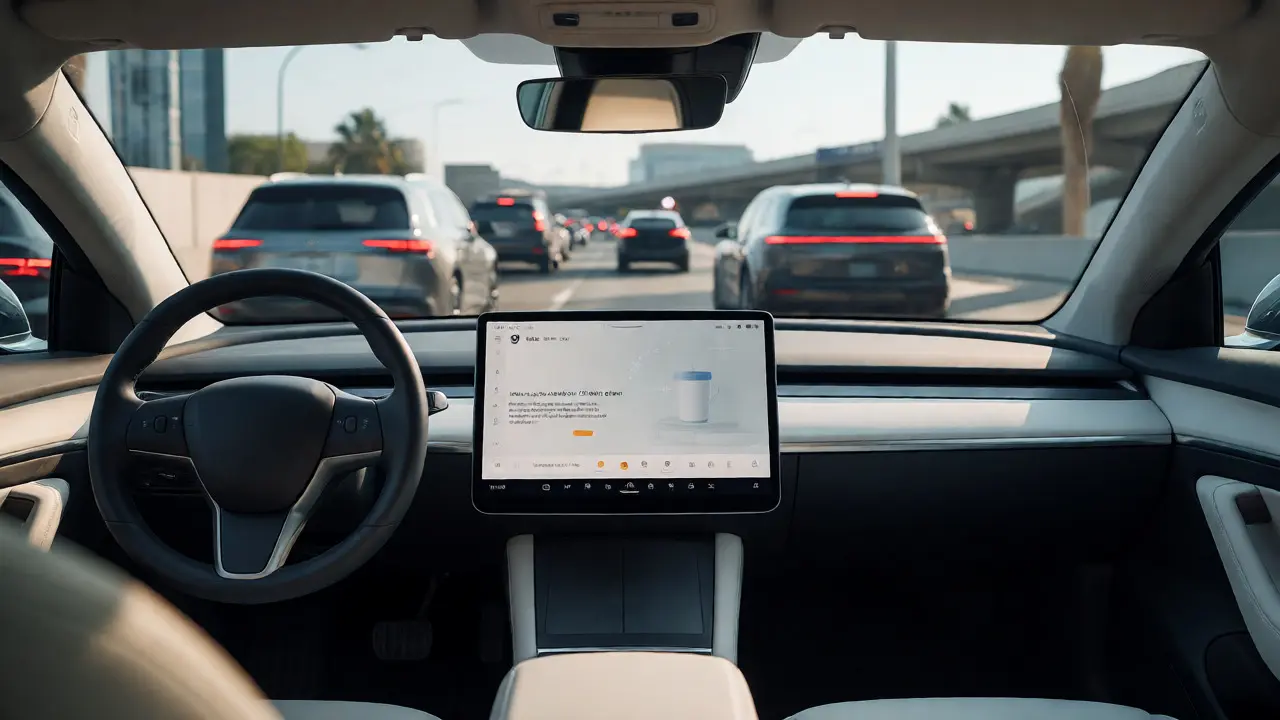
You’re stuck in traffic on the M4. Your dashboard lights up with a notification for a coffee shop two miles ahead. It’s not just a map pin; it’s a targeted ad based on your driving history, current location, and even the time of day. Welcome to the new normal of in-car advertising. This isn’t some far-off sci-fi dream anymore. By October 2026, it’s a tangible revenue stream for automakers and a daily reality for drivers.
But here’s the kicker: the ads are just the tip of the iceberg. The real money is in the data. Every mile you drive, every brake you tap, and every route you choose generates valuable information. Automakers are sitting on gold mines of behavioral data, and they’re figuring out how to sell it without making you feel like a product. If you’re wondering how this impacts your wallet, your privacy, and your car’s interface, you’re in the right place.
The Shift from Hardware to Software Revenue
For decades, car companies made their profit when you bought the vehicle. Once you drove off the lot, the relationship was mostly about maintenance and occasional parts sales. That model is crumbling. Today, vehicles are essentially smartphones on wheels. They have operating systems, app stores, and always-on connectivity. This shift has forced automakers to look for recurring revenue streams beyond the initial sale.
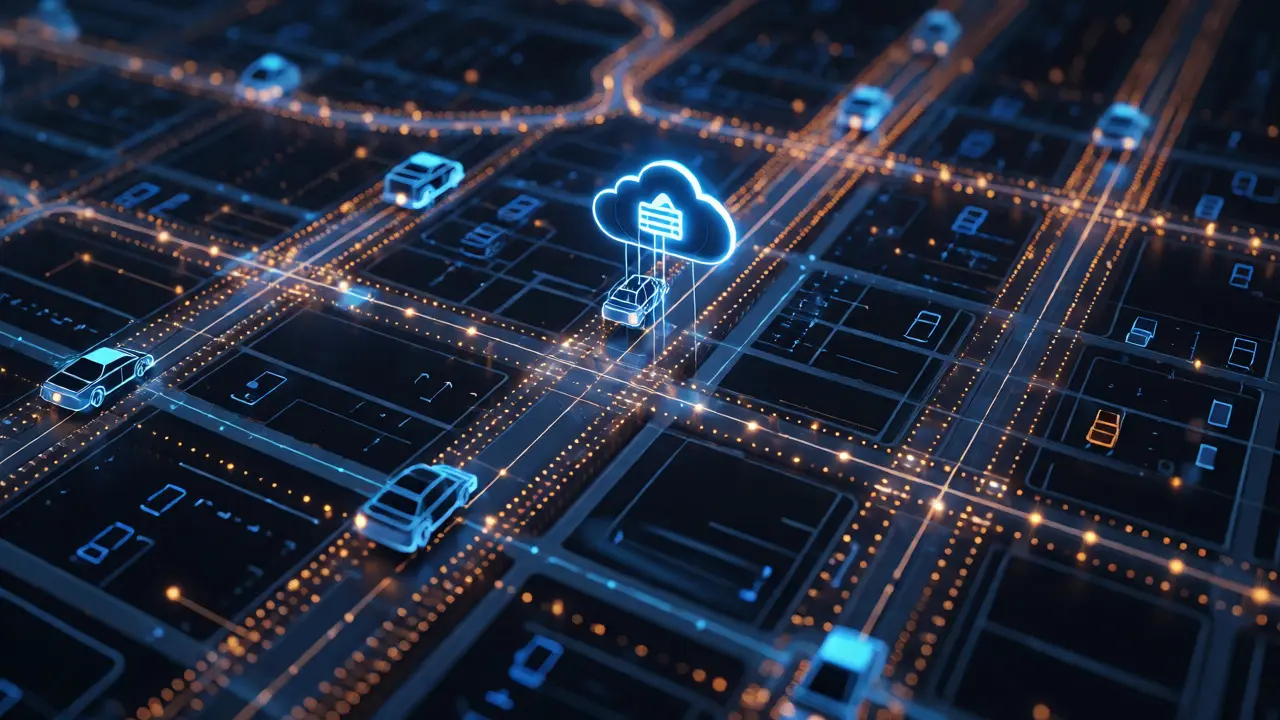
Data monetization is the engine driving this change. When a manufacturer collects anonymized data on driving habits, they can sell insights to insurance companies, urban planners, and advertisers. For instance, if thousands of drivers in Bristol consistently take Route A over Route B during rush hour, that data tells city planners where to invest in infrastructure. Or, it tells an advertiser which local businesses will see the most foot traffic.
This isn’t just theory. Major players like Tesla, BMW, and General Motors have already integrated data-sharing programs into their service contracts. You might notice slight changes in your monthly subscription fees or new "premium" tiers that offer better navigation or entertainment packages. These tiers often come with the fine print: your driving data helps subsidize the cost.
How In-Car Ads Actually Work
So, what does an in-car ad look like? It’s rarely a flashing billboard on your windshield. Instead, it’s contextual and subtle. Think of it as native advertising within your infotainment system. Here’s how it typically plays out:
- Location-Based Triggers: As you approach a commercial zone, your car’s GPS identifies nearby partners. A fast-food chain might push a coupon to your screen when you’re within five minutes of their location.
- Time-Sensitive Offers: During lunch hours, the system might highlight nearby restaurants with available tables. At night, it could suggest bars or late-night eateries.
- Voice Assistant Integrations: If you ask your car’s voice assistant for directions, the response might include a sponsored destination option, clearly marked as "Sponsored."
The technology behind this relies on connected car platforms. These systems use real-time data processing to match user profiles with advertiser campaigns. Unlike traditional radio ads, which blast the same message to everyone, in-car ads are personalized. If you’ve never visited a gym, you probably won’t see a fitness center promotion. But if you frequent health clubs, you’ll get relevant offers.
This precision makes in-car advertising incredibly attractive to brands. According to recent industry reports, engagement rates for in-car ads are significantly higher than mobile display ads because the driver is actively using the interface. You’re not scrolling past an ad while waiting for a bus; you’re interacting with your car’s system, so the context is immediate.
The Privacy Paradox
Let’s address the elephant in the room: privacy. Many drivers worry that their cars are spying on them. And honestly, they aren’t entirely wrong. Modern vehicles collect massive amounts of data. We’re talking about speed, acceleration, braking patterns, seatbelt usage, and even phone call logs. This level of detail allows insurers to offer usage-based policies, but it also raises eyebrows.
In the UK, the General Data Protection Regulation (GDPR) sets strict rules on how this data is handled. Automakers must obtain explicit consent before sharing personal data with third parties. However, many users breeze through these permission screens without reading them. If you want to control who sees your driving habits, check your vehicle’s settings menu. Most modern cars allow you to toggle data sharing on or off for specific categories, such as location services or telematics.
There’s also a distinction between raw data and aggregated insights. Raw data links back to your VIN (Vehicle Identification Number), meaning it can identify your specific car. Aggregated data strips away personal identifiers, showing trends across millions of vehicles. Advertisers usually buy aggregated data to understand market trends, while insurers prefer raw data to assess individual risk. Understanding this difference helps you decide what you’re comfortable sharing.
Who Benefits from Data Monetization?
It’s not just automakers lining their pockets. Several sectors benefit from this ecosystem:
| Stakeholder | Benefit | Data Used |
|---|---|---|
| Automakers | Recurring revenue; improved product development | Vehicle performance metrics; user interface interactions |
| Advertisers | Targeted marketing; measurable ROI | Location history; purchase intent signals |
| Insurers | Accurate risk assessment; lower premiums for safe drivers | Driving behavior (speed, braking, mileage) |
| Urban Planners | Better traffic management; infrastructure investment | Traffic flow patterns; congestion hotspots |
For consumers, the benefits are indirect but real. Data-driven insights lead to smarter traffic lights, more efficient public transport routes, and potentially lower insurance costs if you’re a cautious driver. Some manufacturers even pass savings back to customers by offering free software updates or discounted charging stations for electric vehicles.
The Role of Electric Vehicles and Autonomous Tech
Electric vehicles (EVs) are accelerating this trend. Because EVs rely heavily on software for battery management and range prediction, owners are already accustomed to over-the-air updates and digital interfaces. This makes them more receptive to additional digital services, including advertising-supported features.
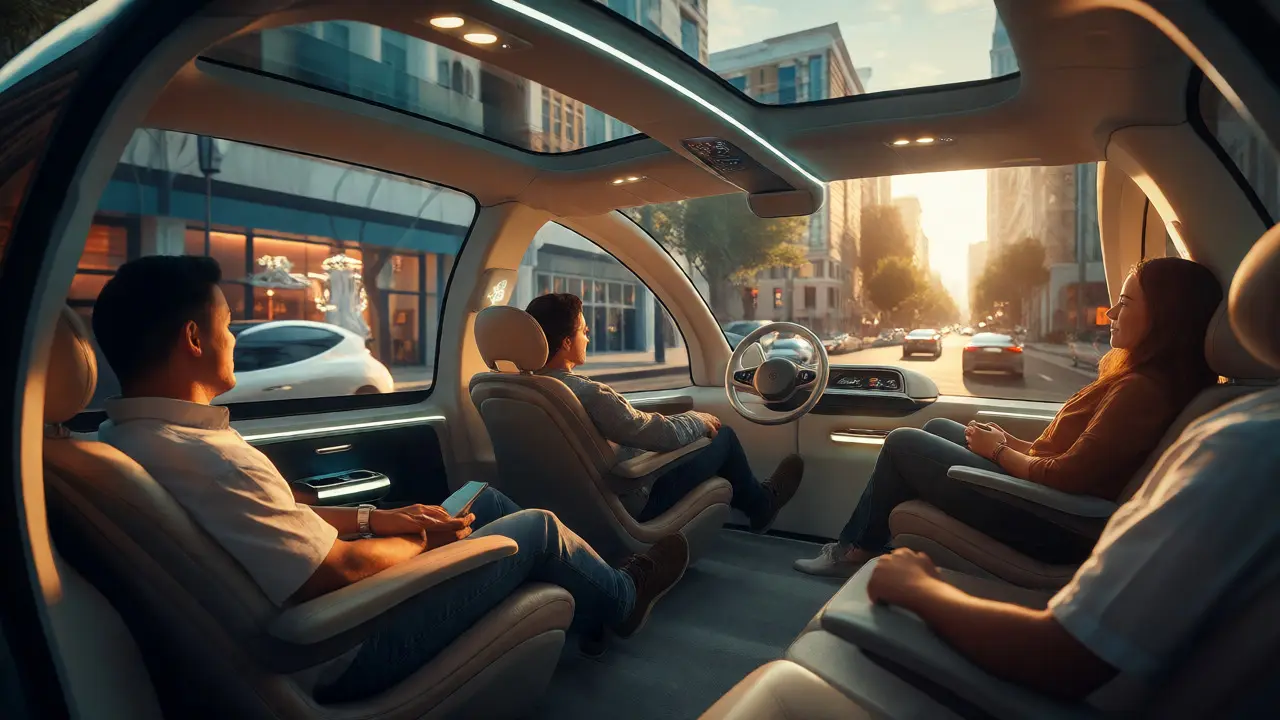
Autonomous driving adds another layer. Imagine a self-driving taxi where you don’t need to focus on the road. Your attention is freed up, making the cabin a perfect environment for video content or interactive ads. Companies like Waymo and Cruise are testing this concept, turning the commute into a media consumption opportunity. While fully autonomous fleets are still expanding in major cities, the groundwork for in-cabin entertainment and advertising is being laid now.
However, regulations around autonomous vehicles vary widely. In the UK, laws are evolving to accommodate self-driving cars, but liability issues remain complex. Who pays if a self-driving car crashes? Does the passenger own the data generated during the ride? These questions will shape the future of in-car data monetization.
Practical Tips for Drivers
If you’re buying a new car in 2026, consider how much data you’re willing to share. Here’s a quick checklist:
- Review Subscription Tiers: Check if basic features require data sharing. Sometimes, opting for a paid tier removes ads and data collection requirements.
- Customize Permissions: Go into your car’s settings and disable location tracking for apps you don’t use. Keep navigation active, but limit background data collection.
- Monitor Insurance Impact: Ask your insurer if they offer discounts for telematics. If yes, weigh the savings against your comfort level with data sharing.
- Check Firmware Updates: New software versions sometimes change default privacy settings. Read the release notes carefully after each update.
Remember, you have more power than you think. Consumer backlash has forced several automakers to dial back aggressive data collection practices. Voice your concerns through customer feedback channels, and support brands that prioritize transparency.
Frequently Asked Questions
Do all new cars show advertisements?
Not necessarily. Higher-end models often include ad-free infotainment systems as part of the premium package. Budget-friendly cars may rely on ad-supported navigation to keep costs down. Always check the specifications or ask the dealer about ad policies before purchasing.
Can I opt out of data sharing completely?
You can usually opt out of third-party data sharing, but doing so might disable certain features like real-time traffic updates or remote diagnostics. Core safety functions typically continue to work regardless of your privacy choices.
Is my driving data sold to advertisers?
Automakers rarely sell raw data directly. Instead, they provide aggregated, anonymized insights to advertising networks. This means advertisers know that "drivers in this area tend to visit coffee shops," not that "John Smith visits Starbucks every Tuesday."
Comments
Shaina Silver-Baird
It is not merely an advertisement; it is a surveillance mechanism disguised as convenience. The assertion that data is "anonymized" is a legal fiction designed to pacify the consumer while corporations harvest granular behavioral metrics. Every brake tap and route selection creates a digital fingerprint that can be re-identified with sufficient cross-referencing of external datasets. We are trading our autonomy for marginal discounts on coffee, a transaction that disproportionately benefits the automaker's balance sheet rather than the driver's wallet. The opacity of these consent forms suggests a deliberate strategy to obscure the extent of data exfiltration.
October 7, 2026 at 02:11
Kathleen Johnson
This article is painfully optimistic. It ignores the fact that most people don't read terms of service because they have no choice. If you want the car, you agree to the spyware. Simple as that.
The idea that drivers are "receptive" to ads in EVs is laughable. People buy Teslas for status and tech, not to watch commercials. The engagement rates cited are likely inflated by confirmation bias from industry insiders who profit from this model. It’s lazy analysis to suggest consumers will happily trade privacy for "smarter traffic lights." Most just want their car to start.
October 8, 2026 at 08:44
Liam Whelan
honestly i think its kinda creepy but also convenient?? like if my car tells me where to get gas cheap then im all ears :P but yeah the privacy stuff worries me a bit too much lol
October 9, 2026 at 23:14
Elizabeth Calwell
I appreciate the balanced view here! It’s easy to focus only on the negatives, but consider the potential for safety improvements. Data sharing can help identify dangerous intersections or road conditions faster than traditional surveys. As long as we maintain control over our permissions, this could genuinely enhance the driving experience. Let’s not throw the baby out with the bathwater; innovation often comes with growing pains, but it leads to better outcomes for everyone eventually.
October 10, 2026 at 05:13
Lauren Martin
The distinction between raw and aggregated data is a red herring used to confuse laypeople. In reality, high-dimensional vector spaces allow for precise re-identification even without direct identifiers. Automakers are essentially acting as data brokers, leveraging first-party telemetry to subsidize hardware costs while extracting surplus value from user attention. The regulatory framework is woefully inadequate to handle the velocity of data generation. We are witnessing the commodification of mobility itself, where the vehicle becomes a node in a larger advertising network rather than a tool for personal transport.
October 10, 2026 at 13:11
Shaina Silver-Baird
Precisely. The notion of "aggregated insights" is technically true but practically misleading when considering the sophistication of modern machine learning algorithms capable of de-anonymization. One must remain vigilant against the gradual erosion of privacy norms under the guise of technological progress.
October 10, 2026 at 19:45
Sundaraiah Kollipara
it is interesting to think about what this means for society though
if cars know everything about us do we still have private thoughts or just predicted behaviors? maybe the freedom of the open road is becoming an illusion because every turn is being watched and monetized
i wonder if future generations will see this as normal or if they will look back at us with pity for letting companies into our personal space so easily
October 11, 2026 at 20:43
jyotshna Senapati
Oh, please. You Indians always overthink things. This is basic capitalism. You pay with data, you get features. End of story. Stop being dramatic about your little car knowing where you go. It’s not like they’re reading your mind. Just accept that nothing is free anymore and move on with your life instead of complaining about things you agreed to when you signed the papers.
October 13, 2026 at 08:59
Sundaraiah Kollipara
i guess thats one way to look at it but does money really make up for losing control over your own information? feels like a bad deal to me honestly
October 14, 2026 at 10:32
Marisa Marroquin
The aesthetic integration of these notifications is surprisingly seamless. I find myself appreciating the subtle nudges toward local establishments, which adds a layer of serendipity to otherwise mundane commutes. It transforms the sterile cabin environment into something more connected to the surrounding community, provided one maintains strict boundaries regarding voice assistant activation.
October 14, 2026 at 11:25
Kathy Mccoy
That’s a great point about serendipity! It helps break the monotony of daily routes. For those feeling overwhelmed by the tech side, starting small with just location-based suggestions can make the transition easier. Remember, you can always adjust settings later if it feels too intrusive. Empowerment comes from understanding your options, not avoiding them entirely.
October 15, 2026 at 16:21
Ejike Ugwu
they watching us man!!
everywhere we go they tracking it down. dont trust them. they sell your soul for pennies. wake up!
October 16, 2026 at 10:59