
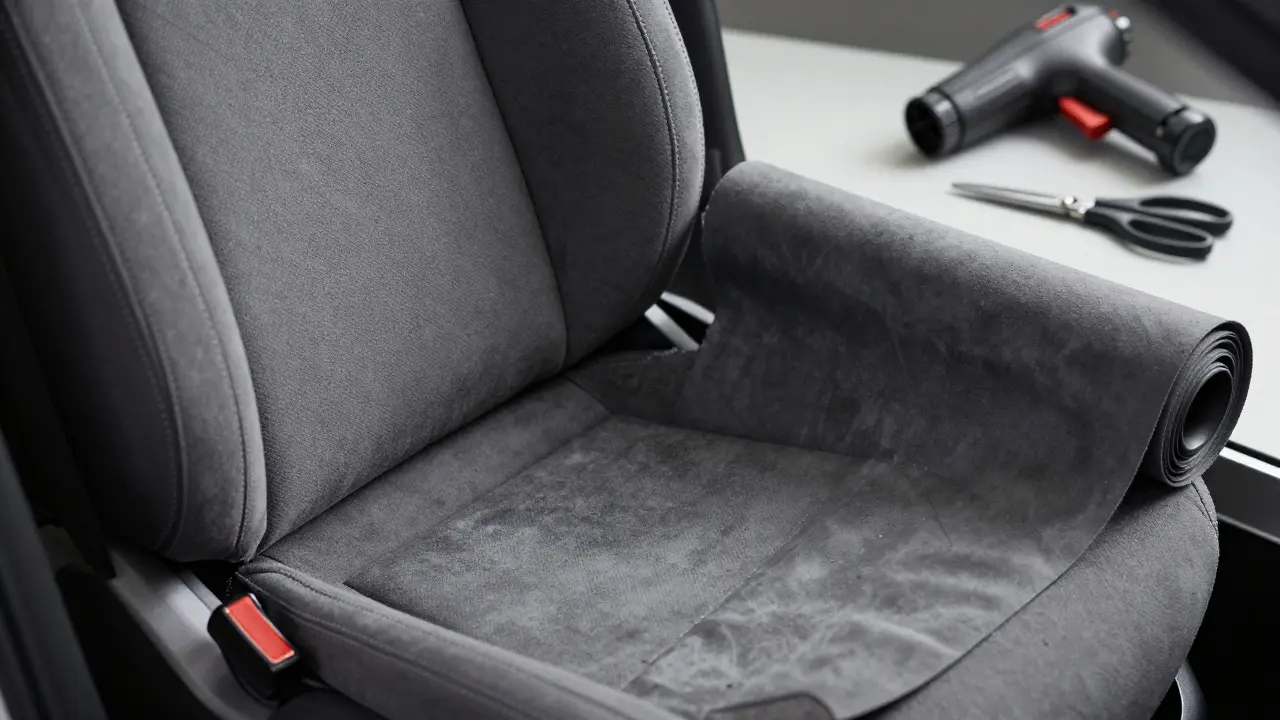
Your car’s engine might get the headlines, but you spend your daily life inside the cabin. A worn-out driver's seat or a cracked dashboard doesn't just look bad; it affects comfort, resale value, and even how safe you feel on the road. Interior customization isn't just about slapping on a new steering wheel cover. It’s about restoring functionality, enhancing aesthetics, and creating a space that fits your lifestyle. Whether you’re dealing with a ten-year-old sedan or a modern SUV, upgrading your car interior is one of the most cost-effective ways to transform your vehicle.
Why Upgrade Your Car Interior?
Most people wait until something breaks before they think about their car’s inside. But proactive customization offers tangible benefits. First, there’s comfort. Factory seats are designed for average body types, not necessarily yours. Swapping in supportive lumbar inserts or replacing worn foam can reduce back pain during long commutes. Second, hygiene matters. Old fabric traps allergens, dust, and odors. Replacing upholstery with high-quality materials improves air quality significantly. Finally, there’s the financial angle. A well-maintained or upgraded interior can add thousands to your car’s resale value. Buyers often judge a car by its condition first, and a pristine interior signals that the owner cared for the rest of the vehicle too.
Seats: The Heart of the Cabin
Seats are the largest single component of any car interior, and they offer the most room for improvement. You have three main paths: reupholstering, adding accessories, or full replacement.
- Reupholstering: This involves stripping the existing fabric or leather and applying new material over the original frame. It’s cheaper than buying new seats but requires professional labor. You can choose from leather, Alcantara, or durable synthetic fabrics like Cordura. Leather looks premium but needs conditioning every six months to prevent cracking. Alcantara offers a sporty feel and better grip but shows stains more easily.
- Full Replacement: If the seat frames are rusted or the adjusters are broken, swapping in aftermarket or OEM (Original Equipment Manufacturer) seats is the best option. Performance seats often come with better bolsters for cornering support. Memory foam inserts can be added to older seats to restore cushioning without replacing the entire unit.
- Accessories: Not ready for a full overhaul? Seat covers made from neoprene or breathable mesh can protect existing upholstery while adding style. Lumbar support pillows and heated seat pads are inexpensive fixes that make a huge difference in winter driving.
When choosing seat materials, consider your climate. In hot regions, perforated leather or ventilated seats help with airflow. In colder areas, heated seats are a must-have. Always check the warranty implications if you modify factory seats, as some manufacturers may void coverage if non-OEM parts are installed incorrectly.
Trim and Dashboard: Fixing the Cracks
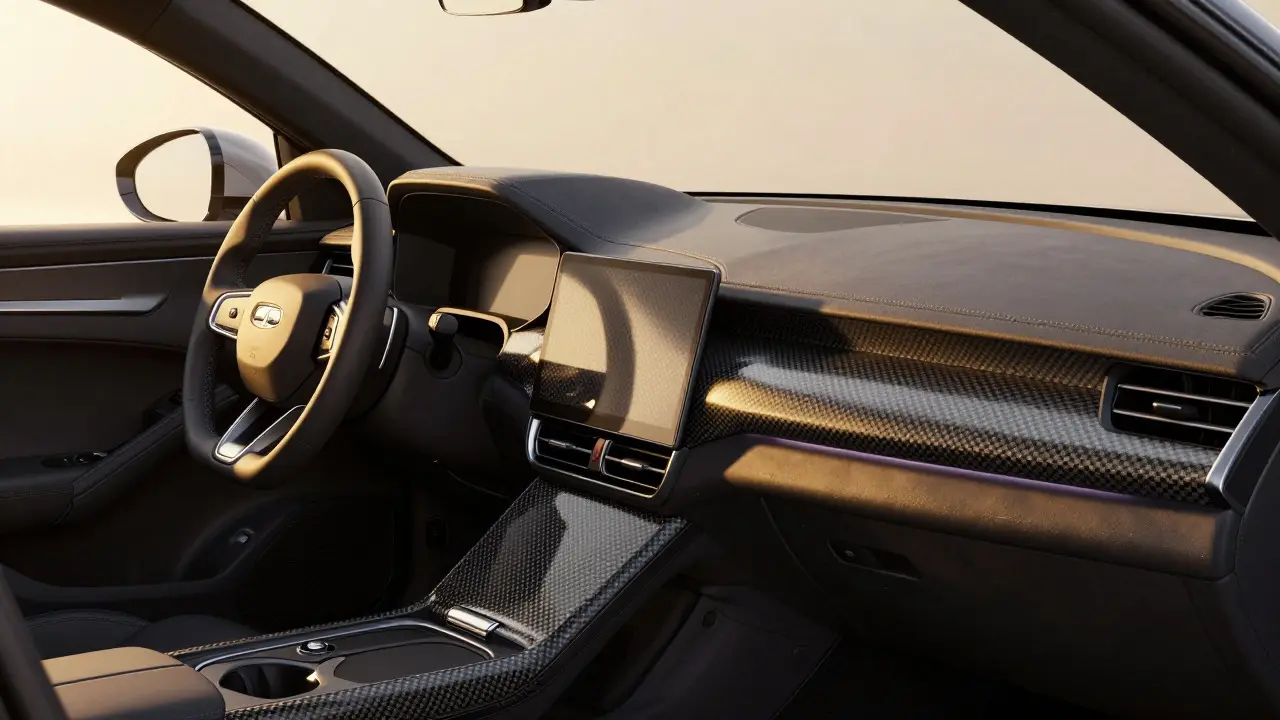
Dashboard trim is where sunlight damage hits hardest. UV rays cause plastic components to fade, crack, and peel. This is especially common in cars parked outdoors. You don’t always need to replace the whole dash. Here’s how to tackle trim issues effectively:
- Assess the Damage: Minor cracks can be filled with flexible plastic filler. Deep peeling usually requires part replacement.
- Choose the Right Material: Standard plastic trims are cheap but brittle. Carbon fiber-look vinyl wraps are popular for a sporty aesthetic and are easy to apply. Real carbon fiber is expensive but lightweight and durable. Wood grain accents remain a classic choice for luxury sedans, though they can look dated if not matched to the rest of the interior.
- Application Techniques: For DIY enthusiasts, adhesive-backed trim sheets are available. However, professional installation ensures no bubbles or misalignment. Heat guns are used to mold thermoplastic trims to fit complex curves perfectly.
A key tip: match the texture of your new trim to the surrounding surfaces. Mixing glossy and matte finishes carelessly can make the interior look cluttered. Consistency creates a cohesive look that feels intentional rather than patched together.
Upholstery Beyond Seats: Carpets, Headliners, and Doors
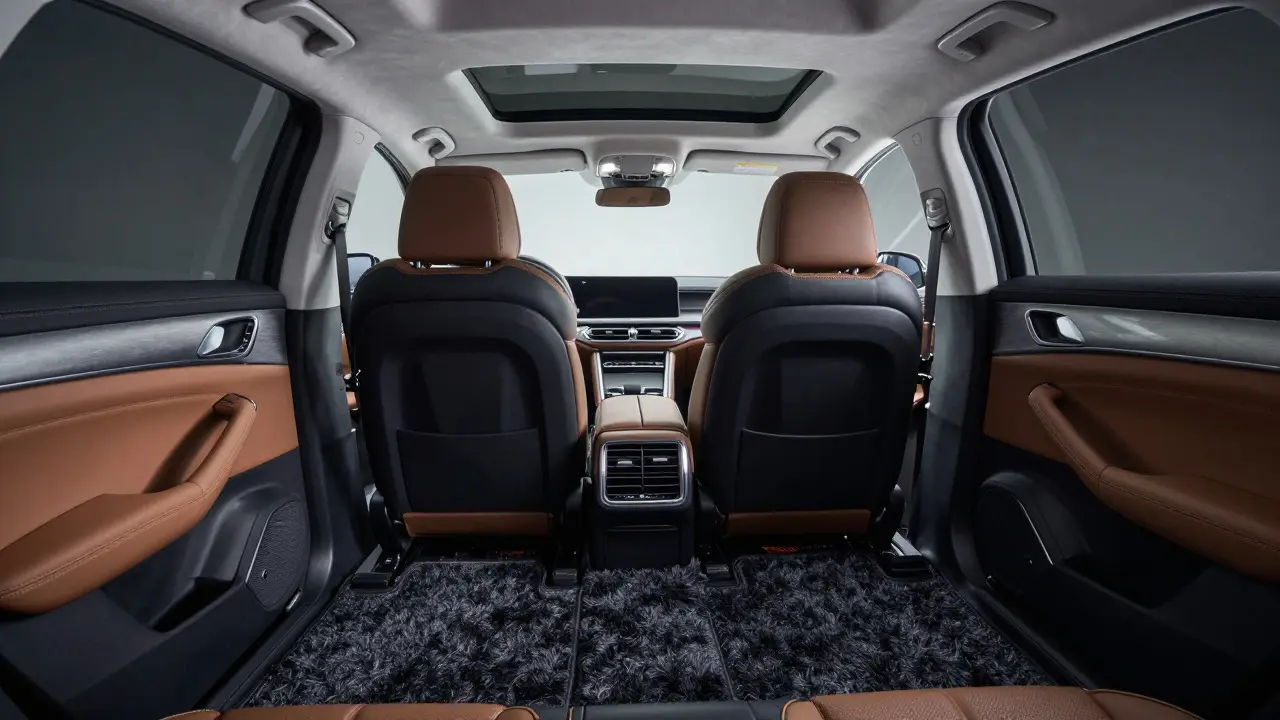
While seats get the attention, the rest of the upholstery plays a critical role in overall comfort and acoustics. Worn carpets absorb moisture and noise, making the cabin feel larger and echoey. Replacing carpet mats with thick, sound-dampening underlays can reduce road noise by up to 3 decibels, which is noticeable at highway speeds.
Headliners (the ceiling fabric) are often overlooked. When they sag or stain, they make the car look neglected. Replacing headliner fabric is a straightforward job that takes a few hours. Choose light-colored fabrics to reflect heat and keep the cabin cooler, or dark tones for a sleeker look. Door panels also benefit from new armrest padding and speaker grilles. Upgrading door speakers while replacing the panel fabric allows you to improve audio quality simultaneously.
| Material | Durability | Maintenance | Best For |
|---|---|---|---|
| Leather | High (if maintained) | Conditioning required every 6 months | Luxury sedans, warm climates |
| Alcantara | Medium | Spot cleaning only | Sport cars, performance vehicles |
| Synthetic Fabric | Very High | Low effort, machine washable covers | Families, high-mileage drivers |
| Carbon Fiber Vinyl | Medium-High | Wipe clean | Modern aesthetics, budget-friendly upgrades |
Budgeting and Sourcing Parts
The cost of interior customization varies wildly based on scope. A simple set of seat covers might cost between $100 and $300. Professional reupholstering of four seats typically ranges from $800 to $2,500 depending on material complexity. Full dashboard restoration can exceed $1,500 if OEM parts are needed.
Where do you find these parts? Online marketplaces offer a vast selection of aftermarket trims and fabrics. Local upholstery shops provide custom work tailored to your specific car model. For rare or discontinued models, salvage yards are a treasure trove for genuine OEM components. Always verify compatibility before ordering. Check your Vehicle Identification Number (VIN) to ensure parts match your exact trim level and year. Mismatched connectors or mounting points are the most common reason for failed DIY installations.
Common Mistakes to Avoid
Even experienced DIYers stumble on a few recurring errors. First, skipping the cleaning step. Installing new fabric over dirty foam leads to lumps and poor adhesion. Second, ignoring wiring harnesses. If you’re adding heated or ventilated seats, the electrical integration is complex. One wrong connection can blow a fuse or trigger an airbag warning light. Third, over-customizing. Too many contrasting colors or textures create visual chaos. Stick to a palette of two or three complementary colors for a professional look.
Also, consider reversibility. If you plan to sell the car in five years, extreme modifications like bright red racing seats might deter buyers. Neutral tones like black, grey, or tan appeal to a wider audience. Keep receipts and photos of the original state in case you need to revert changes later.
Frequently Asked Questions
How much does it cost to reupholster car seats professionally?
Professional reupholstering typically costs between $200 and $600 per seat, depending on the material and complexity. Leather options are at the higher end, while synthetic fabrics are more affordable. Labor rates vary by region, so getting multiple quotes is recommended.
Can I replace my car dashboard trim myself?
Yes, many dashboard trims are held by clips and screws, making them accessible for DIY replacement. However, removing the entire dash requires careful disconnection of airbags and sensors. If you’re comfortable with basic tools and following a detailed guide, it’s feasible. For complex electronic integrations, professional help is safer.
What is the best material for car seat upgrades in hot climates?
Perforated leather or breathable synthetic meshes are ideal for hot climates. They allow air circulation, reducing sweat buildup. Ventilated seats with built-in fans are the premium solution, offering active cooling. Avoid solid vinyl, which traps heat against the skin.
Does interior customization affect car insurance?
Generally, cosmetic interior upgrades do not affect insurance premiums. However, if you install high-value aftermarket parts like exotic leather or carbon fiber, you may want to discuss 'agreed value' coverage with your insurer. This ensures you’re compensated for the upgrade cost in case of total loss.
How long does a full interior refresh take?
A full interior refresh, including seats, carpets, and trim, can take anywhere from 3 to 7 days for a professional shop. DIY projects depend on experience but typically require several weekends. Simple tasks like replacing floor mats take hours, while dashboard removal can take a full day alone.