
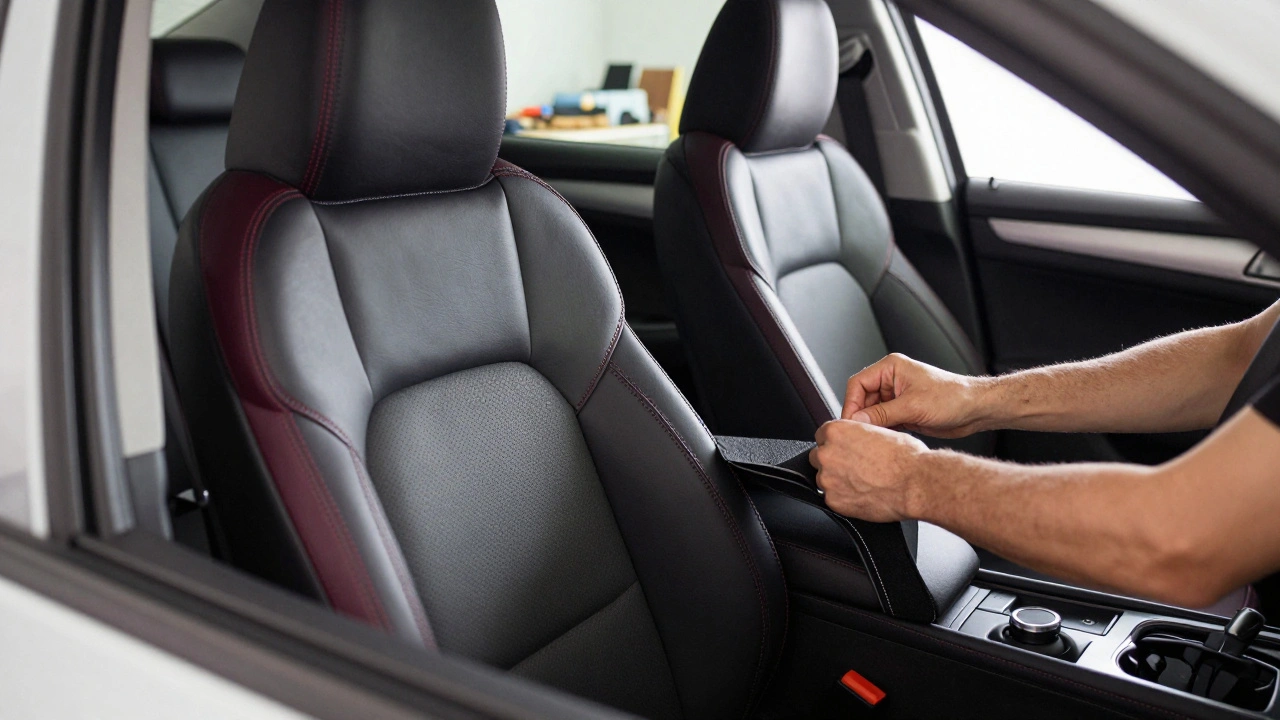
Most people think a car’s value ends with the engine and exterior. But the truth? The inside is where you spend most of your time-and where small changes make the biggest difference. Upgrading your car’s interior isn’t just about looking good. It’s about comfort, durability, and turning a basic ride into something that feels like yours. Whether you’re tired of worn-out seats, cracked plastic trim, or cheap-looking panels, you don’t need to buy a new car to fix it. You just need to know where to start.
Seats: The First Thing You Feel
Your seats take the most abuse. Sweat, dirt, sun damage, and daily wear turn factory upholstery into something you avoid touching. Replacing them isn’t as expensive as you think. You can swap stock cloth seats for premium leather or Alcantara in under a day with basic tools. Brands like Recaro, Bride, and Sparco make bolt-in seats that fit most modern cars without cutting or welding. If you want to keep your factory seat frames, consider aftermarket covers. Companies like Katzkin and Coverking offer custom-fit, full-seat reupholstery kits in over 50 fabrics and colors.
Real talk: if your seats are sagging or the foam has turned to mush, no cover will fix that. You need new inserts. That’s where professional reupholsterers come in. In Bristol, shops like Auto Interiors UK can rebuild your seats with high-density memory foam and breathable mesh backing. It’s not cheap-expect £400-£800 per pair-but it lasts longer than any off-the-shelf replacement.
Pro tip: If you drive in wet weather, go for water-resistant materials. Vinyl-coated leather or marine-grade fabric won’t mildew like regular cloth. And if you have kids or pets, dark colors hide stains better than beige.
Dashboard and Door Panels: Hide the Wear
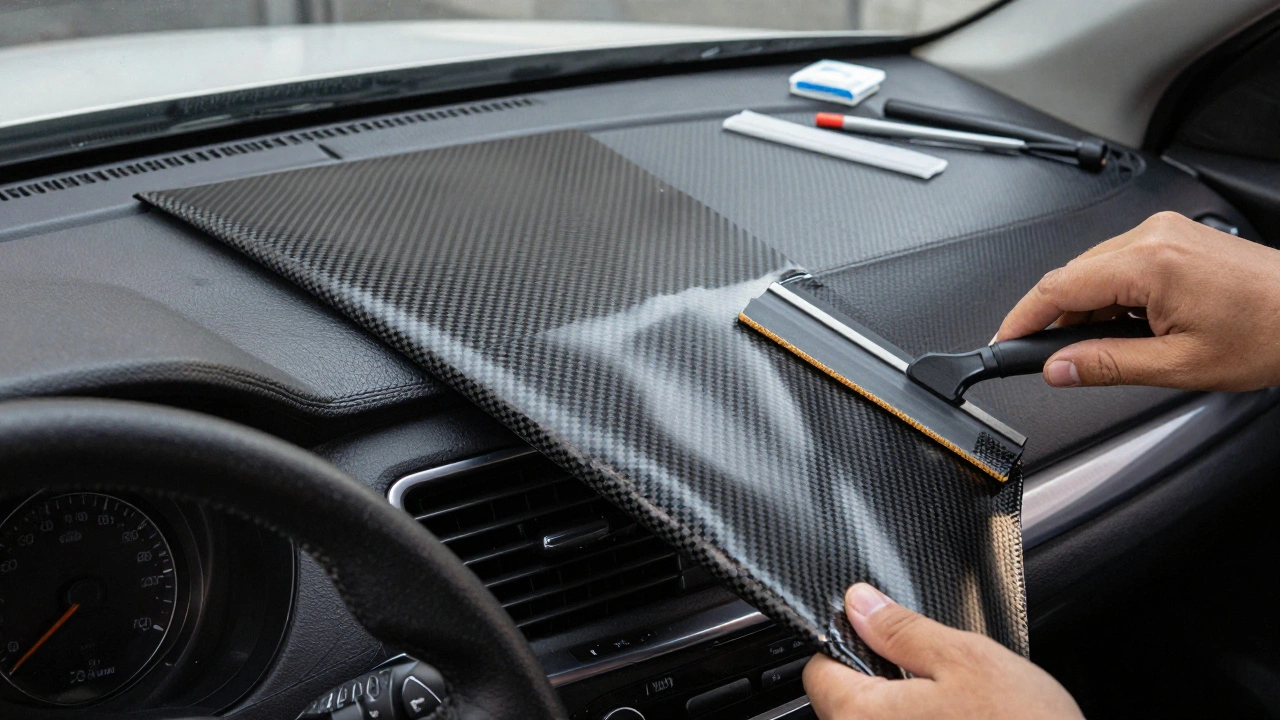
Plastic trim on dashboards, door handles, and center consoles cracks over time. Sun exposure is the main culprit. UV rays break down the polymers, making surfaces brittle and chalky. You can’t paint over cracked plastic and expect it to last. The fix? Replace the panels or apply a durable vinyl wrap.
Aftermarket trim kits are available for most popular models-from Toyota Corollas to Ford F-150s. Companies like Razzi and 3D Carbon sell pre-molded panels that snap into place. They come in carbon fiber, brushed aluminum, or matte black finishes. Installation takes two hours and needs no special tools. Just clean the surface with isopropyl alcohol, peel the adhesive backing, and press on.
For a cheaper, reversible option, use vinyl wraps like those from VViViD or Avery Dennison. These are heat-shrinkable films that conform to curves and hide scratches. They’re not as tough as real carbon fiber, but they look close and cost under £100 for a full dash. Remove them later if you change your mind.
Don’t forget the door panels. Those little armrests and grab handles wear out fast. Replacing them with padded leather or suede inserts adds luxury without breaking the bank. Some kits even include built-in storage pockets for phones and wallets.
Trim: Small Details, Big Impact
Trim is the finishing touch. Think: window surrounds, gear shift bezels, HVAC vents, and steering wheel accents. These pieces are often made of low-grade plastic that yellows or chips after a few years. Replacing them with billet aluminum, carbon fiber, or wood-grain finishes instantly elevates the cabin.
For example, swapping your factory silver gear knob for a CNC-machined aluminum one from Shiftworks makes the car feel like a performance model. Same with replacing the plastic vent rings with brushed metal ones from Carbon Fiber Garage. These aren’t just upgrades-they’re conversation starters.
Installation is usually screw-free. Most trim pieces use clips or adhesive pads. Just pry gently with a plastic trim tool (never metal-you’ll scratch the paint). A heat gun helps loosen stubborn clips. If you’re unsure, YouTube has step-by-step videos for almost every car model.
One thing to watch: OEM trim often has sensors or wiring behind it (like ambient lighting or touch controls). Don’t assume every piece is just decoration. Check your manual or ask a specialist before removing anything.
Fabrics: From Basic to Bespoke
Factory carpet and headliner fabric are designed for cost, not comfort. They fade, trap odors, and feel cheap underfoot. Upgrading fabric is one of the most underrated interior mods.
Start with carpet. Replace the floor mats with custom-fit, all-weather rubber ones from WeatherTech or Husky Liners. Then, go for a full carpet swap. Companies like Carpet City UK offer custom-cut carpet kits in 12 colors and three pile heights. Choose a thicker weave for noise reduction. Diesel SUVs benefit most-they’re loud inside, and dense carpet cuts engine rumble.
Headliners are trickier. Most people ignore them until the fabric sags or stains. Replacing a headliner takes patience. You need to remove the sunroof, dome light, and overhead console. But once it’s done, a new headliner in charcoal grey or beige makes the cabin feel taller and more premium. Use bonded acoustic foam backing-it reduces road noise and keeps the headliner taut.
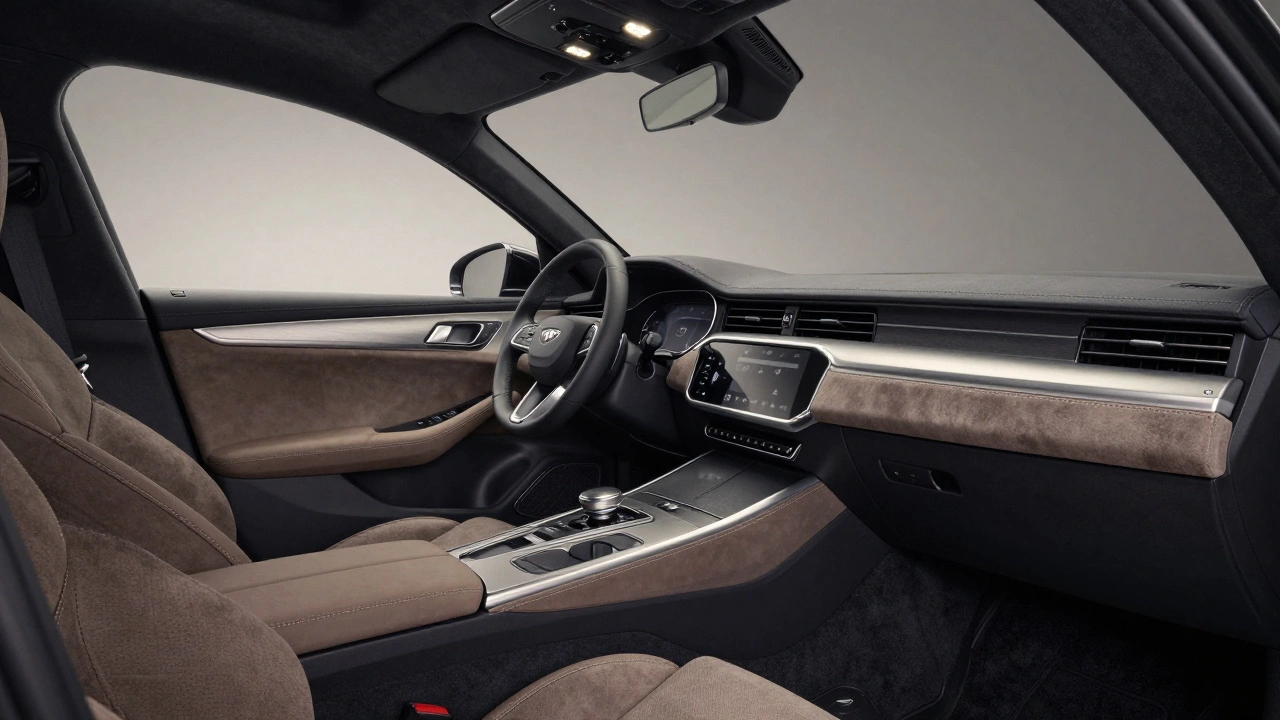
For the ultimate upgrade, add fabric inserts to the center console or rear side panels. Suede or microfiber feels luxurious and doesn’t get slippery like plastic. It also absorbs heat better in summer. Pair it with contrast stitching for a custom look.
What Not to Do
There are plenty of cheap interior kits on Amazon that look great in photos but fall apart after three months. Avoid anything labeled “universal fit” unless you’re okay with gaps and misalignment. Also, skip LED strip lights inside the cabin. They’re distracting, illegal in the UK if they shine on the windshield, and often trigger dashboard warnings.
Another mistake: going too flashy. Neon stitching, gold trim, and chrome everywhere scream “tuner car from 2008.” Stick to one or two accent colors. Matte black, charcoal, and dark brown are timeless. Add contrast with stitching or piping in a single complementary shade-like burgundy on black leather.
And never skip testing materials in real conditions. Buy a sample swatch. Leave it on your dashboard for a week in direct sun. See how it holds up. Does it fade? Crack? Smell? Do that before spending £500 on a full set.
Cost Breakdown: What You’ll Actually Spend
Here’s a realistic estimate for a mid-sized sedan or SUV in the UK (2025 prices):
| Component | DIY Cost | Professional Cost |
|---|---|---|
| Front Seats (reupholstery) | £300-£600 | £800-£1,400 |
| Dashboard Trim Replacement | £150-£300 | £400-£700 |
| Door Panel Upgrades | £100-£250 | £300-£600 |
| Carpet & Headliner | £200-£400 | £500-£900 |
| Accent Trim (gear knob, vents, etc.) | £50-£150 | £100-£250 |
Doing it yourself cuts the cost by nearly half. But if you’re not handy, hiring a specialist saves time and ensures a factory-like finish. Most shops offer free quotes and can match your original color codes.
Where to Buy in the UK
You don’t need to order from the US. Here are trusted UK suppliers:
- Auto Interiors UK (Bristol) - Custom seats, carpets, headliners
- Car Interior Solutions (Manchester) - Trim kits, vinyl wraps, stitching
- Carbon Fiber Garage (Online) - High-end trim pieces, carbon fiber panels
- WeatherTech UK - Floor mats and liners
- Katzkin UK - Leather and premium fabric reupholstery kits
Check reviews on Trustpilot and look for shops that offer warranties. A good one will guarantee their work for at least two years.
Final Thought: It’s About Feeling at Home
At the end of the day, your car’s interior is your personal space. It’s where you listen to music, talk to your kids, or just sit after a long day. Upgrading it isn’t vanity-it’s self-care. You don’t need a luxury brand to feel luxury. You just need attention to detail, quality materials, and the willingness to do it right.
Start small. Replace the floor mats. Swap the gear knob. Then move to the seats. You’ll be surprised how much better your car feels-even if the engine hasn’t changed a bit.
Can I upgrade my car’s interior myself, or do I need a professional?
You can do many upgrades yourself-like replacing trim, installing vinyl wraps, or swapping floor mats. But for things like reupholstering seats or replacing headliners, professional help is worth it. These jobs require precision, special tools, and experience to avoid damaging wiring or airbags. If you’re unsure, start with simple mods and work your way up.
How long do aftermarket interior upgrades last?
Quality materials last as long as factory parts. High-grade leather, real carbon fiber, and bonded acoustic fabrics can last 8-12 years with normal use. Cheaper vinyl wraps and plastic trim may crack or peel in 2-4 years, especially in direct sunlight. Always choose UV-resistant materials and avoid leaving the car parked in full sun for long periods.
Will interior upgrades affect my car’s resale value?
It depends. Thoughtful, high-quality upgrades in neutral colors (black, grey, brown) usually increase value, especially on older models. Flashy modifications like neon stitching or loud patterns can hurt resale. Stick to subtle, premium finishes that match the car’s original style. Keep receipts and photos-if a buyer asks, you can prove the work was done well.
Are there legal restrictions on car interior modifications in the UK?
There are no laws against upgrading seats, trim, or fabrics. But you can’t install lighting that distracts the driver-like LED strips under the dashboard that shine on the windshield. Also, any seat replacement must meet UK safety standards. Aftermarket seats need to be certified to ECE R16 or R80 standards if they’re not OEM replacements. Always check with your insurer if you’re making major changes.
What’s the most cost-effective interior upgrade?
Replacing the floor mats and adding a steering wheel cover are the cheapest and most effective. A good set of all-weather mats costs under £50 and instantly makes the car look cared for. A leather-wrapped steering wheel adds grip and luxury for £30-£80. These are low-risk, high-reward changes anyone can do in an afternoon.