
Quick Summary of Your Choices
- Turn-In: Best if you want a new car immediately and the vehicle's current market value is lower than the residual value.
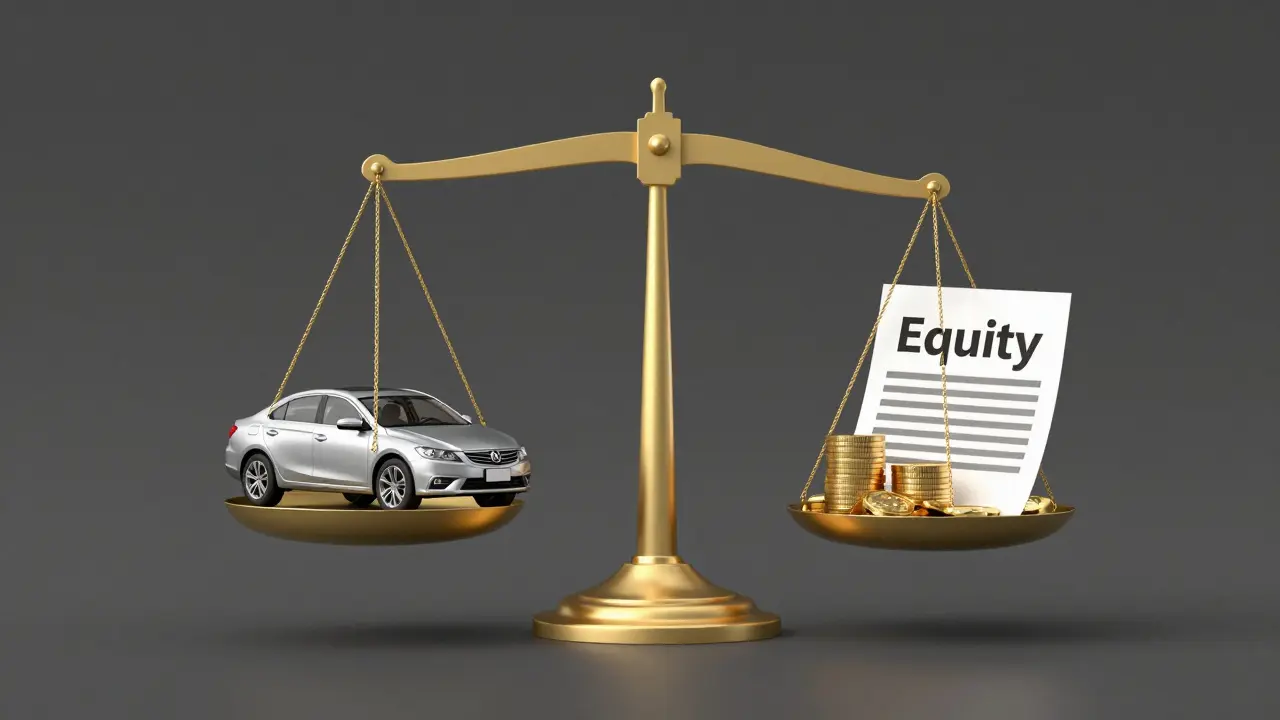
- Purchase: The smartest move if the car has high equity (market value is higher than the buyout price).
- Lease Transfer: A way to exit a contract early or avoid turn-in fees by finding someone to take over your payments.
The Turn-In: When Walking Away Makes Sense
Turning in your car is the default path. You drive to the dealership, hand over the keys, and you're done. But it's rarely that simple. The biggest risk here is the Excess Wear and Tear charge. Dealerships have a specific set of standards for what constitutes "normal use." A small dent in the door or a cigarette burn in the upholstery can lead to a bill for hundreds of pounds or dollars.
You also have to watch your odometer. If you've exceeded your mileage limit-say you had 10,000 miles per year but drove 12,000-you'll pay a per-mile penalty. In many modern contracts, this ranges from 0.15 to 0.25 cents per mile. If you're 6,000 miles over, that's an extra $1,500 you didn't budget for.
The real pro tip for turning in a car is the "Trade-In Loophole." If your Market Value is higher than the residual value, don't just give it back. Sell the car to a third party or trade it into a different dealership. They will buy the car from the leasing company for the residual price and give you the difference as equity toward your next car.
Purchasing Your Lease: Locking in Equity
Buying your leased car is often the most financially sound decision, especially if you've maintained it well. The price you pay is the Residual Value, which was calculated when you first signed the lease. The magic happens when the actual market value of the car is higher than this preset number.
For example, if your residual value is $20,000 but the car is selling for $24,000 on the used market, you essentially have $4,000 in "hidden" profit. By exercising your purchase option, you're buying a car for $4,000 less than it's worth. This is common with reliable brands like Toyota or Honda, where resale values stay high.
However, consider the Buyout Price vs. a used car loan. Most people can't drop $20,000 in cash, so they take out a loan. Be careful here: used car loan interest rates are typically higher than new car rates. Calculate the total cost of ownership over the next three years to ensure that buying the car is actually cheaper than starting a new lease.
| Factor | Turn-In | Purchase | Lease Transfer |
|---|---|---|---|
| Financial Risk | High (Wear/Tear fees) | Low (If equity is high) | Moderate (Finding a buyer) |
| Effort Level | Low | Moderate | High |
| Best Scenario | Market value crashed | Market value soared | Need to exit early |
| Immediate Cost | Disposition fee | Residual value + Tax | Transfer fee |
Lease Transfers: The Third-Way Exit
A Lease Transfer (also known as a lease assumption) is when you find another person to take over your monthly payments and the remaining term of your lease. This is a lifesaver if you've had a change in circumstances-like a job loss or moving to a city where you don't need a car-and can't afford the early termination fee.
To do this, you need the leasing company's permission. They will vet the new driver's credit score to ensure they can handle the payments. In some cases, you might offer a "cash incentive" to the new driver to make the deal more attractive, especially if current market rates for leases have gone up since you signed yours.
The biggest pitfall here is the "gap" in liability. Depending on the contract, you might still be on the hook if the new driver defaults on payments. Always ensure the transfer is a complete legal assumption, not just a handshake deal, to protect your credit score.
The Hidden Costs: Disposition Fees and Taxes
Many drivers forget about the Disposition Fee. This is a flat fee, usually between $300 and $500, that the leasing company charges just to process the return of the vehicle. It's essentially a "cleaning and restocking fee" for the dealership. You can often avoid this if you lease another car from the same brand.
Taxes are another surprise. When you buy out your lease, you don't just pay the residual value; you pay sales tax on that amount. Depending on where you live, this can add a significant chunk to your final payment. If you're transferring a lease, be clear about who is paying the transfer fee-the current lessee or the new one.

Decision Tree: Which Path Should You Take?
If you're staring at your contract and feeling overwhelmed, use this simple logic flow to decide your next move:
- Check the Market Value: Look at sites like KBB or Autotrader. Is the car worth more than the buyout price? If yes, Purchase or Trade-In.
- Check the Condition: Is the car beat up? If you have significant damage that exceeds your security deposit, Purchasing the car avoids the risk of massive return penalties.
- Check the Mileage: Are you way over the limit? If the mileage penalties are higher than the equity you have in the car, Turn-In might actually be cheaper than trying to sell it.
- Check Your Timeline: Do you need to get rid of the car six months before the lease ends? Your only real option is a Lease Transfer.
What is the residual value in a car lease?
The residual value is the estimated worth of the car at the end of the lease term. It is set by the leasing company at the start of the contract and serves as the purchase price if you decide to buy the car at the end of the lease.
Can I sell my leased car to someone else?
You cannot sell a leased car directly because you don't own the title. However, you can buy the car from the lease company (buyout) and then sell it to a third party, or you can facilitate a lease transfer where the other person takes over the payments.
What happens if I just return the car and ignore the fees?
The leasing company will bill you for the disposition fee, excess mileage, and wear-and-tear damage. If you don't pay these, they can send the debt to collections, which will severely damage your credit score.
How do I know if my car has positive equity?
Compare your buyout price (found in your lease contract) to the current market value of your car on sites like Kelley Blue Book. If the market value is higher than the buyout price, you have positive equity.
Is a lease transfer legal in all states?
While legal in most places, it depends entirely on the contract with the lender. Some leasing companies strictly forbid transfers, while others allow them for a small administrative fee.
Next Steps for Different Drivers
For the Budget-Conscious: Start by getting a professional inspection of your car now, not the week it's due. If you find a $200 dent, it's cheaper to fix it at a local shop than to pay a $600 penalty from the dealership.
For the Car Enthusiast: If you've upgraded the car with aftermarket parts, remember that these usually don't add to the residual value. In some cases, you'll need to remove them and return the car to stock condition before turning it in.
For the Busy Professional: Use a lease transfer service. These platforms handle the vetting and paperwork for you, making it easier to find a qualified person to take over your payments without spending hours on forums.
Comments
mark nine
pro tip for the wear and tear stuff just go to a cheap local detail shop a few days before you drop it off
they can buff out most of the surface scratches for like 50 bucks and save you from a 500 dollar dealership penalty
dont let the dealer tell you it's unfixable they just want the extra cash
April 5, 2026 at 16:54
Buddy Faith
classic corporate trap right here
the dealerships basically design these contracts so you never actually win
they probably have some secret algorithm to lower the residual value right when you need it most
its all a scam to keep us paying monthly fees forever while they make bank on the depreciation
April 7, 2026 at 16:26
Sandi Johnson
oh yeah because nothing says financial freedom like paying a disposition fee just for the privilege of giving back a car you don't even own
truly a masterclass in capitalism
April 9, 2026 at 05:23
Ronnie Kaye
love the energy here but let's be real
the only way to actually beat the system is to buy it out and flip it on the private market
nothing gets me more hyped than stealing a few thousand bucks of equity back from a giant corporation
lets goooo
April 10, 2026 at 18:57
Scott Perlman
this is so helpful for anyone who is scared of the process
you can totally do this and save money
April 11, 2026 at 05:55
Eva Monhaut
It is absolutely splendid to see such a comprehensive breakdown of these financial labyrinths. Navigating the intricacies of lease-end options can feel like trekking through a dense fog, but this guide provides a luminous path forward. I personally find the lease transfer option to be a marvelous way to maintain flexibility in an ever-changing economic landscape. It transforms a rigid contract into a fluid opportunity for both parties involved. The emphasis on checking market values via KBB is a brilliant touch that empowers the consumer. Often, we are far too timid to question the numbers presented by the dealership, but with this knowledge, we can stand our ground. It is a refreshing approach to vehicle ownership that prioritizes wisdom over impulse. The detailed table is a masterstroke of clarity, distilling complex risks into digestible bites. Truly a goldmine of information for the modern driver who wishes to avoid the pitfalls of predatory pricing. Such clarity is a rare gem in the world of automotive finance. I shall certainly be recommending this strategy to my acquaintances who are currently flirting with the end of their lease terms. It turns a potentially stressful ordeal into a strategic victory.
April 11, 2026 at 21:16
Rakesh Kumar
OMG I never knew about the trade-in loophole! This is absolutely mind-blowing! I was just going to hand over the keys and pray I didn't get charged for a tiny scratch! My mind is literally racing thinking about the potential equity I could have been leaving on the table all this time!
April 11, 2026 at 22:06
Bill Castanier
Great advice. Clear and helpful. Stay positive!
April 13, 2026 at 16:47
Tony Smith
It is truly a delight to see such a modest attempt at financial literacy in the wild. I am simply overcome with joy that we are teaching people how to avoid a few hundred dollars in fees as if it were a grand heist. How profoundly inspiring it is to navigate the depths of a car lease with such scholarly precision.
April 14, 2026 at 23:30