

First, let's get the basics straight. Lemon Law is a set of consumer protection statutes that provide a remedy for purchasers of defective vehicles that cannot be repaired after a reasonable number of attempts. While these laws vary by state and country, the core goal is the same: ensuring you aren't stuck paying for a piece of machinery that doesn't work. Most of these laws apply to new vehicles, though some jurisdictions have expanded protections for used cars under specific warranty conditions.
Quick Summary: Your Lemon Law Cheat Sheet
- The "Reasonable Attempt" Rule: Most laws require the dealer to fail at fixing the same problem 3-4 times, or have the car out of service for 30+ days.
- Timelines Matter: You usually have to file a claim within a specific window (e.g., the first 12-24 months or 12,000-24,000 miles).
- The Remedy: If a car is declared a lemon, you are typically entitled to a full refund (buyback) or a brand-new replacement vehicle.
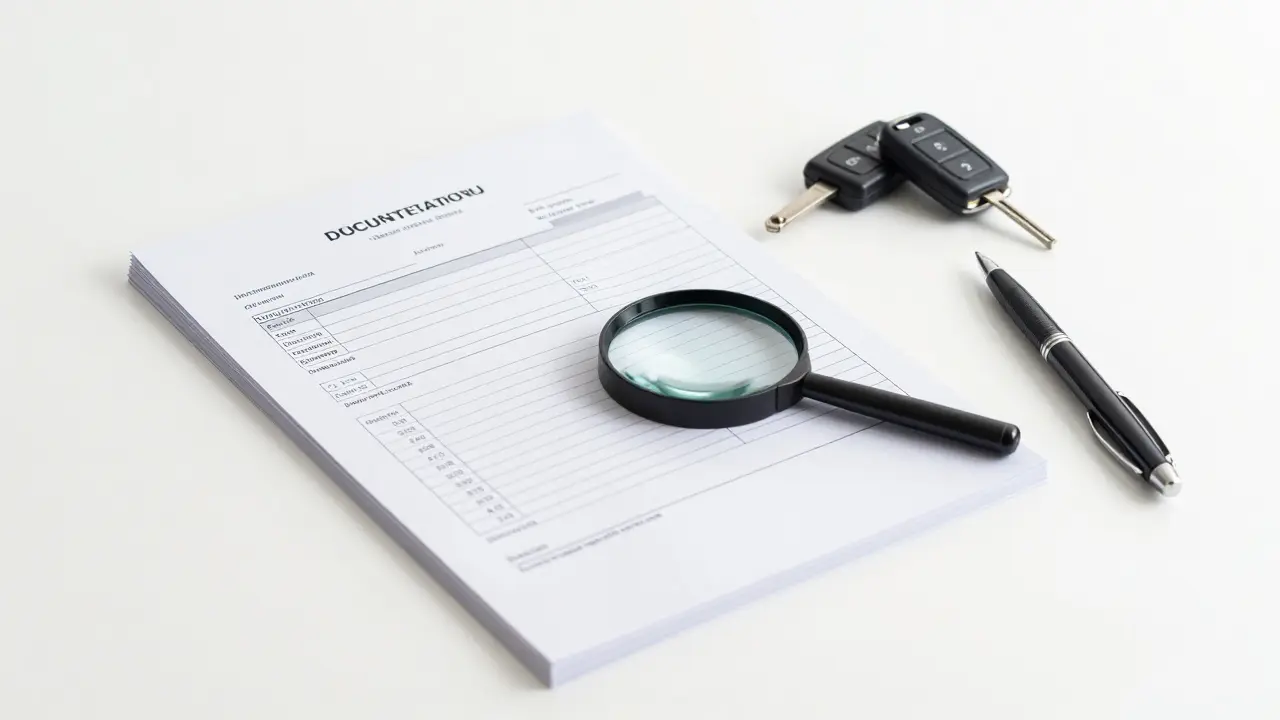
- Documentation is Everything: Without a paper trail of repair orders, you have no case.
When Does a Car Actually Become a "Lemon"?
Not every trip to the mechanic makes your car a legal lemon. A scratch in the paint or a finicky radio usually won't cut it. To qualify, the defect must be "substantial." This generally means the problem impairs the use, value, or safety of the vehicle. Think engine failure, brake malfunctions, or a leaking chassis. If your Powertrain is the series of components that generate power and deliver it to the road wheels, and it's failing despite multiple repairs, you're in lemon law territory.
The legal process usually hinges on the "reasonable number of attempts." For example, in many US states, if a dealer tries to fix a faulty fuel pump four times and it's still leaking on the fifth visit, the law considers that "reasonable." Another trigger is the "days out of service" rule. If your car is sitting in a garage for 30 cumulative days waiting for a backordered part, the manufacturer may be forced to buy it back, regardless of how many times they actually tried to fix it.
| Criteria | Standard Requirement | Example Scenario |
|---|---|---|
| Repair Attempts | 3 to 5 attempts for the same issue | Transmission slips after 4 dealership visits |
| Days Out of Service | 30+ cumulative days in the shop | Waiting 45 days for a replacement ECU |
| Safety Impact | Life-threatening or severe impairment | Airbags fail to deploy during a test or crash |
| Mileage/Time Limit | Within first 1-2 years or ~20k miles | Problem appears at 15,000 miles in year 1 |
The Critical Role of Recalls and Safety Bulletins
It's easy to confuse a lemon law claim with a Vehicle Recall, but they are very different. A recall happens when a manufacturer or a regulatory body, like the National Highway Traffic Safety Administration (NHTSA), identifies a systemic defect affecting thousands of cars. A recall is a proactive fix for everyone. A lemon law claim is a reactive solution for your specific vehicle that refuses to be fixed.
However, if your car has a known defect listed in a Technical Service Bulletin (TSB)-which is an internal memo from the maker to the dealer on how to fix a common problem-and the dealer still can't solve it, your case becomes much stronger. It proves the manufacturer knew about the issue, yet their approved solution failed on your specific VIN (Vehicle Identification Number).
Steps to Take if You Suspect Your Car Is a Lemon
If you're starting to feel that sinking feeling every time you start your engine, don't just keep complaining to the service advisor. You need to pivot from being a customer to being a claimant. Follow these steps to protect your investment:
- Keep Every Single Receipt: Every time you drop off the car, ensure the "Repair Order" explicitly describes your complaint. Don't let the dealer write "checked engine, could not duplicate." Force them to write "Engine stalling at 20mph."
- Send a Formal Notice: Most laws require you to give the manufacturer one final chance to fix the car via a certified letter. This puts them on official notice that you are pursuing lemon law remedies.
- Track Your Mileage: Keep a log of exactly when the car went in and out. This helps prove the "days out of service" metric.
- Avoid Unauthorized Repairs: If you take your car to a local independent mechanic while it's under warranty, you might void your Lemon Law eligibility. Stick to the authorized dealer.
Understanding the Buyback Process
Once a vehicle is legally deemed a lemon, the manufacturer usually offers a "buyback" or "replacement." But it's rarely a simple check for the full sticker price. Most companies use a formula that subtracts a "usage offset." This means they deduct a certain amount for the miles you drove before the defect was reported.
For instance, if you bought a car for $30,000 and drove it 5,000 miles before the lemon process started, they might deduct a few hundred dollars for that wear and tear. However, you should still be reimbursed for taxes, registration fees, and sometimes finance charges. Be careful with "cash and carry" offers; some manufacturers will try to give you a slightly lower amount if you agree to settle quickly without a lawyer.

Common Pitfalls and Myths
One of the biggest myths is that you can't get a lemon law refund if you're financing the car. This is false. While the manufacturer pays the refund, the money typically goes to the Lienholder (your bank) first to pay off the loan, and you get the remaining equity.
Another mistake is waiting too long. Some people think they can wait until the warranty expires to file. In reality, the "lemon period" is often much shorter than the full warranty. If your law says the claim must be filed within 18 months, and you wait until month 19 because the dealer promised it "would be fixed next week," you've just lost your legal leverage.
Does Lemon Law apply to used cars?
Generally, traditional Lemon Laws are designed for new cars. However, some states have "Used Car Lemon Laws" that provide limited protection if the vehicle is sold with a dealer warranty. Always check your local state statutes, as some provide protections if the used car was a "Certified Pre-Owned" (CPO) vehicle.
Can I keep my car and still get a partial refund?
This is known as a "cash and keep" settlement. In some cases, the manufacturer will pay you a sum of money to compensate for the diminished value of the car, but you keep the vehicle. This is common if the defect is annoying but not dangerous.
Do I need a lawyer to file a Lemon Law claim?
You can technically file on your own, but it's risky. Many Lemon Law attorneys work on a "contingency fee" basis, meaning they only get paid if you win. Because most statutes require the manufacturer to pay the consumer's attorney fees, a lawyer often costs you nothing out of pocket.
What happens if the manufacturer refuses to buy back the car?
If a voluntary buyback is refused, you can take the case to an administrative hearing or a civil court. This is where your documentation-those repair orders and certified letters-becomes the primary evidence to prove the car is defective.
Is a software glitch considered a defect under Lemon Law?
Yes, if the software glitch affects the drivability, safety, or a core feature of the car (like the infotainment system you paid extra for) and cannot be patched after multiple attempts, it can be classified as a substantial defect.
Next Steps: How to Move Forward
If you're currently staring at a car that won't start or a dashboard full of warning lights, your first move is to gather every single piece of paper you have from the dealership. Create a timeline: Date of purchase, date of first failure, and every single date the car entered and exited the shop.
If you're in the middle of a dispute, stop arguing with the service manager and start writing letters. A certified letter to the manufacturer's corporate headquarters carries far more weight than a phone call to a local dealer. If the car is unsafe to drive, avoid the temptation to "just live with it." A defective vehicle is a liability, and the law is designed to make sure the manufacturer-not the driver-carries that burden.
Comments
Nathan Pena
The emphasis on documentation is the only intellectually sound part of this guide. Most consumers are embarrassingly naive and assume a verbal promise from a service advisor carries legal weight. It simply does not. If you cannot produce a timestamped repair order with a precise description of the failure, you are essentially playing a game of chance with your finances. It is truly fascinating how many people manage to spend tens of thousands of dollars on a luxury asset yet lack the basic cognitive discipline to maintain a folder of receipts. Without a rigorous paper trail, your claims are nothing more than anecdotal complaints that any competent corporate legal team will dismantle in seconds. The disparity between those who understand the contractual obligations of a manufacturer and those who simply hope for the best is staggering. Precision in record-keeping is the only variable that actually matters here. If you're not documenting every single interaction, you're practically inviting the dealership to fleece you. It's a basic exercise in risk management that apparently eludes the masses. I find it quaint that people still believe the 'good guy' at the dealership is there to help them rather than protect the bottom line of the franchise. The system is designed to exhaust the consumer until they give up. Only those with an analytical approach to the process actually see a buyback occur. Everything else is just noise and wishful thinking.
April 17, 2026 at 10:54
Mike Marciniak
The 'software glitch' part is where it gets real. They're putting computers in everything so they can remotely brick your car or track your every move. You think it's a coincidence the parts are always 'backordered' for 30 days? They're just waiting for the legal window to close or for you to get tired and go away. It is all a coordinated effort to keep us dependent on their ecosystem.
April 18, 2026 at 11:17
Mbuyiselwa Cindi
Definitely keep those records! I've seen so many people struggle because they didn't have a log of their days out of service. Just a simple notebook or a digital spreadsheet works wonders when you're talking to a lawyer.
April 20, 2026 at 04:15
Henry Kelley
i agree with the doc part,’s just way easier when u have it all wrote down. saves a lot of headackes later on
April 20, 2026 at 15:35
Tonya Trottman
Imagine actually believing a 'certified' pre-owned car is any better. It's just a fancy way of saying the manufacturer polished the lemon before selling it to the next sucker. Such a charming delusion.
April 22, 2026 at 07:01
Krzysztof Lasocki
Oh yeah, because dealers are just famously honest and helpful people! I'm sure they'll just hand over the money with a smile and a hug. Great tip on the certified letter though, love a good piece of mail to scare the corporate suits!
April 23, 2026 at 09:08
Victoria Kingsbury
The TSB mention is key. Most people don't even know those exist until they're deep in a rabbit hole of forums. If you can cite the specific bulletin number to the tech, the power dynamic shifts completely because they know you've got the tea on the actual defect.
April 23, 2026 at 18:34
VIRENDER KAUL
The failure to mention the specific arbitrage process in several jurisdictions is a glaring omission in this analysis. One must approach these disputes with a level of formality that leaves no room for ambiguity or the dealer's incompetence
April 24, 2026 at 07:31