
The Shift to the Glass Cockpit
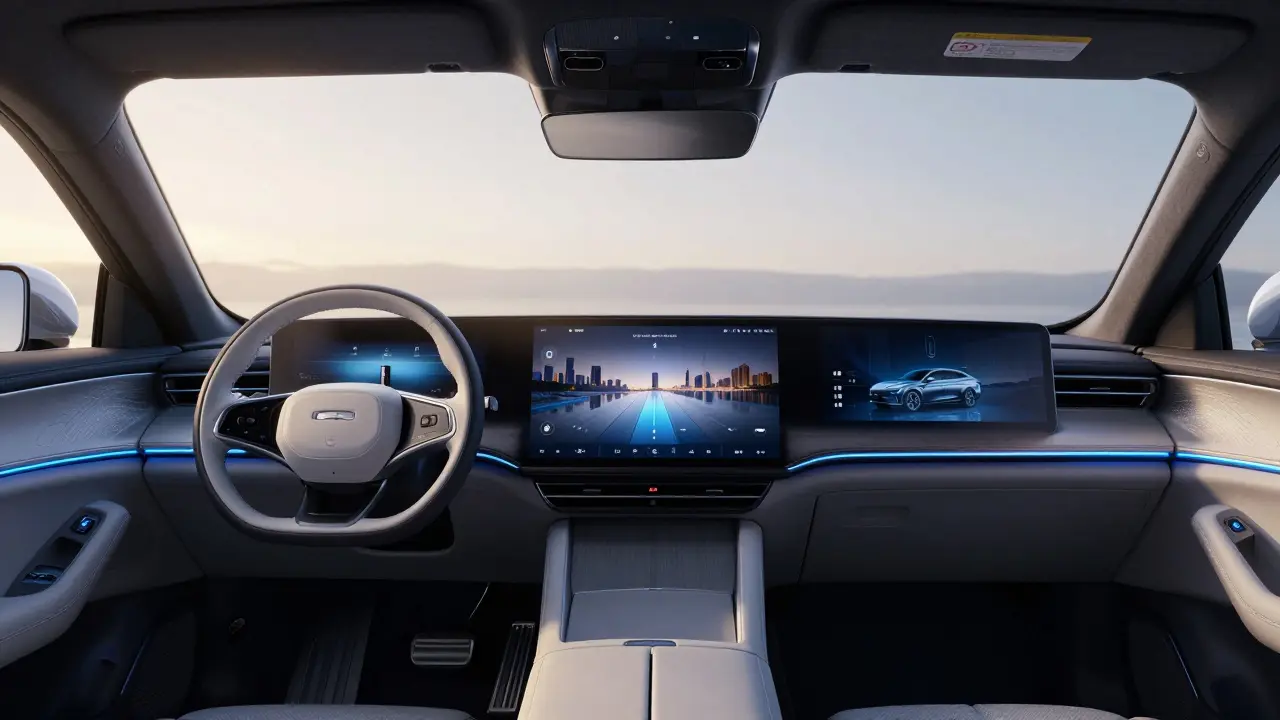
We've moved away from the era of tactile buttons and knobs. In their place is the "glass cockpit," where almost every interaction happens on a screen. Luxury infotainment systems is a suite of integrated electronic hardware and software that manages navigation, media, and vehicle settings in high-end automobiles. These systems aren't just about playing music anymore; they are the central nervous system of the vehicle.
The current trend is the "hyperscreen"-essentially a dashboard-wide piece of glass. While it looks like something out of a sci-fi movie, the reality is a struggle between aesthetics and ergonomics. When a brand like Mercedes-Benz or BMW pushes for a minimalist interior, they often remove physical buttons for critical functions. This means you're no longer feeling for a dial to change the temperature; you're staring at a screen while driving 70 mph on a highway. Is it elegant? Yes. Is it practical? Not always.
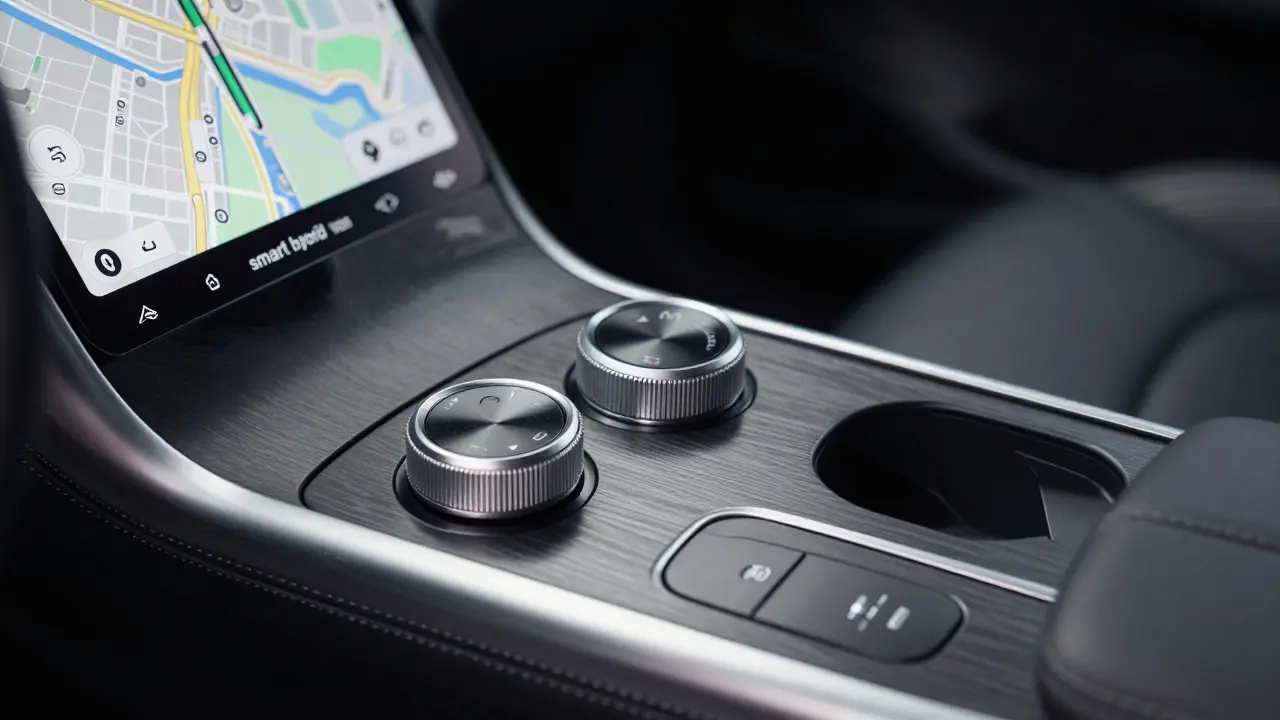
The core of these interfaces relies on User Interface (UI) and User Experience (UX) design. In a luxury context, the goal is to reduce cognitive load. If it takes more than two taps to find the seat warmer, the UX has failed. The best systems now use a hybrid approach: a massive screen for navigation and entertainment, paired with haptic feedback or a few well-placed physical shortcuts for the most-used functions.
How Over-the-Air Updates Actually Work
The days of taking your car to a dealership just to get a map update are mostly gone. We are now in the era of OTA (Over-the-Air) Updates. These are wireless software deliveries that allow manufacturers to patch bugs, add features, or even improve battery efficiency without you ever leaving your driveway.
Think of it like your smartphone. Your car connects to a cellular network (usually via an integrated eSIM), downloads a package in the background, and then asks you to reboot the system. Some updates are "silent," meaning they fix small glitches in the background. Others are transformative, changing the layout of your home screen or adding a new driving mode. For example, Tesla pioneered this, but legacy luxury brands have spent the last three years playing catch-up to implement similar pipelines.
However, OTA updates aren't without risk. There is a phenomenon known as "bricking," where a failed update leaves the infotainment system completely unresponsive. While rare in the luxury segment, it's a nightmare scenario. To prevent this, most high-end systems use A/B partitioning. The car keeps the old software version on one partition and installs the new one on another. If the new one fails to boot, the system simply flips back to the stable version.
| Update Type | Target Component | User Impact | Risk Level |
|---|---|---|---|
| Infotainment Patch | UI/UX & Apps | New menus, bug fixes | Low |
| Firmware Update | ECU / Sensors | Better acceleration/braking | Medium |
| Critical Security | Gateway/Connectivity | Protection against hacking | Low |
| Powertrain Refinement | Battery/Engine Mgmt | Increased range or efficiency | High |
The Dark Side: Bugs and Glitches in the High-End Segment
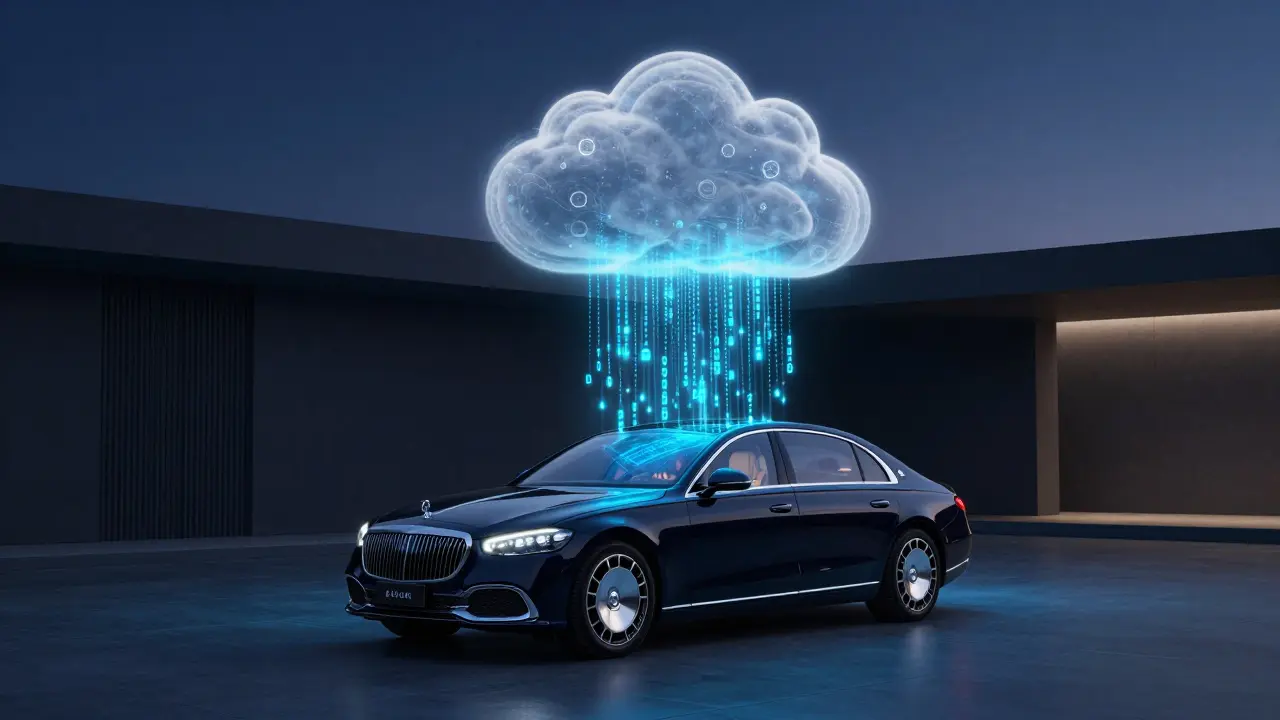
Software is inherently messy. When you combine millions of lines of code with the extreme temperature swings of a car interior, bugs are inevitable. In luxury infotainment systems, these glitches often manifest in three ways: latency, synchronization failures, and "ghost touches."
Latency is that frustrating half-second delay between when you touch a button and when the screen reacts. In a $100k car, this feels like a failure. It usually happens because the System-on-a-Chip (SoC) is overwhelmed by background processes or the operating system isn't optimized for the hardware. You'll often see this when the car is first started in winter-the system is sluggish until the cabin warms up.
Then there are synchronization issues. We've all been there: Apple CarPlay or Android Auto refuses to connect via USB or wireless. This is often a handshake failure between the car's head unit and the phone's OS. Because phone updates happen weekly and car updates happen quarterly, the two are often out of sync, leading to dropped calls or frozen music playlists.
Ghost touches are perhaps the most annoying. This is when the screen registers a touch that didn't happen, often due to static electricity or a microscopic piece of debris trapped under the bezel. In a luxury vehicle, this can result in your radio volume jumping to max or your navigation changing destination while you're cruising down the highway.
The Battle of the OS: Proprietary vs. Open
Manufacturers are currently split into two camps. Some, like Mercedes and BMW, build massive proprietary systems. They want to control every pixel and every data point. The benefit is a deeply integrated experience-the car knows exactly when you've arrived at your destination and can automatically open the garage door.
The downside? Proprietary systems are often slower to update and have clunkier app ecosystems. You can't just download a new app from a store; you have to wait for the manufacturer to vet and approve it. This is why many users end up ignoring the built-in system entirely and just use Android Automotive OS or mirroring services.
Android Automotive is different from Android Auto. While Auto just mirrors your phone, Automotive is a full operating system running on the car's hardware. It allows for deeper integration, like controlling the HVAC system via Google Assistant. This move toward open-standard software is a tacit admission that car companies aren't software companies-and that's okay. By partnering with tech giants, they ensure the UI is snappy and the voice recognition actually works.
Future-Proofing Your Vehicle Tech
If you're buying a luxury car today, you have to think about the "tech decay" curve. A car's physical body can last 20 years, but its processor might be obsolete in five. How do you avoid owning a luxury car with a screen that feels like an ancient tablet?
Look for vehicles that offer modular hardware or have a proven track record of substantial OTA improvements. If a manufacturer has a history of adding major features (like new driving modes or redesigned dashboards) via software, they are more likely to keep your car feeling fresh. Also, pay attention to the RAM and CPU specs if they are available; a system with 8GB of RAM will handle future updates far better than one with 4GB.
Avoid systems that rely too heavily on a single point of failure. A car that puts *everything*-including the windshield defroster-behind a single screen is a risk. The gold standard remains a "smart hybrid" interior: high-resolution screens for data-rich tasks (maps, media) and physical, high-quality switches for mission-critical safety and comfort tasks.
Why does my luxury car infotainment system lag during winter?
Many automotive chips are sensitive to extreme temperatures. In very cold weather, the hardware may take longer to reach optimal operating temperature, or the software may be running diagnostic checks on battery health that consume CPU cycles, leading to a sluggish user interface until the cabin warms up.
Can a software update actually improve my car's performance?
Yes. OTA updates can optimize engine timing, refine regenerative braking in EVs, or improve the logic of adaptive cruise control. Many luxury brands have used updates to increase the range of their batteries or reduce the "hunting" behavior of automatic transmissions.
What is the difference between Android Auto and Android Automotive?
Android Auto is an app that runs on your phone and projects its screen onto the car's display. Android Automotive is a standalone operating system installed directly into the car's hardware, allowing it to control vehicle functions like climate control and vehicle diagnostics without needing a phone.
How do I fix "ghost touches" on my dashboard screen?
First, clean the screen with a microfiber cloth and a dedicated screen cleaner to remove oily residues. If the problem persists, check for any pressure on the edges of the screen bezel. If it's a software glitch, a hard reboot of the infotainment system (usually done by holding a specific combination of buttons) often clears the error.
Are OTA updates safe for the car's electrical system?
Generally, yes. Manufacturers use secure gateways to ensure only signed, encrypted code is installed. Most luxury cars use a dual-bank memory system, meaning the car stores a backup of the previous software version to revert to if the update is interrupted or fails.
Comments
Chris Atkins
had a similar issue with my beamer last winter just totally froze up until the heater kicked in pretty annoying for a hundred k car but hey that is just how it goes these days
April 25, 2026 at 20:42
Jen Becker
Total nightmare. Who needs buttons anyway?
April 27, 2026 at 03:09
Ryan Toporowski
It's all about the learning curve! 🚗 Give it a few weeks and the muscle memory kicks in. Just stay positive and enjoy the ride! ✨🙌
April 28, 2026 at 10:41
Samuel Bennett
You forgot a comma in the second paragraph. Also, let's be real-OTA updates are just a backdoor for the government to track your exact location and disable your car remotely if you don't comply with some new mandate. They aren't "patching bugs," they're installing surveillance suites. Wake up people.
April 29, 2026 at 21:48
Rob D
Absolute garbage design. This is what happens when you let a bunch of pampered software engineers who've never turned a wrench in their lives decide how a cockpit should work. Give me a real American truck with knobs I can actually feel without looking. This "glass cockpit" nonsense is a fragging joke and a waste of perfectly good leather. Pure, unadulterated incompetence from the design board.
April 30, 2026 at 04:25
Franklin Hooper
the prose is mediocre at best and the lack of attention to grammatical precision is taxing. one simply does not "flip back" to a version as if it were a pancake. it is a reversion to a previous state. truly exhausting to read
May 1, 2026 at 18:26
Jess Ciro
the ghost touches are a feature not a bug they want us to think the car is haunted so we buy the new model faster it is all a psychological game to keep the money flowing into these corporate voids and we are all just pawns in their grand design for digital enslavement
May 2, 2026 at 14:34
saravana kumar
It is quite elementary that the SoC overhead is the primary culprit here. One must acknowledge that the integration of Android Automotive is merely a surrender by these legacy brands. They lack the intellectual capital to develop a competitive OS. It is a predictable outcome of corporate hubris. The hardware is merely a shell for mediocre software implementation.
May 2, 2026 at 18:16
Tamil selvan
I completely understand the frustration that these technical glitches cause, especially when one has invested so much in a vehicle. It is truly disheartening to encounter such issues... however, I believe that with continued iterations, the manufacturers will eventually find a perfect balance between innovation and reliability. Please, do not lose hope in the technology!
May 3, 2026 at 05:13