
You know that feeling when you slide into a new luxury car for the first time? It’s not just about the leather or the badge on the steering wheel. It’s the hush. The way the door closes with a solid thud that shuts out the noisy world outside. But here is the thing: in 2026, silence isn’t enough. You want your car to think for you. You want it to anticipate your needs before you even realize you have them.
Gone are the days when "luxury" meant extra wood trim and thicker carpets. Today, the real flex is how seamlessly the tech disappears into the experience. We are talking about vehicles that adjust their suspension based on the road surface you haven't hit yet, seats that massage your lower back while you’re stuck in traffic, and infotainment systems that actually understand what you say. If you are looking to buy, lease, or just geek out over the latest engineering, understanding these luxury vehicle features is key. Let’s break down what actually matters versus what is just marketing fluff.
The Brain of the Car: Advanced Driver Assistance Systems (ADAS)
Let’s start with the stuff keeping you alive and sane. Advanced Driver Assistance Systems (ADAS) is a suite of electronic technologies that assist drivers in driving and parking functions. Think of it as a co-pilot who never gets tired, distracted, or angry at other drivers. In high-end cars from brands like Mercedes-Benz, BMW, and Audi, this goes way beyond basic cruise control.
We are seeing Level 2+ autonomy becoming standard. This means the car can handle steering, acceleration, and braking simultaneously within lane markings. But the magic is in the details. Take predictive adaptive cruise control. Using GPS data and cameras, the car knows a sharp curve is coming two miles ahead. It starts slowing down gently before you even touch the pedal. No more jerky stops. It feels natural, almost human.
Then there is the night vision system. Infrared cameras scan the road up to 300 meters ahead, detecting pedestrians or animals long before your headlights would reveal them. A small icon pops up on your digital dashboard, maybe with a gentle vibration in the seat if you don’t react. It’s subtle, but it saves lives. And let’s talk about parking. Modern luxury cars can now park themselves in tight spots while you stand outside watching via your smartphone. It’s party trick material, sure, but after a long day, letting the machine do the hard work is pure bliss.
Cockpit Comfort: Seats That Know Your Body
If ADAS is the brain, the seats are the soul. You spend hours in your car; why should they feel like wooden benches? Luxury seating has evolved from static furniture to active health devices. Brands like Bentley and Rolls-Royce use materials sourced from specific herds of cattle to ensure no scars or stretch marks mar the hide. But it’s the mechanics inside that matter most.
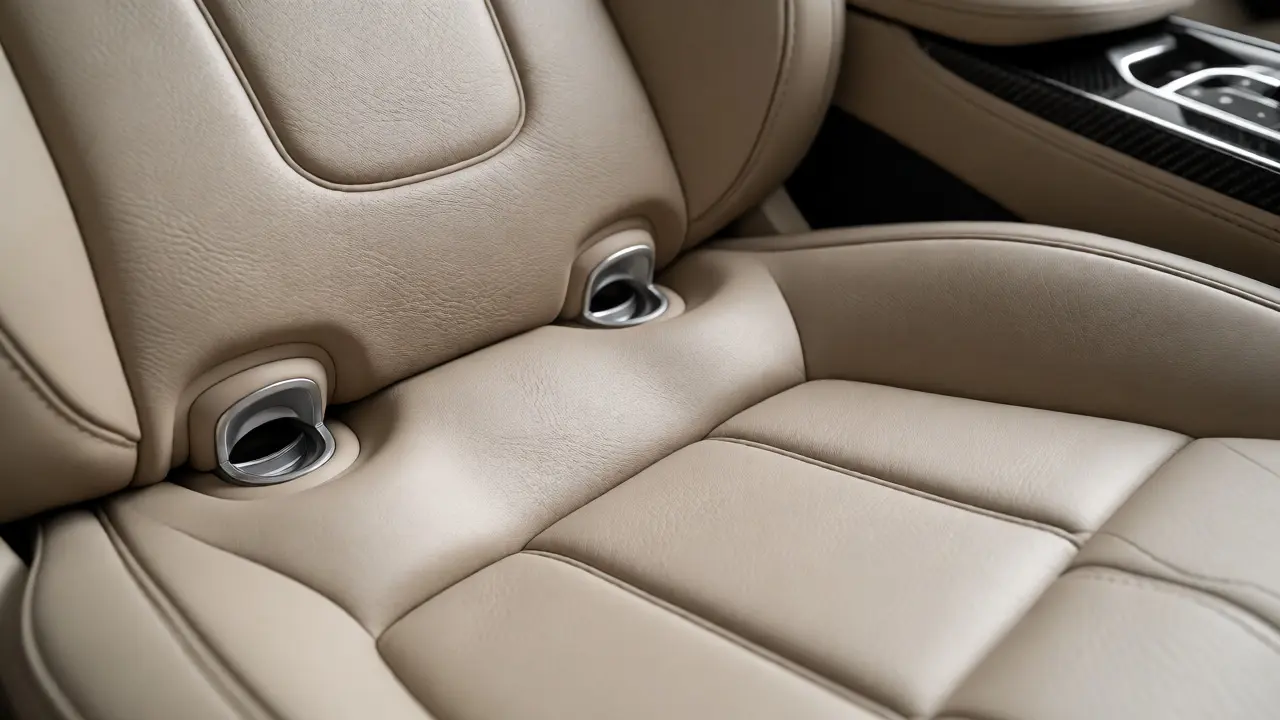
Look for multi-contour seats with air bladders. These aren’t just for inflation; they actively support your spine. Some systems use sensors to detect your posture and automatically adjust the lumbar support. If you slouch, the seat pushes back. If you sit straight, it relaxes. It’s ergonomic feedback loop in real-time.
And then there’s the climate integration. Ventilated seats are old news. Now, we have seats with heating elements woven into the headrests and armrests. Why? Because warming your hands and neck feels warmer than warming your whole body, allowing you to keep the cabin temperature lower and save energy. Plus, many luxury models now include hot stone massage functions. Not the cheap vibrating kind, but actual rolling nodes that mimic human thumbs. After a three-hour drive from London to Bristol, I’d take that over any spa treatment.
Sensory Immersion: Audio and Ambient Lighting
Sound quality used to be measured by wattage. Now, it’s about spatial awareness. Burmester and Bang & Olufsen are high-end audio manufacturers that partner with luxury automakers to create bespoke sound systems. They don’t just drop speakers in doors. They tune the entire cabin as an instrument.
Active noise cancellation is the hidden hero here. Microphones pick up engine drone and road noise, then generate inverse sound waves through the speakers to cancel it out. It makes the cabin eerily quiet, even at highway speeds. When you turn on music, it’s crisp, immersive, and balanced. Some systems even offer "personal sound zones," where the driver hears navigation prompts while passengers listen to podcasts without headphones interfering.
Visuals play a huge role too. Ambient lighting is no longer just a strip under the dash. It’s dynamic. The lights change color based on the driving mode-cool blue for Sport, warm amber for Comfort. They pulse gently when you receive a notification or when the car detects fatigue. It creates a mood, turning your commute into a sanctuary rather than a chore.
Digital Interfaces: Screens, AR, and Voice Control
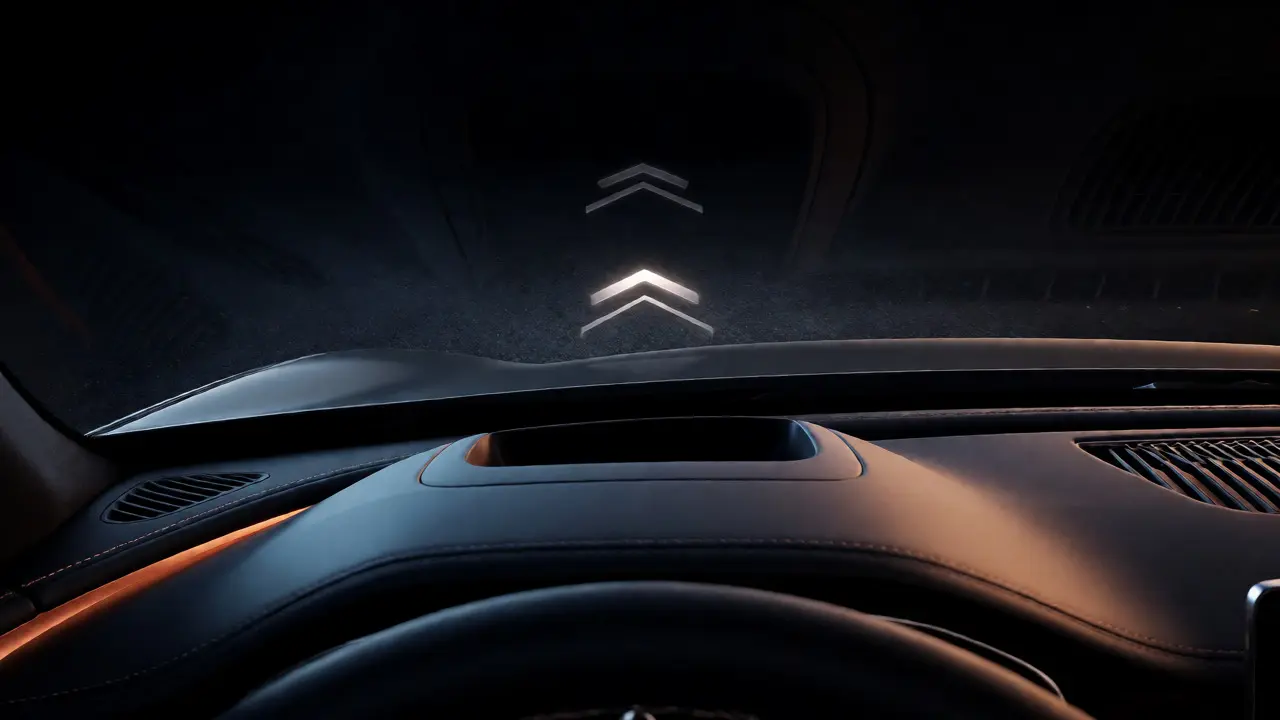
Touchscreens got bigger, but did they get better? Often, they became distracting. The best luxury tech now focuses on minimizing interaction. Augmented Reality (AR) Head-Up Displays (HUD) project navigation arrows directly onto the road ahead, appearing to float on the asphalt. You look forward, not down. This keeps your eyes on the traffic and reduces cognitive load.
Voice assistants have also matured. Early versions were frustratingly literal. Today’s AI-driven assistants in cars like the Tesla Model S or the new BMW iX understand context. You can say, "I’m cold," and it raises the temperature. Say, "I need coffee," and it finds nearby cafes. It remembers your preferences. If you usually set the seat heater to level 2 on rainy mornings, it learns that pattern and does it automatically.
| Feature | Standard Luxury | Ultra-Luxury | Real-World Benefit |
|---|---|---|---|
| Infotainment | 12-inch touchscreen | Curved OLED + AR HUD | Less distraction, intuitive navigation |
| Audio System | 12 Speakers | 20+ Speakers, Active Noise Cancel | Studio-quality sound, reduced fatigue |
| Seats | Heated/Ventilated | Active Massage, Posture Correction | Physical relief during long drives |
| Connectivity | Bluetooth, Wi-Fi | 5G Hotspot, OTA Updates | Car improves over time, seamless streaming |
Over-the-Air Updates: Cars That Get Better With Age
This might be the most underrated feature. Remember when buying a car meant its technology started depreciating the moment you drove off the lot? Not anymore. Over-the-air (OTA) updates allow manufacturers to push software improvements remotely. Maybe the battery range improves by 5% due to better thermal management algorithms. Or perhaps a new voice command is added. Or the suspension tuning is refined for smoother rides.
Tesla pioneered this, but traditional makers are catching up fast. Mercedes’ MBUX system receives regular updates that add new games, visual themes, and safety features. This changes the ownership model. You aren’t just buying hardware; you’re subscribing to a platform that evolves. For resale value, a car with a strong track record of OTA updates holds its price better because buyers know it won’t feel outdated in three years.
Air Quality and Health Monitoring
Post-2020, everyone cares about air quality. Luxury cars took this seriously. HEPA filters capable of trapping PM2.5 particles are becoming standard. But some go further. Air ionizers remove allergens and odors. You can set a schedule so the car pre-cleans the cabin air ten minutes before you enter, using remote start via your phone app.
Some concepts and high-end production models now integrate biometric sensors in the steering wheel. They monitor heart rate variability to detect stress or fatigue. If your heart rate spikes unexpectedly, the car might suggest a break, adjust the lighting to calming tones, or play soothing music. It’s proactive wellness on wheels.
Making the Right Choice
So, what should you prioritize? If you commute daily in heavy traffic, invest in ADAS and comfortable seating. Those features reduce mental and physical strain. If you love driving on open roads, focus on the powertrain refinement and suspension adaptability. If you treat your car as a mobile office, connectivity and quietness are paramount.
Don’t get dazzled by specs alone. Test drive the car in conditions you actually face. Try the voice assistant while navigating a complex roundabout. Feel the seat massage on a bumpy road. Listen to the audio system with the windows up and down. Technology should serve you, not confuse you. The best luxury feature is the one you forget is there because it works so well.
Are advanced driver assistance systems safe?
Yes, when used correctly. ADAS acts as a safety net, not a replacement for attention. Statistics show that features like automatic emergency braking significantly reduce rear-end collisions. However, drivers must remain engaged and ready to take control at all times.
Do over-the-air updates affect my warranty?
Generally, no. Manufacturers perform OTA updates to improve existing software covered under warranty. However, always check the specific terms of your vehicle's agreement, as third-party modifications or unusual usage patterns could theoretically impact coverage.
Is ambient lighting worth the cost?
It depends on your sensitivity to environment. Many owners report that customizable lighting reduces eye strain at night and enhances the perceived spaciousness of the cabin. If you enjoy a personalized atmosphere, it adds significant emotional value to the driving experience.
How much maintenance do luxury tech features require?
Software issues are rare but can happen, often resolved via resets or updates. Hardware like cameras and sensors may need recalibration after windshield replacements or minor accidents. Regular service intervals usually include checks on these systems, so factor in slightly higher service costs compared to non-luxury vehicles.
Can I upgrade tech features in older luxury cars?
Limitedly. Some manufacturers offer retrofit kits for newer infotainment screens or camera systems. However, major upgrades like full autonomous driving packages usually require specific hardware installed at the factory, making them difficult to add post-purchase.