
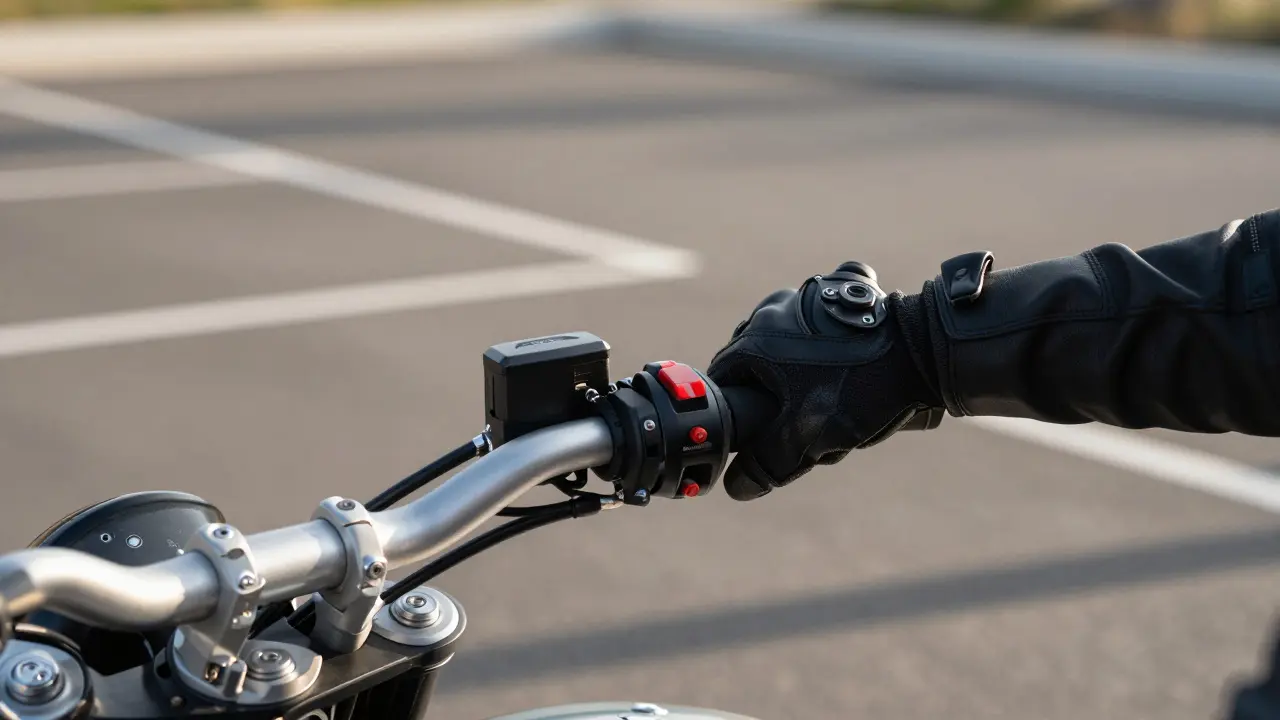
Most riders think stability comes from the bike’s suspension or tire pressure. It doesn’t. Real stability is created by your hands and feet working in perfect harmony. When you jerk the throttle or slam the brakes, you fight against the physics of the machine. You upset the balance, induce wobbles, and lose traction before you even realize it. Mastering throttle and brake transitions is not just about comfort; it is the single most effective way to keep a motorcycle upright and predictable in any situation.
The Physics of Weight Transfer
To understand why smooth inputs matter, you have to look at what happens under the chassis. A motorcycle is essentially two wheels connected by a frame, with a heavy rider on top. It has very little mass compared to a car, which means every input you make shifts the weight dramatically. This is called weight transfer.
When you accelerate, the rear wheel digs into the pavement, compressing the rear shock and lifting the front end slightly. This increases traction at the back but reduces grip at the front. When you brake, the opposite happens. The bike dives forward, loading up the front fork and lightening the rear wheel. If you switch between these states abruptly, you are throwing the bike’s center of gravity around like a pendulum. The tires struggle to adjust their contact patches instantly. The result is instability, especially if the road surface changes or if you are carrying a passenger.
Think of it like walking on ice. If you stomp your foot down, you slip. If you place it gently, you maintain balance. Your motorcycle tires are doing the same thing. They need time to deform and find grip. Smooth inputs give them that time.
The Art of Overlapping Controls
The biggest mistake beginners make is treating the throttle and the clutch as separate events. They pull in the clutch, roll on the throttle, then drop the clutch. This creates a jerky surge of power. Advanced riders use a technique called overlapping controls. You begin to roll on the throttle *before* you fully release the clutch. You match the engine speed (RPM) to the wheel speed as smoothly as possible.
This overlap is critical for low-speed maneuvers, such as U-turns or parking lot navigation. At these speeds, the bike wants to stall or lurch. By keeping the throttle open just enough to keep the engine happy while slowly releasing the clutch, you create a seamless flow of power. The bike moves forward without hesitation. It feels like the bike is floating rather than being pushed.
Try this exercise in a safe, empty parking lot. Start from a stop. Instead of dropping the clutch quickly, spend five full seconds releasing it while simultaneously rolling on the throttle. Pay attention to how the front end stays planted. Now try it again, but jerk the throttle open halfway through the clutch release. Feel how the front wheel tries to lift and the rear wheel hops? That is the difference between control and chaos.
Trail Braking and Corner Entry
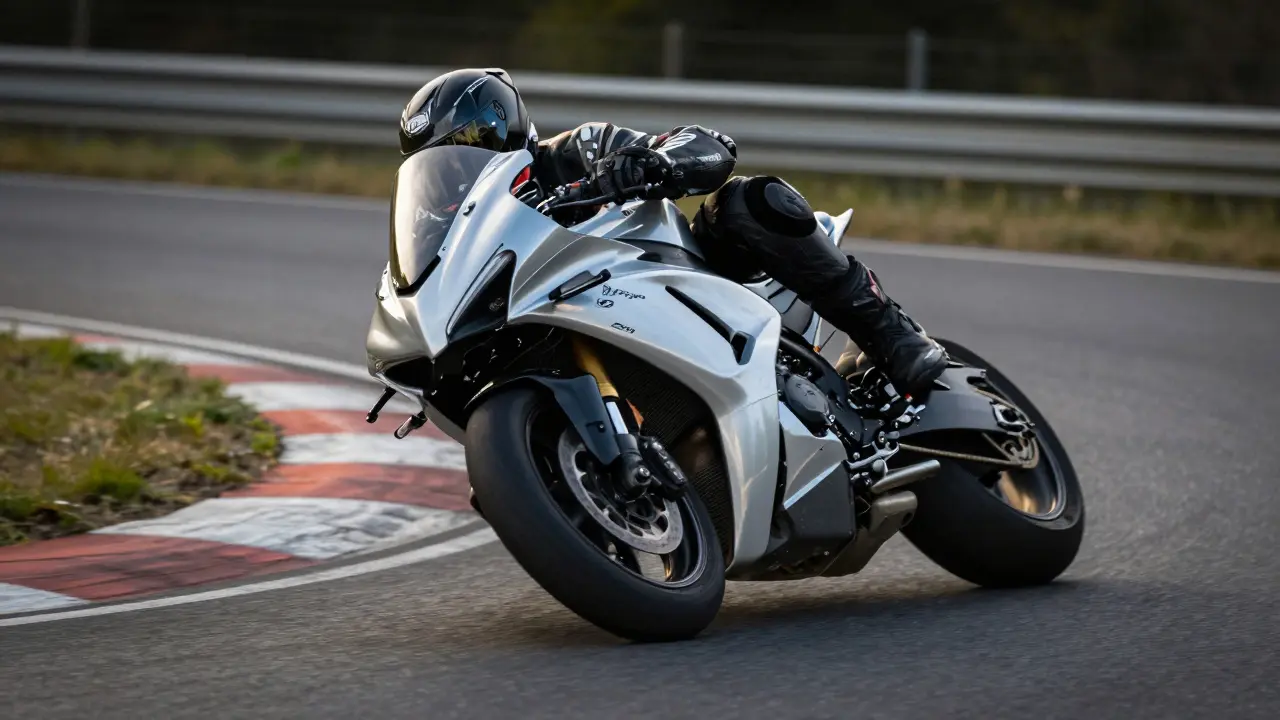
Stability isn't just about straight lines. It is crucial when you lean into a corner. Many riders close the throttle completely before entering a turn. This causes the bike to squat and dive, shifting weight to the front tire all at once. While some front-end load is good for steering, too much too fast can overwhelm the front tire's grip, leading to a washout.
Professional racers use a technique called trail braking. They apply the brakes lightly while leaning into the corner, gradually reducing pressure as they reach the apex. This keeps the front end loaded and stable, allowing the bike to track precisely where you point it. For street riders, you don't need to brake hard into corners, but you should avoid snapping off the throttle abruptly. Instead, ease off the gas progressively as you initiate the lean. This allows the weight transfer to happen gradually, keeping the chassis balanced.
If you snap off the throttle, the bike squats violently. The rear tire loses some traction because the weight shifts forward so quickly. If you then roll on the throttle too aggressively out of the corner, you ask the rear tire for more grip than it has available, causing it to slide. Smooth transitions prevent this see-saw effect. You exit the corner by rolling on the throttle in direct proportion to how much you are un-leanning the bike. As the bike stands up, you add more power. As it leans over, you reduce power.
Common Mistakes That Kill Stability
Even experienced riders fall into bad habits that disrupt smooth transitions. Here are the most common pitfalls:
- Gripping the Handlebars Too Tight: When you tense your arms, you transmit every vibration and bump directly to the handlebars. This makes the bike feel twitchy. Relax your grip. Let your elbows hang loose. Use your legs and core to hold yourself on the bike, not your arms.
- Looking Down: Your bike goes where you look. If you stare at the ground during a transition, you will likely steer into hazards. Keep your eyes up and focused on the exit of the maneuver. This naturally helps you smooth out your inputs because your brain anticipates the path ahead.
- Ignoring the Rear Brake: Many riders rely solely on the front brake. Using the rear brake lightly during deceleration helps stabilize the chassis and prevents the rear wheel from wandering. It also allows you to use less front brake pressure, reducing dive.
- Clutch Dragging: Leaving the clutch partially engaged at higher speeds causes overheating and erratic power delivery. Either be fully in gear or fully disengaged. Only use the friction zone intentionally at low speeds.
Practical Drills for Better Control
You cannot learn smooth transitions by reading about them. You must practice them until they become muscle memory. Here are three drills to improve your input precision.
- The Figure-Eight Drill: Find a large, empty parking lot. Draw a figure-eight with chalk or cones. Ride through it at a slow, constant speed. Focus on keeping the throttle steady. Do not touch the brakes. The goal is to navigate the turns using only body position and subtle throttle adjustments. If you feel the bike wobbling, you are likely jerking the throttle. Slow down and try again.
- The Stop-and-Go Precision: Place a cone on the ground. Approach it from 10 mph. Practice stopping exactly at the cone without locking the brakes or jerking the bike. Then, start moving away from the cone without stalling or lurching. Repeat this ten times. Focus on the smoothness of the clutch release and the gradual application of the front brake.
- The Emergency Roll-On: In a safe area, ride at a moderate speed. Simulate an obstacle appearing ahead. Brake firmly but smoothly to slow down, then immediately roll on the throttle to accelerate past the imaginary hazard. The key is to transition from braking to accelerating without closing the throttle completely. This teaches your right wrist to move fluidly between the two positions.
Equipment Matters Less Than Technique
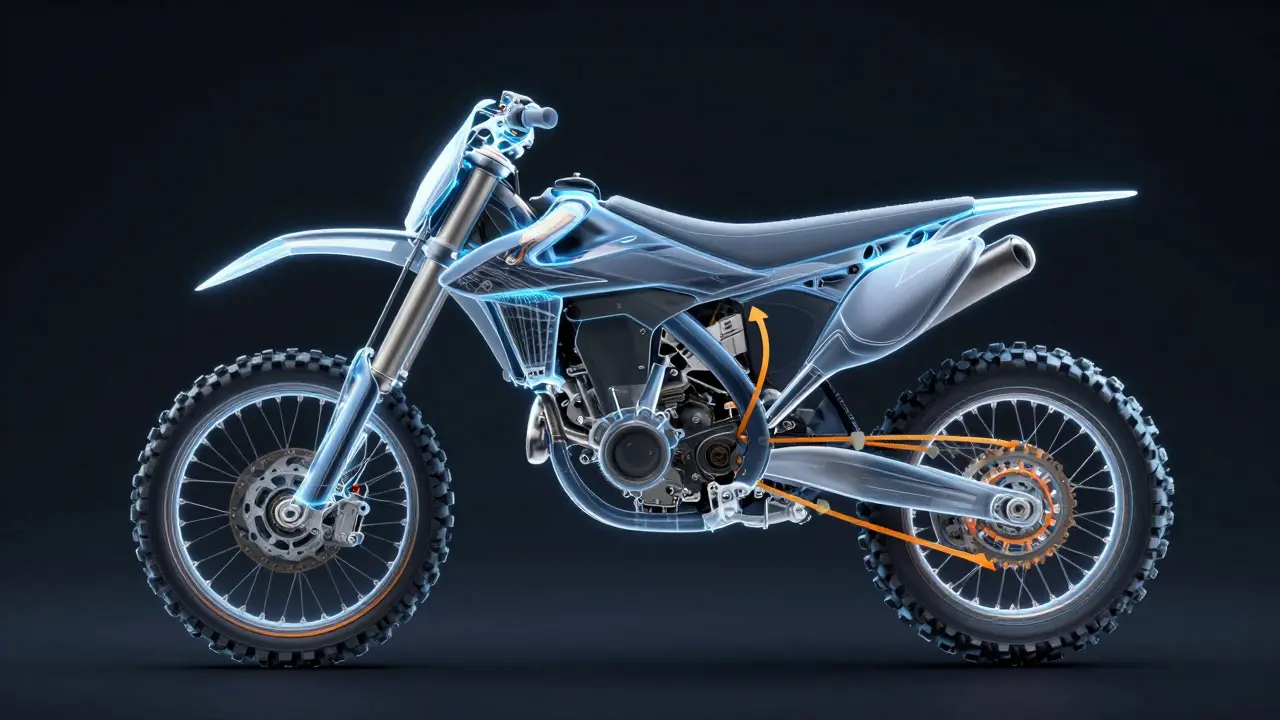
It is tempting to blame your bike for instability. "My suspension is too soft," or "My tires are old." While equipment plays a role, technique is paramount. A poorly tuned bike ridden with smooth inputs will feel more stable than a race-prepped bike ridden with jerky controls. However, there are basic maintenance items that support smooth riding.
Check your tire pressure regularly. Under-inflated tires flex excessively, making steering vague and unstable. Over-inflated tires reduce the contact patch, lowering grip. Stick to the manufacturer's recommended pressures, adjusting slightly for load and temperature. Also, ensure your cables and linkages are lubricated. A sticky throttle cable or stiff brake lever forces you to use more effort, leading to jerky inputs. Smooth mechanical operation supports smooth rider input.
| Rider Action | Bike Reaction | Stability Impact |
|---|---|---|
| Jerky Throttle Opening | Rear wheel hop, front end lift | Negative: Loss of rear traction |
| Smooth Throttle Roll-On | Gradual weight transfer to rear | Positive: Increased rear grip |
| Hard Brake Application | Front end dive, rear end lighten | Negative: Risk of front washout |
| Progressive Braking | Controlled weight shift forward | Positive: Stable steering geometry |
| Sudden Clutch Drop | Engine braking surge, potential stall | Negative: Chassis upset |
| Overlapping Clutch/Throttle | Seamless power delivery | Positive: Balanced acceleration |
Mental Preparation and Awareness
Smooth riding starts in the mind. Anxiety leads to tension, and tension leads to jerky movements. Before you ride, take a moment to relax. Shake out your hands. Take a deep breath. Remind yourself that the bike is a tool, not an adversary. Trust in your ability to control it.
Awareness is also key. Scan the road ahead. Anticipate stops and turns. If you know a stoplight is coming up in 200 meters, begin easing off the throttle early. Coast towards it. Apply the brakes gently. This proactive approach eliminates the need for last-second, harsh inputs. It keeps the bike balanced and ready for whatever comes next.
Remember, stability is not a static state. It is a dynamic balance achieved through continuous, subtle adjustments. Every time you twist the throttle or squeeze the brake, you are communicating with the bike. Speak softly, and it will listen.
Why does my motorcycle wobble when I accelerate?
Wobbling during acceleration is often caused by jerky throttle inputs. When you snap the throttle open, the rear wheel digs in suddenly, upsetting the bike's balance. This can also be exacerbated by worn suspension components or improper tire pressure. Practicing smooth, progressive throttle rolls-on will help eliminate this instability.
How do I stop my bike from diving too much when braking?
Excessive diving is caused by applying too much front brake pressure too quickly. To fix this, apply the front brake progressively. Start with light pressure and increase it smoothly as the bike slows down. Additionally, using the rear brake lightly can help distribute the braking force and reduce the strain on the front forks.
What is the best way to practice smooth clutch control?
The best way to practice is in a safe, open area like an empty parking lot. Perform slow-speed maneuvers such as figure-eights or tight circles. Focus on finding the friction zone where the clutch begins to engage. Practice holding the bike up using only the clutch and minimal throttle, without touching the brakes. This builds muscle memory for precise control.
Does tire pressure affect throttle and brake transitions?
Yes, significantly. Incorrect tire pressure changes how the tires respond to weight transfer. Under-inflated tires can feel sluggish and unstable during transitions, while over-inflated tires may lose grip. Always check your tire pressure before riding and adjust according to the manufacturer's recommendations for your specific load and conditions.
Can suspension upgrades improve stability?
Suspension upgrades can help, but they are not a substitute for good technique. Properly adjusted stock suspension is sufficient for most street riding. If you are experiencing instability, first check your current suspension settings (preload, compression, rebound) and ensure they are set correctly for your weight and riding style. Only consider upgrades if your suspension is worn out or inadequate for your specific use case.