
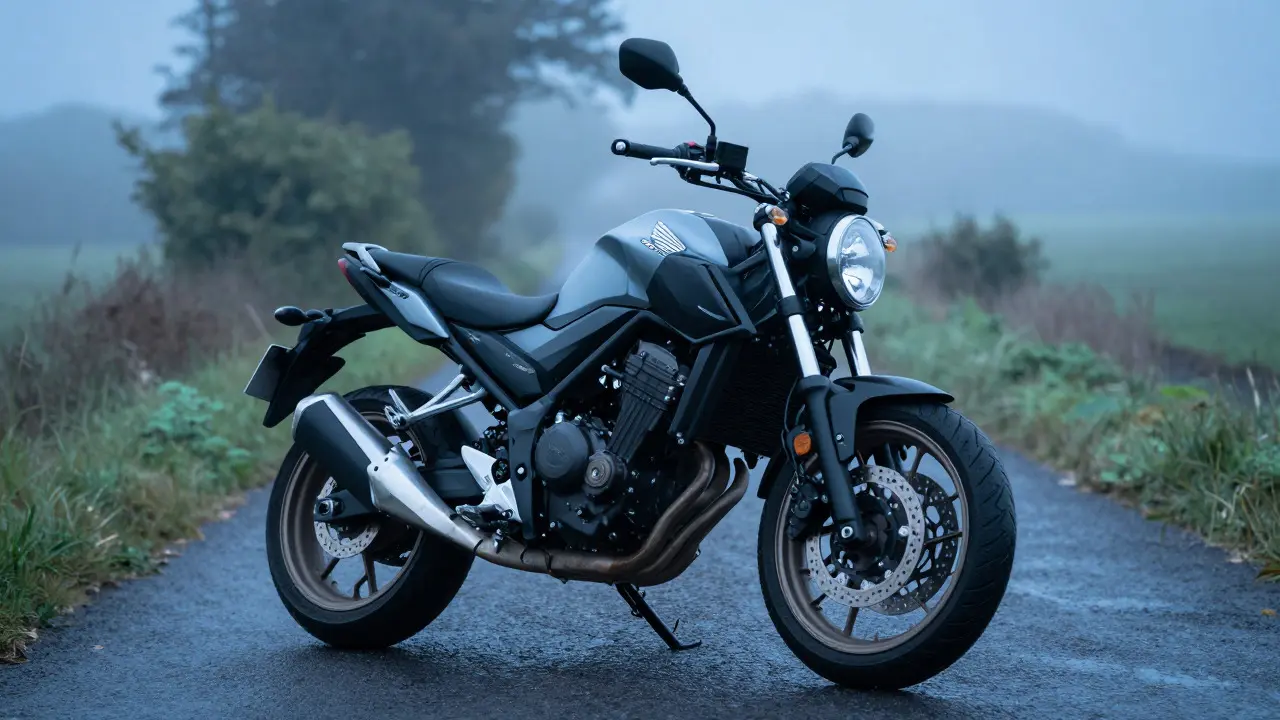
Buying a used motorcycle is often the smartest financial move you can make. You avoid that steep initial depreciation curve, but you take on the risk of someone else’s maintenance habits. The real question isn’t just which bike looks cool; it’s which one will still be running when you’re ready to sell it five years down the line. Reliability in the secondhand market isn't about perfection-it's about predictability.
We’ve analyzed long-term ownership data, mechanic reports, and community feedback from thousands of riders across the UK and global markets to identify the brands that consistently deliver trouble-free miles. This isn't just about buying cheap; it's about keeping costs low over time.
Why Reliability Matters More Than Horsepower
When you buy new, a warranty covers your back. When you buy used, especially a bike with high mileage, you are the warranty. A reliable brand means fewer unexpected visits to the garage, which translates directly to money saved and weekends spent riding instead of waiting for parts.
In the UK context, where weather can be unpredictable and storage conditions vary wildly, corrosion resistance and electrical system stability become critical factors. We aren't looking for the fastest bikes on paper. We are looking for the ones that start every morning, even after a damp night in a shed.
What is the most important factor in used motorcycle reliability?
Consistent maintenance history is far more important than the brand itself. However, some brands have simpler engines that are less prone to catastrophic failure if neglected slightly.
Honda: The Gold Standard for Durability
If you want a motorcycle that feels like it could last forever, Honda is a Japanese manufacturer renowned for building engines that prioritize longevity and ease of repair over raw performance metrics. Their engineering philosophy has always been conservative. They don't push materials to their absolute limit, which means there is plenty of reserve strength left for daily abuse.
The Honda CB series, particularly the CB500X and CB650R, are ubiquitous on UK roads for good reason. They hold their value well because buyers know they won't break. The inline-four engines found in older models like the CBR600RR are legendary for smoothness, though they can be thirsty. For long-term ownership, the single-cylinder and parallel-twin engines are superior due to lower complexity and better fuel economy.
- Key Strength: Extremely robust engine blocks that resist wear.
- Common Issue: Electrical gremlins in older models (pre-2010) can be tricky to diagnose.
- Best For: Commuters who need a bike that arrives at work every day without fail.
Yamaha: Balanced Performance and Resilience
Yamaha is a competitor to Honda that focuses on providing engaging ride dynamics while maintaining solid mechanical integrity through high-quality casting and machining processes. While Honda plays it safe, Yamaha tries to give you a bit more character without sacrificing reliability. The MT-07 platform is a prime example. It uses a crossplane crankshaft in its CP2 engine, which provides a unique exhaust note and torque delivery, yet the engine remains incredibly durable.
Yamaha’s fuel injection systems have matured significantly since the early 2000s. Older carbureted models require more attention, especially in humid climates like Bristol, but modern Yamahas are largely plug-and-play. The suspension components tend to outlast those of many European rivals, meaning you spend less on forks and shocks over a ten-year period.
Kawasaki: Tough as Nails for Adventure Riders
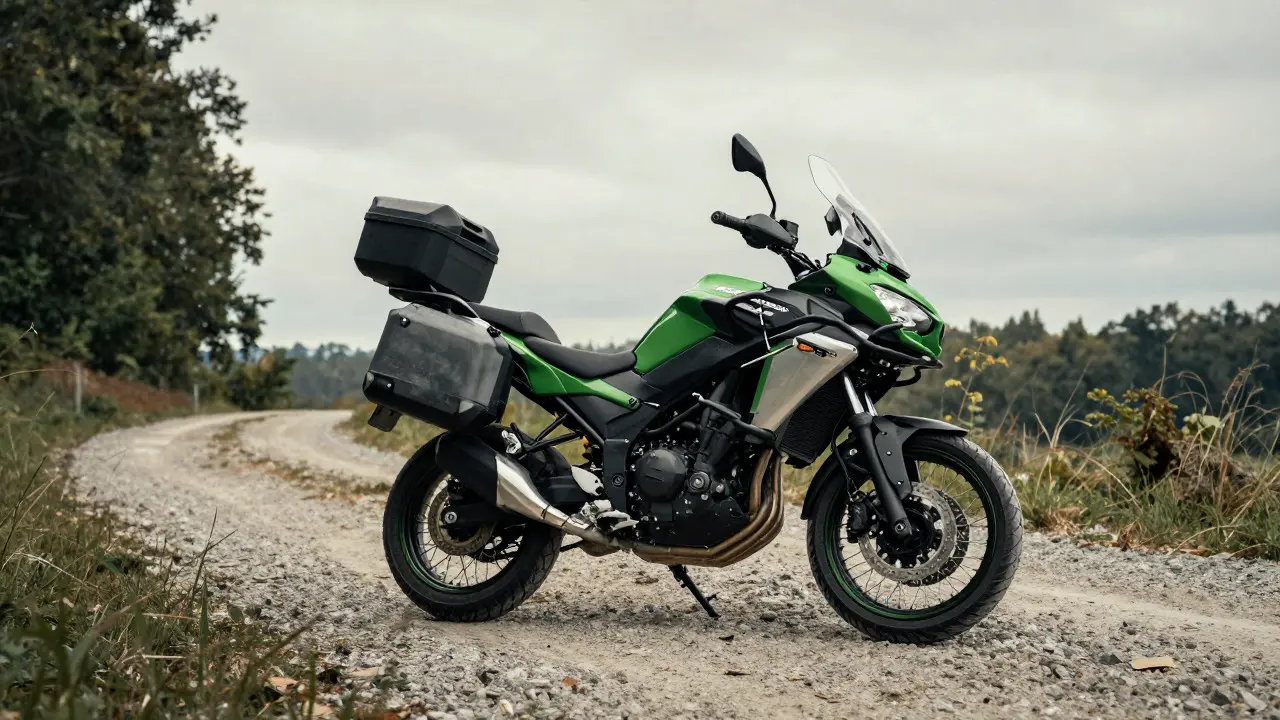
When it comes to adventure touring, Kawasaki is a manufacturer known for producing rugged motorcycles capable of handling off-road terrain and long-distance highway travel with minimal mechanical intervention. The Versys series is a staple in the used market. These bikes are built to handle abuse-both on-road and off-road. Their parallel-twin engines are simple, air-cooled or liquid-cooled designs that are easy to service.
Kawasaki builds heavy-duty frames that protect the engine during drops, which happens more often than you’d think on dual-sport bikes. If you plan to do any light off-roading or carry luggage for trips, Kawasaki offers exceptional structural integrity. The main drawback can be build quality on plastic fairings, which may crack or fade faster than metal alternatives, but these are cosmetic issues that don’t affect rideability.
Suzuki: Simplicity Wins
Suzuki is a brand that prioritizes straightforward mechanical design and cost-effective manufacturing, resulting in motorcycles that are easy to repair and maintain by average owners. Suzuki doesn't try to reinvent the wheel. The V-Strom 650 and GSX-S750 share powertrains that have been refined over decades. Because the parts are common and the design is old-school, almost any mechanic can fix them.
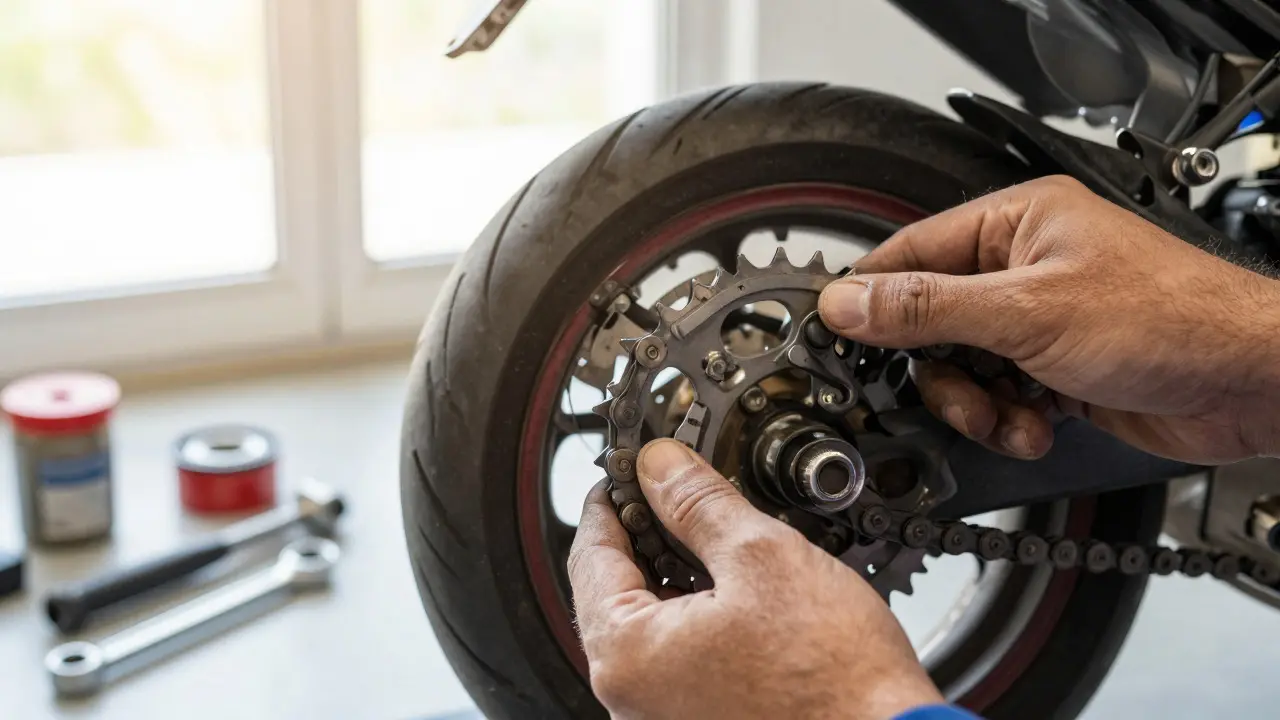
This simplicity is a huge advantage for long-term ownership. You don't need specialized tools or proprietary software to perform basic maintenance. Oil changes, valve checks, and chain adjustments are straightforward. In an era where electronics complicate repairs, Suzuki’s analog approach keeps insurance premiums lower and repair bills predictable.
Triumph: British Engineering That Lasts
It might surprise some readers, but Triumph Motorcycles is a British manufacturer that has successfully transitioned from classic heritage styling to modern, reliable production bikes using advanced alloy frame technology and precise engine tuning. Since being acquired by BMW and later independent again, Triumph has improved its quality control dramatically. The Trident 660 and Tiger Sport 660 use a triple-cylinder engine that is both powerful and surprisingly efficient.
Older Triumphs had a reputation for oil leaks and electrical faults, but post-2015 models are vastly different. They offer a premium feel and strong resale value in the UK. If you care about aesthetics and brand prestige alongside reliability, Triumph is a viable option, provided you stick to newer used models.
Brands to Approach with Caution
Not all brands age gracefully. Some manufacturers prioritize cutting-edge technology over proven durability. Here is a quick comparison of entities to consider carefully.
| Brand | Reliability Rating | Maintenance Cost | Resale Value |
|---|---|---|---|
| Honda | Excellent | Low | High |
| Yamaha | Very Good | Low-Medium | Medium-High |
| Kawasaki | Good | Medium | Medium |
| Suzuki | Very Good | Low | Medium |
| Ducati | Mixed | High | Variable |
| KTM | Mixed | Medium-High | Low-Medium |
Italian brands like Ducati and Austrian brands like KTM offer incredible performance and style. However, their complex electronics, dry-sump oil systems, and specialized parts can lead to higher long-term costs. Unless you are passionate about the brand and willing to budget for specialist servicing, these may not be the best choice for pure reliability seekers.
How to Vet a Used Bike Before Buying
Even the most reliable brand can produce a bad individual unit if it was poorly maintained. Follow these steps to ensure you’re getting a good deal.
- Check Service History: Look for stamped booklets or digital records. Gaps in service history are red flags.
- Inspect the Chain and Sprockets: Worn sprockets look "shark-toothed." If they are worn, the previous owner likely neglected lubrication and adjustment.
- Look for Corrosion: In the UK, rust on bolts, brake lines, and under the seat indicates poor storage. Surface rust on exhaust pipes is normal, but deep pitting is not.
- Test the Electronics: Turn on every light, indicator, and horn. Check if the dashboard displays any error codes. Modern bikes store fault codes that can reveal hidden issues.
- Listen to the Engine: Start the bike cold. Listen for knocking, rattling, or excessive ticking. A healthy engine should sound smooth and consistent.
Long-Term Ownership Costs Breakdown
Owning a motorcycle involves more than just the purchase price. Over five years, you should budget for:
- Insurance: Varies by age, location, and bike type. Classic bikes often have lower premiums.
- Tax: Road tax in the UK is relatively low for motorcycles compared to cars.
- Tires: Expect to replace tires every 15,000-20,000 miles depending on usage.
- Major Services: Valve checks and fluid changes every 10,000-15,000 miles.
- Unexpected Repairs: Set aside £500-£1000 per year for unforeseen issues.
By choosing a reliable brand like Honda or Yamaha, you minimize the "Unexpected Repairs" category, making your total cost of ownership much more predictable.
Final Thoughts on Choosing Your Ride
There is no single "best" brand for everyone. Your choice depends on your riding style, budget, and tolerance for maintenance. If you want set-it-and-forget-it reliability, go with Honda. If you want a balance of fun and dependability, choose Yamaha. For adventure touring, Kawasaki is hard to beat. And if you appreciate British heritage with modern reliability, Triumph is worth considering.
Remember, the condition of the specific bike matters more than the badge on the tank. Do your homework, inspect thoroughly, and enjoy the ride.
Are Japanese motorcycles more reliable than European ones?
Generally, yes. Japanese brands like Honda, Yamaha, and Suzuki focus on mass-production efficiency and standardized parts, leading to higher consistency. European brands often use more exotic materials and complex engineering, which can increase failure rates if not meticulously maintained.
What is the ideal mileage for a used motorcycle?
Ideally, look for bikes with under 20,000 miles. However, a well-maintained bike with 40,000 miles can be better than a neglected one with 10,000 miles. Always prioritize service history over odometer readings.
Do electric motorcycles offer better long-term reliability?
Electric bikes have fewer moving parts, eliminating oil changes and transmission repairs. However, battery degradation is a concern. Current battery technology suggests a lifespan of 5-10 years before significant capacity loss, which impacts long-term ownership viability compared to internal combustion engines.
Is it worth buying a certified pre-owned (CPO) motorcycle?
Yes, if available. CPO bikes undergo rigorous inspections and come with extended warranties. This reduces risk significantly, although the upfront cost is higher than private sales.
How does storage affect motorcycle reliability?
Poor storage leads to corrosion, flat spots on tires, and dried-out seals. Indoor, climate-controlled storage is ideal. If storing outdoors, use a high-quality cover and battery tender to prevent deterioration.