
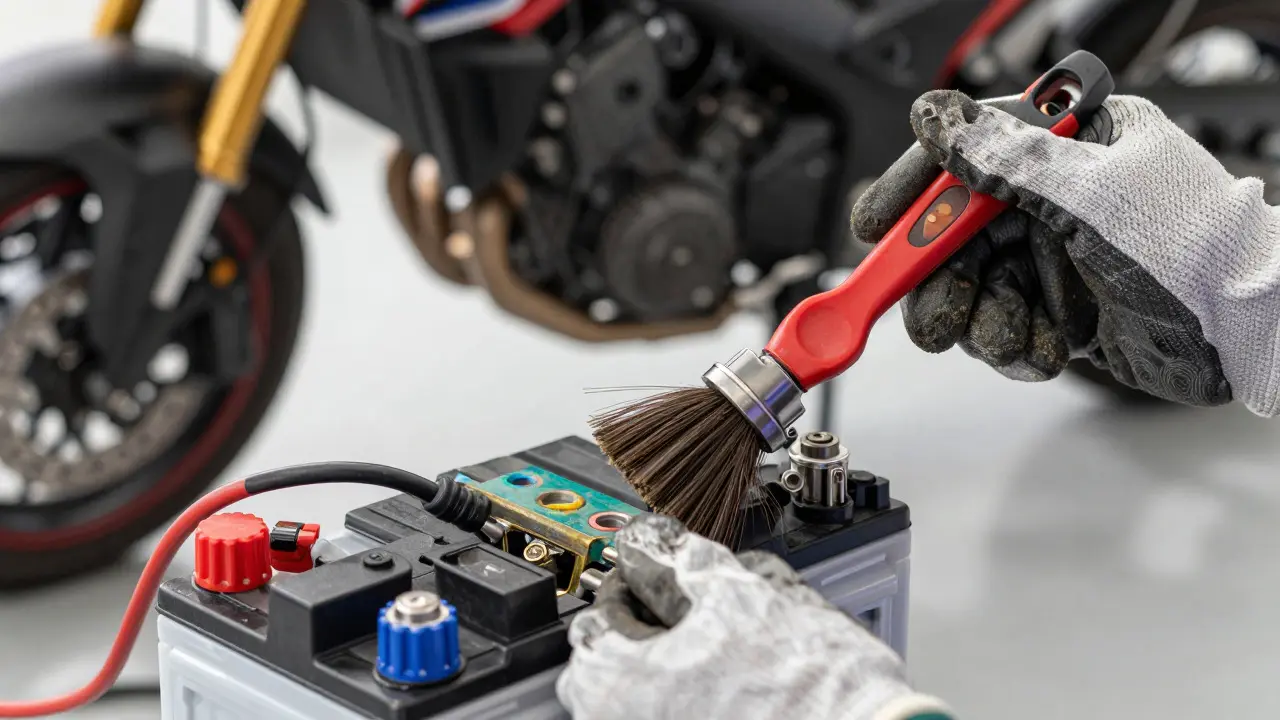
Your bike won't start. You twist the throttle, but all you get is a weak click or silence. It’s frustrating, especially when you’re ready to ride. Often, the culprit isn’t the engine or the fuel system-it’s the battery. A dead battery is one of the most common reasons riders end up stranded. But here is the good news: with proper motorcycle battery maintenance, you can avoid this headache entirely. Whether you are riding in the damp streets of Bristol or cruising on long highways, keeping your power source healthy is simple if you know what to look for.
We aren't just talking about swapping out a dead unit when it fails. We are talking about extending its life by years. This guide covers everything from daily checks to knowing exactly when it is time for a replacement. Let's keep your bike running smoothly.
Understanding Your Motorcycle Battery Types
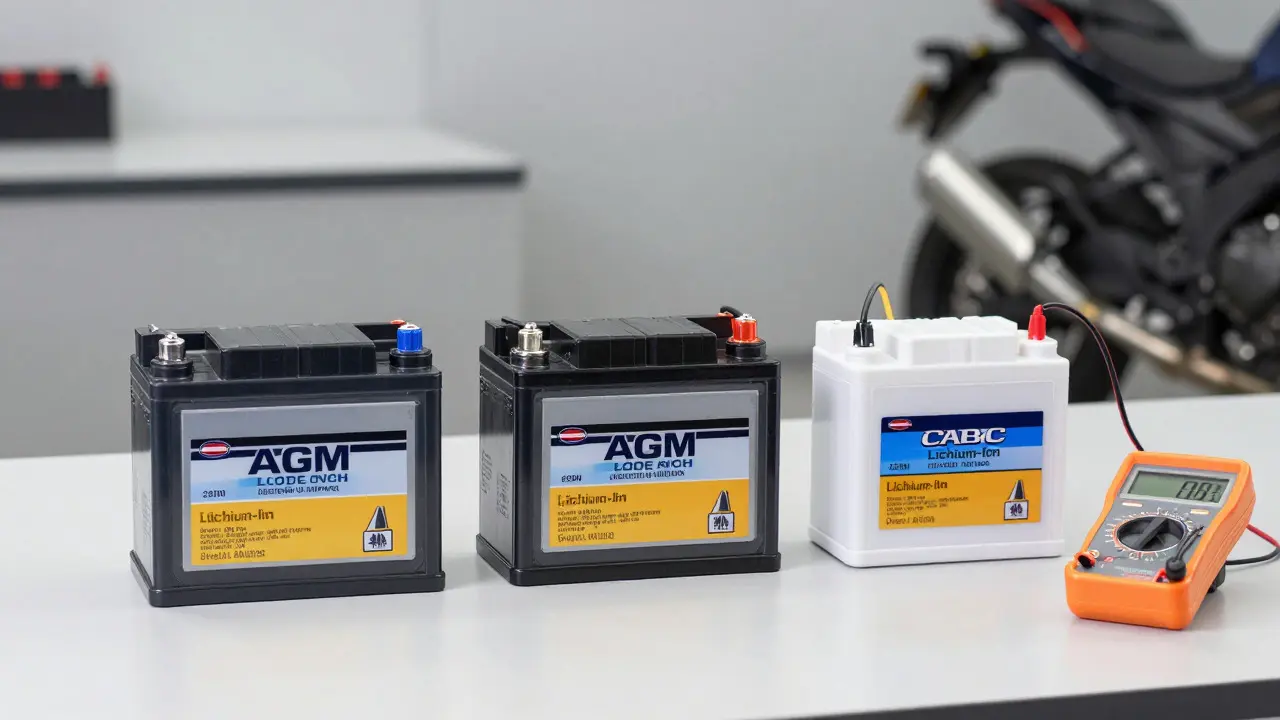
Before we dive into maintenance, you need to know what kind of battery powers your machine. Not all batteries are created equal, and treating them differently matters. Most modern motorcycles use one of two types: Lead-Acid (including AGM) or Lithium-Ion.
| Battery Type | Lifespan | Weight | Maintenance Needs | Cost |
|---|---|---|---|---|
| Flooded Lead-Acid | 1-3 years | Heavy | High (check fluid levels) | Low |
| AGM (Absorbent Glass Mat) | 3-5 years | Medium | Low (Sealed) | Medium |
| Lithium-Ion | 5-7+ years | Very Light | Very Low | High |
Flooded Lead-Acid batteries are the old-school choice. They require you to check electrolyte levels regularly. If you live in an area with extreme temperature swings, these can dry out quickly. AGM batteries are sealed units. They hold charge better and resist vibration, making them popular for sport bikes. Lithium-Ion batteries are the premium option. They weigh significantly less-sometimes half the weight of lead-acid-and last much longer. However, they are sensitive to deep discharge. If a lithium battery drops below 9 volts, it might die permanently. Knowing which type you have dictates how you maintain it.
Daily and Weekly Visual Checks
You don't need a degree in electrical engineering to spot trouble. A quick visual inspection takes thirty seconds. Make this part of your pre-ride routine. Look at the terminals first. Corrosion looks like white or blue-green powder around the posts. This buildup creates resistance, preventing the battery from delivering full power to the starter motor.
- Check for corrosion: If you see powder, clean it off with a wire brush and a mixture of baking soda and water. Neutralize the acid before wiping dry.
- Inspect the case: Look for cracks or bulges. A swollen battery case usually means it has been overcharged or exposed to excessive heat. This is a sign to replace it immediately, as it could leak or fail catastrophically.
- Tighten connections: Give the terminal clamps a gentle wiggle. They should be snug. Loose connections cause voltage drops and can even spark, leading to fire hazards in extreme cases.
If you have a flooded lead-acid battery, pop the caps and check the fluid level. The electrolyte should cover the plates inside. If it looks low, top it up with distilled water only. Tap water contains minerals that will ruin the battery chemistry. Never overfill it; leave some headspace for expansion.
The Charging System: More Than Just a Battery
A common misconception is that the battery does all the work. It doesn't. The battery starts the bike, but once the engine is running, the stator and regulator/rectifier take over. The stator generates electricity, and the regulator ensures it stays within a safe voltage range. If your charging system is faulty, no amount of battery maintenance will save you.
You can test this yourself with a multimeter. Here is how:
- Set your multimeter to DC Volts.
- Connect the red probe to the positive terminal and the black probe to the negative terminal.
- Note the resting voltage. A healthy, fully charged battery should read between 12.6V and 12.8V.
- Start the bike and let it idle. Then rev the engine to about 3,000 RPM.
- Check the voltage again. It should rise to between 13.5V and 14.5V.
If the voltage stays below 13V while running, your stator or regulator might be failing. If it goes above 15V, you are overcharging the battery, which boils the electrolyte and warps the plates. Both scenarios kill batteries fast. Fixing the charging system is often cheaper than replacing a battery ruined by bad regulation.
Winter Storage: The Silent Killer
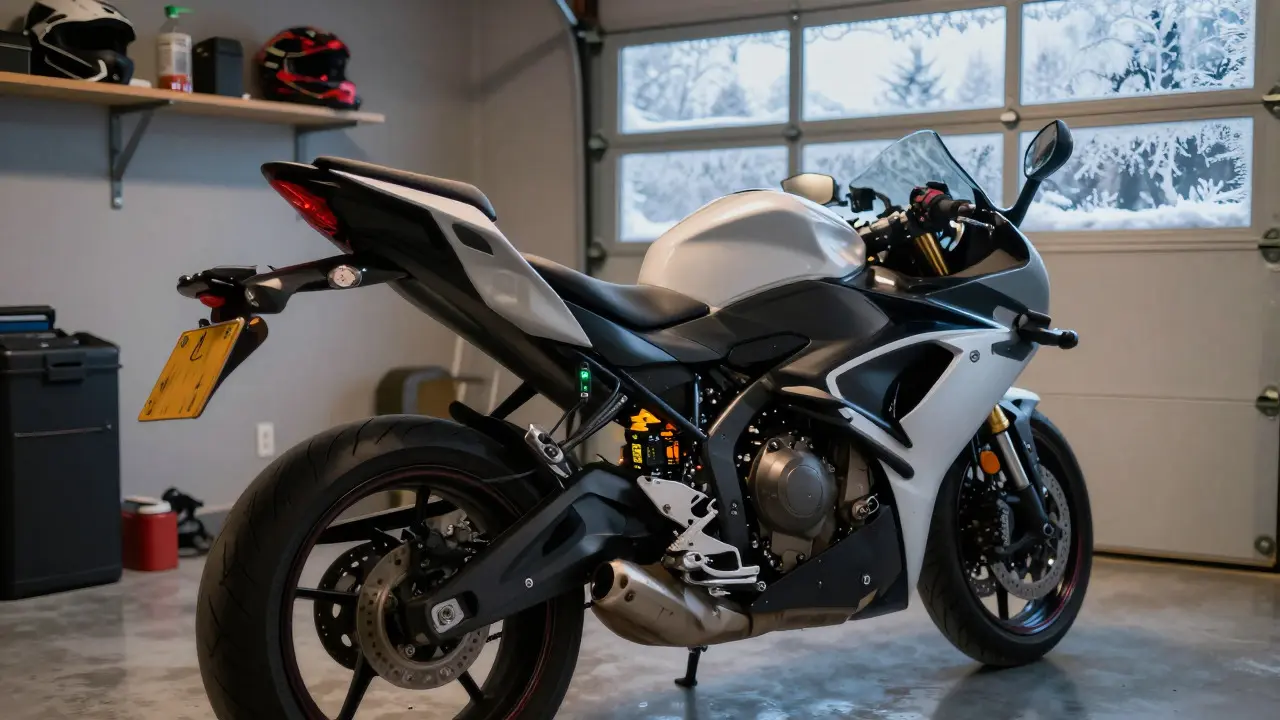
If you live in a place with cold winters, like the UK or northern US, storage is critical. Batteries self-discharge over time, meaning they lose charge even when not in use. In cold temperatures, this process slows down, but a discharged battery is vulnerable to freezing. Water expands when it freezes. If your battery is low on charge, the electrolyte is mostly water. When it freezes, it can crack the case internally.
To store your bike for winter:
- Charge it fully: Bring the battery to 100% before storing.
- Disconnect it: Remove the negative cable to prevent parasitic drain from alarms or clocks.
- Use a trickle charger: Also known as a float charger or battery tender. These devices provide a small, steady current to keep the battery topped off without overcharging. Modern smart chargers detect when the battery is full and switch to maintenance mode automatically.
- Store in a cool, dry place: Avoid freezing garages if possible. Ideal storage temperature is around 10-15°C (50-59°F).
For lithium batteries, ensure the charger is compatible. Some cheap trickle chargers are designed only for lead-acid chemistry and can damage lithium cells by pushing too much voltage. Always check the manufacturer's specs.
When to Replace Your Battery
Even with perfect care, batteries eventually die. Lead-acid batteries typically last three to five years. Lithium batteries can go seven years or more. But age isn't the only factor. Here are the signs it is time for a swap:
- Slow cranking: The starter motor sounds sluggish or labored.
- Dim lights: Headlights and taillights appear dimmer than usual, especially at idle.
- Frequent jump starts: If you find yourself needing a boost every few weeks, the battery can no longer hold a charge.
- Physical damage: Cracks, leaks, or significant swelling.
Don't ignore these signs. Riding with a weak battery risks leaving you stranded far from help. When replacing, match the specifications. Check the Cold Cranking Amps (CCA) rating. This number indicates how much power the battery can deliver at 0°F (-18°C). Higher CCA is better for starting in cold weather. Also, ensure the physical size fits your battery box. A battery that is too large can rattle loose or short against metal parts.
Pro Tips for Maximum Longevity
Beyond basic maintenance, a few habits can add months or even years to your battery's life. First, avoid short trips. If you only ride for ten minutes, the alternator might not generate enough energy to replenish what was used to start the engine. Over time, this leads to chronic undercharging. Try to take longer rides occasionally to give the battery a full recharge cycle.
Second, keep the battery clean. Dirt and grime can create conductive paths between the positive and negative terminals, causing slow discharge. Use a dedicated battery terminal protector spray or grease to seal the connections after cleaning. This prevents moisture and oxygen from causing corrosion.
Finally, consider upgrading to a lithium battery if weight and longevity are priorities. While the upfront cost is higher, the reduced weight improves handling, and the longer lifespan often makes it more economical in the long run. Just remember to handle them with care and use the correct charger.
FAQ
How often should I charge my motorcycle battery?
If you ride regularly (at least twice a week for 30+ minutes), you likely don't need to charge it manually. The bike's charging system handles it. If you ride infrequently, connect a smart trickle charger during storage. For active use, check the voltage monthly. If it drops below 12.4V, give it a top-up charge.
Can I use a car battery charger on my motorcycle?
Only if it has a specific "moto" or "small battery" setting. Car batteries are much larger and draw higher currents. Using a standard car charger on a small motorcycle battery can overheat and destroy it due to excessive amperage. Always use a charger rated for 12V motorcycle batteries, ideally with automatic shut-off.
Why does my battery die so quickly after sitting?
This is usually due to parasitic drain. Modern bikes have electronics like alarm systems, immobilizers, and digital clocks that draw small amounts of power even when off. If the battery is old or weak, this slow drain depletes it faster than it can recover. Disconnecting the negative terminal or using a trickle charger solves this.
Is it worth switching to a lithium battery?
Yes, if you value performance and convenience. Lithium batteries are lighter, hold charge longer, and last significantly longer than lead-acid options. They are particularly beneficial for sport bikes where weight reduction matters. However, they are more expensive upfront and require careful charging practices to avoid deep discharge damage.
What causes battery terminal corrosion?
Corrosion is caused by hydrogen gas escaping from the battery reacting with the air and moisture. This forms sulfuric acid deposits on the terminals. Regular cleaning with a wire brush and applying dielectric grease prevents this buildup, ensuring a solid electrical connection.