
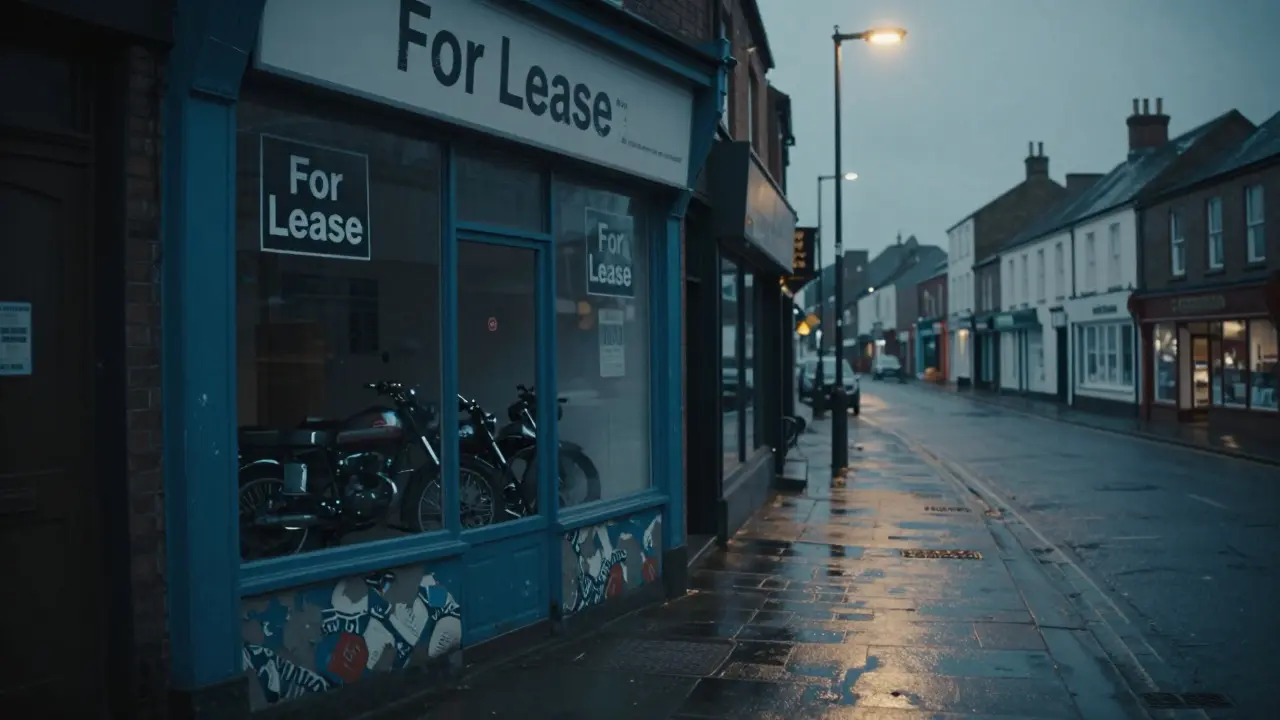
The sound of a V-twin engine echoing down a high street is becoming harder to hear in some parts of the UK. If you have been looking for a new bike recently, you might have noticed that your local showroom has vanished, replaced by a vacant lot or a generic retail unit. At the same time, massive superstores are popping up on industrial estates just outside city centers. This shift isn't random chaos; it is a calculated evolution of the motorcycle dealer network. The landscape of where we buy, service, and experience motorcycles is undergoing its most significant transformation in decades.
The Great Consolidation: Why Dealers Are Closing
It feels personal when a long-standing independent garage shuts its doors. For many riders, these shops were more than transaction points; they were community hubs. However, the economics of running a traditional single-brand dealership have become brutal. The cost of holding inventory for niche models like the Ducati Panigale or a custom Harley-Davidson has skyrocketed due to supply chain disruptions that lingered well into 2025. When a bike sits on the floor for six months instead of two, the interest rates eat the profit margin alive.
Furthermore, the overheads of maintaining prime high-street real estate in cities like Bristol, Manchester, or London have become unsustainable for many small operators. Rent prices have outpaced the average sale price of entry-level motorcycles. A shop that once sold ten bikes a month now struggles to break even with five. This financial pressure has forced a wave of closures, particularly among smaller, family-run independents who lack the capital reserves of larger corporate groups.
- Rising Operational Costs: Energy bills and commercial rent have increased by over 40% since 2023, squeezing thin margins.
- Inventory Stagnation: Complex electronic systems mean older stock depreciates faster as software updates render features obsolete.
- Labor Shortages: Finding qualified mechanics who can handle both carburetors and CAN-bus diagnostics is increasingly difficult and expensive.
The Rise of Superstores and Multi-Brand Hubs
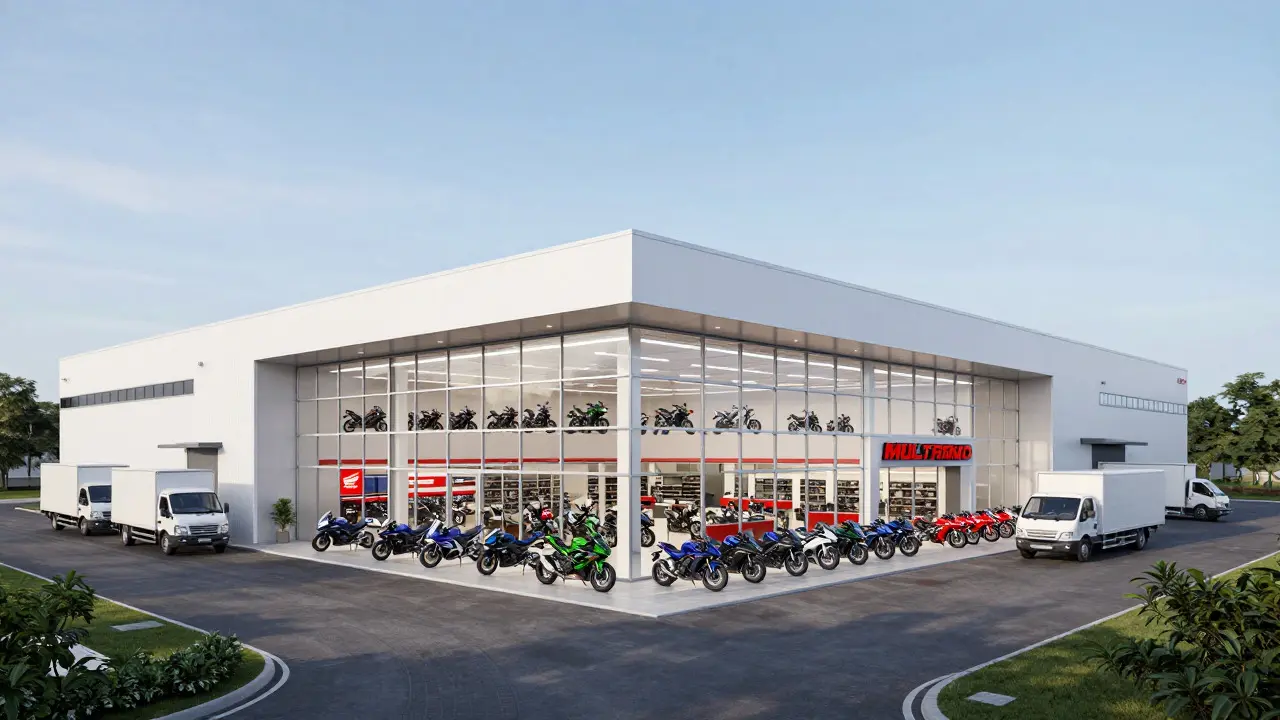
If you look at the map of openings, a clear pattern emerges. New dealerships are not appearing in town centers. They are clustering around motorway junctions and large industrial parks. These are often multi-brand superstores operated by large conglomerates like Moto House or international groups expanding into the UK market. These facilities offer something the old high-street shops couldn't: scale.
A modern superstore might house Yamaha, Kawasaki, and Honda under one roof. This allows them to cross-spare parts, share workshop bays, and keep staff fully utilized even if sales dip for one brand. For the consumer, this means convenience. You can compare a Ninja ZX-10R against a CBR1000RR-R side-by-side without driving across town. It also means better access to financing options, as these larger entities have stronger relationships with banks and leasing companies.
| Feature | Traditional High-Street Dealer | Modern Multi-Brand Superstore |
|---|---|---|
| Location | Town Center / High Street | Industrial Estate / Motorway Access |
| Brand Focus | Single Brand Specialist | Multi-Brand Aggregator |
| Inventory Depth | Low (Just-in-Time) | High (Wide Range Available) |
| Service Capacity | Limited Bays | High-Volume Workshop |
| Pricing Power | Fixed MSRP | Negotiable / Volume Discounts |
Digital Showrooms: The Click-and-Collect Revolution
You don't need to visit a physical store to buy a motorcycle anymore. In fact, most buyers start their journey online. Manufacturers like BMW Motorrad and Triumph have invested heavily in digital configurators that allow you to build your dream bike down to the last stitch of leather. But the real change is in the transaction process. Many dealers now operate as "click-and-collect" centers. You order the bike online, pay digitally, and pick it up pre-delivered.
This model reduces the need for huge showrooms filled with unsold stock. Instead, dealers act as logistics nodes. They receive the bike from the manufacturer's regional hub, perform the final assembly and safety check, and hand it over to you. This efficiency is crucial for surviving in an era where customers expect Amazon-like speed and transparency. If a dealer cannot offer online financing applications and home delivery options, they are already behind.
The Impact on Independent Mechanics and Service Centers
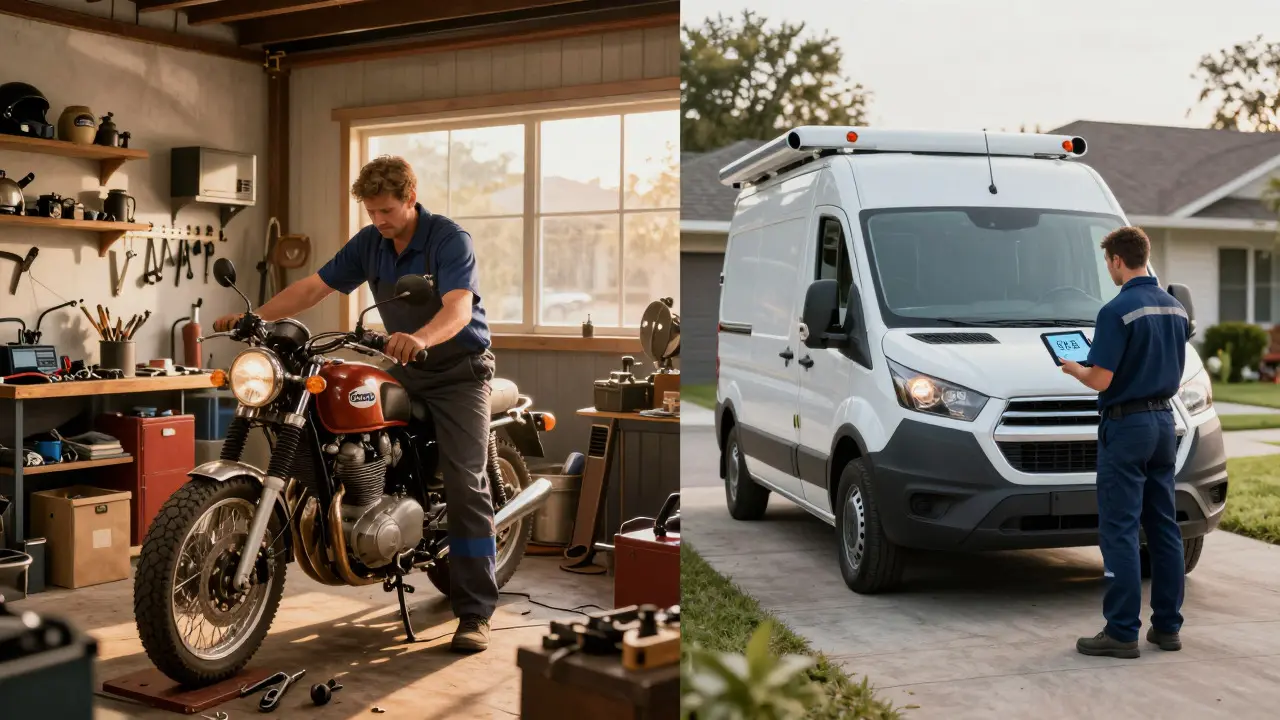
While big dealerships are opening superstores, a different kind of business is thriving: the independent specialist workshop. As new bikes become more complex, many owners find themselves priced out of authorized dealer service rates. A simple valve adjustment at a main dealer can cost hundreds of pounds due to hourly labor rates and mandatory diagnostic tool fees. This has created a boom in independent service centers that specialize in specific brands or types of maintenance.
These independents are not selling new bikes; they are keeping old ones on the road. With the average age of motorcycles increasing, the demand for reliable, affordable servicing is higher than ever. Shops that focus on classics, vintage restoration, or specialized track-day prep are seeing record bookings. They fill the gap left by dealers who want to push new sales rather than maintain aging fleets.
Regional Disparities: Urban vs. Rural Markets
The changes in the dealer network are not uniform across the country. In urban areas like London, Bristol, and Birmingham, the trend is toward compact, appointment-only showrooms or pop-up experiences. Space is too valuable to waste on displaying twenty identical bikes. Instead, dealers use virtual reality headsets to let you test ride digitally before committing.
In contrast, rural markets are seeing a consolidation effect. Small village garages are closing, forcing riders to travel 30-50 miles to reach a full-service dealer. This has led to a rise in mobile mechanic services, where technicians come to your driveway for routine maintenance. It’s a practical solution for areas where the population density doesn’t support a brick-and-mortar dealership.
What This Means for Buyers in 2026
For you, the rider, this shifting landscape offers both opportunities and challenges. On the plus side, competition among large multi-brand stores drives prices down. You have more choices available immediately, and financing options are more transparent. Digital tools make comparing specs and reviews easier than ever. You can read thousands of user experiences before setting foot in a shop.
However, the loss of local expertise is a real downside. The friendly face who knew your name and your riding history is being replaced by a sales associate working off a script. Building a relationship with a dealer is harder when transactions are digital and impersonal. To get the best deal and service, you may need to put in more effort to research and negotiate. Don’t assume the first price you see online is the final price. Always call ahead, ask about current promotions, and check if they offer trade-in valuations that match online estimates.
Why are so many independent motorcycle dealers closing?
Independent dealers are struggling with rising operational costs, including commercial rent and energy bills, which have surged significantly since 2023. Additionally, the complexity of modern motorcycles requires expensive diagnostic tools and highly trained staff, raising overheads. Smaller shops lack the economies of scale to compete with large multi-brand superstores that can spread these costs across multiple brands and higher volume sales.
Are multi-brand motorcycle superstores better for consumers?
For many consumers, yes. Multi-brand superstores offer greater convenience by allowing you to compare different manufacturers like Yamaha, Honda, and Kawasaki in one location. They typically have larger inventories, meaning you are more likely to find the exact color and specification you want in stock. They also often provide more competitive pricing and flexible financing options due to their larger volume of sales.
How has the buying process changed for motorcycles in 2026?
The buying process has shifted heavily online. Most buyers now use digital configurators to customize their bikes and apply for financing through web portals. Many dealers operate on a click-and-collect model, where you order the bike online and pick it up after it has been prepared. Virtual tours and augmented reality apps allow you to explore bike features without visiting a showroom, making the initial research phase faster and more efficient.
Where can I get affordable motorcycle servicing if dealers are closing?
With the closure of some traditional dealers, independent specialist workshops are becoming a popular alternative. These shops often charge lower hourly rates than authorized dealers and can perform similar maintenance tasks. Additionally, mobile mechanic services are growing in popularity, especially in rural areas, offering convenient doorstep servicing for routine checks and repairs.
Will I still be able to find a local motorcycle dealer near me?
It depends on your location. In urban centers, dealers are moving to smaller, appointment-only spaces or pop-up locations. In rural areas, there may be fewer options, requiring longer travel distances to reach a full-service superstore. However, the rise of online ordering and home delivery means you are less dependent on having a dealer within walking distance. Use online dealer locators to find the nearest authorized service point.