
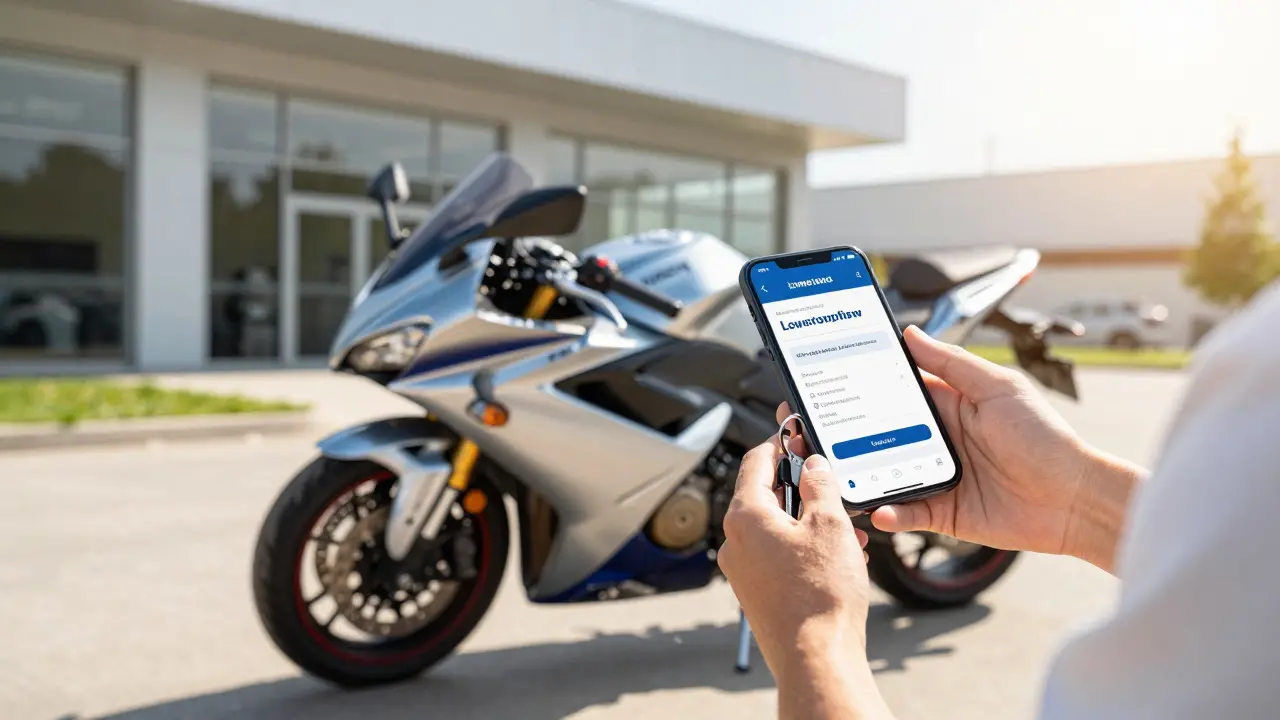
Why Your Bank Might Be Overcharging You for That New Bike
You’ve found the perfect motorcycle. The color is right, the mileage is low, and it fits your budget-on paper. But then you hit the financing stage. Dealers often push their own in-house loan programs or partner with big national banks that charge sky-high interest rates to make up for thin profit margins on the bike itself. It’s a trap many riders fall into without realizing it until they see their monthly payment.
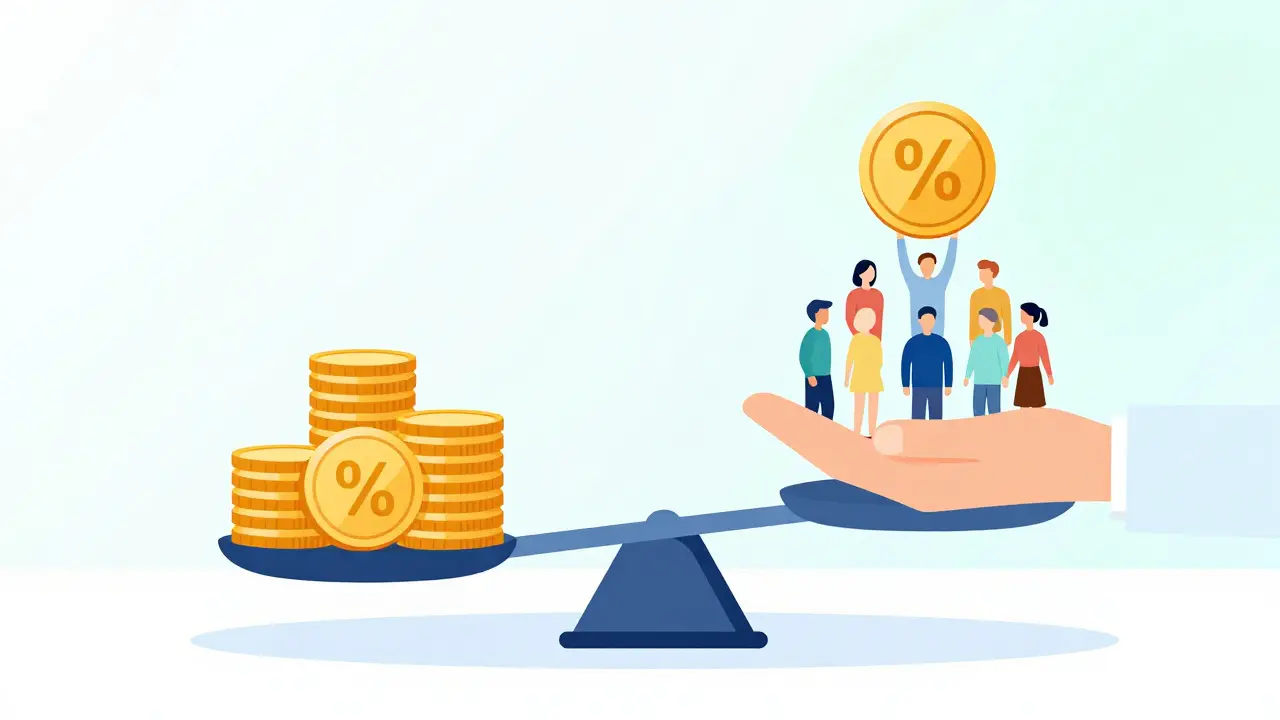
There is a better way. Credit unions are member-owned financial cooperatives that offer lower interest rates and fewer fees than traditional banks. Unlike a bank that exists to generate profit for shareholders, a credit union returns its earnings to you in the form of better loan terms. For motorcycle purchases specifically, this difference can save you hundreds, if not thousands, of pounds over the life of the loan.
If you are looking to finance a motorcycle in 2026, skipping the dealership financing desk and going straight to a credit union is one of the smartest moves you can make. Here is exactly how it works, what rates you can expect, and why this approach beats almost every other option on the market.
The Core Difference: Profit vs. Member Benefit
To understand why credit union rates are better, you have to look at who owns the money. When you borrow from a commercial bank like HSBC or Barclays, you are borrowing from an institution owned by investors. Their goal is to maximize return on investment. High-interest auto and motorcycle loans are a primary revenue stream for them.
A credit union operates differently. It is a non-profit cooperative. You become a member when you open an account. The money you deposit goes into a pool that is lent out to other members. Any surplus income generated from interest payments is not sent to Wall Street or London City investors; it is used to lower loan rates, reduce fees, and improve services for members.
This structural difference creates a direct advantage for borrowers. In the UK, while interest rate caps have changed regulations recently, credit unions still consistently offer APRs (Annual Percentage Rates) that are significantly lower than the average dealer-financed loan. Where a dealer might quote you 9% to 12% APR, a credit union might offer 4% to 7%, depending on your credit score and the length of the loan.
Current Motorcycle Loan Rates: What to Expect in 2026
Interest rates fluctuate based on the Bank of England's base rate and individual lender policies. As of early 2026, the landscape for motorcycle financing looks favorable for those with decent credit histories, but predatory lending remains a risk for those with poor scores.
| Lender Type | Estimated APR Range | Typical Fees | Loan Term Options |
|---|---|---|---|
| Credit Union | 3.5% - 7.5% | Minimal (often no origination fee) | 12 - 60 months |
| Dealership Finance | 8.0% - 14.0% | High (documentation fees, admin charges) | 24 - 72 months |
| National Bank Auto Loan | 5.0% - 9.0% | Moderate (origination fees common) | 36 - 60 months |
| Pawn Shop / Title Loan | 15% - 30%+ | Very High | Short term only |
Note that these figures vary by individual credit profile. A borrower with a FICO score above 750 will likely secure the lower end of these ranges, while someone rebuilding their credit may find themselves toward the higher end. However, even at the high end, credit unions rarely exceed the aggressive pricing seen in dealership financing.
How to Get Approved: Eligibility and Membership
You cannot simply walk into any credit union and apply for a loan. By law, credit unions must serve a specific "field of membership." This could be employees of a certain company, residents of a specific county, members of a religious group, or simply anyone who lives in the UK (for some larger, more open credit unions).
Here is the step-by-step process to get approved:
- Find a Local Credit Union: Use online directories to locate credit unions near Bristol or your current residence. Check their eligibility requirements. Many large credit unions now allow online membership if you live in their service area.
- Open a Share Account: To become a member, you usually need to open a savings account (called a share account) and deposit a small amount, often between £10 and £25. This makes you an owner of the credit union.
- Establish History (If Possible): Some credit unions require you to have been a member for three months before taking out a loan. If you are in a rush, ask about "share certificate" options, where you can deposit a larger sum temporarily to qualify faster.
- Apply for the Motorcycle Loan: Submit your application. Credit unions often review applications manually rather than through automated algorithms. This means they look at your whole financial picture, not just a number. They may consider your employment stability, local ties, and recent hardship situations that a bank would automatically reject.
This personal touch is a huge advantage. If you have a blemish on your credit report due to a medical emergency or temporary job loss, a credit union officer might still approve you, whereas a bank’s computer system would likely say no.
Advantages Beyond Just Interest Rates
Lower rates are the headline feature, but credit unions offer several other benefits that make them superior for motorcycle financing.
No Prepayment Penalties
Many traditional lenders charge a penalty if you pay off your loan early. Why? Because they lose out on the interest they expected to earn over the full term. Credit unions almost never charge prepayment penalties. If you sell your bike after two years and want to clear the debt, you can do so without extra fees. This flexibility is crucial for motorcyclists who frequently upgrade their rides.
Flexible Repayment Terms
Life happens. Maybe you miss a payment because your paycheck was delayed. Big banks often send your account to collections immediately. Credit unions are known for offering grace periods and working with members to adjust payment dates or skip a month if necessary. This reduces stress and helps protect your credit score during tough times.
Support for Used Bikes
Most new motorcycle loans are easy to get, but financing a used bike can be tricky. Dealerships often refuse to finance older models, forcing buyers to use high-interest credit cards or personal loans. Credit unions are generally more willing to finance used motorcycles, provided the bike is in good condition and has a valid MOT. They understand that buying used is often the most economical choice for riders.
Common Pitfalls to Avoid
While credit unions are excellent, they are not perfect. Being aware of potential downsides will help you navigate the process smoothly.
- Loan Limits: Credit unions have smaller capital reserves than major banks. They may cap motorcycle loans at a certain amount, such as £10,000 or £15,000. If you are buying a high-end superbike worth £20,000+, you might need to combine a credit union loan with another funding source or put down a larger deposit.
- Slower Processing: Because applications are often reviewed by humans, approval can take a few days rather than minutes. Do not try to use a credit union loan to close a deal at a dealership on the same day you visit. Plan ahead. Get pre-approved before you go to the dealer.
- Geographic Restrictions: If you move outside the credit union’s field of membership, you may face restrictions on future borrowing or even be required to close your accounts. Check the rules if you plan to relocate soon.
Pre-Approval: Your Secret Weapon
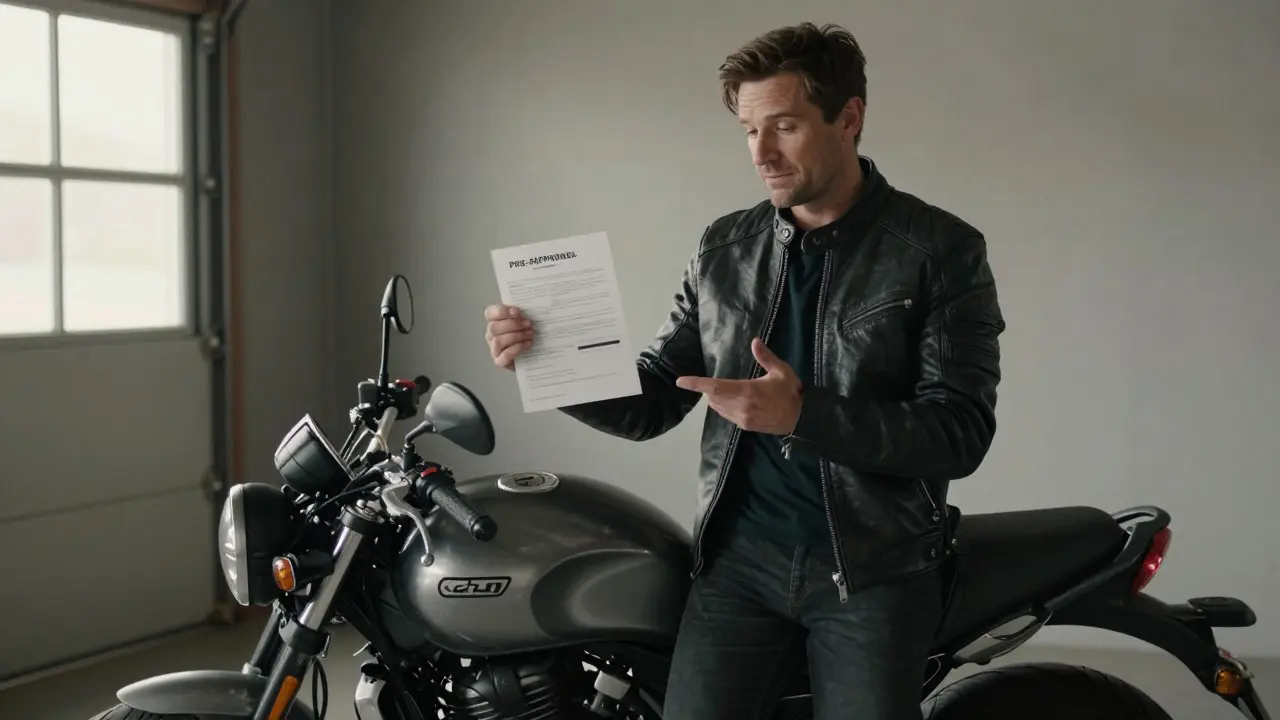
The single best strategy for buying a motorcycle is to get pre-approved by your credit union before you ever step foot in a dealership. Here is why:
When you arrive at the dealer with a pre-approval letter, you know exactly what your interest rate is and what your monthly payment will be. The dealer’s finance manager will try to upsell you with their own financing, claiming it’s easier or faster. You can politely decline and say, "I already have financing arranged."
This shifts the power dynamic. You are no longer a desperate buyer needing a loan; you are a cash-ready customer negotiating for the best price on the bike. Dealers often lower the sticker price when they know they won’t make money on the financing spread. You win twice: once on the loan rate, and again on the purchase price.
Alternative Options to Consider
If you are ineligible for a credit union loan, or if the loan limit is too low, consider these alternatives:
- Personal Loans from Online Lenders: Companies like MoneySavingExpert-recommended lenders sometimes offer competitive rates for secured personal loans. Ensure the loan is fixed-rate to avoid surprises.
- Family or Friends: Informal loans can work if structured correctly. Draft a simple contract outlining repayment terms to maintain relationships and clarity.
- Savings Plans: If you don’t need the bike immediately, consider a high-yield savings account or a dedicated motorcycle fund. Paying cash eliminates interest entirely and gives you maximum negotiating power.
Final Thoughts on Smart Motorcycle Financing
Financing a motorcycle doesn’t have to be a stressful experience filled with hidden fees and predatory rates. By choosing a credit union, you align yourself with a financial partner that has your best interests at heart. The combination of lower APRs, no prepayment penalties, and personalized service makes credit unions the top choice for savvy riders in 2026.
Take the time to research local credit unions, check your eligibility, and get pre-approved. The effort you put in now will pay off with lower monthly payments and greater financial freedom on the road.
Can I get a motorcycle loan from a credit union if I have bad credit?
Yes, it is possible. Credit unions often evaluate applicants holistically rather than relying solely on credit scores. They may consider your employment history, income stability, and reasons for past credit issues. While the interest rate might be higher than for someone with excellent credit, it is typically still lower than what subprime lenders or dealerships would offer.
How long does it take to get approved for a credit union motorcycle loan?
Approval times vary, but generally range from 24 hours to a few business days. Since many credit unions review applications manually, it is not instant like some online lenders. It is best to apply at least one week before you plan to purchase the motorcycle to ensure funds are available.
Do credit unions finance used motorcycles?
Most credit unions do finance used motorcycles, provided the vehicle meets certain age and condition criteria. Typically, the bike should be less than 10 years old and have a valid MOT. Always check with your specific credit union for their exact guidelines on used vehicle financing.
Is there a down payment required for a credit union motorcycle loan?
While not always mandatory, making a down payment is highly recommended. A down payment of 10% to 20% can help you secure a lower interest rate and reduce the total amount you need to borrow. Some credit unions may require a down payment if the loan-to-value ratio is too high.
What documents do I need to apply for a motorcycle loan?
You will typically need proof of identity (passport or driving license), proof of address (utility bill or bank statement), proof of income (pay slips or tax returns), and details about the motorcycle being purchased (invoice or quote). Having these documents ready speeds up the application process.