
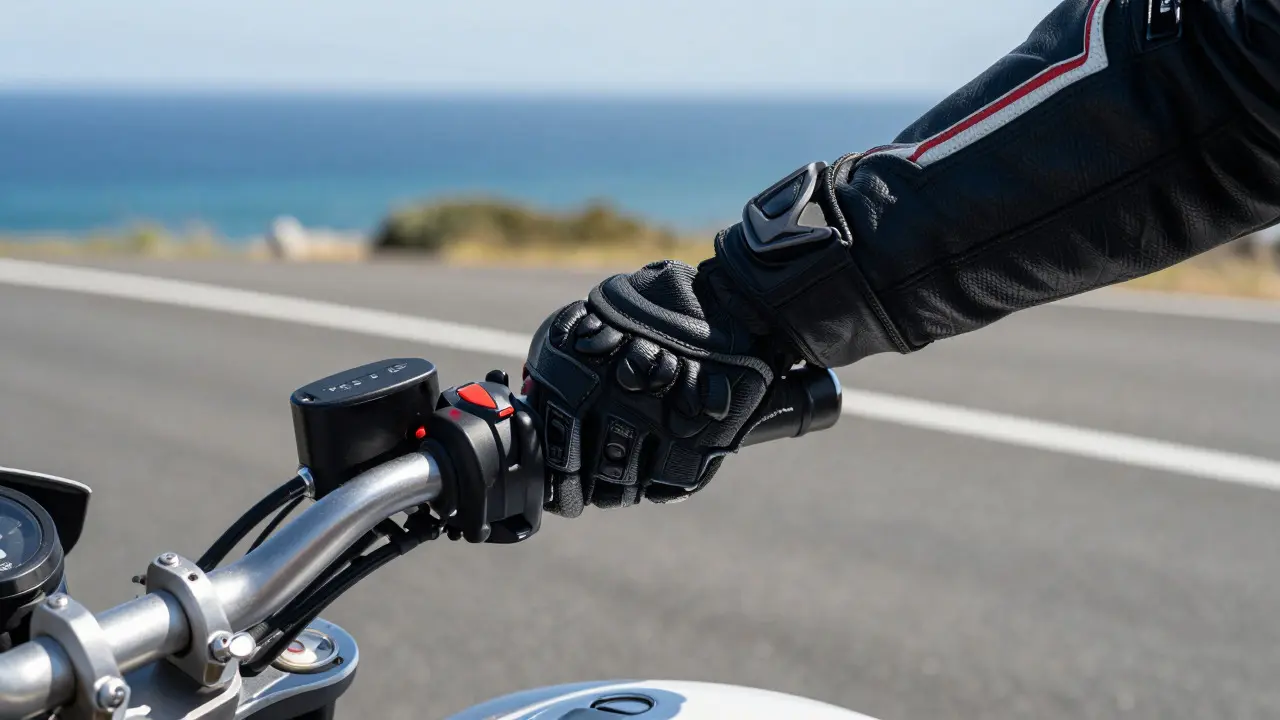
Picture this: You’re cruising down a winding coastal road. The wind is whipping past, the engine hums in your chest, and suddenly, you need to grab your brake lever hard. Your fingers slip. Not because of sweat, but because your motorcycle gloves are too big. That split-second delay could mean the difference between a safe stop and a spill. Gloves aren’t just fashion accessories; they are your primary interface with the bike. If they don’t fit right, they fail you.
Finding the perfect pair isn’t about guessing. It’s about precise measurement, understanding material behavior, and knowing how to break them in without ruining them. Whether you’re buying textile gloves for city commuting or heavy leather gauntlets for highway touring, getting the size wrong is a common mistake that compromises safety. Let’s get your hands protected properly.
Why Precise Motorcycle Glove Sizing Matters
We often think of gloves as soft fabric, but in motorcycling, they are armor. A properly fitted motorcycle glove provides impact protection, abrasion resistance, and tactile feedback. When a glove is too loose, it bunches up inside. This creates pressure points on your knuckles and reduces your ability to feel the throttle and brakes. Worse, in a slide, a loose glove can tear off entirely, leaving your skin exposed to asphalt.
Conversely, if a glove is too tight, it cuts off circulation. Cold hands go numb fast. Numb hands lose dexterity. You might not realize you’re losing sensation until you’re already in trouble. The goal is a "second skin" fit-snug enough to stay put during a crash, but loose enough to allow blood flow and finger movement.
How to Measure Your Hand for Motorcycle Gloves
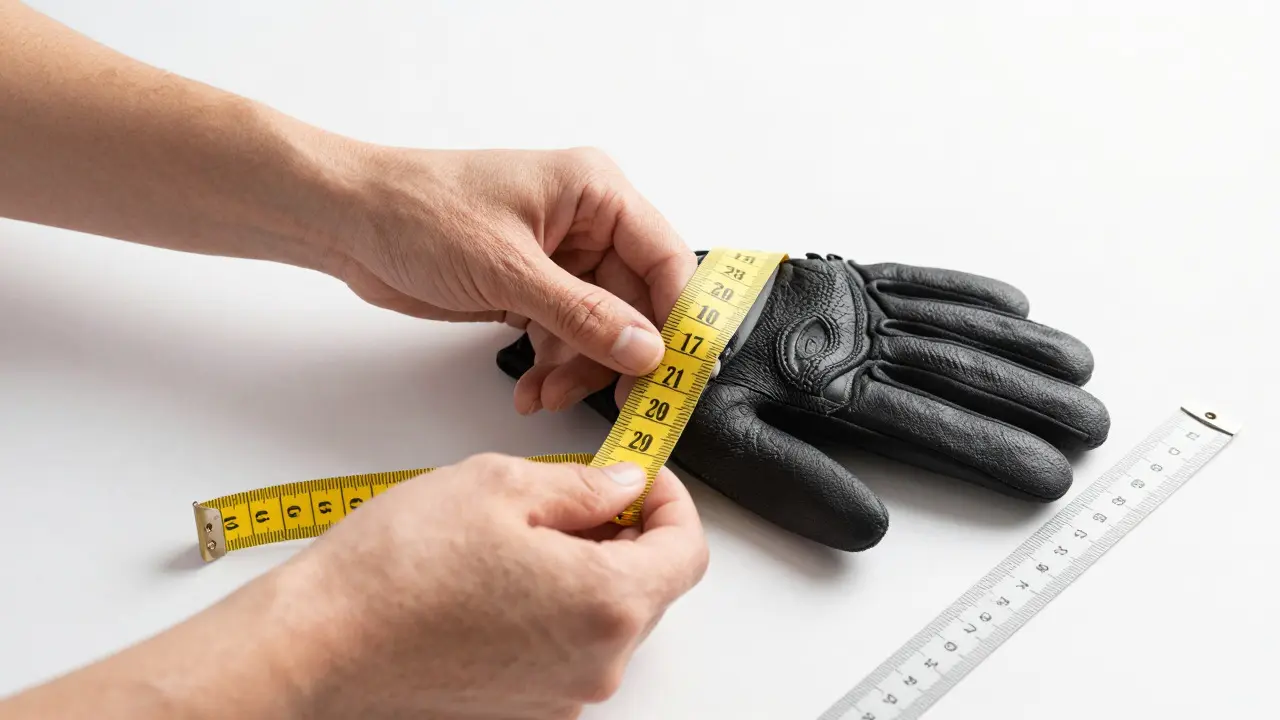
Forget the generic "small, medium, large" tags on retail shelves. Brands vary wildly. A Medium in one brand might be a Large in another. To get it right, you need two numbers: circumference and length. Use a flexible tailor’s tape measure. If you don’t have one, use a piece of string and measure it against a ruler later.
- Measure Circumference: Wrap the tape around the widest part of your dominant hand (usually the knuckles). Exclude your thumb from this measurement. Keep the tape snug but not digging into your flesh. Write down this number in centimeters or inches.
- Measure Length: Place your hand flat on a table. Measure from the base of your palm (where your wrist creases) to the tip of your middle finger. This ensures the fingers will be long enough to cover your nails, which is crucial for protection.
Pro tip: Measure both hands. Most people have one hand slightly larger than the other. Always size for the larger hand. If you buy based on your smaller hand, your dominant hand will feel cramped and restricted.
| US Size | Hand Circumference (Inches) | Hand Circumference (cm) |
|---|---|---|
| S | 7.0 - 7.5 | 18 - 19 |
| M | 7.5 - 8.0 | 19 - 20.5 |
| L | 8.0 - 8.5 | 20.5 - 21.5 |
| XL | 8.5 - 9.0 | 21.5 - 23 |
Remember, this chart is a starting point. Always check the specific brand’s sizing guide. European brands like Dainese or Alpinestars often run smaller than American brands like Icon or Rev’it!.
Fitment Checks: What Does a Good Fit Feel Like?
You’ve got the measurements. You’ve ordered the gloves. Now comes the critical test. Put them on and perform these checks before you ride:
- The Fist Test: Make a tight fist. The material should stretch comfortably without feeling like it’s about to rip. There shouldn’t be excessive wrinkling across the knuckles, but some tension is normal, especially with leather.
- The Throttle Twist: Mimic twisting the throttle. Your pinky and ring finger should move freely. If the glove pulls back at the wrist when you twist, it’s too short or the cuff is too tight.
- The Finger Tip Check: Extend your fingers fully. The tips should reach the end of the glove casing, covering your fingernails completely. If your nails poke out, you’re at risk of breaking them in a fall. If there’s an inch of empty space, the glove is too long.
- The Wrist Closure: Fasten the Velcro or zipper. It should be secure but not constricting. You should be able to slide a finger under the closure easily. Too loose, and debris gets in. Too tight, and it cuts off circulation.
If you plan to wear liners underneath, try the gloves on with those liners. Textile gloves often accommodate thin thermal liners, while pre-curved leather gloves usually require a tighter initial fit since they don’t stretch much.
Material Differences: Leather vs. Textile Sizing
Not all gloves behave the same way. The material dictates how the glove fits over time.
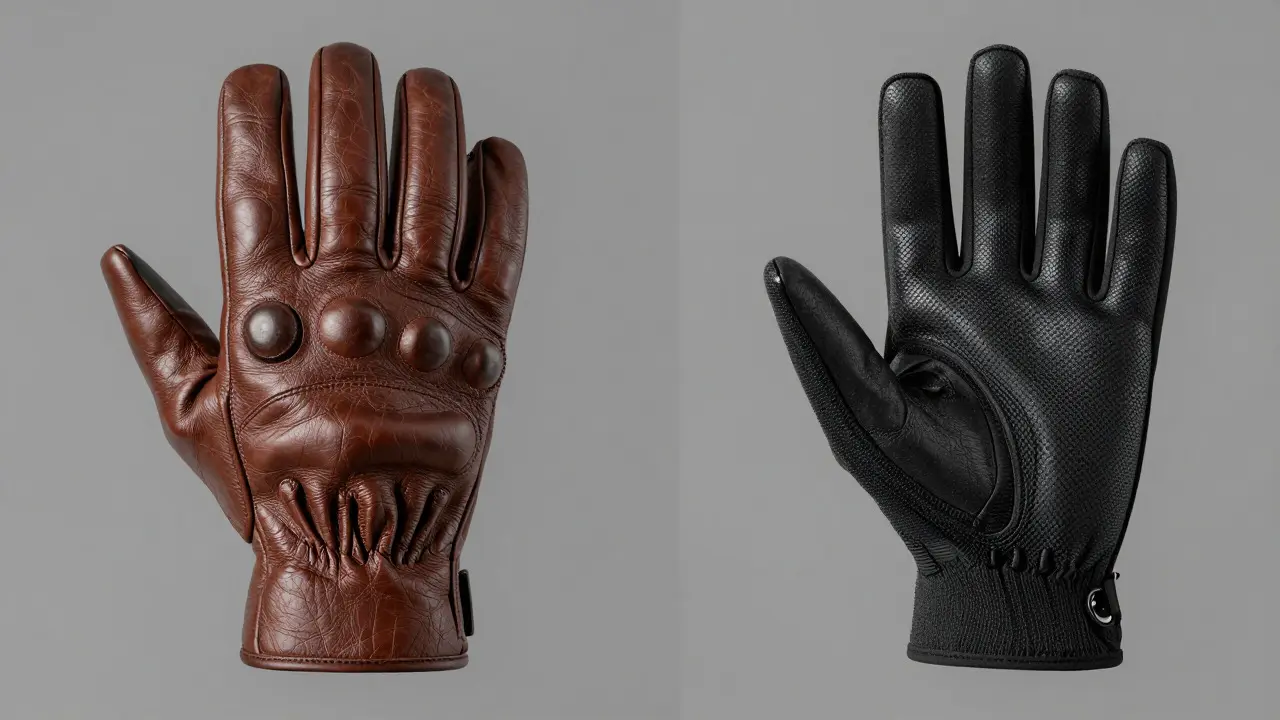
Leather Gloves: High-quality cowhide or kangaroo leather molds to your hand. New leather gloves feel stiff and boxy. They need to be broken in. When sizing leather, aim for a snug fit that feels slightly uncomfortable at first. As you ride, the heat from your hands and the motion of your fingers will soften the leather and shape it to your unique hand geometry. Kangaroo leather, being thinner and stronger, offers less give than thick cowhide, so fit precision is even more critical.
Textile Gloves: Made from materials like Cordura, polyester, or mesh, textile gloves have little to no break-in period. They fit exactly as they come out of the box. If a textile glove feels tight today, it will feel tight next year. If it’s loose, it will always be loose. For textile, prioritize immediate comfort and mobility. Look for stretch panels in the knuckles and palms to compensate for lack of material elasticity.
Break-In Tips: Softening Stiff Gloves Safely
New leather gloves can feel like wearing oven mitts made of cardboard. Don’t panic. Here’s how to speed up the process without damaging the material:
- Wear Them Around the House: Do your daily chores-washing dishes, typing, cooking-in your new gloves. The repetitive motion helps flex the joints. Just avoid getting them wet with harsh chemicals.
- Use Heat Wisely: Sit near a heater or use a hairdryer on low heat while wearing the gloves. Move your fingers constantly as the leather warms up. The heat relaxes the fibers, allowing them to stretch slightly. Don’t overdo it; extreme heat can dry out and crack leather.
- Condition the Leather: Apply a high-quality leather conditioner designed for motorcycle gear. This keeps the hide supple. Avoid petroleum-based products, which can degrade stitching and coatings. Work the conditioner into the knuckles and palm areas where stiffness is most pronounced.
- Ride Short Distances: Start with short rides. The friction and body heat will naturally mold the gloves. After each ride, take them off and let them air dry away from direct sunlight.
Avoid soaking them in water or using aggressive stretching tools. These methods can warp the protective sliders and compromise the structural integrity of the glove.
Common Mistakes to Avoid
Even experienced riders make sizing errors. Watch out for these pitfalls:
- Ignoring Seasonal Changes: In winter, you’ll wear thicker liners. If you buy gloves that fit perfectly with bare hands, they’ll be impossible to zip shut with thermal liners. Buy slightly larger if you ride year-round with layers.
- Choosing Style Over Fit: Don’t sacrifice protection for aesthetics. A glove that looks cool but slips off your hand in a crash is useless. Prioritize the fit and quality of the armor.
- Skipping the Try-On: Online shopping is convenient, but return policies exist for a reason. Order two sizes if you’re unsure. Try them on with your jacket cuffs to ensure compatibility. Some jackets have wide cuffs that won’t fit over bulky glove wrists.
When to Replace Your Gloves
Gloves wear out faster than you think. Inspect them regularly. Look for:
- Thinning material, especially in the palm and pinky area.
- Cracked or peeling leather.
- Loose stitching.
- Damaged or missing protective sliders.
- Faded reflective elements.
If the Velcro loses its grip, replace the gloves immediately. A glove that doesn’t stay closed is a hazard. Typically, gloves last 2-4 years depending on usage. Don’t wait until they fall apart.
Should motorcycle gloves be tight or loose?
Motorcycle gloves should be snug, not tight or loose. They should feel like a second skin. If they are too loose, they can bunch up and reduce control, or tear off in a crash. If they are too tight, they cut off circulation and cause numbness. Aim for a fit that allows full finger movement without excess material.
Do leather motorcycle gloves stretch?
Yes, genuine leather gloves stretch and mold to your hand over time. Cowhide stretches more than kangaroo leather. However, they do not expand significantly in size. They become softer and conform to the shape of your hand, improving comfort and fit. Textile gloves generally do not stretch.
How do I measure my hand for motorcycle gloves?
Measure the circumference of your dominant hand around the knuckles (excluding the thumb) and the length from the base of your palm to the tip of your middle finger. Use these measurements to compare against the specific brand’s size chart, as sizing varies between manufacturers.
Can I wear liners with armored motorcycle gloves?
It depends on the glove design. Many textile and adventure gloves are designed to accommodate thin thermal liners. Pre-curved leather racing gloves often have limited internal space and may not fit well with liners. Always try the combination before buying or riding in cold weather.
How long does it take to break in new leather gloves?
Breaking in new leather gloves typically takes 10 to 20 hours of riding. You can speed up the process by wearing them around the house, using gentle heat, and applying leather conditioner. Avoid aggressive methods like soaking, which can damage the material.
Comments
Keith Barker
the hand is a map of intent yet we bind it in leather to survive the asphalt. fit is not just comfort but survival.
July 25, 2026 at 10:11
Joe Walters
bro this article is so basic lol i have been riding for 10 years and i know my gloves fit fine even if they are slightly loose because tight gloves hurt after an hour. also kangaroo leather is overrated hype beast stuff. i stick to cowhide because its durable and cheap. why do people make sizing so complicated just buy what feels good in the store and ride on. stop overthinking it you guys are ruining the fun with all these measurements and charts. its just a glove not a space suit. unless you are doing track days then maybe care about it but for commuting who cares.
July 26, 2026 at 22:41
Michael Richards
You are clearly inexperienced if you think loose gloves are acceptable. A loose glove bunches up at the knuckles creating pressure points that reduce tactile feedback on the brake lever. This is a safety hazard not a preference. Measure your hands properly using a tailor tape around the widest part of your knuckles excluding the thumb. Then measure from the base of your palm to the tip of your middle finger. Compare these numbers to the specific brand chart because Dainese runs smaller than Icon. Do not guess. Guessing gets you killed.
July 28, 2026 at 20:24
Lisa Puster
typical american ignorance thinking one size fits all when european engineering actually understands precision. you americans wear bags on your hands and wonder why you slide off in crashes. real protection comes from proper fitment which requires discipline and measurement not guessing. read the chart again and pay attention to the circumference differences between brands like alpinestars and revit. stop being lazy and measure correctly or stay home
July 29, 2026 at 05:30
Lisa Nally
I must interject regarding the break-in process as many riders misunderstand the thermodynamic properties of collagen fibers in leather. When you apply heat via a hairdryer on low setting while flexing the digits you are essentially plasticizing the material temporarily allowing it to conform to your unique anatomical geometry. However one must avoid excessive thermal exposure which can desiccate the hide leading to catastrophic structural failure during abrasion events. Furthermore the use of petroleum-based conditioners is strictly prohibited as they degrade the stitching integrity and compromise the protective sliders embedded within the glove construction. Always opt for specialized leather treatments designed specifically for motorcycle apparel to maintain optimal suppleness without sacrificing durability.
July 30, 2026 at 22:38
Edward Gilbreath
they want you to buy new gloves every two years because the old ones have microplastics that absorb toxins from the road. just soak them in vinegar and reuse them forever. the big glove companies are lying about wear and tear to sell more products. ignore the velcro advice too velcro is just a marketing scam to make you replace gear faster.
August 1, 2026 at 02:08
Robert Barakat
we seek control through constraint yet the constraint itself becomes the source of vulnerability. the glove is both shield and cage.
August 2, 2026 at 19:55
Edward Nigma
Actually most sizing charts are completely wrong because manufacturers intentionally skew sizes to increase return rates or push premium models. The standard inch based system is flawed because hand shapes vary drastically between ethnicities and geographic regions. You should measure your finger length individually rather than relying on palm circumference alone. Also textile gloves stretch way more than people admit due to the elastic panels so buying snug is a mistake. Buy large and tuck the excess material into the cuff. This is common knowledge among serious riders who dont trust corporate sizing standards.
August 4, 2026 at 15:08
Francis Laquerre
In Europe we often see riders wearing gloves that are far too small because they prioritize the aesthetic of a tight fit over actual functionality. It is a cultural misunderstanding of what protection means. We believe in balance. The glove should allow for dexterity but also provide a barrier against the elements. When I ride in the Alps I ensure my gloves are compatible with my jacket cuffs to prevent debris entry. This attention to detail is crucial for long distance touring. One must respect the machine and the road by preparing oneself adequately. The fit should be secure but not restrictive allowing blood flow to remain consistent throughout the journey.
August 6, 2026 at 00:14
Laura Davis
Hey everyone lets keep this positive and helpful! Remember that finding the right fit takes patience and experimentation. If you are unsure order two sizes and try them on with your liners. Winter riding requires extra room for thermal layers so do not forget to account for that. Check the wrist closure carefully because a loose cuff lets in rain and dirt which ruins the ride experience. Take care of your hands they are your lifeline on the bike. Stay safe out there and enjoy the ride!
August 6, 2026 at 08:01
kimberly de Bruin
the silence of the wind is broken only by the friction of leather against skin. we protect our hands to feel the world better.
August 7, 2026 at 03:03
michael rome
It is imperative that one considers the seasonal variations when selecting appropriate handwear. During the colder months the inclusion of thermal liners necessitates a slightly larger initial fit to accommodate the additional bulk without compromising circulation. Conversely in warmer conditions mesh ventilation becomes paramount for temperature regulation. One must also consider the compatibility of the glove cuff with the jacket sleeve to ensure a seamless interface that prevents ingress of environmental contaminants. Proper maintenance including regular conditioning of leather components will extend the lifespan of the garment significantly. Attention to these details ensures optimal performance and safety.
August 8, 2026 at 02:04
Andrea Alonzo
It is truly wonderful to see such a comprehensive guide shared here because so many riders overlook the importance of proper glove fitment until it is too late. I always encourage new riders to take their time measuring their hands accurately using a flexible tape measure around the knuckles and from the base of the palm to the tip of the middle finger as this ensures that the fingers are fully protected and nails are covered. It is also essential to remember that leather gloves will mold to your hand over time so they may feel stiff initially but will become much more comfortable with use whereas textile gloves offer immediate comfort but do not stretch significantly. By paying attention to these details and performing simple checks like making a fist or twisting the throttle you can ensure that your gloves provide the necessary protection and dexterity for a safe and enjoyable ride.
August 9, 2026 at 21:53