
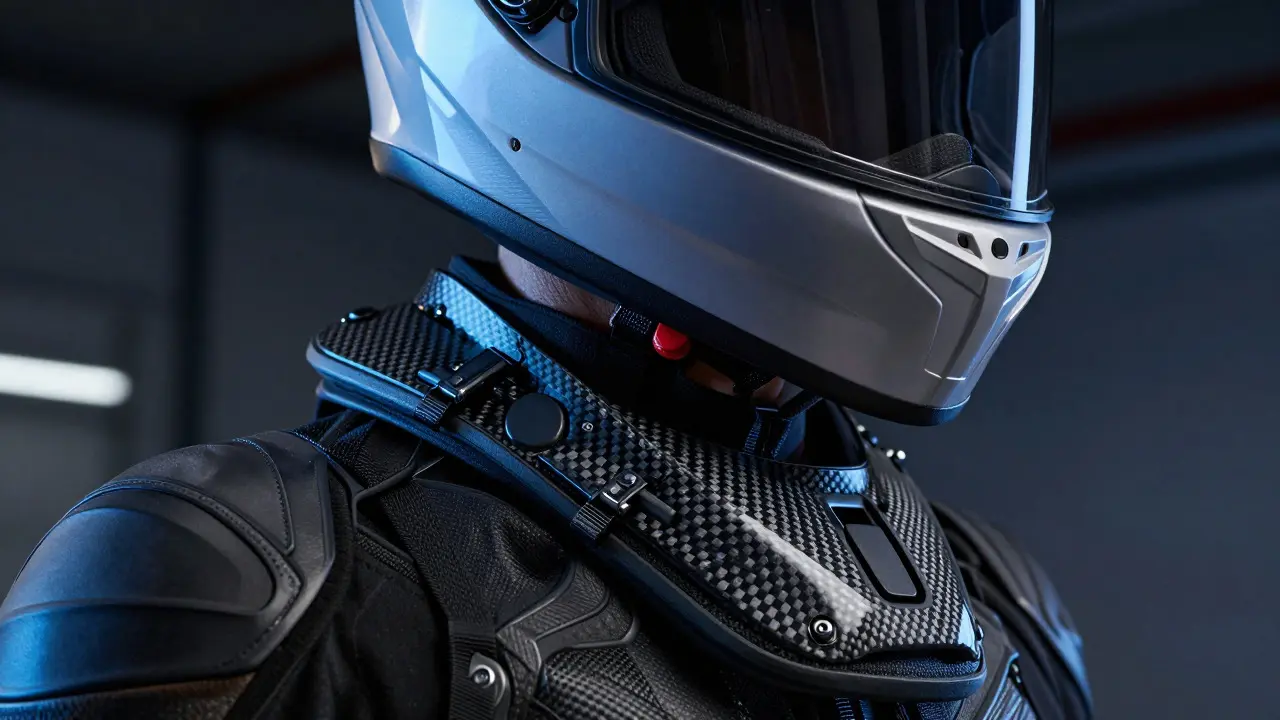
Most riders obsess over their helmets. They check the fit, inspect the visor, and maybe even test the ventilation. But while your head is protected, your neck remains exposed. A whiplash injury or a direct impact to the cervical spine can be just as devastating as a head injury. This is where motorcycle neck protection comes into play. It’s not just about comfort; it’s about surviving the crash that statistics say you will eventually face if you ride long enough.
The market for neck guards has exploded in recent years. You have soft collars, rigid braces, and integrated systems. Choosing the right one isn't about picking the flashiest design. It's about understanding biomechanics, compatibility with your helmet, and how these devices actually work during an impact. Let's break down what works, what doesn't, and how to keep your spine intact.
Why Your Neck Needs More Than Just a Helmet
A standard full-face helmet protects your skull from penetration and abrasion. It also helps reduce rotational forces on the brain through technologies like MIPS (Multi-directional Impact Protection System). However, the helmet adds weight to your head. During a sudden stop or a low-speed fall, that weight becomes a liability. The inertia of the helmet can snap your neck forward or sideways, causing severe whiplash.
Cervical spine injuries are among the leading causes of permanent disability in motorcycle accidents. When you hit the ground at speed, the force travels up your legs and torso. If your neck isn't supported, that energy transfers directly to your vertebrae. A neck brace acts as a secondary restraint system. It limits the range of motion, preventing your head from hyperextending or hyperflexing beyond safe limits. Think of it as a seatbelt for your neck.
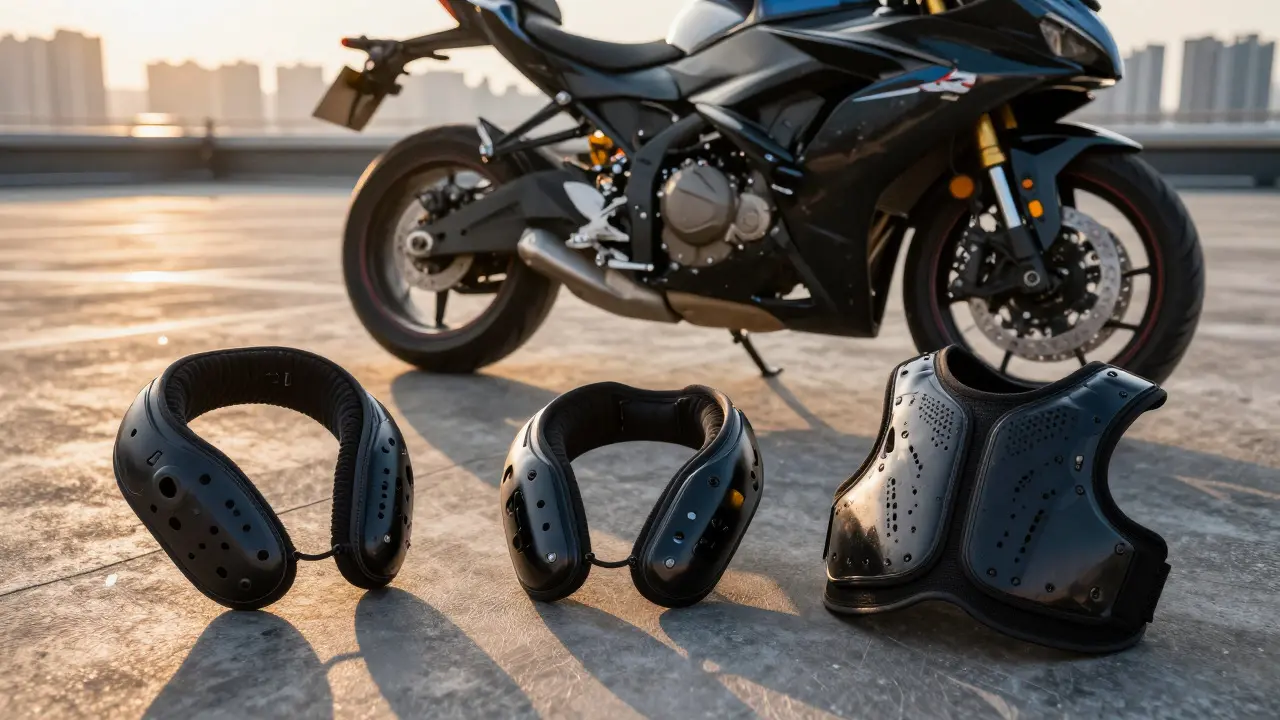
Types of Motorcycle Neck Protection
Not all neck guards are created equal. They fall into three main categories based on their construction and level of protection. Understanding the difference is crucial because each serves a different type of rider and riding style.
Soft Neck Collars
These are made from flexible materials like neoprene, foam, or mesh. They look similar to swim collars or medical cervical collars. Brands like Leatt and Fox Racing offer popular models in this category.
- Pros: Highly breathable, lightweight, and easy to put on. They provide a layer of padding against the chin bar of your helmet, reducing friction burns and pressure points.
- Cons: Minimal structural support. They won't stop a violent whiplash motion in a high-speed crash. They are best for low-speed urban commuting or track days where speeds are controlled.
Rigid Neck Braces
These devices use hard plastic or carbon fiber struts connected by elastic bands. They wrap around your shoulders and connect to your helmet via straps. The Leatt 5.5/4.5 Brace is the industry standard here.
- Pros: Significant restriction of neck movement. Studies suggest they can reduce lateral flexion by up to 50%. They integrate seamlessly with most full-face helmets.
- Cons: Bulky and hot. Putting them on requires practice. They can feel restrictive when looking around in traffic, which might cause anxiety for new users.
Integrated Jacket Systems
Newer technology involves building the neck protection directly into the motorcycle jacket. The Dainese D1 Air system is a prime example. It uses inflatable airbags that deploy in milliseconds upon detecting a crash.
- Pros: No extra straps to manage. Provides massive surface area coverage for the neck and upper back. Very comfortable for daily wear.
- Cons: Expensive. Requires replacing the airbag cartridge after deployment. Limited availability compared to standalone braces.
| Type | Protection Level | Comfort | Best For |
|---|---|---|---|
| Soft Collar | Low | High | Commuting, Track Days |
| Rigid Brace | High | Medium | Sport Riding, Aggressive Street Use |
| Airbag System | Very High | High | Daily Riding, Long Distances |
How Neck Braces Actually Work in a Crash
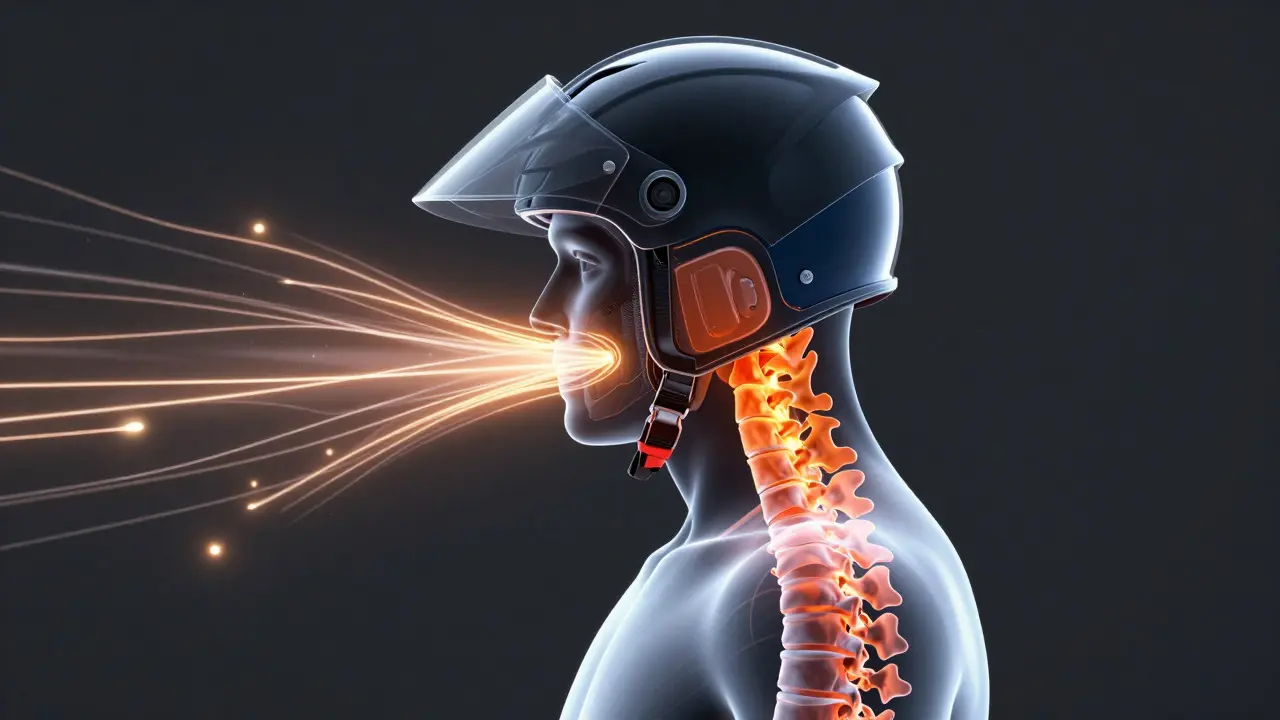
You might wonder if these braces really make a difference. The physics is straightforward. In a typical accident, your body stops abruptly, but your head keeps moving due to inertia. Without support, your neck bends sharply. A rigid brace anchors your helmet to your torso. When your head tries to whip forward, the brace catches the movement before it reaches dangerous angles.
Data from insurance companies and trauma centers supports this. Riders wearing certified neck braces show significantly lower rates of cervical spine fractures. The key is proper fit. If the brace is too loose, it offers no protection. If it's too tight, it restricts blood flow and vision. You need to adjust the straps so there is zero slack, but you can still turn your head comfortably to check blind spots.
Compatibility Issues: Helmets and Jackets
One of the biggest hurdles is fitting the brace under your gear. Most rigid braces require specific anchor points on your helmet. Look for helmets with dedicated slots for Leatt or Fox straps. If your helmet lacks these, you'll need adhesive mounts, which can void warranties or leave residue.
Jacket compatibility is equally important. Thick armored jackets can push the brace away from your neck, creating gaps. This reduces effectiveness and increases discomfort. Many riders opt for slim-fit textile jackets designed specifically for brace integration. These jackets have thinner armor panels and smoother liners to ensure the brace sits flush against the skin.
Fitting Guide: Getting It Right
Putting on a neck brace feels awkward at first. Follow these steps to ensure maximum protection:
- Start with the base: Place the shoulder pads on your shoulders. Ensure they sit evenly on both sides.
- Secure the chest strap: Fasten the central buckle across your chest. It should be snug but allow deep breathing.
- Connect the side straps: Pull the side straps up towards your ears. Adjust the tension until the brace hugs your neck without choking you.
- Attach to the helmet: Connect the top straps to your helmet's anchor points. Make sure the straps are straight and not twisted.
- Test your range of motion: Turn your head left and right. You should feel resistance but not pain. Check your mirrors to ensure visibility isn't compromised.
Practice this process at home. Don't wait until you're cold and rushing to leave. A poorly fitted brace is worse than no brace at all because it gives a false sense of security.
Maintaining Your Neck Gear
Like any safety equipment, neck protection degrades over time. Elastic bands lose their stretch. Plastic components become brittle under UV exposure. Inspect your brace every few months. Look for cracks in the plastic, fraying in the straps, or loss of elasticity in the connectors.
If you've been in a crash, replace the brace immediately. Even if it looks fine, the internal structure may be compromised. Manufacturers usually recommend replacing braces every 3-5 years regardless of usage. Keep a log of when you bought it and any incidents involving it.
Common Mistakes to Avoid
Many riders buy a brace and then ignore it. Here are pitfalls to watch out for:
- Ignoring heat management: Rigid braces trap heat. Wear moisture-wicking base layers underneath. Consider mesh-paneled braces for summer riding.
- Over-tightening: Don't crank the straps so tight that you can't breathe. Comfort leads to compliance. If it hurts, you won't wear it.
- Skipping the break-in period: Your muscles need time to adapt to the restricted movement. Start with short rides. Gradually increase duration as you get used to the feeling.
The Future of Neck Safety
Technology is moving fast. We're seeing more integration between active safety systems and passive protection. Smart helmets with sensors can communicate with airbag vests to trigger deployment faster. Materials science is producing lighter, stronger composites that offer better protection with less bulk.
As regulations evolve, we might see mandatory neck protection for certain classes of motorcycles, much like helmets are required today. Until then, the choice is yours. But given the stakes, investing in quality neck protection is one of the smartest decisions a rider can make.
Do I need a neck brace if I wear a full-face helmet?
Yes. A full-face helmet protects your skull but adds weight that can exacerbate whiplash injuries. A neck brace provides additional support to limit excessive neck movement during a crash, protecting your cervical spine from fractures and dislocations.
Are neck braces uncomfortable for daily commuting?
Rigid braces can be bulky and hot, making them less ideal for short city trips. Soft collars or integrated airbag systems are more comfortable for daily use. They offer a good balance of protection and wearability without the bulk of traditional braces.
How do I know if my helmet is compatible with a neck brace?
Check for dedicated anchor points on the inside of your helmet. Most sport and adventure helmets now include these. If not, you can use adhesive mounts, but verify with the helmet manufacturer to ensure they don't compromise the shell's integrity or void your warranty.
Can a neck brace prevent all neck injuries?
No device can guarantee 100% protection. However, studies show that neck braces significantly reduce the severity of cervical spine injuries. They limit the range of motion, preventing extreme bending or twisting that often leads to paralysis or chronic pain.
When should I replace my motorcycle neck brace?
Replace your brace immediately after any crash, even minor ones. Additionally, inspect it regularly for wear and tear. Manufacturers generally recommend replacing braces every 3 to 5 years due to material degradation from UV exposure and elastic fatigue.