
You buy a shiny new motorcycle, ride it for three years, and then try to sell it. Half the money is gone. That’s the harsh reality of most motorcycling. But not all bikes are created equal when it comes to holding their worth. Some categories actually appreciate, or at least stay flat, while others plummet like a stone.
If you’re planning your next purchase with an eye on your wallet later, understanding motorcycle resale value is crucial. It’s not just about brand loyalty; it’s about category dynamics, scarcity, and cultural cachet. In this guide, we break down which types of motorcycles keep their cash value and why.
The Heavyweights: Sportbikes and Supersports
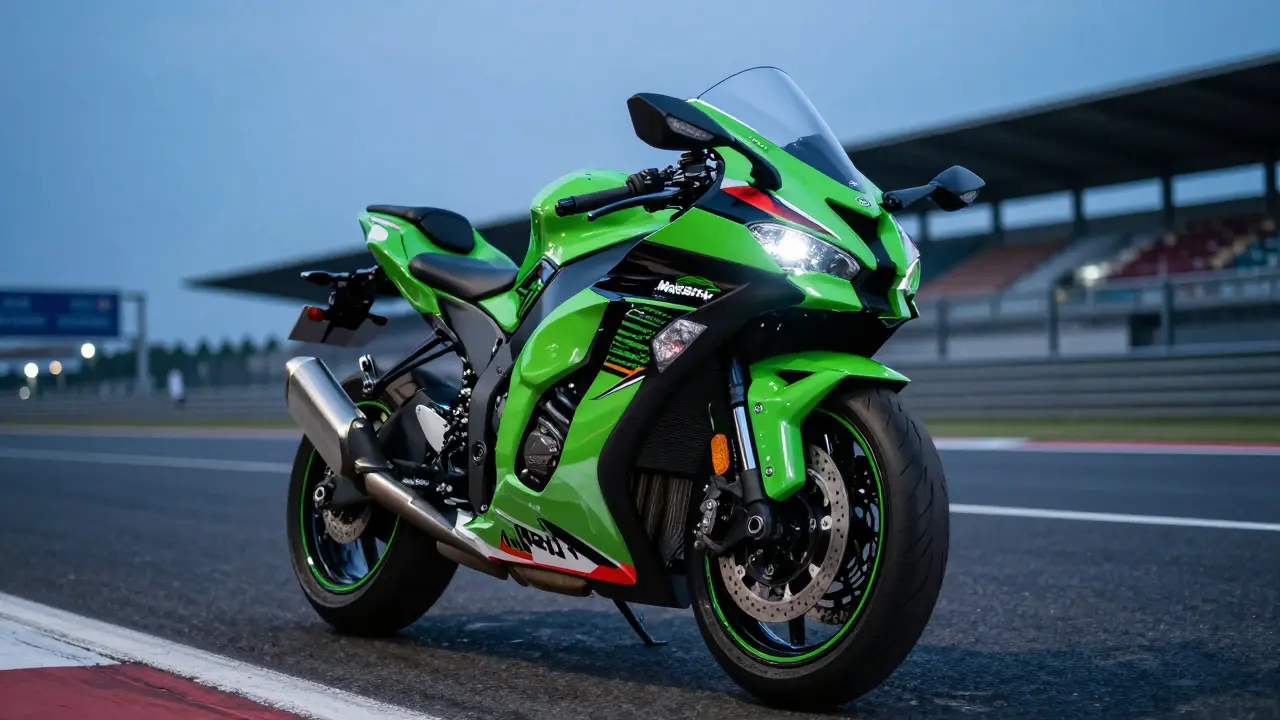
Let’s start with the most obvious contender. High-performance sportbikes, particularly from Japanese manufacturers like Kawasaki, Yamaha, and Suzuki, have historically been kings of retention. Why? Because they are expensive to buy new, often costing upwards of £15,000 for top-tier models like the Kawasaki Ninja ZX-10R or Yamaha YZF-R1. When a buyer can get a two-year-old model with low mileage for significantly less, the demand stays high.
| Model Category | Year 1 Drop | Year 3 Retention | Key Factor |
|---|---|---|---|
| Kawasaki Ninja ZX-10R | 15% | 78% | Track-focused demand |
| Yamaha YZF-R1 | 18% | 75% | Brand prestige |
| Ducati Panigale V4 | 20% | 70% | High maintenance costs |
However, there’s a catch. These bikes are often ridden hard. A well-maintained supersport with a full service history is a goldmine. One with a cracked fairing or suspiciously low hours on the clock is a risk. The market has become smarter since the pandemic boom of 2021-2022. Buyers now inspect suspension components and tire wear meticulously. If you want to preserve value here, treat the bike like a race car that rarely leaves the paddock.
The Cult Classics: Naked and Standard Bikes
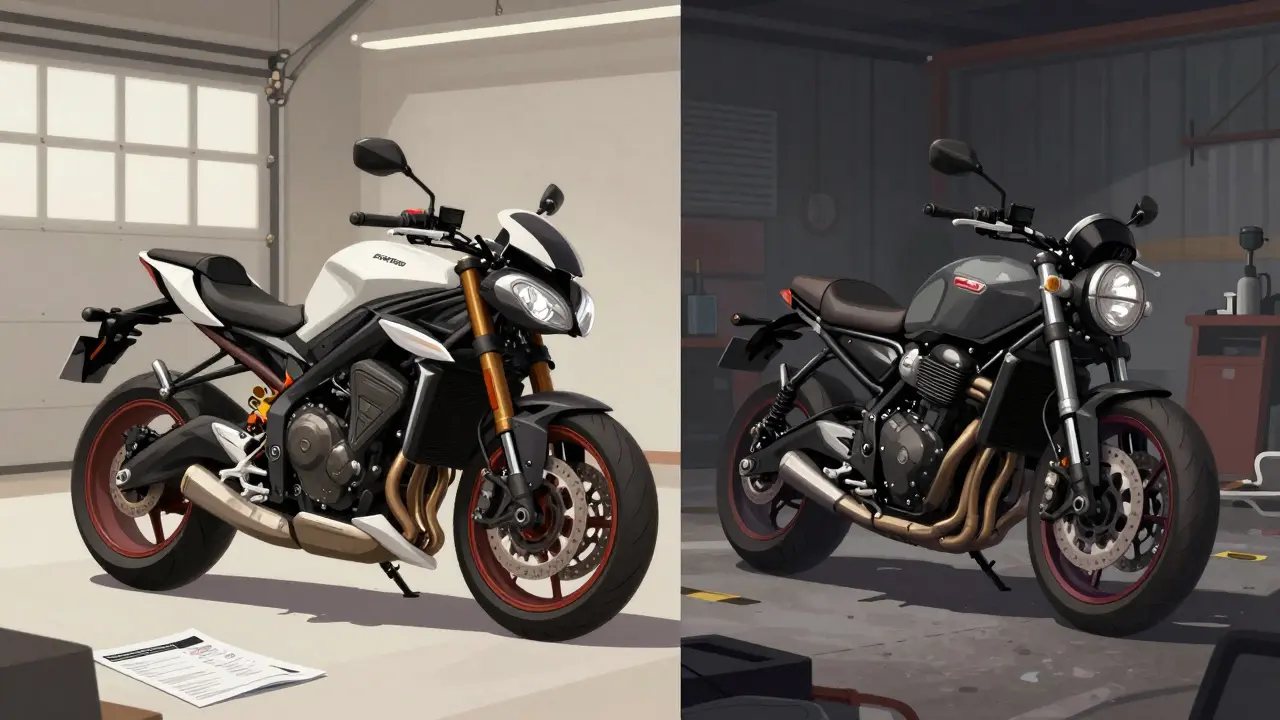
Naked bikes, such as the Triumph Street Triple RS or the Ducati Monster, occupy a sweet spot. They offer performance without the aerodynamic baggage of fairings, making them versatile for city commuting and weekend canyon runs. This versatility translates to a broader buyer base, which stabilizes prices.
Triumph Motorcycles has done an exceptional job of building brand equity around its "Speed Triple" lineage. These machines don’t depreciate sharply because they are seen as lifestyle statements as much as transportation. Similarly, the Ducati Scrambler series, while not high-performance, holds value due to its iconic design and strong aftermarket support. You can swap seats, handlebars, and exhausts easily, keeping the bike fresh without altering its core identity.
For the average rider, a naked bike offers the best balance of fun and financial prudence. You aren’t paying the premium for track-ready electronics, but you still get enough power to enjoy yourself. The result is a slower initial drop in value compared to supersports, followed by a long tail of steady demand.
The Adventure Sector: Big Bikes, Big Value
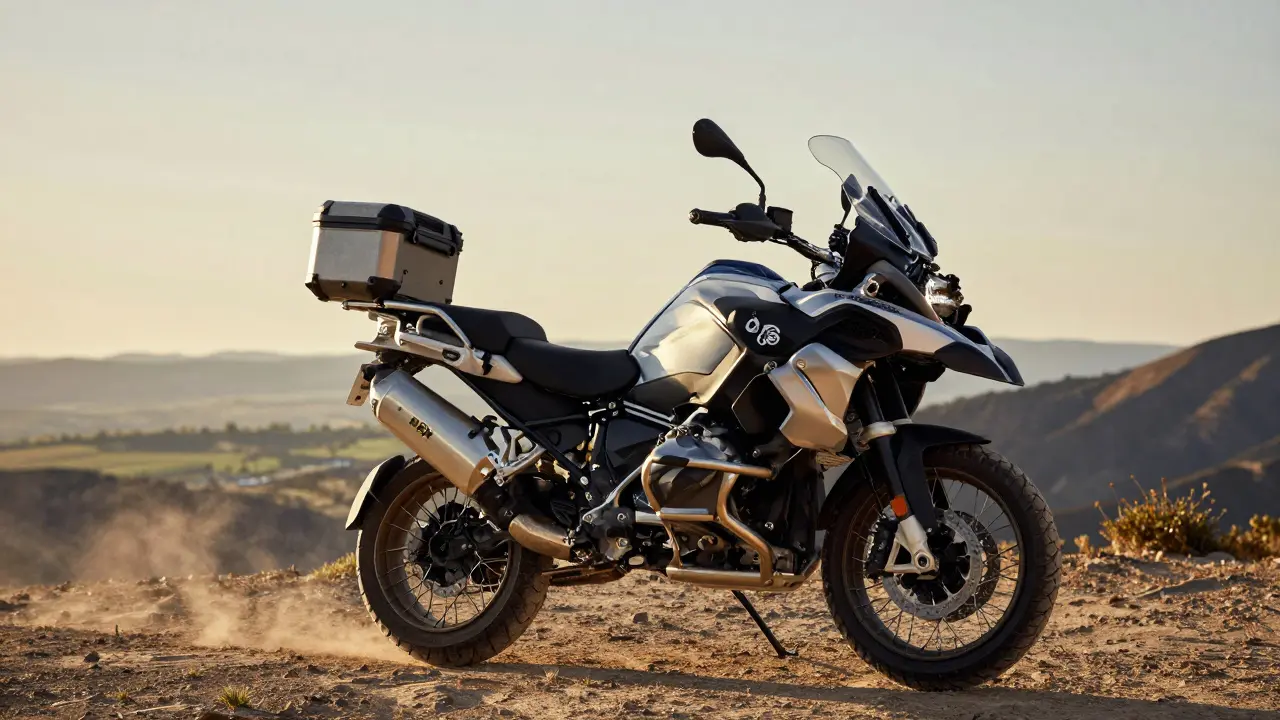
Adventure touring bikes, often called "adventurers," have exploded in popularity over the last decade. Models like the BMW R1250GS, Honda Africa Twin, and KTM 1290 Super Duke GT command high prices both new and used. Why? Because they are incredibly expensive upfront. A fully loaded BMW GS can exceed £20,000. When you sell it after five years, even if it’s worth half, you’re still dealing with significant capital.
But here’s the twist: adventure bikes hold their percentage value remarkably well. The BMW R-series GS is legendary for this. It’s almost a currency in its own right. Riders trust the platform, the parts availability is global, and the community is massive. If you buy a used GS, you know exactly what you’re getting. That predictability keeps prices firm.
KTM and Husqvarna have also entered this space with aggressive styling and lightweight frames. While they don’t quite match the BMW’s retention rate, they appeal to a younger, more dynamic demographic. This niche demand prevents their values from crashing, especially for limited-edition colorways.
Cruisers and Touring: The Slow Decline
Traditional cruisers, dominated by Harley-Davidson and Indian Motorcycle, follow a different curve. For decades, Harleys were considered investments. Today, the narrative has shifted slightly. The brand remains powerful, but the sheer volume of used models flooding the market means competition is fierce. A standard Softail will lose value steadily, though not catastrophically.
However, limited editions and custom builds tell a different story. A Harley-Davidson Low Rider S with rare paint or factory upgrades might hold value better than a stock model. The key here is uniqueness. In the cruiser world, individuality commands a premium. If you modify your bike extensively, you risk alienating buyers who want a clean slate. Stick to reversible mods if you plan to resell.
Touring bikes like the Honda Gold Wing or BMW K1600GT are another beast entirely. These are luxury items, akin to buying a high-end sedan. They depreciate slowly because the replacement cost is so high. A ten-year-old Gold Wing is still a comfortable, reliable machine for cross-country trips. Buyers looking for comfort over speed are willing to pay near-new prices for low-mileage examples.
Electric Motorcycles: The Wild Card
Electric motorcycles introduce a new variable: battery health. As technology advances, older batteries become less desirable. However, brands like Zero Motorcycles and Energica are building reputations for durability. The Zero SR/F, for instance, has held value surprisingly well given its age. Why? Because the total cost of ownership is lower. No oil changes, fewer moving parts, and cheap charging make it attractive despite the higher upfront cost.
Yet, uncertainty looms. Will a 2024 battery pack be obsolete by 2029? We don’t know yet. Until battery chemistry stabilizes and second-hand markets mature, electric bikes remain a speculative investment. For now, they hold value among enthusiasts who prioritize sustainability and instant torque, but they lack the broad appeal of internal combustion engines.
Small Displacement Bikes: The Commuter’s Dilemma
If you’re buying a 125cc or 300cc bike for commuting, forget about investment potential. These bikes are commodities. They are bought for utility, not passion. A Honda CBR300R or Yamaha MT-03 will lose value quickly because they are abundant and inexpensive to replace. New models come out every few years with minor updates, rendering older versions instantly dated.
That said, reliability matters. A well-kept small bike will still fetch a decent price because the barrier to entry is low. Students and new riders flock to these models. So while you won’t make money, you won’t lose everything either. Think of it as renting a bike for three years rather than owning an asset.
Factors Beyond Category: What Really Moves the Needle?
Category is only half the equation. How you treat your bike determines whether it sits in the "good" or "great" column of resale listings. Here are the non-negotiables:
- Mileage: Lower is always better, but honest mileage is critical. Tampering with odometers destroys trust and value.
- Service History: A complete logbook from authorized dealers adds 10-15% to resale value. It proves the bike was cared for.
- Accident History: Even minor crashes can slash value by 20-30%. Frame damage is a red flag for serious buyers.
- Modifications: Keep it stock. Aftermarket exhausts, seats, and handlebars are personal preferences. Most buyers want to customize themselves.
- Storage: Indoor storage prevents rust and UV damage. A bike kept in a garage looks newer longer.
Also, consider the timing. Selling in spring, before the riding season peaks, usually yields better prices. Winter sales are sluggish unless you’re targeting indoor collectors.
Conclusion: Buying Smart, Selling Smarter
So, which category holds value best? If you want pure retention, look at high-end sportbikes and adventure tourers. If you want balance, go for naked bikes. Avoid small commuters if you care about recouping costs. And remember, no matter the type, maintenance and presentation are your best friends.
In 2026, the used motorcycle market is robust but discerning. Buyers have access to more information than ever. They check online forums, compare specs, and inspect photos closely. To get top dollar, you need to meet those expectations. Treat your bike with respect, document everything, and choose a category that aligns with both your riding style and financial goals.
Do electric motorcycles hold their value?
Currently, electric motorcycles like the Zero SR/F hold value reasonably well due to low running costs and enthusiast demand. However, battery degradation concerns mean they haven't reached the stability of petrol bikes yet. Expect moderate depreciation, similar to hybrid cars.
What is the best year to sell a motorcycle?
Springtime, specifically March to May, is the best time to sell. Demand surges as weather improves, giving you more buyers to compete with. Avoid selling in late autumn or winter unless you have a unique, collector-grade bike.
Does mileage affect resale value significantly?
Yes, mileage is a primary factor. High mileage suggests wear on engine components, tires, and brakes. However, a high-mileage bike with perfect service records can sometimes outsell a low-mileage bike with unknown history. Consistency matters more than just the number.
Are Harley-Davidsons still good investments?
Standard Harley-Davidson models depreciate steadily, though not drastically. Limited editions, custom paints, and rare configurations hold value better. They are not "investments" in the financial sense, but they retain value better than many other cruiser brands due to brand loyalty.
How do modifications impact resale value?
Most modifications decrease resale value because they cater to personal taste. Expensive exhausts or custom seats rarely pay off. Buyers prefer stock bikes they can modify themselves. Reversible changes are safer, but keeping the bike original is the best strategy for maximum return.
Comments
Keith Barker
the value of a machine is merely a reflection of the collective anxiety we feel about our own mortality and financial instability we project onto metal and rubber
July 8, 2026 at 04:08
Joe Walters
omg this article is so basic lol like who even reads these things anymore its just corporate propaganda trying to keep us poor i bought a used ninja for cheap and it broke down in a week so yeah thanks for nothing big pharma motorcycle industry
July 9, 2026 at 21:10
Michael Richards
You are clearly ignorant if you think a Ninja holds value better than a BMW GS. I have seen too many people ruin their lives buying sportbikes because they look cool on Instagram. The GS is the only rational choice for anyone with a brain. Stop listening to hype and start looking at depreciation curves. It is simple math.
July 9, 2026 at 23:00
Lisa Nally
Actually, from an actuarial standpoint, the variance in maintenance costs for the Ducati Panigale V4 significantly outweighs the initial depreciation benefit compared to the Kawasaki ZX-10R. The market inefficiency here is driven by brand sentiment rather than mechanical reliability metrics. One must consider the total cost of ownership including labor rates for specialized technicians which are skyrocketing in urban centers.
July 11, 2026 at 17:32
Lisa Puster
this whole concept of resale value is a trap designed to keep american workers dependent on foreign manufacturing why do we even care about japanese bikes when we could be supporting domestic industry but nobody does because we are weak and lazy and let other countries dictate our economic reality
July 12, 2026 at 08:29
Edward Gilbreath
they want you to believe in depreciation so you keep buying new stuff its a cycle controlled by the banks to ensure you never have enough cash to buy land or freedom just keep renting your toys
July 12, 2026 at 09:55
Laura Davis
I totally get where everyone is coming from but please remember that riding should be about joy not just spreadsheets! If you love your bike ride it hard and don't worry too much about the price tag because life is short and memories are worth more than money lets support each other regardless of what we ride!
July 13, 2026 at 03:45
Robert Barakat
The essence of ownership is transient yet the desire to preserve capital is eternal perhaps the true value lies not in the transaction but in the experience of the journey itself which cannot be quantified by any metric
July 13, 2026 at 11:41
kimberly de Bruin
money is fake anyway
July 14, 2026 at 10:42