
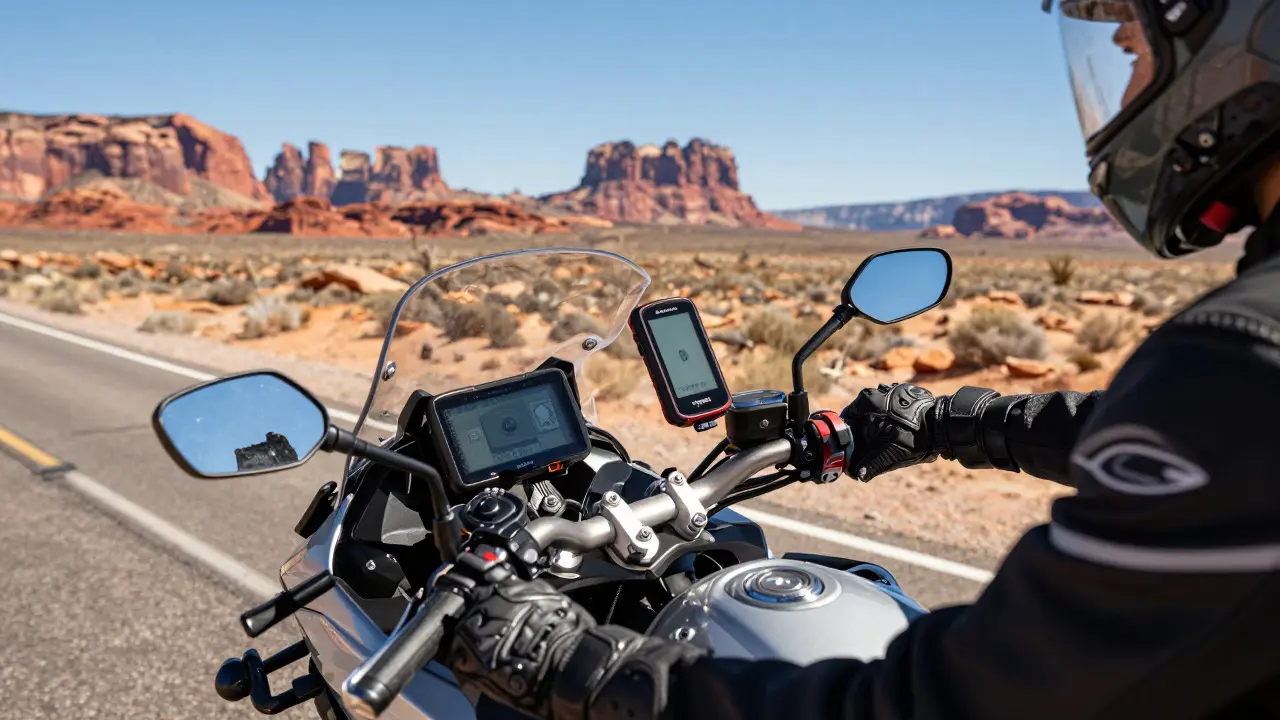
There is a specific kind of silence that hits you when you are 400 miles from home. The wind noise drops out if you pull over, the engine ticks as it cools, and for a second, you wonder if you took the right turn back in Ohio. In the past, that moment meant fumbling with a paper map while wearing thick leather gloves. Today, it means glancing at a ruggedized screen or hearing your passenger’s voice clearly through an intercom. Technology has changed motorcycle touring from a test of navigation skills into a seamless experience of discovery.
We are not talking about turning your bike into a flying car. We are talking about tools that keep you safe, connected, and on route without distracting you from the ride. Whether you are planning a cross-country adventure or a weekend canyon run, understanding which gadgets actually work-and which ones just add weight to your tank bag-is crucial. Let's look at the essential tech stack for the modern motorcyclist.
The Evolution of Motorcycle Navigation
Finding your way used to be half the fun. Now, it is just part of the logistics. The debate between dedicated GPS units like the Garmin Zumo series and smartphone apps like Google Maps or Waze rages on. Both have merits, but they serve different needs.
Dedicated GPS devices are built for abuse. They have physical buttons you can press with gloved hands, screens that remain visible under direct sunlight, and batteries that last all day. A device like the Garmin Zumo TT offers pre-loaded maps that work even when cell service vanishes in remote areas. If you are riding through the desert Southwest or deep rural Canada, this reliability is non-negotiable. You do not want your navigation dying because you lost signal.
On the other hand, smartphones offer real-time traffic data, fuel prices, and points of interest that static maps cannot match. Apps like Google Maps provide accurate ETA predictions based on current congestion. However, phones heat up quickly in enclosed tank bags, drain battery fast, and suffer from poor screen visibility in bright sun. The best solution? Use both. Mount your phone for city riding and traffic updates, but carry a dedicated GPS for long-distance highway legs where cellular coverage is sparse.
| Feature | Dedicated GPS (e.g., Garmin) | Smartphone Apps |
|---|---|---|
| Offline Capability | Excellent (Pre-loaded maps) | Poor (Requires download) |
| Battery Life | 10-15 hours | 3-5 hours (with GPS active) |
| Glove Friendliness | High (Physical buttons) | Low (Touchscreen only) |
| Real-Time Traffic | Limited/None | Excellent |
| Durability | IPX7 Waterproof | Varies by case |
Essential Riding Apps Beyond Maps
Navigation is just one piece of the puzzle. Several apps enhance the riding experience by providing context about the roads ahead. Strava is popular among cyclists, but its motorcycle community is growing. It allows you to track routes, see segment times, and discover scenic paths uploaded by other riders. Similarly, Komoot excels at suggesting multi-day tours with detailed surface information-crucial if you plan to mix pavement with gravel.
For maintenance tracking, apps like Mechanic's Logbook help you record oil changes, tire rotations, and repair history. This is invaluable during long trips where a breakdown can ruin the schedule. Having a digital log ensures you know exactly when your last service was performed, regardless of how many states you've crossed.
Weather forecasting is another critical area. Standard weather apps often lack hyper-local accuracy. Specialized apps like Windytv provide real-time wind speed and direction overlays, helping you anticipate crosswinds on bridges or open plains. Knowing a storm front is moving faster than your average speed can save you from being caught in hail on an interstate.
Communication Systems: Staying Connected Safely
Riding solo is peaceful, but group rides require coordination. Hand signals are outdated for complex maneuvers. Modern Bluetooth intercoms solve this problem elegantly. Brands like Cardo, Sena, and SCOSCHE dominate the market, offering clear audio transmission up to several miles range.
These devices do more than just let you talk to your buddy. They connect to your phone via Bluetooth, allowing hands-free calls and music streaming directly to your helmet speakers. The Sena 50S, for example, features mesh networking technology that extends range beyond traditional Bluetooth limits, making it ideal for large groups spread out over long distances. Cardo's Packtalk Live offers similar capabilities with superior noise cancellation algorithms that filter out wind roar at highway speeds.
Installation is straightforward for most models. Most clip onto the helmet's chin bar or cheek pad using adhesive mounts. Ensure your helmet has adequate padding space before purchasing, as bulky units can cause discomfort on long rides. Always test fit the unit before hitting the road.
Helmet Cameras: Documentation and Deterrence
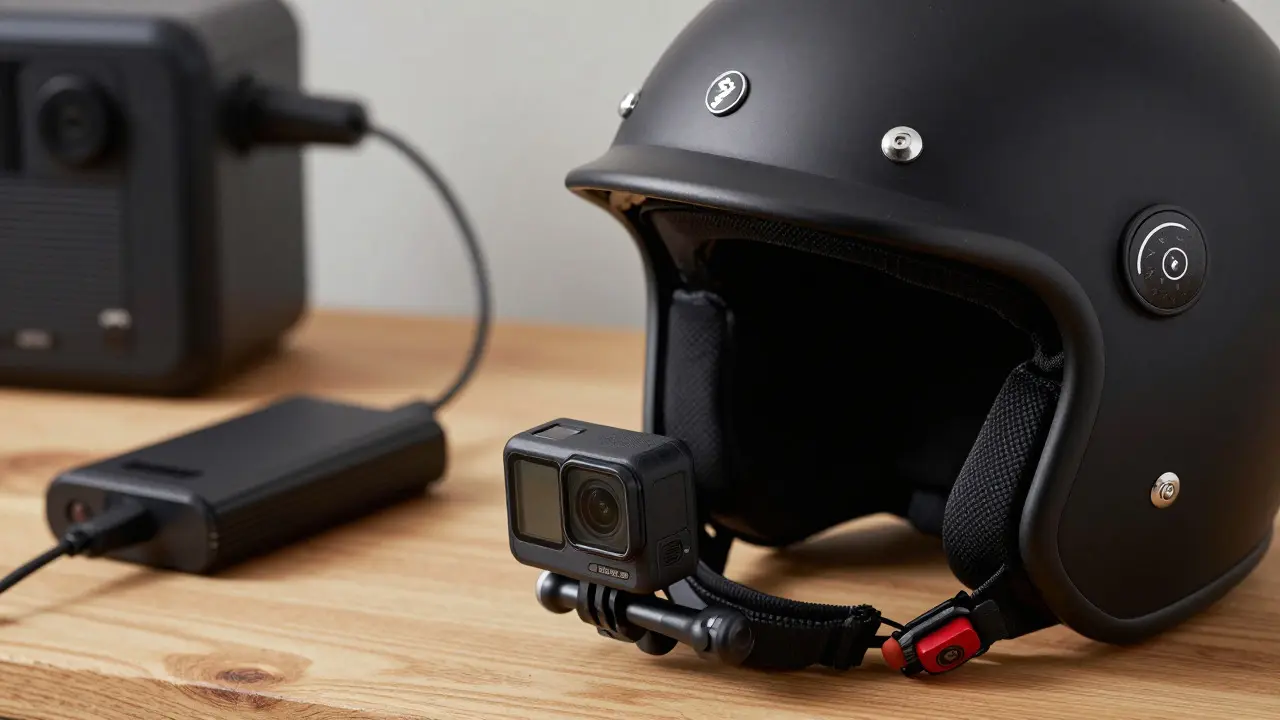
A helmet camera serves two purposes: capturing memories and protecting yourself legally. Accidents happen, sometimes due to no fault of your own. Video evidence can be decisive in insurance claims. Cameras like the GoPro Hero 12 or Insta360 X3 offer high-definition recording with stabilization that keeps footage smooth despite road vibrations.
Mounting options vary. Chin bar mounts provide a stable view but may obstruct vision slightly. Visor mounts offer a wider field of view but can wobble more. For group rides, some cameras allow live streaming to passengers' phones, letting them capture photos and videos without taking their eyes off the road. Just remember to check local laws regarding recording audio; some jurisdictions require consent from all parties.
Battery life remains a challenge. Even with extended battery packs, continuous 4K recording drains power quickly. Consider carrying spare batteries or using a portable power bank connected via USB-C. Some newer models support solar charging cases, though these are niche products.
Power Management: Keeping Everything Charged
All this tech needs electricity. Relying solely on your bike's accessory outlet is risky, especially if you have multiple devices. A dedicated portable power station like those from Jackery or EcoFlow provides reliable juice for overnight charging. These units are compact enough to fit in a saddlebag yet powerful enough to charge laptops, cameras, and phones simultaneously.
For on-the-go charging, install a regulated USB port wired directly to your battery. Cheap inline chargers can fry sensitive electronics due to voltage spikes. Invest in quality brands like Scosche or Crispin that include surge protection. Monitor your bike's voltage regularly; a failing alternator can damage both your vehicle and your gadgets.
Safety Tech: Radar and Collision Avoidance
Newer motorcycles come equipped with advanced safety features. Adaptive cruise control maintains distance from vehicles ahead, reducing fatigue on long highways. Cornering ABS prevents wheel lockup during hard braking in turns. While these systems are factory-installed, aftermarket solutions exist too.
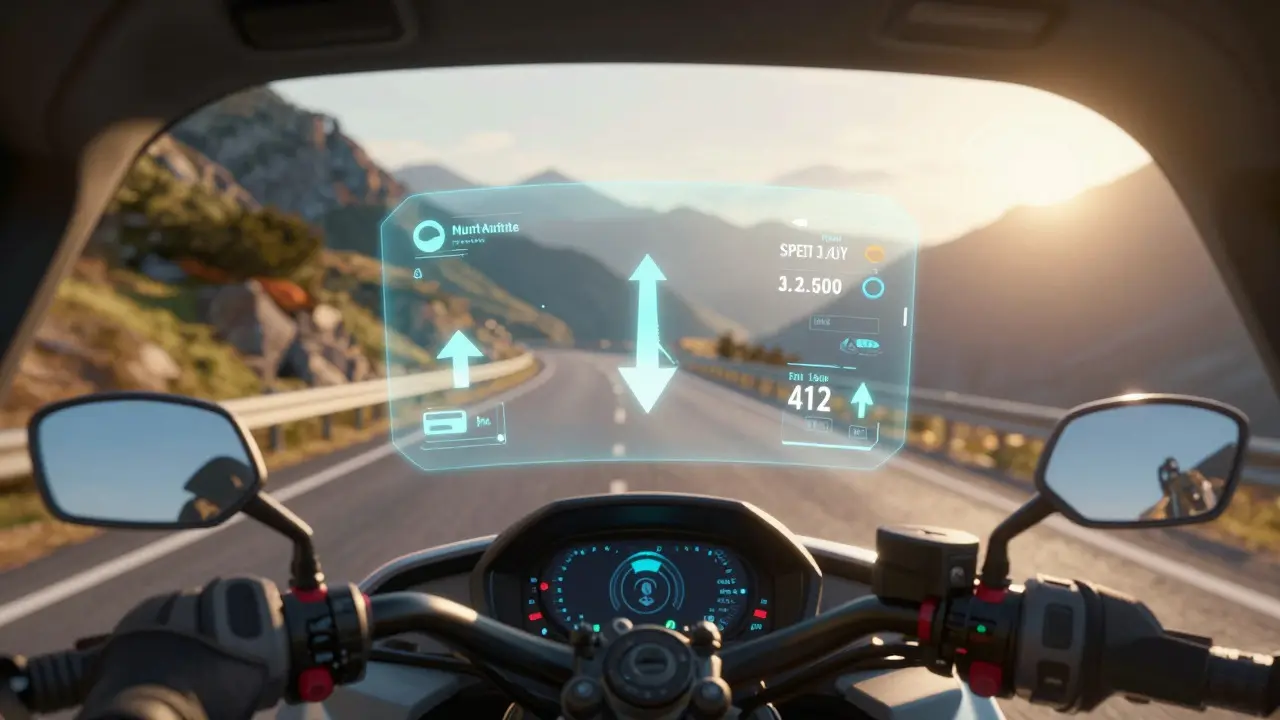
Blind spot radar detectors attach to your mirrors and alert you to approaching vehicles. Though less common than automotive equivalents, they are gaining traction among touring enthusiasts. Additionally, smart helmets with heads-up displays (HUDs) project speed and nav cues onto the visor, keeping your eyes on the road. The Schuberth C5 Pro integrates this technology seamlessly, displaying info without requiring you to look down.
Tips for Integrating Tech Without Distraction
The goal of technology is to enhance, not hinder, your ride. Here are practical tips:
- Pre-set Routes: Program waypoints before leaving home. Adjusting GPS settings while moving is dangerous.
- Use Voice Commands: Most modern intercoms support voice activation for calls and music control. Practice commands beforehand.
- Secure Mounts: Loose equipment becomes projectiles. Use vibration-dampening mounts and double-check tightness daily.
- Limit Screen Time: Glance, don't stare. Keep critical info large and simple on displays.
- Backup Power: Carry a small power bank for emergencies. Never rely on a single source.
Future Trends in Motorcycle Tech
The industry is moving toward greater integration. Expect to see more AI-driven navigation that learns your preferences and suggests stops based on past behavior. Augmented reality (AR) helmets will overlay directions directly onto your field of view, eliminating the need to glance at screens entirely. Connectivity standards will unify, allowing seamless switching between bikes, helmets, and phones without re-pairing.
Electric motorcycles introduce new considerations. Range anxiety requires precise energy management apps that calculate remaining mileage based on terrain, temperature, and riding style. Companies like Zero Motorcycles already offer sophisticated telemetry dashboards accessible via smartphone.
Is a dedicated GPS better than my phone for motorcycle touring?
Yes, for long-distance trips. Dedicated GPS units like Garmin Zumo offer superior battery life, offline maps, and glove-friendly controls. Phones are great for short rides with good cell coverage but struggle with heat, battery drain, and visibility in sunlight.
Which Bluetooth intercom is best for group rides?
The Sena 50S and Cardo Packtalk Live are top choices. Sena uses mesh networking for extended range, ideal for large groups. Cardo offers excellent noise cancellation and ease of use. Both support multi-rider connectivity and smartphone pairing.
Do I need a helmet camera for legal protection?
While not mandatory, a helmet camera provides invaluable video evidence in accidents. Models like GoPro Hero 12 offer high-quality, stabilized footage. Check local laws regarding audio recording consent before enabling microphone features.
How do I charge my devices on a long motorcycle trip?
Install a regulated USB port wired to your bike's battery for daytime charging. For overnight or heavy usage, carry a portable power station like Jackery or EcoFlow. Always use surge-protected chargers to prevent damage to sensitive electronics.
What apps help with finding scenic motorcycle routes?
Komoot and Strava are excellent for discovering winding roads and scenic trails. Komoot provides detailed surface info and elevation profiles. Strava shows popular segments and user-uploaded routes, helping you find hidden gems favored by other riders.