
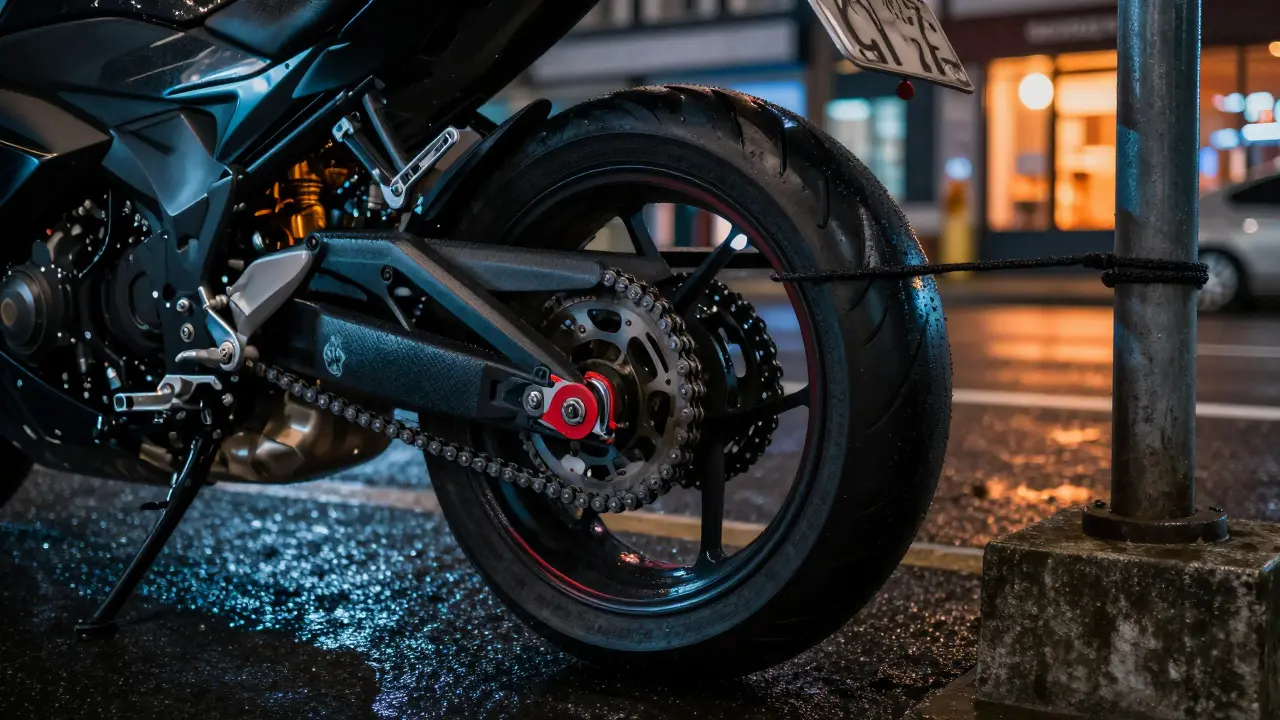
You parked your bike for five minutes to grab a coffee. You came back, and it was gone. No scuff marks, no broken glass, just an empty space where two wheels used to be. This isn't a rare horror story; it's the standard operating procedure for thieves who know exactly how vulnerable motorcycles are. Unlike cars, you can't rely on a locked garage or a complex alarm system alone. Your bike is open, light, and easy to move if someone knows what they're doing.
So, how do you stop them? It’s not about buying one magic gadget. It’s about creating layers of resistance that make your bike too much hassle to steal compared to the easier target next door. Whether you’re riding a Harley-Davidson or a sporty Yamaha R1, the principles of motorcycle theft prevention remain the same: visibility, physical barriers, and tracking.
The Reality of Motorcycle Theft
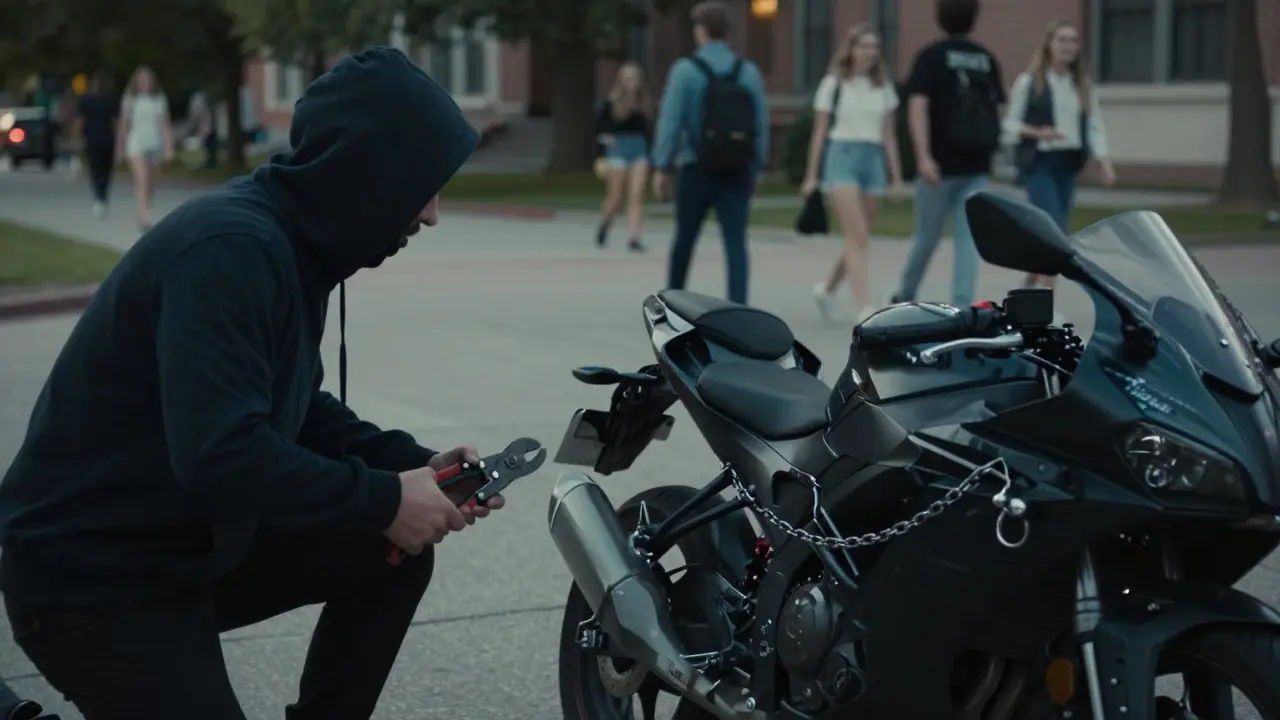
Let’s look at why bikes vanish so quickly. According to data from the National Insurance Crime Bureau (NICB) in the US and similar bodies in the UK, motorcycles have a higher theft rate per unit than most passenger cars. Why? Because they lack the heavy steel cage and immobilizer complexity of modern sedans. A determined thief with a pair of bolt cutters and a van can lift a standard cruiser into a truck in under sixty seconds.
In Bristol, where I live, bike theft spikes during late summer when tourists flood the streets and students return to university. Thieves often target popular models because parts are easy to sell. If you own a high-demand bike like a Ducati Monster, you need to assume that every time you park, you are gambling against someone with better tools than yours.
Layer One: Physical Locks That Actually Work
Most riders start with a chain lock. But here is the mistake people make: they buy a thin, cheap chain from a supermarket shelf. That chain is decorative. To actually deter a thief, you need hardened steel shackles rated for cutting resistance.
- Disc Locks: These clamp onto your brake disc. They don’t stop a bike from being lifted, but they prevent it from rolling away. Always choose a model with a loud alarm (100dB+). The noise draws attention, which is your best friend in a public parking spot.
- Heavy-Duty Chains: Look for chains with at least 14mm links made of boron steel. Brands like Abus or Kryptonite offer specific motorcycle-rated models. Wrap the chain through the frame and around a fixed object like a lamppost or a dedicated bike rack. Never wrap it just around the wheel; thieves can remove the wheel in seconds.
- U-Locks: Great for securing the front wheel to a stationary object. They are harder to cut than chains but less flexible. Use them in combination with a disc lock for maximum security.
A common pro tip: always lock your bike to something that cannot be moved. A loose bollard is useless. A tree trunk is good. A concrete pillar is best.
Layer Two: Electronic Deterrents and Alarms
Physical locks stop the bike from moving. Electronics alert you and others that someone is messing with it. Modern alarm systems have evolved beyond simple motion sensors that go off when a pigeon lands on your seat.
Look for alarms with tilt sensors and volume controls. Some advanced systems connect via Bluetooth to your phone, sending you a notification if the bike moves more than six inches. This is crucial if you’re sleeping in a hotel or working in an office nearby. However, remember that electronics can fail. Batteries die, and water gets in. An electronic alarm is a backup, not your primary defense.
| Device Type | Deterrent Level | Cost Estimate (GBP) | Best Used For |
|---|---|---|---|
| Basic Disc Lock | Low-Medium | £20 - £40 | Quick stops, urban areas |
| Alarm Disc Lock | Medium | £50 - £80 | Night parking, noisy environments |
| Boron Steel Chain | High | £60 - £150 | Long-term parking, attaching to racks |
| GPS Tracker | Recovery Only | £100 + Subscription | High-value bikes, fleet management |
Layer Three: Tracking and Recovery
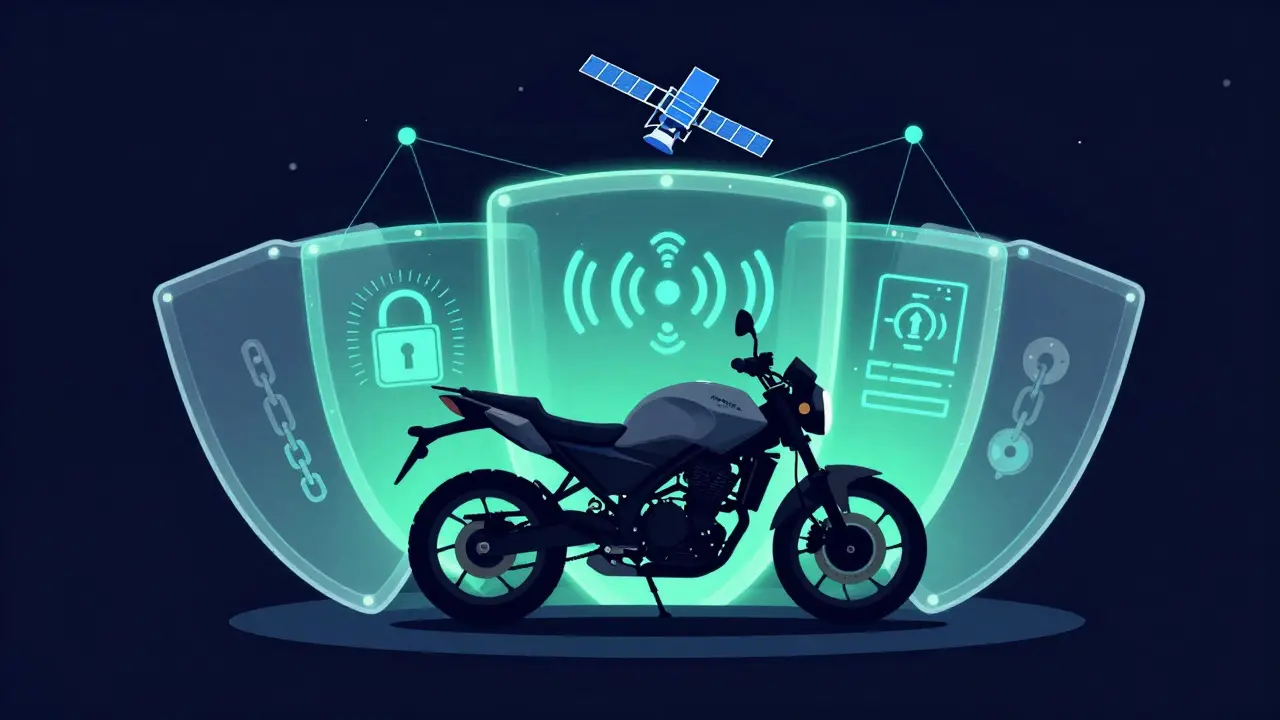
If the first two layers fail, you want to get your bike back. This is where GPS trackers come in. There are two types: active and passive.
Active trackers send real-time location data to a monitoring center or your smartphone app. Passive trackers record the path and require you to retrieve the device later. For theft prevention, active is superior. Companies like Monimoto or BikeTrax offer devices that hide deep within the bike’s wiring harness. Thieves rarely strip a bike down completely unless they plan to part it out slowly, giving you time to locate it.
Some insurers now offer discounts if you install a tracked device. In the UK, many policies require a tracker for bikes over a certain value. Check with your provider before installing, as using an approved tracker can save you hundreds on your annual premium.
Parking Habits: The Human Element
Your gear matters, but your behavior matters more. Thieves are opportunists. They scan for soft targets. Here’s how to change your habits to reduce risk:
- Vary Your Parking Spots: Don’t park in the exact same spot every day if possible. Thieves stake out regular patterns.
- Light Matters: Park under streetlights. Darkness hides both you and the thief. Well-lit areas increase the perceived risk of being caught.
- Cover Up: Use a high-quality cover. Not only does it protect the paint, but it also hides the model. A covered bike looks less appealing than a shiny new Kawasaki Z900 exposed to the world.
- Remove Accessories: Take your helmet, gloves, and panniers with you. Loose gear invites break-ins and signals that the bike might be unattended for a while.
I once left my top box unlocked after a quick shop run. When I returned, the box was gone, along with my rain gear. The bike was still there, but the loss was frustrating. Secure storage is part of security.
The Role of Insurance in Prevention
Even with the best locks, accidents happen. Or rather, crimes happen. Motorcycle insurance is your financial safety net. But not all policies are created equal.
When shopping for coverage, ask specifically about "theft protection." Some basic third-party policies exclude theft entirely. You need comprehensive cover. Also, check the excess amount. If your excess is £500 and your bike is stolen, you pay £500 out of pocket before the insurer pays the rest. Lower excesses usually mean higher premiums, but they provide peace of mind.
Insurers also care about security ratings. Many use the Sold Secure certification (Gold, Silver, Bronze) for locks. Using a Gold-rated chain and disc lock combo can lower your premium significantly. Keep receipts and photos of your installed security measures. If you file a claim, proof of compliance with policy terms speeds up the process.
Common Mistakes Riders Make
After talking to dozens of bikers in local clubs, I’ve noticed a few recurring errors:
- Relying on the Ignition Switch: Turning off the key does nothing against a hot-wiring expert or a lift-and-go thief.
- Ignoring the Rear Wheel: Many riders lock the front wheel but forget the rear. A skilled thief can jack up the front and roll the bike backward if the rear isn’t secured.
- Using Weak Anchors: Locking to a flimsy metal fence post that can be bent with a car bumper.
- Forgetting the Helmet: As mentioned, leaving valuables visible invites smash-and-grab attempts.
Security is a mindset. It’s about assuming that anyone walking past your bike is evaluating it as a potential asset. Make that evaluation difficult.
Frequently Asked Questions
Is a GPS tracker worth it for a cheap motorcycle?
Generally, no. If your bike is worth less than £2,000, the cost of the tracker plus monthly subscription fees might outweigh the potential recovery benefit. Focus on high-quality physical locks instead. Trackers become essential for bikes valued over £5,000 or those with high resale demand.
Do disc locks damage brake discs?
No, not if used correctly. Ensure the lock fits snugly and doesn’t rattle excessively while riding. Remove the lock before starting the engine. Riding with a disc lock engaged can warp the disc or damage the caliper due to heat buildup, but simply locking it when parked causes no harm.
How thick should a motorcycle chain be?
Aim for at least 14mm link thickness for adequate security. Anything thinner (like 10mm) can be cut with standard bolt cutters in seconds. Boron steel chains of 16mm or more offer excellent resistance but are heavier to carry.
Can I insure my bike without a garage?
Yes, but expect higher premiums. Insurers view street-parked bikes as higher risk. To offset this, use multiple security devices (chain + disc lock + alarm) and keep the bike in well-lit areas. Document these measures clearly when applying for cover.
What is the most effective single security measure?
There is no single magic bullet. However, combining a heavy-duty chain anchored to an immovable object with a loud alarm disc lock creates the strongest deterrent. This combination requires significant time and noise to defeat, causing most opportunistic thieves to move on.
Final Thoughts on Keeping Your Ride Safe
Protecting your motorcycle isn’t about paranoia; it’s about preparation. Start with the basics: invest in a solid chain and a reliable disc lock. Upgrade your parking habits by choosing lit, busy spots. Add a tracker if your bike’s value justifies it. And finally, ensure your insurance reflects your actual setup.
Remember, thieves are looking for the path of least resistance. By making your bike a hard target, you drastically increase the chances that they’ll walk right past you and find an easier mark. Ride safe, lock tight, and enjoy the freedom that comes with knowing your bike is secure.
Comments
Mark Harvey
love the layered approach here especially the bit about varying parking spots
August 30, 2026 at 13:08
Art HND
most of this is obvious to anyone who actually rides
the gps advice is useless for cheap bikes and the "layers" concept is just marketing fluff sold by lock companies
if your bike is worth stealing you need a garage not a chain
September 1, 2026 at 03:35
Brandon Olvera
in america we dont have time for all this fussing over locks. i park in front of my house and if someone takes it they better be ready for me. foreign ideas on security always seem so weak compared to our own grit.
September 1, 2026 at 15:02
Mark Harvey
garages arent an option for everyone man so these tips help those of us stuck on the street keep hope alive
September 2, 2026 at 23:29
Art HND
hope doesnt stop bolt cutters
September 4, 2026 at 20:42
Jacob Baby Official
this article is absolutely garbage and i am furious that people still fall for this nonsense!!!
you think a £20 disc lock stops a pro thief?? lol!!
they carry angle grinders now not bolt cutters you absolute morons!!!
i lost my bike last year despite having EVERYTHING listed here.
the insurance company laughed at me when i showed them the receipts for the abus chain.
they said the chain was "decorative" because it wasn't anchored to concrete.
so i spent another £300 on a ground anchor which looked like a medieval torture device.
and guess what?
the thief just lifted the whole bike off the ground and put it in a van.
none of this "layered defense" shit works against organized crime rings.
they don't care about noise or time.
they have hydraulic jacks and heavy duty straps.
this post gives false confidence to riders who end up broke and crying.
stop buying into the lock industry propaganda.
get a garage or accept the loss as part of the hobby.
it's that simple.
don't let this author sell you snake oil.
my blood boils reading this naive optimism.
we are being robbed blind and told to buy more padlocks.
pathetic really.
September 5, 2026 at 00:47
john randall
fair points on the angle grinders but most opportunistic thefts are still done with cutters so the advice holds for the majority of cases
September 6, 2026 at 12:03
Jeff Falcon
oh wow, this is such a comprehensive guide, really appreciate the breakdown of the different lock types, i've been using a basic cable lock for years and honestly felt pretty insecure about it, especially after hearing stories from friends who had their wheels stolen while parked overnight, the section on removing accessories really hit home for me too, i always forget my helmet on the seat and then feel paranoid walking back to the shop, thinking some guy is eyeing it up, also the tip about the sold secure rating is super useful, i didn't realize insurers actually cared about the specific certification level, might go check my policy and see if i can get a discount by upgrading my gear, anyway, great read, thanks for sharing this, it's nice to see detailed info without too much fluff, though maybe a bit long for a quick scroll, but definitely worth the time if you're serious about keeping your ride safe, would love to see more posts like this on maintenance tips next time, keep it up!
September 8, 2026 at 08:33
Alyson Karson
omg yes!! the top box story made me cringe so hard bc i did the exact same thing last month and lost my gloves :( ugh so frustrating!! but yeah the disc lock alarms are lifesavers esp at night. def worth the extra cash imo. stay safe out there yall!!
September 9, 2026 at 05:51
Kyle Ware
solid overview
one thing to add is checking your local laws regarding where you can anchor your bike
some cities prohibit locking to public trees or certain fixtures
always verify before investing in a permanent anchor point
September 10, 2026 at 18:10