
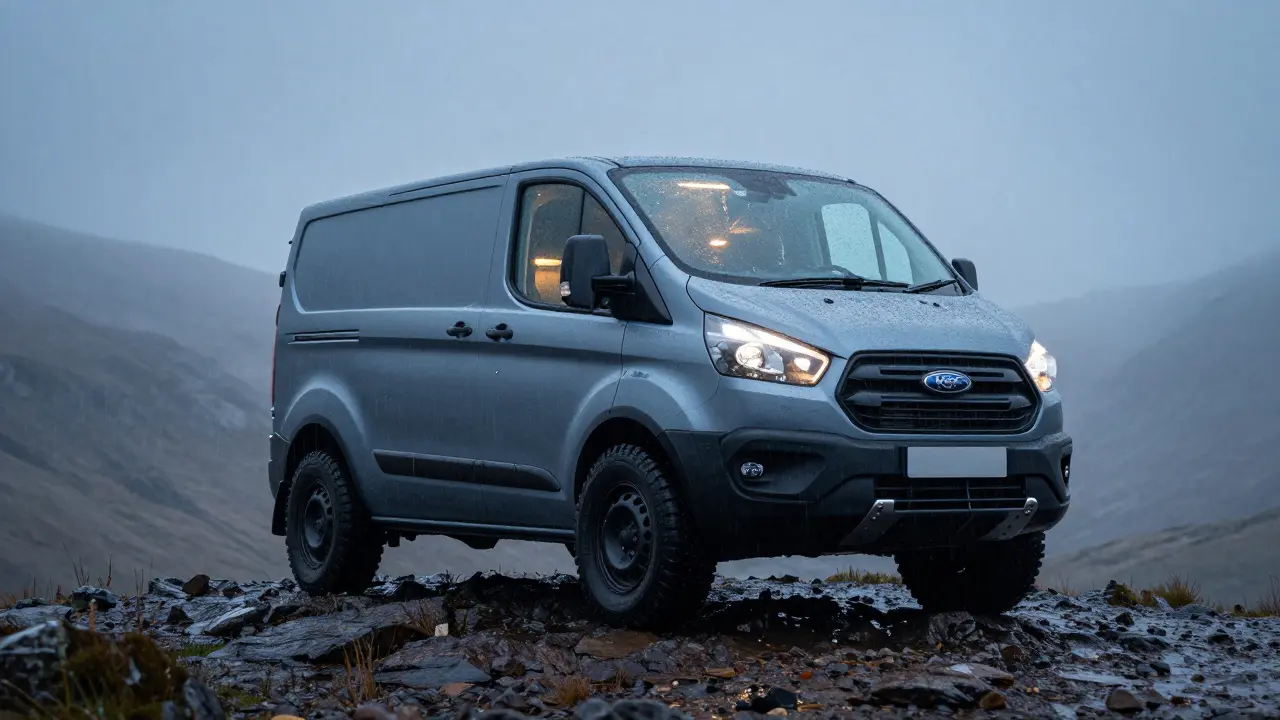
Picture this: you’re parked on a rocky ridge overlooking the Scottish Highlands, rain lashing against the windows, while your friends are stuck in mud three miles back. You didn’t get here by luck. You got here because you chose a 4x4 van conversion built for exactly this moment.
The world of off-road vans has exploded in recent years. It’s no longer just about slapping a snorkel on a Mercedes Sprinter and calling it adventure-ready. True overland readiness is the capability of a vehicle to travel long distances across varied terrain while carrying all necessary gear and sustaining self-reliance. This means understanding ground clearance, approach angles, tire selection, and powertrain durability before you even think about buying that vintage Land Rover Defender or brand-new Ford Transit Custom.
Why Choose a Van for Off-Road Adventures?
Cars lack space. SUVs lack storage. Trucks lack comfort. Vans sit in the sweet spot between utility and livability. When we talk about off-road vans being panel vans or passenger vans modified for unpaved terrain navigation, we’re talking about vehicles that can sleep six people, carry two weeks of food, tow a trailer, and still climb a steep gravel hill without bottoming out.
The appeal isn’t just practical-it’s psychological. There’s something deeply satisfying about knowing your home base can go where paved roads end. Whether you’re chasing sunrise photos in Iceland, hunting mushrooms in the Pacific Northwest, or simply escaping city noise for a weekend in Dartmoor, an off-road van gives you freedom most drivers never experience.
But let’s be honest: not all vans are created equal. A standard delivery van will die on its first serious off-road outing. The difference lies in preparation, modification quality, and realistic expectations about what these machines can actually handle.
Best Base Vehicles for 4x4 Van Conversions
Your starting point matters more than any aftermarket part you’ll ever buy. Here are the top contenders dominating the UK and European markets as of 2026:
| Vehicle Model | Ground Clearance (Stock) | Engine Options | Conversion Potential | Typical Price Range (UK) |
|---|---|---|---|---|
| Ford Transit Custom 4x4 | 195mm | 2.0L EcoBlue Diesel | High - abundant parts availability | £35,000-£45,000 |
| Mercedes-Benz Sprinter 4x4 | 210mm | 2.1L OM656 Diesel | Very High - premium build quality | £48,000-£60,000 |
| Volkswagen Transporter T6.1 4Motion | 175mm | 2.0L TDI | Medium - smaller footprint limits cargo | £30,000-£40,000 |
| Land Rover Defender 110 | 290mm | 2.0L P300 / 3.0L D300 | Extreme - purpose-built for rough terrain | £65,000-£85,000 |
| Toyota Hilux Surf (Import) | 220mm | 2.8L Turbo Diesel | High - legendary reliability | £25,000-£35,000 (used) |
The Ford Transit Custom 4x4 dominates sales in Britain due to its balance of price, service network density, and aftermarket support. The Mercedes Sprinter offers superior ride quality and higher payload capacity but comes with a steeper maintenance bill. Meanwhile, the new Land Rover Defender 110 LWB is becoming increasingly popular among serious overlanders who prioritize extreme terrain capability over interior volume.
If budget is tight, consider importing a Japanese Kei truck-based van like the Suzuki Carry SS-Van. These tiny beasts punch far above their weight class when fitted with proper suspension lifts and all-terrain tires. They won’t win beauty contests, but they’ll get you places bigger vans simply cannot reach.
Essential Modifications for True Off-Road Capability
Buying a 4x4 van is only step one. Without proper modifications, you’re driving a road car with extra wheels. Let’s break down what actually makes a van capable versus merely cosmetic.
Suspension Lifts and Skid Plates
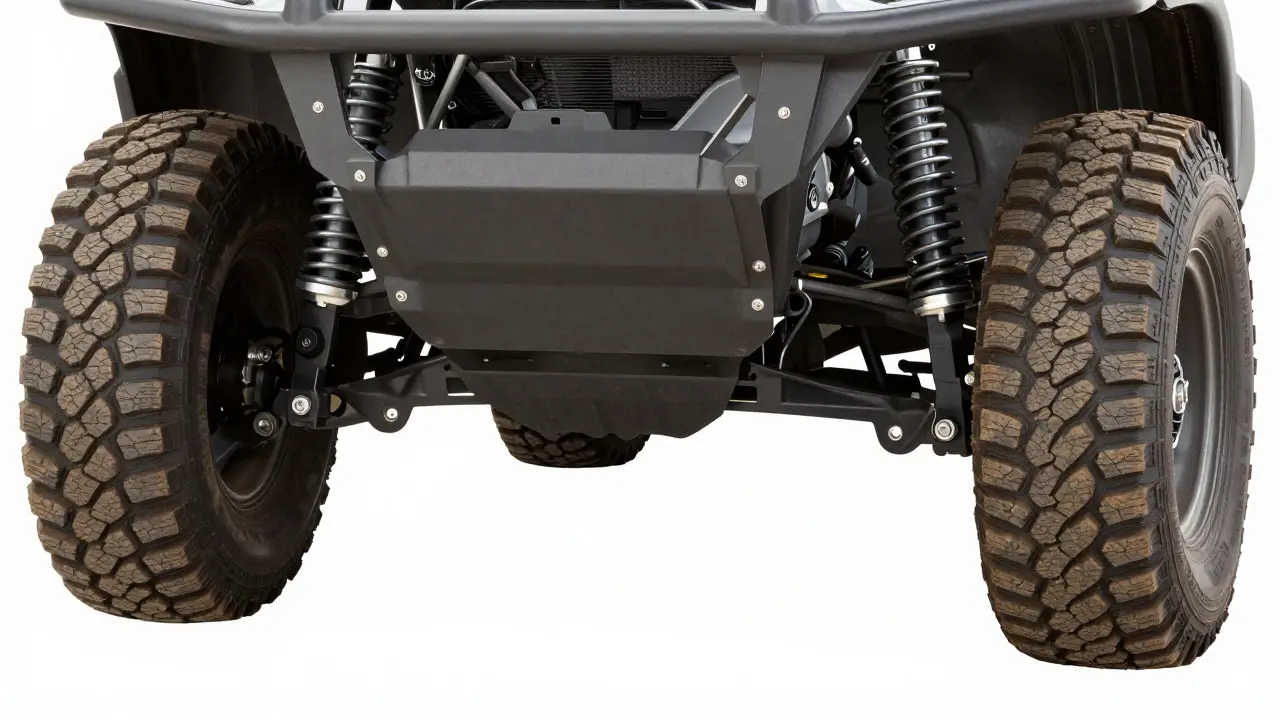
A minimum 2-inch lift transforms how your van handles uneven surfaces. Stock suspensions are tuned for highway stability, not rock crawling. Aftermarket coil-over kits from brands like Old Man Emu or King Shocks provide adjustable damping that adapts to changing conditions. Pair this with aluminum skid plates protecting your oil pan, transfer case, and fuel tank-you’ve just doubled your survival odds on technical trails.
Don’t forget steering geometry changes. Lifting a van alters caster and camber angles, leading to premature tire wear and vague steering response. Always have alignment done post-lift using laser equipment, not guesswork.
Tires That Bite Where Rubber Meets Dirt
This is non-negotiable. Street tires fail spectacularly off-road. Upgrade to dedicated all-terrain (A/T) or mud-terrain (M/T) rubber. For mixed use-70% pavement, 30% dirt-the BFGoodrich All-Terrain T/A KO2 remains the gold standard in 2026. Its reinforced sidewalls resist punctures from sharp rocks, while aggressive tread patterns dig into loose soil and snow alike.Size matters too. Most modern vans accommodate up to 31-inch diameter tires without rubbing. Going larger requires wider fender flares and possibly cutting wheel wells-a messy job best left to professionals. Remember: bigger tires mean slower speedometer readings and increased strain on drivetrain components.
Winches, Recovery Gear, and Anchors
No matter how skilled you are, you will get stuck eventually. Accept it now so you prepare properly. Install a front-mounted winch rated at least 1.5 times your vehicle’s gross weight. Warn VR-E series winches offer excellent value with synthetic rope options that weigh half as much as steel cable.
Keep recovery points welded directly to frame rails-not body panels. Add rear hitch receivers compatible with kinetic ropes and snatch straps. Store tree savers, shackles, and come-alongs within arm’s reach inside the cabin. Practice deploying them before emergencies strike.
Interior Fit-Outs Designed for Remote Living
Overlanding isn’t just about getting there-it’s about staying comfortable once you arrive. Your interior layout should reflect real-world usage patterns rather than Pinterest aesthetics.
- Sleeping Platform: Use marine-grade plywood layered with foam mattress toppers. Secure edges with stainless steel brackets to prevent shifting during bumpy rides. Include ventilation gaps beneath the bed to avoid moisture buildup.
- Kitchen Module: Mount a portable propane stove on a sliding drawer system. Keep fire extinguishers nearby. Never install fixed gas lines unless certified by qualified technicians familiar with RV safety standards.
- Water Storage: Dual 20-liter jerry cans mounted under seats work better than complex plumbing systems prone to freezing or leaking. Use gravity-fed taps connected via quick-release fittings for easy cleaning.
- Power Systems: Lithium-ion batteries paired with solar panels deliver reliable electricity without generator noise. Aim for at least 200Ah capacity if running laptops, refrigerators, and LED lighting simultaneously.
- Storage Solutions: Utilize vertical space with magnetic tool holders, hanging mesh pockets, and stackable plastic bins labeled clearly. Avoid loose items that become projectiles during sudden stops.
Insulation deserves special attention. Spray foam applied between metal walls reduces condensation dramatically compared to fiberglass batts alone. Seal every gap around windows and doors with automotive-grade urethane caulk. Cold British winters demand serious thermal management strategies beyond simple blankets.

Navigating Legal Requirements Across Europe
Modifying your van doesn’t exempt you from local regulations. In the United Kingdom, major structural alterations require notification to the DVLA. Changing axle load ratings, installing permanent awnings exceeding original dimensions, or altering headlight beam patterns may invalidate insurance coverage if unreported.
When crossing borders into continental Europe, check each country’s specific rules regarding:
- Maximum overall height limits (often 2.5 meters)
- Required warning triangles and reflective vests stored externally
- Emission zone restrictions banning older diesel engines from urban centers
- Parking prohibitions near protected natural reserves
Fines range from €50 to €500 depending on severity. Some countries mandate annual technical inspections for converted vehicles regardless of age. Always carry documentation proving compliance with emission norms and structural integrity tests.
Maintaining Your Van Between Expeditions
Off-road abuse accelerates wear exponentially. Establish a rigorous maintenance schedule tailored to harsh environments:
- Change engine oil every 3,000 miles instead of recommended 5,000+ due to dust contamination risks.
- Inspect brake pads monthly after heavy clay or sand driving-they degrade faster than normal.
- Grease universal joints and ball joints quarterly using high-temperature lithium grease.
- Check tire pressure weekly; cold temperatures drop PSI significantly affecting handling characteristics.
- Test battery terminals for corrosion signs caused by salt spray exposure along coastal routes.
Store spare parts critical for remote repairs: serpentine belts, alternator brushes, fuse sets matching amperage specs, and basic hand tools including wrenches sized specifically for your model. Digital multimeters help diagnose electrical faults quickly without guessing.
Building Skills Beyond Hardware Upgrades
Equipment fails without knowledge backing it up. Take defensive driving courses focused on low-traction scenarios. Learn four-wheel drive modes thoroughly-when to engage 4H versus 4L, how differential locks function, why locking center diffs prevents spinning wheels unnecessarily.
Practice tire inflation techniques for different terrains. Lowering pressures to 20 PSI improves traction on sand but damages rims on rocky paths. Carry portable air compressors capable of restoring full pressure rapidly upon returning to paved roads.
Study weather forecasting apps designed for mountaineers. Understanding microclimates helps avoid dangerous situations like flash floods in narrow gorges or whiteout conditions obscuring trail markers entirely.
Is a 4x4 van worth the extra cost over a 2WD version?
Absolutely-if you plan frequent trips onto unpaved surfaces. Two-wheel drive vans struggle severely on wet grass, steep inclines, or loose gravel. Four-wheel drive distributes torque evenly across all wheels, providing crucial grip when momentum alone won’t suffice. While initial purchase prices run 15-20% higher, resale values remain strong among adventurous buyers seeking proven capabilities.
Can I convert my existing daily driver van into an off-road machine?
Yes, though success depends heavily on original chassis design. Unibody constructions respond poorly to heavy lifting attempts compared to ladder-frame architectures found in traditional trucks. Consult experienced fabricators early in planning stages to assess feasibility realistically. Expect spending £5,000-£10,000 minimum for comprehensive upgrades including suspension reinforcement, differential protection, and enhanced cooling systems.
What’s the ideal tire size for balancing comfort and capability?
For most mid-size vans, 265/70R17 represents optimal compromise offering adequate sidewall flex for shock absorption plus sufficient tread depth for moderate off-pavement excursions. Larger sizes improve obstacle clearance but sacrifice fuel economy noticeably. Smaller alternatives reduce rolling resistance yet limit approach/departure angles critically needed for navigating obstacles safely.
How do I prevent rust formation after extensive off-roading?
Regular washing removes abrasive particles embedding themselves into paintwork causing microscopic scratches vulnerable to oxidation later. Apply undercoating sprays containing bitumen compounds annually focusing especially on wheel arches and lower door sills exposed constantly to road debris. Touch up chips immediately using touch-up pens matched precisely to factory color codes preventing spread underneath layers.
Are electric vans suitable candidates for off-road conversions?
Emerging models show promise despite current limitations. Instant torque delivery benefits climbing steep grades effortlessly however battery degradation occurs faster under sustained high-load operations typical of rugged terrain traversal. Charging infrastructure scarcity outside metropolitan areas complicates extended journeys considerably. Wait until next generation platforms mature technologically before committing substantial investments toward electrified expedition vehicles.