
Picture this: you’re halfway up a steep, rocky incline. The trail is beautiful, the air is crisp, and your off-road vehicle is a rugged machine designed for extreme terrain handling it like a dream. Then, *clunk*. A loose bolt gives way, or worse, your engine overheats because debris clogged the radiator. The adventure ends not with a triumphant summit view, but with a tow truck and a massive bill.
We’ve all been there. Off-roading is thrilling, but it’s brutal on machinery. Unlike daily driving on smooth asphalt, trails throw rocks, mud, water, and extreme angles at your rig. If you don’t maintain it properly, that rig will break down. This isn’t just about keeping things shiny; it’s about survival out in the wild. Here is how to protect your machine before, during, and after every trip.
The Pre-Trip Inspection: Don't Guess, Check
Most breakdowns happen because of something small that was ignored. Before you even start the engine, walk around your vehicle. This takes five minutes but can save you hours of misery later.
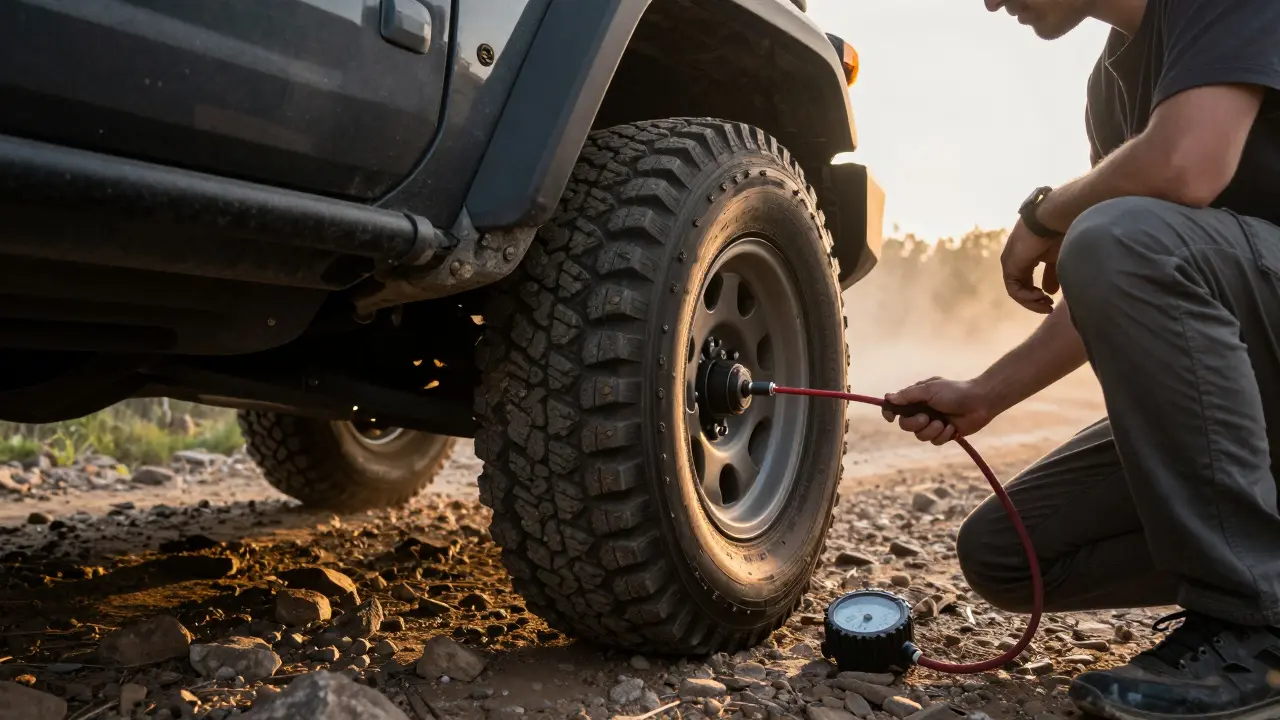
Start with the tires. Check the pressure. Are they set correctly for the terrain? Sand needs low pressure for floatation; rocks need higher pressure to prevent rim damage. Look for cuts, embedded nails, or worn tread. Next, check fluid levels. Engine oil, coolant, brake fluid, and power steering fluid should all be topped off. In dusty environments, filters get clogged faster. Inspect your air filter is the component that prevents dust from entering the engine. If it looks dirty, replace it. Running an engine with a clogged filter restricts airflow, causing poor performance and potential engine damage.
Don’t forget the recovery gear. Do you have a shovel, jack stands, traction boards, and a proper winch line? Test your winch remote. Ensure your spare tire is inflated and mounted securely. A pre-trip checklist is your best friend. Keep one taped inside your door.
- Tires: Correct pressure, no visible damage.
- Fluids: Oil, coolant, brake, and power steering full.
- Filters: Air and cabin filters clean.
- Bolts: Lug nuts tight, skid plate bolts secure.
- Recovery Gear: Winch functional, straps rated for weight.
Suspension and Steering: The Backbone of Your Rig
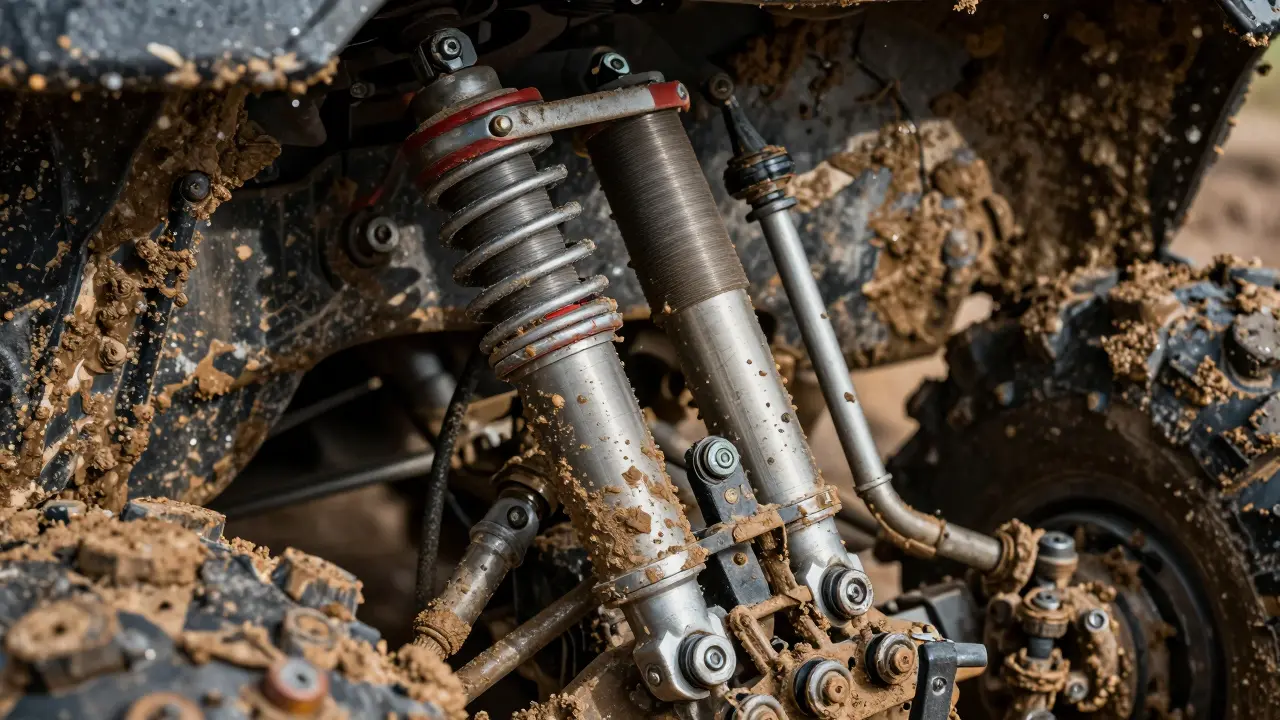
Your suspension takes the beating. Hitting ruts, jumping drops, and crawling over rocks puts immense stress on shocks, springs, ball joints, and tie rods. After a hard day off-road, inspect these components closely.
Look for leaks on your shock absorbers. A little dampness might be okay, but dripping oil means they’re failing. Listen for clunks when turning the steering wheel. That noise often points to worn ball joints or tie rod ends. These parts are critical for safety. If a ball joint fails while you’re driving, you lose control of the wheel.
If you’ve installed aftermarket lifts or heavy-duty shocks, know their limits. Stock suspensions aren’t built for extreme articulation. Upgraded components like heavy-duty leaf springs are reinforced suspension components that handle extra weight and stress can help, but they still need regular greasing. Grease zerks on your CV joints and ball joints regularly. Fresh grease pushes out old, contaminated grease and keeps metal surfaces lubricated.
Mud and Water: The Silent Killers
Mud looks harmless until it dries. It turns into concrete-like cement that traps heat and corrodes metal. Water is even worse if it gets where it shouldn’t. After crossing a river or driving through deep puddles, you need to act fast.
First, rinse everything. Use a pressure washer to blast mud from the undercarriage, wheel wells, and chassis. Pay special attention to the differential covers and transfer case. Mud buildup here insulates heat, leading to premature wear of internal gears.
Water ingress is a major risk. Did you cross deep water? Check your differentials and transfer case for moisture. Many modern vehicles have breather tubes that allow air to escape as gears spin. If these tubes dip underwater, they suck water into the gearbox. Install high-mounted breathers to prevent this. Drain any water found in the differential immediately and refill with fresh gear oil. Ignoring this can destroy your axles within days.
Also, check your electrical connections. Corrosion loves moisture. Spray contact cleaner on battery terminals, ground straps, and sensor plugs. A bad ground can cause erratic electronics, starting issues, and lighting failures.
Differentials and Transfer Case: Gearing Up for Care
Your drivetrain transfers power to the wheels. Off-roading stresses these components more than highway driving ever could. Low-range gearing, rock crawling, and wheel spinning generate intense heat and shear forces.
Change your differential fluid more often than the manufacturer recommends. For serious off-roaders, every 10,000 to 15,000 miles is a good rule. Look for metal shavings in the old fluid. Shiny flakes indicate normal wear. Chunky metal or a burnt smell means bearings or gears are failing. Address this immediately before catastrophic failure occurs.
If you have locking differentials, test them regularly. Engage and disengage them to ensure the mechanism works smoothly. Sticky lockers can leave you stranded without traction when you need it most. Also, inspect your driveshafts and U-joints. Worn U-joints cause vibrations and can snap under load, leaving you without power.
Engine and Cooling System: Keeping Things Cool
Engines hate heat. Off-roading often involves slow speeds with high RPMs, which generates significant heat. Your cooling system must work efficiently.
Clean your radiator fins. Bugs, dirt, and mud block airflow. Use compressed air or a soft brush to clear debris between the fins. A blocked radiator leads to overheating, especially in stop-and-go trail conditions. Consider installing an auxiliary electric fan if you frequently crawl rocks.
Check your hoses and belts for cracks or bulges. Heat cycles make rubber brittle. Replace them proactively. Also, monitor your coolant level. Top off with the correct mixture. Using straight water reduces boiling point protection and increases corrosion risk.
Spark plugs also suffer in dusty conditions. Fouled plugs cause misfires and reduced power. Pull them periodically and inspect. If they’re blackened or eroded, replace them. High-quality iridium or platinum plugs last longer and handle heat better.
Post-Trip Cleanup: Resetting for the Next Adventure
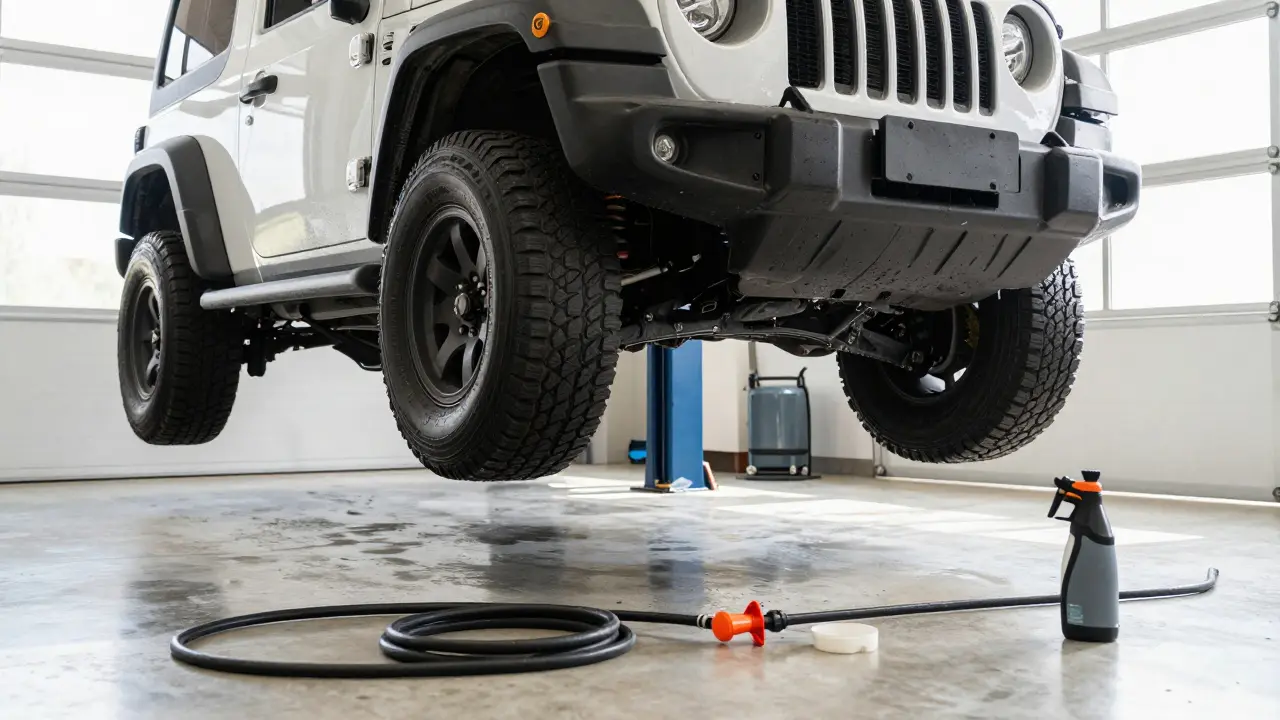
You made it back home. Great job! But don’t park the rig in the garage yet. Post-trip maintenance ensures longevity and prepares you for the next outing.
Wash the entire vehicle thoroughly. Focus on the undercarriage again. Remove any remaining mud from brakes and rotors. Brake dust mixed with mud creates abrasive paste that wears down pads and discs. Spin the wheels to dry them out.
Lubricate all moving parts. Chassis lube on bushings, hinges, and locks prevents squeaks and rust. Apply wax to painted surfaces to seal out moisture. Rust starts small but spreads fast. Touch up any chips or scratches immediately.
Finally, document any issues. Note unusual noises, warning lights, or performance changes. Create a maintenance log. This record helps track wear patterns and predicts future repairs. It also adds value if you sell the vehicle later.
| Component | Action | Frequency |
|---|---|---|
| Tires | Check pressure, inspect for cuts | Before every trip |
| Air Filter | Clean or replace | Every 5,000 miles or after dusty trips |
| Differential Fluid | Drain and refill | Every 10,000-15,000 miles |
| Brakes | Inspect pads, rotors, lines | After muddy/wet trips |
| Suspension Bushings | Lubricate, check for tears | Monthly |
| Radiator Fins | Clear debris | After every trip |
Common Mistakes to Avoid
Even experienced off-roaders make errors. Avoid these pitfalls to keep your rig running smoothly.
Ignoring small leaks. A tiny oil drip today becomes a dry sump tomorrow. Fix leaks early. Using wrong fluids. Mixing synthetic and conventional oils can cause seal issues. Stick to manufacturer specs. Over-torquing bolts. Snug is better than stripped threads. Use a torque wrench for critical components like lug nuts and differential covers. Neglecting electrical systems. Corrosion kills circuits. Clean and protect connectors regularly.
Another big mistake is pushing too hard. If your vehicle struggles, step back. Abuse accelerates wear. Respect your limits and your machine’s capabilities. Recovery equipment saves lives, but prevention saves money.
When to Seek Professional Help
Some jobs require expertise. If you hear grinding noises from transmissions, see smoke from brakes, or notice severe vibrations, stop driving. These symptoms indicate serious mechanical failure. Attempting DIY fixes without proper tools or knowledge can worsen problems.
Find a shop specializing in 4x4 vehicles. They understand the unique stresses of off-roading. Ask about warranty coverage for modified parts. Some manufacturers void warranties if non-OEM components fail related systems. Document all modifications and repairs.
Investing in professional inspections annually pays off. A mechanic can spot hidden issues you might miss. Think of it as insurance against costly roadside repairs.
How often should I change my differential fluid?
For light off-roading, follow the manufacturer's schedule, typically every 30,000 miles. For serious use, including rock crawling or frequent mud runs, change it every 10,000 to 15,000 miles. Always check for metal shavings during changes.
What is the best way to remove mud from my undercarriage?
Use a pressure washer with a wide-angle nozzle. Start from the top and work down. Focus on wheel wells, suspension components, and the transmission tunnel. Avoid directing high-pressure streams directly at seals or electrical connectors.
Can I drive my off-road vehicle if the air filter is dirty?
You can drive short distances to reach safety, but avoid high RPMs. A clogged filter restricts airflow, reducing power and increasing fuel consumption. Prolonged use can allow dust particles to bypass the filter and enter the engine, causing abrasion and damage.
Why do my brakes feel spongy after crossing water?
Water contamination in brake fluid reduces its boiling point and effectiveness. Lightly apply brakes while driving slowly to dry them out. If the problem persists, flush and replace the brake fluid immediately. Wet brakes are dangerous.
Should I upgrade my stock suspension for off-roading?
If you plan serious off-roading, yes. Stock suspensions are tuned for comfort and fuel economy, not durability under stress. Upgraded shocks, springs, and control arms provide better articulation, clearance, and resilience. Consult a specialist to choose components matching your vehicle weight and usage.
How do I prevent rust on my off-road vehicle?
Clean your vehicle thoroughly after every wet or muddy trip. Dry all components completely. Apply undercoating spray to bare metal areas. Touch up paint chips immediately. Park in a dry, ventilated space. Regular inspections catch early signs of corrosion.