
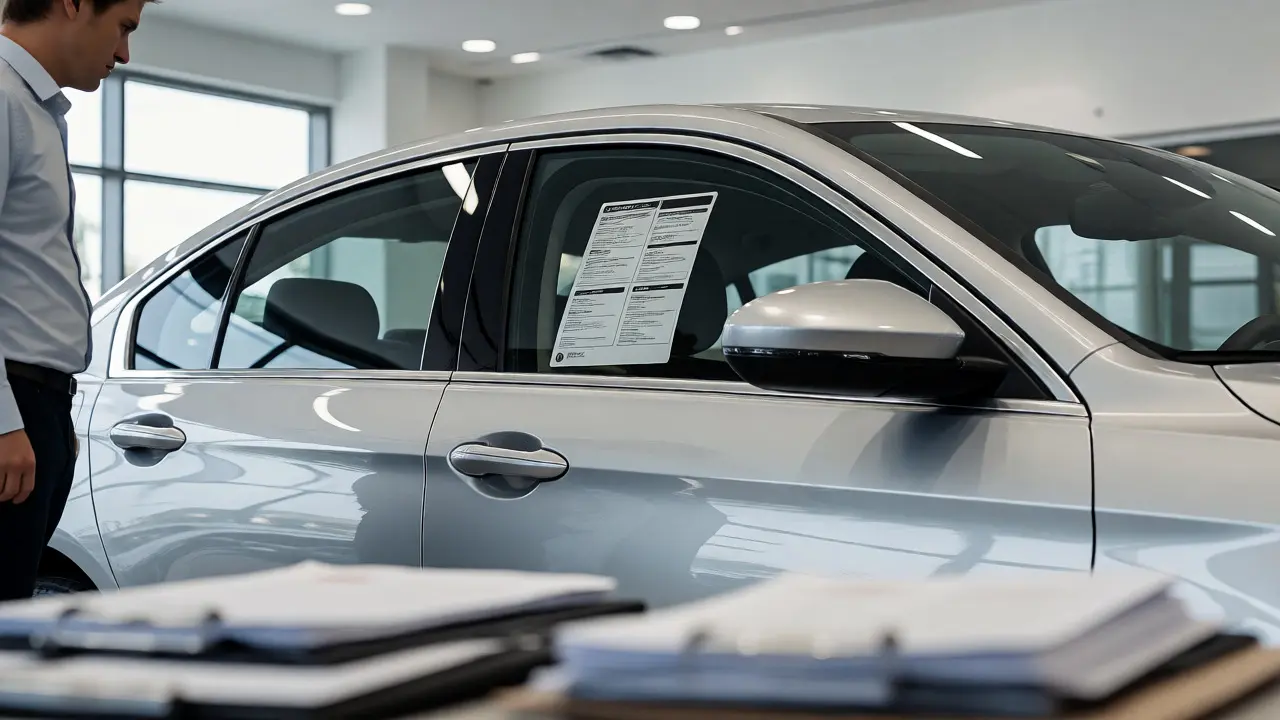
You walk into a dealership, spot a car you love, and see a sticker on the window that says £15,000. You feel confident. You have £15,000 in your savings account. But when you sit down with the finance manager, the number changes. It jumps to £16,850. Why? Because the price on the window is rarely the price you pay. This confusion between the selling price and the out-the-door (OTD) price catches thousands of buyers off guard every year.
Understanding this difference isn't just about accounting; it's about keeping money in your pocket. If you negotiate based on the wrong number, you might end up paying hundreds or even thousands more than you planned. Let’s break down exactly what these terms mean, why they differ, and how to ensure you aren't blindsided at the counter.
What Is the Selling Price?
The selling price, often called the vehicle price or negotiated price, is strictly the cost of the car itself before any extras are added. Think of it as the base value of the asset. In many markets, particularly in the United States where this terminology is most rigid, this figure is derived from the Manufacturer's Suggested Retail Price (MSRP) minus any discounts, rebates, or incentives you negotiated.
When a dealer quotes you a "price," they are usually talking about this number. It covers the manufacturing cost, the dealer's profit margin, and any optional packages installed at the factory (like leather seats or a sunroof). It does not include taxes, registration, documentation fees, or destination charges. If you agree to a selling price of £20,000, you have agreed that the metal, rubber, and electronics inside the vehicle are worth that amount to you. That’s it.
Why do dealers push for you to focus on this number? Because it looks lower. It feels like a better deal. A £20,000 car sounds cheaper than a £22,500 car, even if the second one includes all the mandatory fees and the first one doesn’t. Always ask: "Is this the out-the-door price?" If they hesitate, they’re showing you the selling price.
Defining the Out-the-Door Price
The out-the-door price (OTD) is the total amount you will physically hand over to the dealer (or finance company) to drive away with the keys. It is the final, non-negotiable bottom line. There are no hidden add-ons here. If you write a cheque or transfer funds for the OTD price, you own the car free and clear (assuming you are paying cash).
This figure is critical because it represents your actual financial liability. When you apply for a loan, lenders often look at the OTD price to determine your Loan-to-Value ratio. If you only budgeted for the selling price, you’ll find yourself scrambling for an extra £1,500-£3,000 on delivery day. The OTD price is the only number that matters for your bank account.
The Gap: What Goes Into the Difference?
If the selling price is the car, what fills the gap between that and the OTD price? Several specific components make up this difference. Knowing them helps you audit the paperwork.
- Sales Tax/VAT: In the UK, VAT is typically included in the advertised retail price, but in other regions, it’s added later. Always check local laws. In the US, state and local sales tax can range from 0% to over 10%.
- Title and Registration Fees: These are government-mandated costs to legally register the vehicle in your name. Dealers often mark these up significantly. A £100 state fee might become a £400 "dealer prep" charge.
- Documentation Fee (Doc Fee): This is a pure profit center for the dealer. It covers the administrative work of processing the sale. Some states cap this fee (e.g., £250 max), while others leave it unregulated, allowing dealers to charge £500+.
- Destination Charge: For new cars, manufacturers charge a fee to transport the vehicle from the factory to the dealership. This is sometimes rolled into the MSRP, but often listed separately.
- Add-Ons: Here is where trouble hides. Protection plans, extended warranties, VIN etching, paint protection, and nitrogen tire fillings are often pre-installed or suggested during the financing phase. These are optional but frequently pushed hard.
| Component | Included in Selling Price? | Included in OTD Price? | Negotiable? |
|---|---|---|---|
| Vehicle Base Cost | Yes | Yes | Yes |
| Factory Options | Yes | Yes | Partially |
| Sales Tax/VAT | No* | Yes | No |
| Registration/Title | No | Yes | No (Govt fixed) |
| Dealer Doc Fee | No | Yes | Yes (sometimes) |
| Extended Warranty | No | Yes (if bought) | Yes |

Why Dealers Prefer One Over the Other
Dealerships operate on thin margins. On a new car, the average gross profit per unit has dropped below £2,000 in recent years. To survive, they rely heavily on the "F&I" (Finance and Insurance) office. This is where the magic happens. They might sell you the car at a low selling price-perhaps even below invoice-to get you in the door. Then, they recoup their profit through high-margin add-ons and higher interest rates on the loan.
By focusing you on the monthly payment rather than the OTD price, they obscure the total cost. A £300/month payment sounds manageable. But if that payment is stretched over 72 months with a high APR, the total cost could be £25,000 instead of £20,000. Always negotiate the OTD price first, then discuss financing. Never let them mix the two.
How to Calculate Your True OTD Price
Before you step onto the lot, do the math yourself. Don’t rely on the dealer’s calculator. Here is a simple formula:
OTD Price = Agreed Vehicle Price + Taxes + Title/Reg Fees + Dealer Fees + Optional Add-Ons - Trade-In Value
Let’s look at a real-world example. Suppose you want a used hatchback. The dealer lists it at £12,000 (Selling Price). You negotiate it down to £11,500. Now, calculate the extras:
- VAT/Sales Tax: Assume 20% VAT is already included in UK prices, but if you are in a region with separate tax, calculate it now. Let's assume a hypothetical US-style scenario for clarity: 6% tax on £11,500 = £690.
- Registration/Title: Government fee is £150, but the dealer charges £400 for "processing." Ask for the receipt. If the gov fee is £150, challenge the rest.
- Doc Fee: The dealer adds £300.
- Add-Ons: They suggest a £500 warranty. You decline.
Your OTD Price would be: £11,500 + £690 + £400 + £300 = £12,890. Notice how the "deal" on the car saved you £500, but the fees ate up £700. Without knowing the OTD structure, you’d think you got a bargain, but you actually paid more than the list price.

Negotiation Tactics for the Modern Buyer
So, how do you protect yourself? Start by asking for an OTD quote via email before visiting the dealership. Send a message saying: "Please provide an out-the-door price for [Model/Year] including all taxes, fees, and title. No add-ons." If they reply with just the car price, reply again: "Does this include doc fees and registration?"
When you are at the dealership, keep the conversation focused on the total. If they try to shift to monthly payments, say: "I’m comfortable with the monthly payment, but I need to know the total cost first so I can compare financing options." This forces them to reveal the OTD number.
Be ready to cut add-ons. Many buyers accept a £1,000 protection plan because it’s "only £20 more a month." But that’s £1,440 over six years for coverage you might not need. Read the fine print. Often, manufacturer warranties cover major issues anyway.
Common Pitfalls to Avoid
One major mistake is ignoring the trade-in value until the end. If you bring your old car to trade in, the dealer might inflate its value slightly to make you feel good, then offset that by raising the selling price of the new car. Keep your trade-in negotiation separate from the new car purchase. Get a cash offer for your old car from online services like WeBuyAnyCar or AutoTrader first. Use that as a benchmark.
Another trap is "delivery fees" for online purchases. With the rise of digital dealerships, some companies charge a flat delivery fee that can range from £500 to £1,500. Ensure this is included in your OTD calculation. Unlike traditional dealers, online sellers often have transparent pricing, but the delivery fee is a significant chunk of the difference.
Final Thoughts on Transparency
Buying a car should be exciting, not stressful. The difference between the selling price and the out-the-door price is the difference between expectation and reality. By insisting on the OTD number early in the process, you take control. You stop being a victim of clever math and start being an informed consumer. Remember, the sticker price is marketing. The OTD price is truth.
Is the out-the-door price always higher than the selling price?
Yes, almost always. The selling price is just the cost of the vehicle. The out-the-door price adds mandatory government fees (taxes, registration) and dealer-specific fees (documentation, preparation). Unless you live in a jurisdiction with zero taxes and no fees, the OTD price will be higher.
Can I negotiate the out-the-door price?
You cannot negotiate government-mandated fees like sales tax or official registration costs. However, you can negotiate the vehicle price itself, which lowers the tax base. You can also negotiate dealer-added fees like documentation charges (where legal) and optional add-ons like warranties or accessories.
What is the difference between MSRP and selling price?
MSRP (Manufacturer's Suggested Retail Price) is the recommended price set by the car maker. The selling price is the actual amount you agree to pay after negotiation. The selling price can be lower than MSRP (due to discounts) or higher (in high-demand markets where dealers add market adjustments).
Do dealer fees go towards my loan?
Yes, most dealer fees included in the out-the-door price can be rolled into your auto loan. This means you will pay interest on those fees over the life of the loan. Paying fees in cash upfront reduces the total interest paid.
Are documentation fees negotiable?
It depends on your location. In some US states and countries, documentation fees are capped by law and cannot be changed. In others, they are unregulated and fully negotiable. Always ask if the doc fee is fixed or flexible.