
You just bought a new car, or maybe you’ve finally paid off that classic you’ve been restoring. Now comes the hard part: keeping it looking brand new. You’ve heard about Paint Protection Film and Ceramic Coating, but standing in the detailing shop with two very different price tags staring back at you is confusing. One promises to stop rock chips dead in their tracks; the other claims your car will repel water like a duck’s back. So, which one actually saves your wallet and your sanity?
The truth is, they aren’t really competitors-they’re teammates. But if you have to pick one? That depends entirely on how you drive, where you park, and what kind of damage keeps you up at night. Let’s break down exactly what these things do, so you don’t waste thousands on the wrong solution.
What Is Paint Protection Film (PPF)?
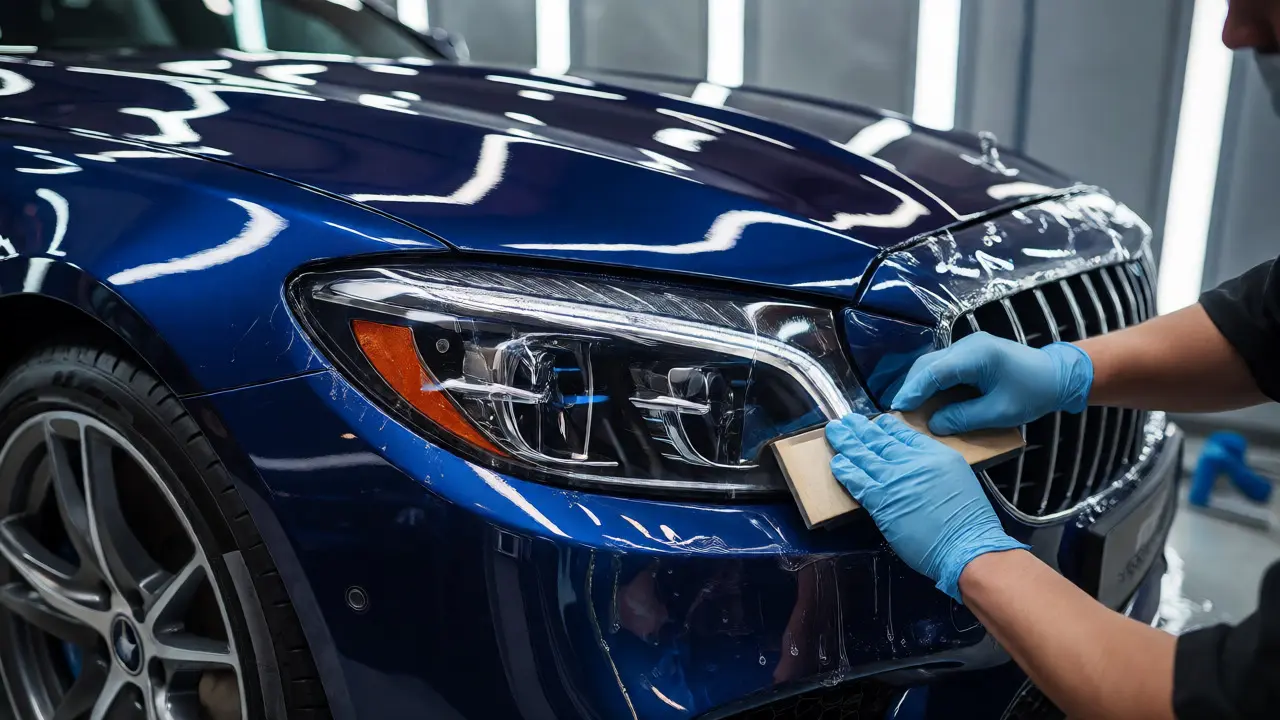
Paint Protection Film is a clear, thermoplastic urethane layer applied directly to your vehicle’s painted surfaces. Think of it as a heavy-duty screen protector for your phone, but for your hood, bumpers, and fenders. It’s thick-usually around 8 to 10 mils-and designed to absorb impact.
Why does this matter? Because road debris doesn’t care about your feelings. A loose stone kicked up by an SUV can punch a hole through clear coat in milliseconds. PPF takes that hit instead of your paint. Most modern films are also "self-healing," meaning minor swirl marks from washing disappear when exposed to heat from the sun or warm water.
There are two main types you’ll encounter:
- Self-Healing Top Coat: The standard choice. Scratches vanish with heat.
- Hydrophobic Top Coat: Adds water-repellent properties, making it easier to clean, though slightly less durable against deep scratches than the self-healing version.
The biggest selling point here is physical defense. If you commute on highways, drive near construction zones, or live in areas with gravel roads, PPF is your first line of defense against rock chips.
What Is Ceramic Coating?
If PPF is armor, Ceramic Coating is a permanent wax. It’s a liquid polymer that chemically bonds with your factory clear coat. Once cured, it creates a semi-permanent, glass-like layer over the paint.
Ceramic coatings are primarily made of silicon dioxide (SiO2) or titanium dioxide (TiO2). Unlike traditional waxes that sit on top and wash away after a few weeks, ceramic coatings fuse into the pores of the clear coat. This bond lasts years, not months.
What does it actually do for you?
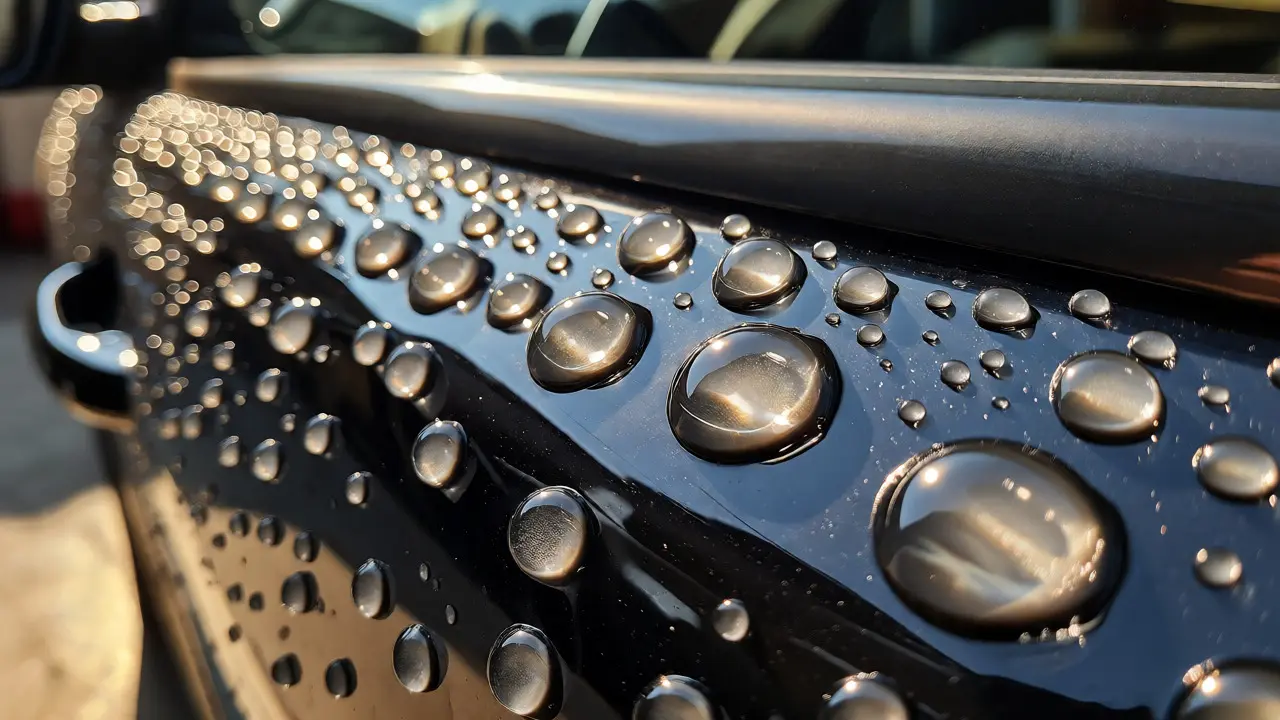
- Hydrophobic Effect: Water beads up and rolls off instantly, taking dirt with it.
- UV Resistance: Prevents oxidation and fading caused by sun exposure.
- Chemical Resistance: Protects against bird droppings, tree sap, and acid rain etching.
- Gloss Enhancement: Makes dark cars look deeper and metallic paints pop.
But here’s the catch people often miss: Ceramic coating does not protect against rock chips. It’s too thin-measured in microns, not mils-to stop a pebble moving at 60 mph. If you rely solely on ceramic coating, you might have a shiny car covered in tiny white specks from highway driving.
The Head-to-Head Comparison
To make this decision easier, let’s look at how they stack up against each other on the factors that actually matter to owners.
| Feature | Paint Protection Film (PPF) | Ceramic Coating |
|---|---|---|
| Primary Function | Absorbs physical impact (rock chips, scratches) | Repels contaminants (water, dirt, chemicals) |
| Thickness | ~150-200 microns (0.15-0.2 mm) | ~5-10 microns (0.005-0.01 mm) |
| Lifespan | 7-10 years (high-quality brands) | 2-5 years (depending on maintenance) |
| Cost (UK Average) | £1,500 - £3,500+ (full front end) | £500 - £1,200 (whole car) |
| Maintenance | Low; occasional washing needed | Medium; requires pH-neutral shampoos |
| Appearance | Invisible (if high quality); can yellow over time | Adds gloss and depth |
| Repairability | Panels can be replaced individually | Must re-coat entire panel or car |
When Should You Choose PPF?
You should lean towards Paint Protection Film if physical damage is your biggest fear. Living in Bristol, I know how quickly road grit can wreck a bumper during winter. If you drive a Tesla Model 3 or a BMW M-series, those large plastic bumpers and soft aluminum panels chip easily.
Choose PPF if:
- You frequently drive on motorways or rural roads with loose gravel.
- Your car has a light-colored paint job (white, silver), where chips are highly visible.
- You plan to keep the car for more than five years and want to preserve resale value.
- You’ve already had paint repairs and want to prevent future ones.
Pro tip: You don’t need to wrap the whole car. Most owners opt for a "Front End Package" covering the bumper, hood, fenders, and mirrors. This targets the most vulnerable areas while keeping costs manageable.
When Should You Choose Ceramic Coating?
Ceramic coating is for the driver who hates cleaning their car. If your garage is full of expensive detailing supplies but you still spend hours scrubbing bugs off the grille, ceramic coating changes the game.
Choose Ceramic Coating if:
- You park outside and deal with tree sap, bird droppings, or pollen.
- You want that "wet look" gloss without waxing every month.
- Budget is a concern-you get significant protection for half the cost of a full PPF install.
- You drive mostly in city environments where rock chips are rare.
It’s important to note that ceramic coating isn’t magic. It doesn’t make your car scratch-proof. Washing it with a dirty sponge will still leave swirl marks. However, because dirt doesn’t stick as well, you wash it less often, reducing the chance of introducing swirls in the first place.
The Hybrid Approach: Why Not Both?
This is the question everyone asks. Can you apply ceramic coating over PPF? Yes, and many detailers recommend it. Applying a ceramic coating on top of PPF adds hydrophobic properties to the film, preventing it from getting stained by brake dust or tar. It makes the film easier to clean and helps maintain its clarity.
However, applying PPF over ceramic coating is tricky. The adhesive needs to bond to the clear coat, not the slick ceramic surface. Usually, installers will polish the area to remove the coating before applying the film. So, the order matters: Paint → Ceramic Coating → PPF (on specific panels).
If you have the budget, the ultimate protection combo is PPF on high-impact areas (front end) and Ceramic Coating on the rest of the body. This gives you impact resistance where you need it and easy cleaning everywhere else.
Common Myths That Waste Money
Let’s clear up some confusion before you hand over your credit card.
Myth 1: Ceramic Coating prevents all scratches.
False. It resists chemical etching and light abrasion, but keys, shopping carts, and aggressive automatic car washes will still scratch it. In fact, the hardness of ceramic can sometimes make scratches more noticeable because they reflect light differently.
Myth 2: PPF never yellows.
Old-school films did. Modern TPU (thermoplastic polyurethane) films are UV-stable and resist yellowing for years. But cheap, unbranded films found on eBay? They will turn amber within two years. Always ask for the manufacturer’s warranty regarding discoloration.
Myth 3: You can DIY both.
You can buy kits online, but installing PPF requires heat guns, squeegees, and extreme patience. One bubble or crease ruins the aesthetic. Ceramic coating requires perfect paint correction beforehand. If you skip polishing, you lock in existing swirls under the coating forever. For PPF, professional installation is worth every penny.
How to Maintain Your Investment
Whether you choose film or coating, neglect kills longevity. Here’s how to keep them working:
For PPF:
Wash regularly with pH-neutral soap. Avoid harsh degreasers or solvents like acetone, which can degrade the film’s top coat. If you see a stain from bird droppings, remove it immediately-it can eat through the film if left for days. Use a dedicated PPF sealant once a year to restore hydrophobicity.
For Ceramic Coating:
Use a two-bucket wash method to minimize swirls. Never use automatic car washes with stiff brushes. Every 6-12 months, apply a "topper" spray sealant to refresh the hydrophobic effect. If water stops beading, it’s time for a maintenance wash or a light polish.
Final Verdict: What Should You Buy?
If you’re driving a daily commuter in a rainy, gritty UK environment, start with Paint Protection Film on the front end. Physical damage is the most expensive problem to fix. Chips require respraying, which depreciates value and looks mismatched if done poorly.
If you’re a weekend cruiser or someone who loves the shine, go for Ceramic Coating. It’s cheaper, enhances aesthetics, and makes washing effortless. Just remember to touch up the coating every couple of years.
And if you’re truly obsessive about perfection? Do PPF on the front and Ceramic on the back. Your future self will thank you when you’re selling the car and the paint looks untouched.
Does ceramic coating protect against rock chips?
No, ceramic coating is too thin to absorb the impact of flying rocks. It protects against chemicals, UV rays, and dirt, but for physical impact resistance, you need Paint Protection Film (PPF).
Can I apply ceramic coating over paint protection film?
Yes, and it is often recommended. Applying ceramic coating over PPF adds hydrophobic properties, making the film easier to clean and helping prevent staining from brake dust or tar. Ensure the installer uses products compatible with urethane films.
Which is more expensive, PPF or ceramic coating?
PPF is significantly more expensive. A full front-end PPF installation typically costs between £1,500 and £3,500 in the UK, whereas a high-quality ceramic coating for the entire vehicle usually ranges from £500 to £1,200. Full-body PPF can exceed £5,000.
Does PPF turn yellow over time?
Modern high-quality TPU (thermoplastic polyurethane) films are UV-stable and resist yellowing for 7-10 years. Cheaper vinyl-based films may yellow faster. Always check the manufacturer's warranty for discoloration coverage.
Is ceramic coating worth it for a leased car?
Generally, no. Leased cars must be returned in good condition, but ceramic coating is difficult to remove completely. If the lease return inspection flags the coating as a modification, you might face penalties. PPF is removable, but even then, check your lease agreement terms regarding modifications.
Comments
Bryce Imbriale
Bro this is exactly what I needed to hear before dropping cash on my new truck. I've been stressing about rock chips all week and honestly the PPF front end package sounds like the only way to go for highway driving. The ceramic coating just feels like a band-aid if you're actually hitting gravel roads regularly. You can't beat physical protection when physics is trying to destroy your paint.
September 29, 2026 at 09:27
Sherri Jones
That's a solid take, Bryce! 🚗✨ Just remember that even with PPF, maintenance matters a lot. If you don't wash it properly, you'll get swirl marks under the film eventually. 😅 Also, make sure whoever installs it uses high-quality TPU, not cheap vinyl, or you'll be dealing with yellowing in two years instead of ten. It’s worth paying extra for XPEL or SunTek brands. 💎🛡️
October 1, 2026 at 06:35
william mcstay
Overrated nonsense. Real men drive American steel and don't care about scratches. This whole industry is just selling fear to weak drivers who can't handle a little wear and tear. My dad drove his Ford F-150 for twenty years without any of this plastic wrap garbage and it looked fine. These companies are just lining their pockets while Americans spend thousands on things they don't need. Stop letting foreign detailing trends ruin common sense.
October 2, 2026 at 07:15
SHANNON GRUBER
Lol typical. Ignoring that modern cars have softer clear coats than those old trucks. Your dad probably didn't care because he wasn't trying to sell it for top dollar later. But whatever, keep driving with your eyes closed.
October 2, 2026 at 10:23
LoriBeth Blair
You clearly don't know anything about automotive chemistry. Old paint was harder but more brittle. New water-based paints are softer and chip easier. That's why PPF exists. It's not fear, it's science. Learn before you speak.
October 3, 2026 at 09:27
Prayagraj Medicose
They don't want you to know that ceramic coatings often contain nanoparticles that might outgas over time. Or that some PPF adhesives react weirdly with certain waxes. The detailers are part of the matrix keeping us buying 'protection' so we never actually fix the root cause of why paint degrades. It's all planned obsolescence disguised as luxury care. Wake up sheeple.
October 5, 2026 at 07:40
Charles Reah
I appreciate the passion here, everyone. From an inclusive perspective, it's important to recognize that car care choices are deeply personal and tied to our values around sustainability and aesthetics. For many, protecting the vehicle is an act of respect for the craftsmanship involved. However, we must also consider the environmental impact of manufacturing these films versus the longevity they provide. It's a nuanced conversation about how we value material goods in a consumerist society. Let's ensure we aren't shaming people for choosing convenience or preservation based on their financial situation. We should support each other in making informed decisions that align with our individual lifestyles rather than adhering to a single dogma of 'correct' car care. There is no one-size-fits-all answer, and diversity in approach enriches our community knowledge.
October 6, 2026 at 21:49
Brad Walker
The drama... the sheer unnecessary drama of arguing over layers of polymer. It is all ephemeral. One day the sun will swallow us all, and neither PPF nor Ceramic Coating will save us from the heat death of the universe. Why do we cling to these illusions of permanence? We polish the surface of our souls just as we polish the surface of our cars, hoping to hide the inevitable decay beneath. It is tragic, really. Beautiful, but tragic.
October 8, 2026 at 13:15
Darlene Hopkins
This thread has such strong emotions behind it. I think we all just want our hard work and money to last longer. It's okay to feel protective of our cars.
October 8, 2026 at 21:16