

You’re cruising down the A38 outside Bristol, wind in your face, engine humming. Then it happens: a sudden swerve to avoid a pothole, and your pillion falls off. Who pays for their broken collarbone? You? Your insurer? Or does the fact that they agreed to ride with you absolve you of everything?
This isn’t just a hypothetical. Passenger liability is one of the murkiest areas of motorcycle insurance. Many riders assume their policy covers everyone on the bike automatically. Others worry that a friend’s negligence voids their cover. The truth sits somewhere in the messy middle, heavily dependent on consent forms, policy wording, and whether the injury resulted from your riding or theirs.
| Scenario | Likely Liable Party | Insurance Impact |
|---|---|---|
| Rider error (swerving, braking) | Rider | Bodily Injury Liability typically applies |
| Passenger jumps off moving bike | Passenger (mostly) | May reduce claim value via contributory negligence |
| No helmet worn by passenger | Shared liability | Claim reduction possible under comparative fault rules |
| Third-party car hits bike | Other driver | Passenger claims against other driver's policy |
The Core Principle: Rider Responsibility vs. Passenger Risk
At its heart, rider responsibility means you control the machine. You decide speed, trajectory, and when to brake. Because you hold this power, the law generally places the burden of safety on you. If your poor judgment causes an accident, your Bodily Injury Liability coverage should pay for medical bills, lost wages, and pain and suffering for your passenger.
But here’s where it gets tricky. Insurance companies aren’t charities. They scrutinize every detail. Did the passenger wear proper gear? Were they sober? Did they interfere with controls? If a passenger grabs your handlebars unexpectedly, causing a crash, your insurer might argue that the passenger contributed significantly to the loss. This concept, known as contributory negligence, can slash a payout by 50% or more depending on local laws.
In the UK, for example, the Road Traffic Act requires third-party insurance. If you hit a pedestrian, they claim against you. If your passenger is injured due to your driving, they also claim against you. However, if the passenger was reckless-say, standing up on the seat while moving-their own negligence reduces what they can recover.
Consent Forms: Are They Worth the Paperwork?
You’ve probably seen those waiver templates online. "I acknowledge the risks..." Do they actually protect you? Short answer: sometimes, but don’t bank on it.
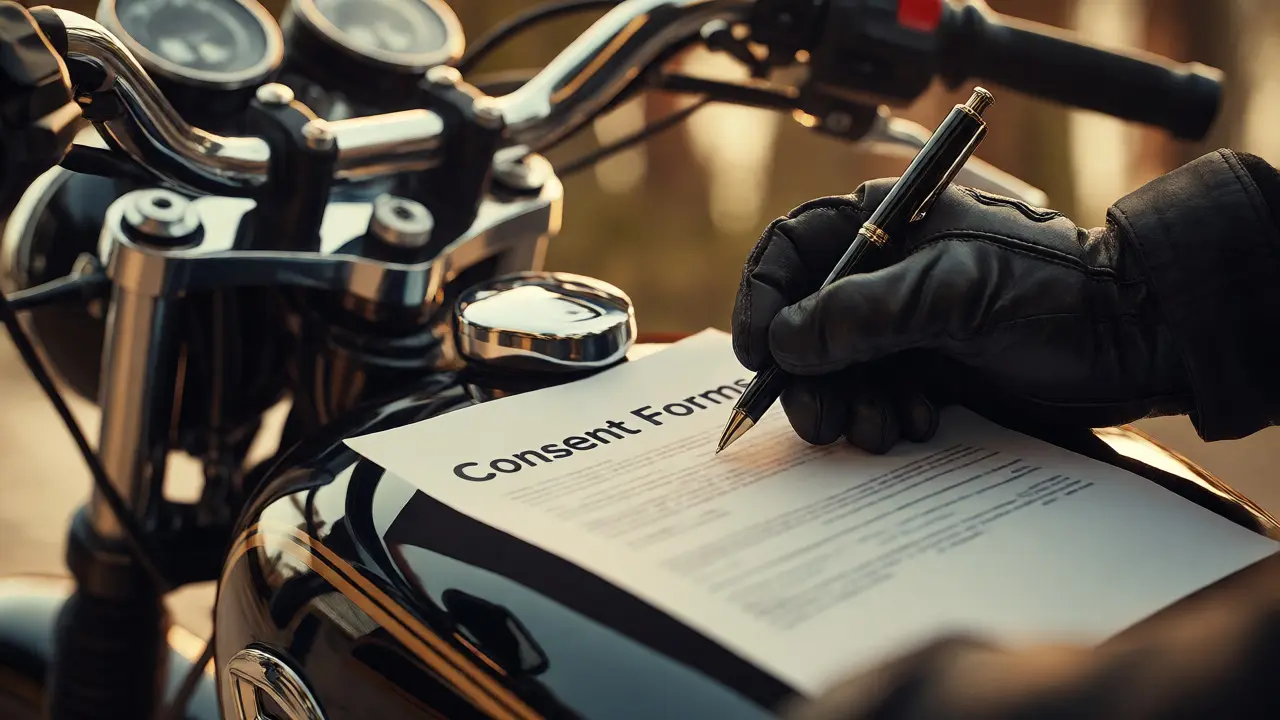
A signed passenger consent form serves two main purposes. First, it proves the passenger knew the activity was risky. Second, it documents specific conditions, like mandatory helmet use or no alcohol consumption prior to the ride.
However, courts often view these waivers skeptically if gross negligence is involved. If you were texting while riding at 60 mph, a signature saying "I accept risk" won’t save you. But if the passenger suffered minor injuries during a normal ride and tries to sue for excessive damages, that form helps show they accepted standard operational risks.
- Key Clause: Ensure the form explicitly states that the passenger assumes responsibility for injuries caused by their own actions.
- Gear Check: Include a checkbox confirming the passenger wore DOT/ECE approved helmets and protective clothing.
- Sobriety Statement: Have them attest they are not under the influence of drugs or alcohol.
What Does Your Policy Actually Cover?
Not all policies treat passengers equally. Some exclude non-family members entirely. Others have lower limits for bodily injury per person versus per accident. Before letting someone hop on, check your policy wording for these critical details:
- Per Person Limits: If your limit is £100,000 per person and two people are hurt, do you have enough cover? Often, the total accident limit caps out before individual needs are met.
- Medical Payments Coverage (MedPay): This pays immediate medical bills regardless of fault. It’s crucial because it doesn’t wait for a lengthy liability determination.
- Uninsured Motorist Coverage: If another driver hits you and flees, this protects your passenger’s ability to get compensated.
Many riders overlook MedPay. It’s cheap-often adding £20-£50 annually-and provides instant cash for ambulance fees or ER visits. Without it, your passenger waits months for a settlement while bills pile up.
Special Cases: Group Rides and Track Days
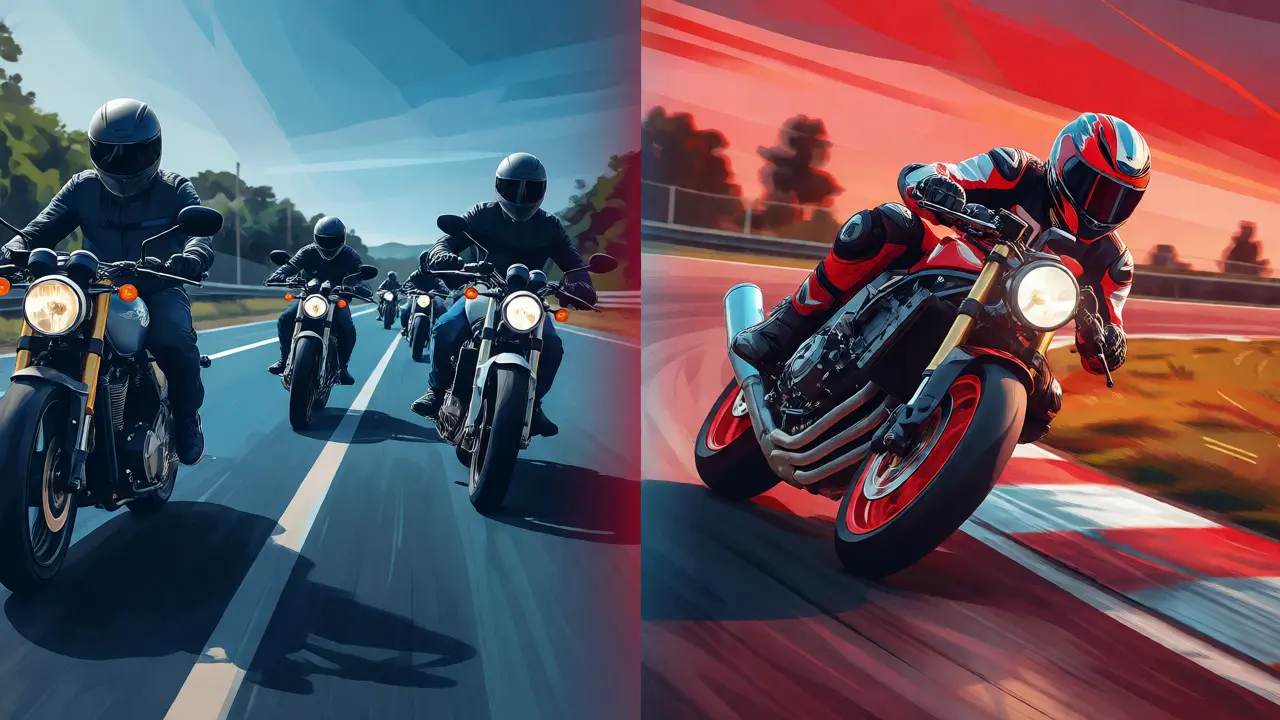
Group rides introduce unique liabilities. If you’re leading a pack, do you owe a duty of care to followers? Generally, yes, if you’re acting as a designated leader. If you signal poorly and cause a chain-reaction crash, you could be liable.
Track days are different. Most tracks require participants to sign comprehensive waivers. These usually transfer liability away from organizers and fellow riders, provided there’s no intentional misconduct. But note: track day insurance is separate from road legal insurance. Your daily commuter policy likely excludes track usage entirely. Riding home after a session? That’s covered. Hitting the circuit? Not unless you bought extra cover.
How to Minimize Your Risk
You can’t eliminate risk, but you can manage it. Start with communication. Before ignition, brief your passenger. Explain how acceleration feels, how braking works, and why they need to lean with you. Surprisingly, many accidents happen because passengers brace rigidly against the tank instead of following the bike’s movement.
Next, verify their insurability. Ask if they have personal health insurance. In some jurisdictions, your bike’s MedPay acts as primary coverage, but their health plan might pick up the rest. Knowing this beforehand prevents awkward billing disputes later.
Finally, consider umbrella insurance. If you’re a high-net-worth individual, a standard auto/bike policy might not suffice. An umbrella policy extends liability limits beyond your base coverage, protecting your assets if a catastrophic injury lawsuit arises.
Does my motorcycle insurance cover my passenger if I am at fault?
Yes, typically your Bodily Injury Liability coverage pays for medical expenses and damages if you cause the accident. However, the amount depends on your policy limits. If costs exceed these limits, you may be personally liable for the remainder.
Can a passenger sue me even if we agreed to ride together?
Agreeing to ride doesn't waive your duty of care. Unless you have a valid, enforceable waiver covering negligence, a passenger can still sue for injuries resulting from your careless driving. Waivers often fail if gross negligence is proven.
What if my passenger didn't wear a helmet?
This often leads to reduced compensation under comparative fault laws. While you might still be liable for the crash itself, their failure to wear protective gear can significantly lower the payout for head or neck injuries.
Do I need a special endorsement for frequent passengers?
Usually, no. Standard policies cover occasional passengers. However, if you regularly carry different people (like in tour guiding), inform your insurer. Some providers offer commercial endorsements for higher frequency usage.
Is MedPay worth adding to my motorcycle policy?
For most riders, yes. It covers immediate medical costs for you and your passenger regardless of who caused the accident. It avoids long delays associated with liability settlements and protects your relationship with friends/family.