
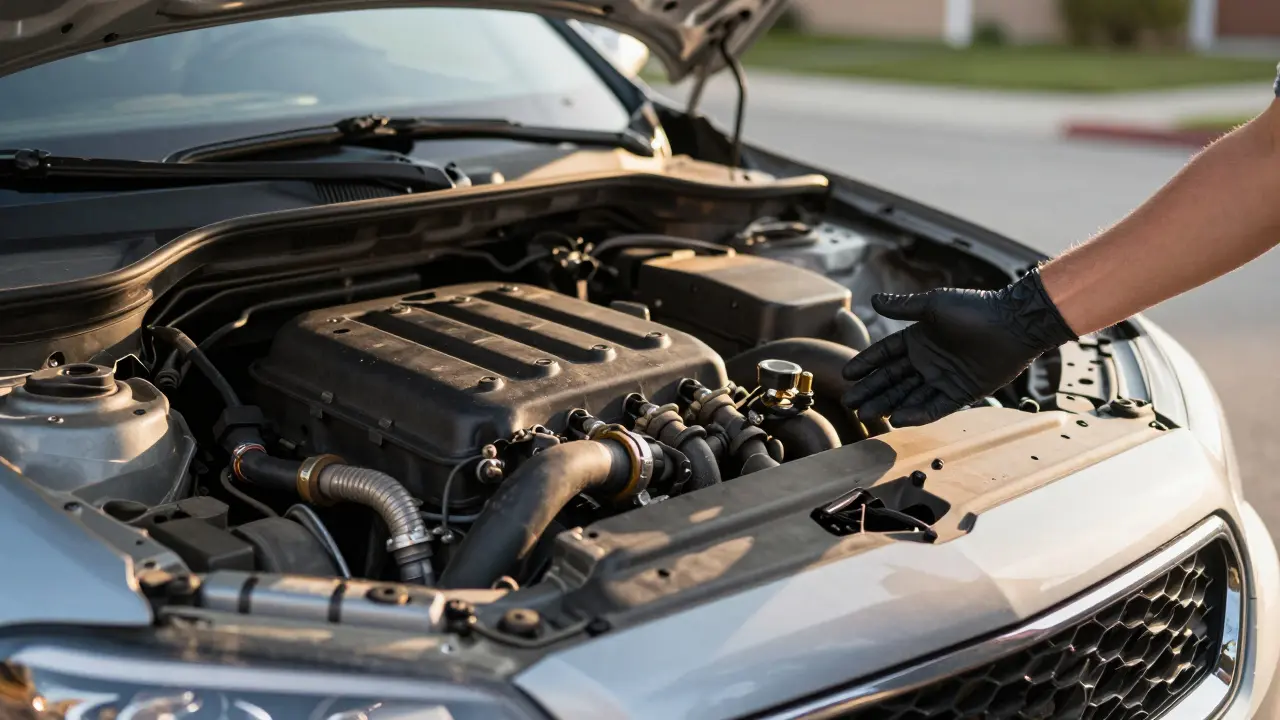
Have you noticed your car idling roughly lately? Or perhaps the Check Engine Light flicked on without warning? Often, the culprit is much smaller than you think. It’s frequently the PCV Valve, a tiny component that plays a massive role in your engine’s health. Ignoring it isn’t just about failing emissions; it can lead to serious damage under the hood.
In today’s cars, keeping the air clean is non-negotiable. When this system fails, your vehicle struggles to breathe, leading to poor performance and wasted fuel. Understanding how this works saves you money and keeps your engine running smoothly for years to come. Let’s look at exactly what happens when things go wrong and how to fix it yourself.
Understanding the PCV Valve System
At its core, the Positive Crankcase Ventilation system manages the pressure inside your engine block. When fuel burns in the cylinders, some gases slip past the piston rings. This is known as blow-by. Instead of venting these harmful fumes directly into the atmosphere, the PCV system routes them back into the intake manifold to be burned again.
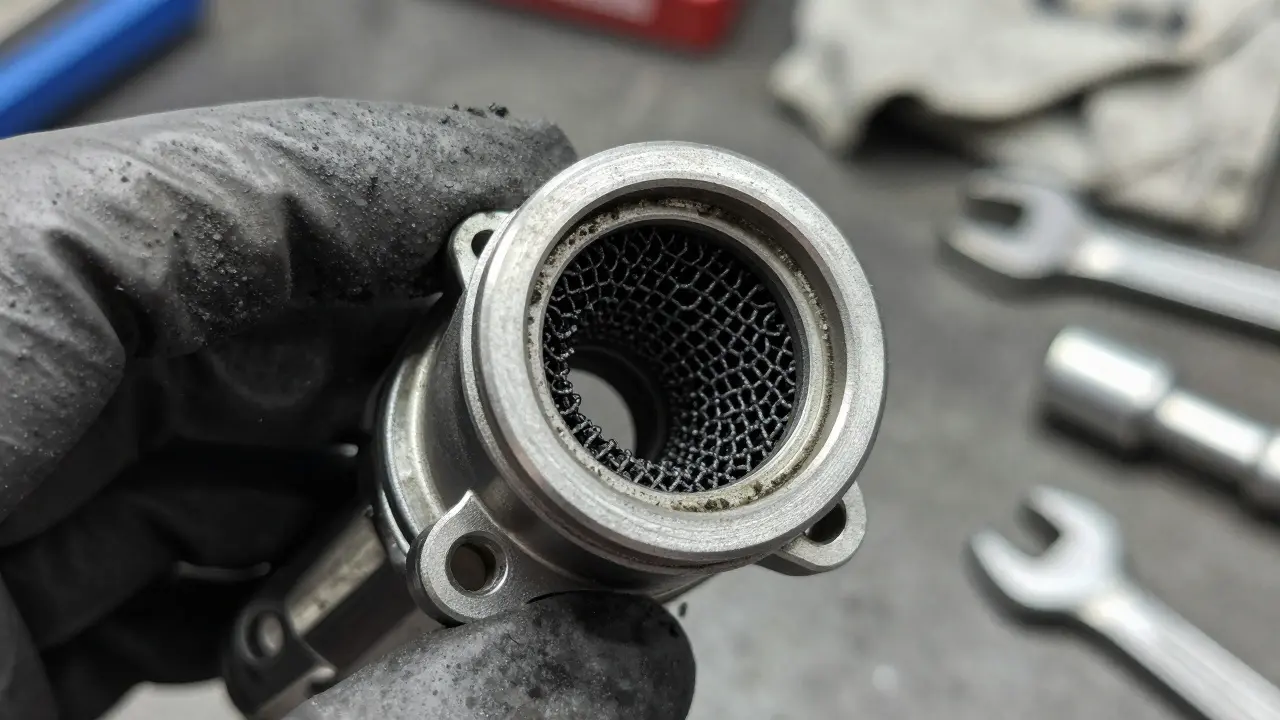
PCV Valve is a one-way valve that regulates the flow of crankcase vapors into the engine intake. Located typically on the valve cover or connected via a hose to the Intake Manifold, it ensures that pressure remains balanced. Over time, carbon deposits from exhaust gases can clog the internal screen or valve mechanism.If this pathway gets blocked, pressure builds up inside the crankcase. Imagine squeezing a balloon without letting the air out. Eventually, something has to give. In cars, this pressure forces oil past seals and gaskets, causing leaks. Worse, it pushes contaminated oil vapor into places it shouldn’t go, coating spark plugs and fouling ignition systems.
The system connects directly to the larger Emissions Control System. Modern vehicles rely on strict air-fuel ratios to pass tests and reduce pollution. A stuck PCV disrupts this balance. If the engine sucks in too much unmetered air or loses vacuum due to a breach, the computer adjusts fuel injection incorrectly. This leads to rich or lean conditions, triggering codes and reducing efficiency.
Recognizing the Warning Signs
Symptoms of a failing unit vary by vehicle type, but patterns emerge consistently across engines. The first sign is often a rough or unstable idle. You might feel the steering wheel vibrating slightly while parked at a traffic light. This happens because the airflow to the combustion chambers is fluctuating rapidly.
| Issue | Cause | Severity |
|---|---|---|
| Rough Idling | Restricted airflow creating vacuum leak | High |
| Oil Leaks | Excessive crankcase pressure forcing seals | Medium |
| Whistling Noise | Air rushing through restricted valve passage | Low |
| Sludge Accumulation | Lack of circulation allowing oil to thicken | High |
| Poor Fuel Economy | ECU compensating for air-fuel ratio errors | Medium |
Whistling noises from the engine bay are another giveaway. As air tries to force its way through the narrowed hole, it creates a distinct sound similar to blowing across a bottle top. Listen closely when the engine is cold versus hot. Sometimes the noise disappears as metals expand, which makes diagnosis trickier.
Oil consumption spikes significantly when the valve sticks open. This allows oil vapor to enter the intake excessively. You’ll find yourself topping up oil every few hundred miles. While normal engines consume small amounts, rapid loss indicates a breach in the ventilation path. Combined with smoke from the exhaust, usually bluish-white, this points directly to the ventilation system.
Finally, the Check Engine Light may illuminate. Diagnostic trouble codes (DTCs) like P0171 (System Too Lean) often appear. Mechanics sometimes overlook the PCV when chasing complex sensor faults. Checking this component costs pennies compared to replacing fuel injectors.
Maintenance and Inspection Steps
Checking the valve is surprisingly easy for a DIYer. Most modern cars use a simple twist-and-lock connection on the valve cover. Others route the valve internally through a hose. Before buying a replacement, verify if yours is accessible or hidden deep in the assembly.
Gather basic tools: a rag, gloves, and a socket set. Park the car on level ground. Disconnect the negative battery terminal as a safety precaution. Locate the valve, usually near the top rear of the engine block. Unplug the wire if it is electronic, or detach the hose clips for mechanical models.
- Remove the valve gently. Don't pull hard on hoses alone; use pliers for the clamps.
- Shake the valve firmly. You should hear a rattle inside. This metal ping confirms the spring moves freely.
- If it is silent, carbon buildup likely fused the internals. Replace immediately.
- Inspect the hose for cracks. Rubber degrades over time due to heat exposure.
For cars where the valve is integrated into the dipstick tube or oil cap, removal requires more effort. Clean the surrounding area thoroughly before opening. Dirt entering the crankcase causes abrasive wear. Wipe away grime, remove the cap, and inspect the mesh filter inside.
Replacement intervals vary. Manufacturers suggest changing it every 30,000 to 50,000 miles. However, stop-start driving in city traffic accelerates failure. In London or Bristol heavy traffic zones, checking annually is wiser. The part itself costs between £10 and £50 depending on the brand. Labour adds little cost if you do it yourself.
Impact on Other Emissions Components
Many owners treat symptoms in isolation, missing the bigger picture. A faulty PCV stresses other expensive parts. The Catalytic Converter is particularly vulnerable. Excess oil entering the combustion chamber raises temperatures beyond the converter's tolerance.
This overheating melts the honeycomb structure inside the converter. Once melted, the restriction prevents exhaust flow. Backpressure builds up, choking the engine. Repair bills skyrocket from £10 for a valve to hundreds for a converter. Prevention here is absolutely vital.
Oxygen sensors also suffer. These devices monitor exhaust composition to adjust fuel trim. Dirty oil vapor washes over the sensor tips, dulling their response. They send inaccurate data to the ECU, causing erratic shifting or stalling. Cleaning sensors rarely fixes contamination caused by prolonged PCV negligence.
Airflow meters measure incoming volume precisely. If the PCV system leaks vacuum or dumps air unpredictably, the Mass Air Flow (MAF) sensor reads higher or lower than actual intake. This throws off the air-fuel ratio calculation completely. Fixing the root cause restores proper readings without needing new sensors.
Determining When to Call a Pro
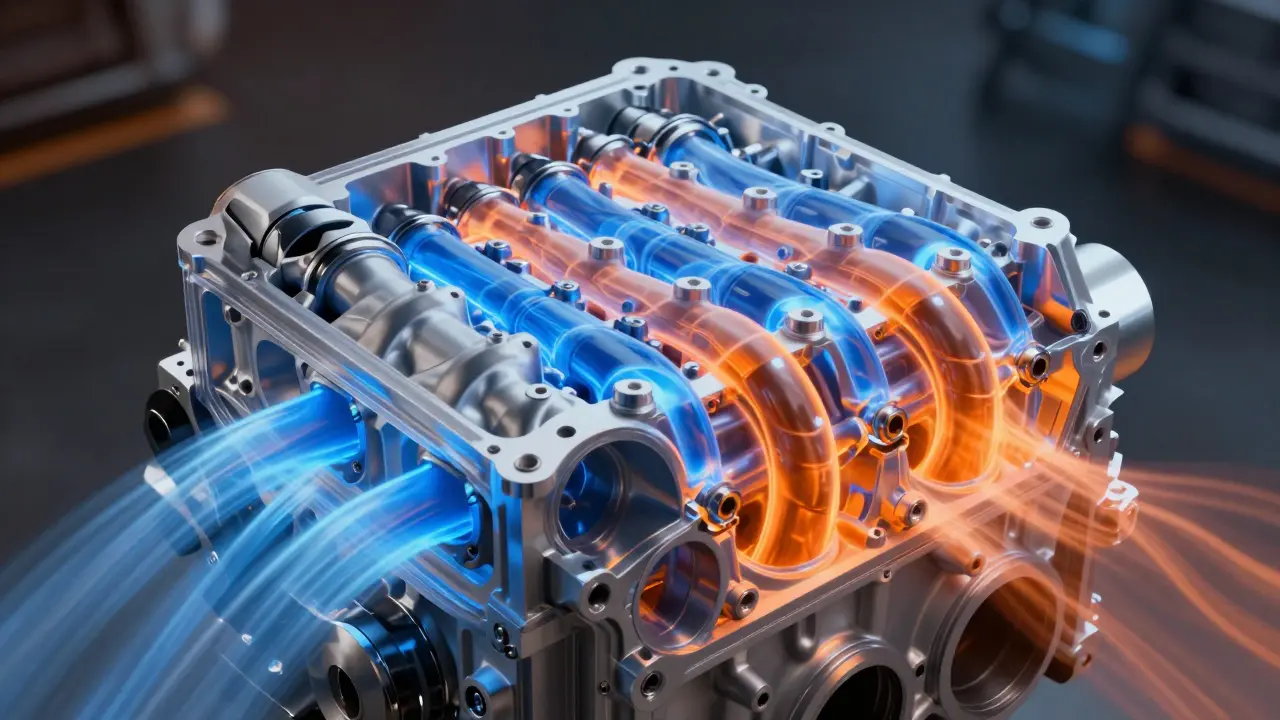
While most replacements are straightforward, complications arise on older European models. Some designs place the valve behind the airbox or turbo housing. Removing large plastic covers takes hours. If you lack torque wrenches or experience, professional help avoids stripped bolts.
Cost comparison varies wildly. Independent garages in the UK charge around £50-£100 labour inclusive of VAT. Main dealerships often triple that price for the same job. Given the simplicity, doing it at home is financially smart.
However, if your car exhibits severe misfires or runs rich even after valve replacement, scan for deeper issues. Piston ring wear might mimic these symptoms. A compression test determines if the engine block itself is worn. Don't ignore underlying mechanical fatigue thinking a cheap valve solves everything.
Frequently Asked Questions
Can I drive with a bad PCV valve?
Yes, but only for a short distance. Driving long-term risks oil leaks and damage to the catalytic converter due to improper combustion and excessive oil burning.
How often should I replace the PCV valve?
Generally every 30,000 to 50,000 miles. Check it during regular oil changes. If you do lots of stop-start driving, inspect it annually regardless of mileage.
Does cleaning the valve work?
Cleaning is temporary. Internal carbon buildup blocks the precise movement of the valve mechanism. Replacement is far more reliable and inexpensive than trying to restore an old part.
Can a bad PCV valve trigger a misfire code?
Yes. Excess oil entering the intake coats spark plugs and fouls ignition coils, leading to cylinder misfires which the computer records as fault codes.
Is it safe to buy aftermarket parts?
Only reputable brands. Cheap knock-offs often have incorrect calibration for your specific engine size, potentially worsening emissions or flow characteristics.
Comments
sonny dirgantara
i think this fixes the idle problem on my old truck
March 31, 2026 at 02:26
Andrew Nashaat
Many people ignore this small component entirely! That is a mistake waiting to happen! You risk blowing seals immediately! The oil consumption will spike rapidly then! Your check engine light will stay illuminated forever! Mechanics will try to sell you sensors! Those sensors are innocent parties here! The root cause is always pressure regulation! You must shake the valve correctly! A rattle indicates health perfectly! Silence means carbon fusion occurred inside! This requires a fresh part instantly! Cost is negligible compared to labor fees! Prevention beats replacement every single time! Drive safe and maintain your vehicle religiously!!!
April 1, 2026 at 21:43
Gina Grub
The crankcase pressure dynamics are fascinating yet terrifying when ignored by the masses who refuse to maintain their machines properly which leads to total engine failure catastrophe! Vacuum leakages create rich air fuel ratios causing catastrophic combustion efficiency drops!
April 2, 2026 at 16:15
Nathan Jimerson
It is really good to see people learning how to save their engines instead of throwing away the whole thing
Maintenance keeps the ride reliable and safe for years ahead
You should feel proud to learn about your car systems
April 2, 2026 at 20:27
Eric Etienne
meh most people dont care till its broke anyway
just buy new car
April 3, 2026 at 11:07
Amanda Ablan
You can definitely save money doing this yourself if you have tools
A simple valve swap takes minutes
It helps keep the environment cleaner too
April 5, 2026 at 05:00
Meredith Howard
Regarding the emissions control system it is imperative to note that neglect yields severe consequences for vehicle longevity
Oil sludge accumulation blocks essential ventilation pathways over time
April 6, 2026 at 22:09
Yashwanth Gouravajjula
Maintenance is culture in India we do this early
April 8, 2026 at 01:34
Kevin Hagerty
another article telling us to save money while gas cost 5 bucks lol
typo error
April 9, 2026 at 09:01
Janiss McCamish
Check the hoses often
They crack
Do not wait for smoke
April 9, 2026 at 10:52
Sandy Pan
The machine breathes like us
We neglect it until it screams
There is poetry in mechanical decay if one watches closely
Respect the engineering beneath the hood
April 10, 2026 at 16:28
Dylan Rodriquez
Do not ignore the warning signs
Safety is priority
Regular inspection prevents future headaches
We want everyone driving safely today
April 12, 2026 at 09:18
Richard H
American engineering needs this kind of upkeep
Domestic parts are built to last if cared for properly
Foreign cars are trash
April 13, 2026 at 03:43