
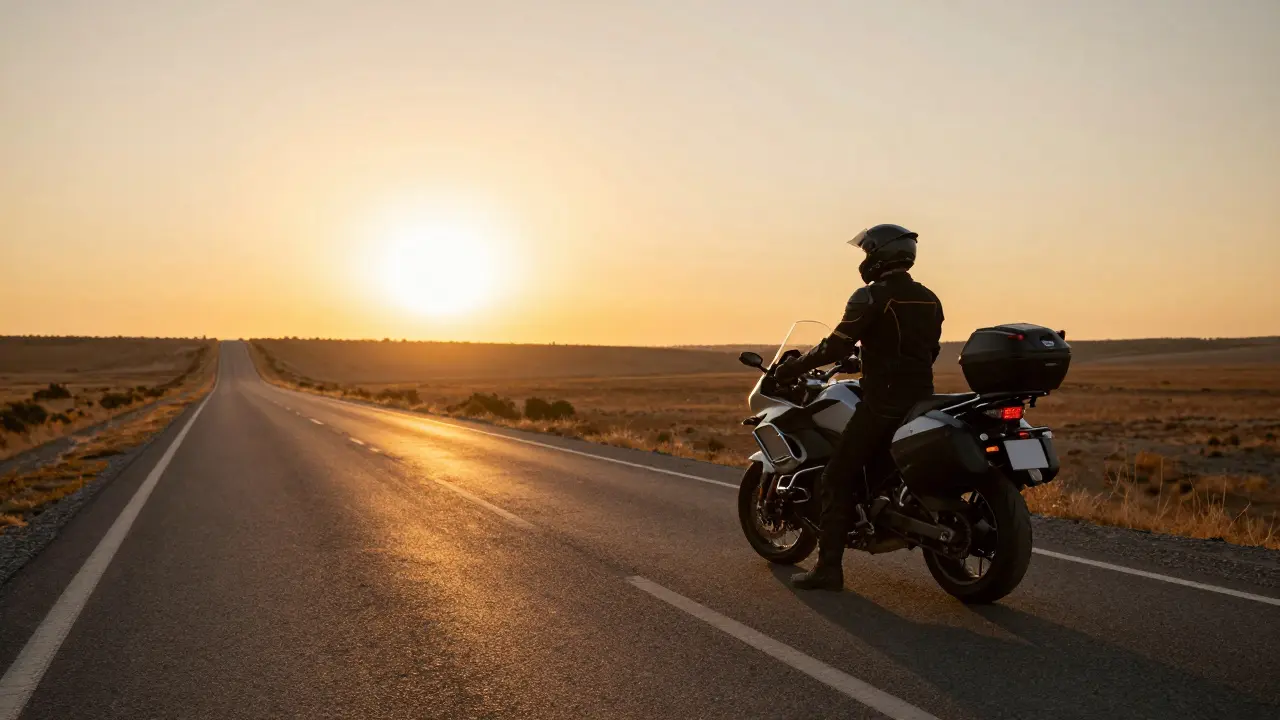
Imagine standing at the edge of a vast highway, the engine humming beneath you, with thousands of miles of open road stretching ahead. It’s the dream that keeps many of us in this hobby alive. But let’s be honest: without a solid plan, that dream can quickly turn into a nightmare of breakdowns, missed reservations, and exhaustion. I’ve learned this the hard way on trips across Europe and the UK. The difference between a legendary adventure and a logistical disaster isn’t luck; it’s preparation.
Planning a cross-country motorcycle road trip is less about picking a destination and more about managing risk and comfort over an extended period. Whether you’re looking to tackle the Pacific Coast Highway or just a long weekend ride through the countryside, the principles remain the same. You need a timeline that respects your stamina, a checklist that covers every bolt and button, and a mindset ready for the unexpected.
The Pre-Trip Inspection: Don’t Skip the Basics
Before you even look at a map, you need to trust your machine. A breakdown in a remote area is not just an inconvenience; it’s a safety hazard. Most riders know they should check their tires, but how many actually measure the tread depth with a gauge? For a long-distance trip, your tires are your only connection to the road. If they are older than three years, replace them, regardless of tread depth. Rubber degrades over time, losing its grip and structural integrity.
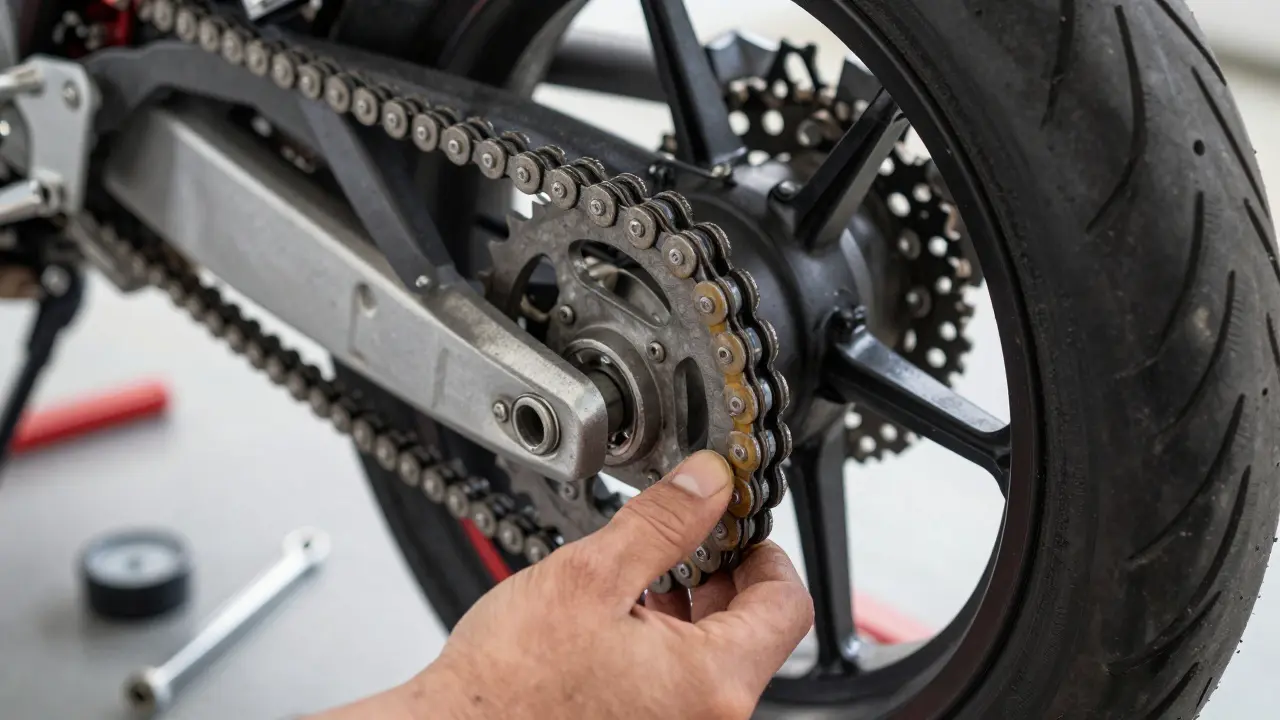
Next, look at your chain and sprockets. A dry, rusty chain will snap under load, potentially causing severe injury. Clean it, lubricate it, and check the tension according to your manufacturer’s manual. While you’re down there, inspect your brake pads and discs. Long descents on mountain passes generate immense heat. Worn brakes might stop you in town, but they could fade dangerously on a steep grade. Replace them if they are below half their thickness.
Don’t forget the fluids. Check your oil level, coolant, and brake fluid. Top up where necessary, but if you see any leaks around seals or hoses, fix them now. A small leak can become a catastrophic failure after hours of vibration and heat. Finally, test all lights-headlight, taillight, indicators, and brake light. Visibility saves lives, especially when you’re tired and riding late in the day.
Packing Smart: Less Is More
One of the biggest mistakes new long-distance riders make is overpacking. Your motorcycle has limited space, and extra weight affects handling, fuel economy, and braking distance. Think about what you truly need versus what you think you might want. The goal is to pack for survival and comfort, not for a luxury hotel stay.
Start with your gear. You need a high-quality helmet, armored jacket and pants, gloves, and boots. These aren’t optional; they are your primary defense against injury. Choose clothing designed for touring, which often includes ventilation and waterproofing. If you’re carrying luggage, use soft panniers or a tank bag rather than rigid cases if possible. Soft bags are lighter, easier to remove, and less likely to damage your bike or other vehicles in a minor collision.
What goes inside? Stick to the essentials:
- Repair Kit: Includes tire plugs, a multi-tool, duct tape, and zip ties.
- First Aid Kit: Bandages, antiseptic wipes, painkillers, and any personal medication.
- Weather Gear: A lightweight rain suit and thermal layers for cold mornings.
- Electronics: Phone charger, power bank, and a GPS device or phone mount.
- Hydration: At least two water bottles. Dehydration leads to fatigue faster than you think.
Leave the heavy books, multiple pairs of shoes, and unnecessary gadgets at home. If you can’t carry it easily off the bike, you probably don’t need it. Remember, you’ll be stopping frequently. You can buy food, water, and souvenirs along the way. Travel light, move fast, and enjoy the ride.
Route Planning: Balancing Scenery and Stamina
How far can you realistically ride in a day? For most riders, the sweet spot is between 150 and 250 miles (240-400 km). Anything more than that starts to take a toll on your body. Riding is physically demanding. You’re constantly gripping handlebars, bracing against wind buffeting, and focusing intensely. Fatigue sets in quietly, leading to slower reaction times and poor decision-making.
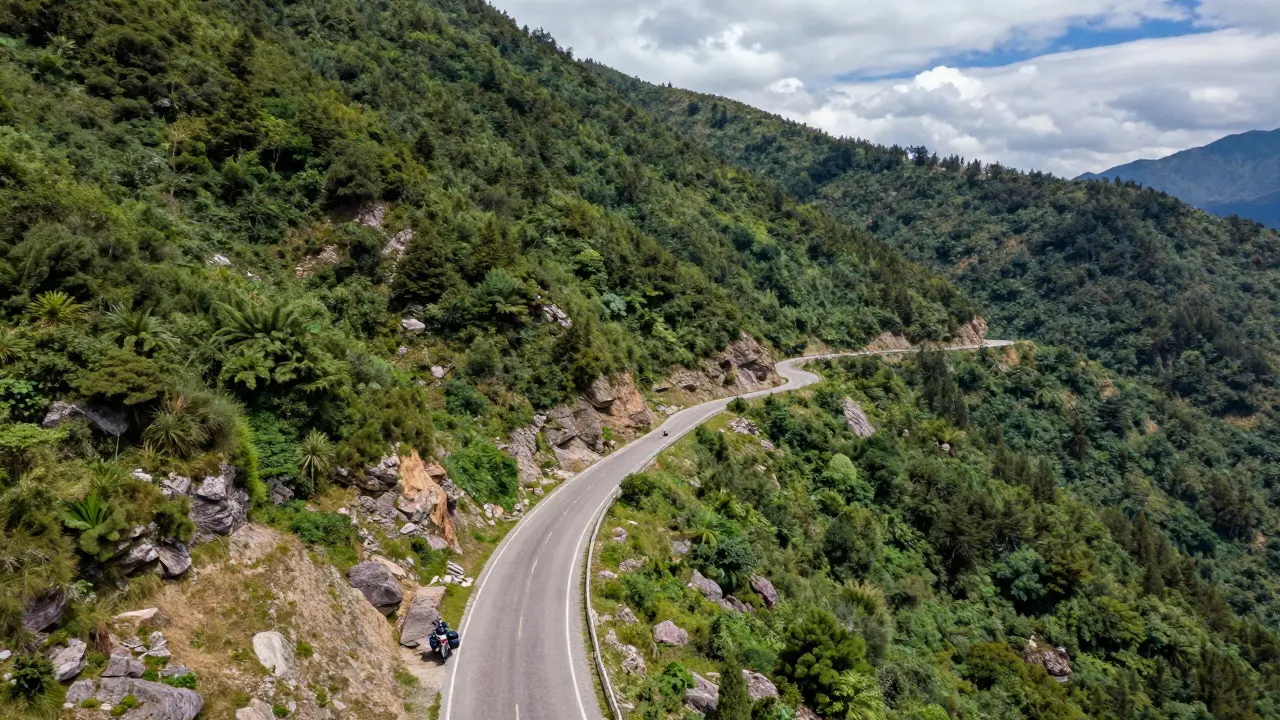
When planning your route, prioritize variety. Mix highways with scenic backroads. Highways get you from point A to B quickly, but they can be monotonous and dangerous due to high speeds. Backroads offer better scenery and lower speeds, but they may have poorer road conditions, gravel, or wildlife crossings. Use mapping apps like Google Maps or specialized motorcycle routing tools like RideWithGPS. These tools allow you to avoid tolls, highways, or unpaved roads based on your preference.
Identify your overnight stops early. In popular tourist areas, accommodations fill up weeks in advance. Book your hotels or campsites as soon as your dates are set. Look for places with secure parking. A well-lit, enclosed garage is ideal, but a busy motel parking lot is better than a dark alley. If you’re camping, choose established campgrounds with hookups if possible, so you can recharge your electronics and wash up.
Also, plan for rest breaks. Schedule a stop every two hours. Use this time to stretch your legs, hydrate, and refuel. This prevents stiffness and keeps your mind alert. Treat these breaks as mandatory, not optional. Your body will thank you later.
The Essential Timeline: When to Do What
Effective planning happens in phases. Trying to do everything last minute leads to stress and oversights. Here’s a realistic timeline for preparing your first major trip:
| Time Before Trip | Action Items |
|---|---|
| 3 Months Out | Research routes, book major accommodations, schedule bike service. |
| 2 Months Out | Buy new gear if needed, order spare parts, check passport/visa requirements if international. |
| 1 Month Out | Perform detailed pre-trip inspection, test-pack luggage, finalize daily itinerary. |
| 1 Week Out | Check weather forecasts, confirm bookings, download offline maps, notify family of plans. |
| Day Before | Fuel up, charge devices, lay out gear, sleep early. |
This structure ensures you’re not scrambling at the last minute. It gives you time to address issues, like finding a replacement part or rebooking a hotel if one cancels. It also allows you to mentally prepare for the journey ahead.
Safety and Communication: Staying Connected
Riding alone offers freedom, but it also means you’re responsible for your own safety. Always share your itinerary with someone trusted. Tell them where you’re going, when you expect to arrive, and check in regularly. Many riders use Bluetooth communicators or smartphones with tracking apps to share their location in real-time.
Carry emergency cash. Card readers fail, especially in rural areas or during power outages. Having $100-$200 in small bills can cover a meal, a night’s lodging, or a tow truck if your card doesn’t work. Also, keep a physical copy of important documents: driver’s license, registration, insurance card, and emergency contacts. Store them in a waterproof bag separate from your main wallet.
Be aware of your surroundings. Traffic laws vary by region. In some countries, lane splitting is illegal; in others, it’s common practice. Adjust your riding style accordingly. Always wear bright colors or reflective gear to increase visibility. And never ride impaired-alcohol, drugs, or even certain medications can affect your balance and judgment. If you feel tired, pull over. No destination is worth a crash.
Handling the Unexpected: Breakdowns and Bad Weather
Despite your best efforts, things will go wrong. Tires puncture, chains slip, and storms roll in unexpectedly. The key is to stay calm and prepared. Your repair kit should handle minor issues. Learn how to plug a tubeless tire before you leave home. Practice removing your fairings or seat to access electrical components. Knowledge is your best tool.
If you face a major mechanical failure, call for help. Many credit cards and motorcycle clubs offer roadside assistance. Know your membership number and policy details before you need them. If you’re in a remote area with no cell service, consider carrying a satellite messenger device. These small gadgets can send SOS signals and text messages via satellite, ensuring you can reach help even without cellular coverage.
Bad weather requires patience. If rain turns roads into slick hazards, wait it out. Find a café, a hotel, or a sheltered spot. Don’t push through thunderstorms or heavy downpours. The risk of hydroplaning or reduced visibility is too high. Similarly, extreme heat can cause asphalt to soften and tires to overheat. Ride during cooler morning or evening hours if temperatures soar.
How much does a cross-country motorcycle trip cost?
Costs vary widely based on duration and lifestyle. A budget trip might cost $50-$100 per day for camping and cheap meals, while a comfortable trip with hotels and restaurants can run $150-$300+ daily. Factor in fuel ($0.15-$0.25 per mile), maintenance reserves ($200-$500), and gear purchases upfront.
Is it safe to ride alone on long distances?
Yes, provided you take precautions. Share your route, carry emergency supplies, and stay aware of your surroundings. Many riders prefer solo travel for flexibility, but group rides offer mutual support. Never ride beyond your skill level or physical limits.
What type of motorcycle is best for touring?
Touring bikes (Gold Wing, Pan America) offer comfort and storage. Adventure bikes (Africa Twin, Versys) handle varied terrain. Sport-touring models (Ninja 1000SX) blend performance with practicality. Choose based on your priorities: comfort, versatility, or speed.
Do I need special insurance for a road trip?
Standard policies usually cover domestic trips. For international travel, verify coverage limits and exclusions. Consider adding roadside assistance and rental reimbursement. Always carry proof of insurance digitally and physically.
How do I prevent theft during overnight stops?
Use a heavy-duty disc lock and cable lock. Park in well-lit, visible areas. Remove valuables like phones and wallets. Some riders use GPS trackers hidden on the bike. Hotel garages or secured campgrounds reduce risk significantly.