
The Core Components: What's Usually Covered
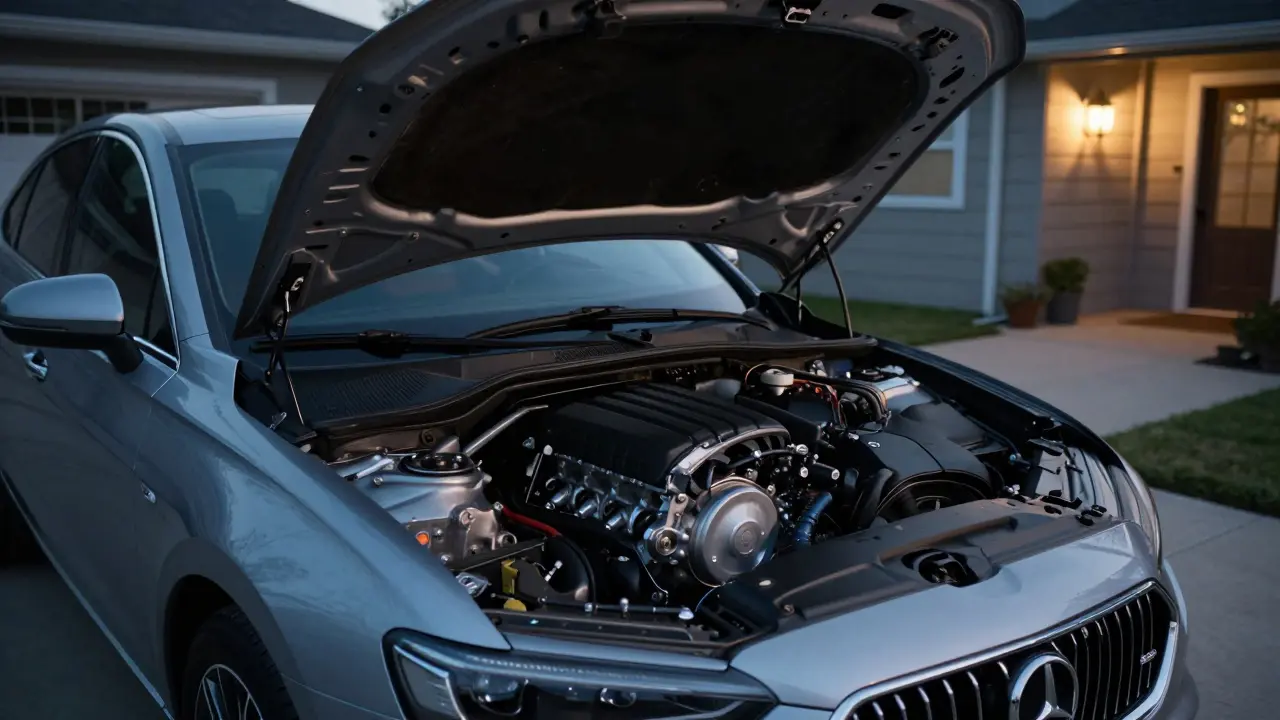
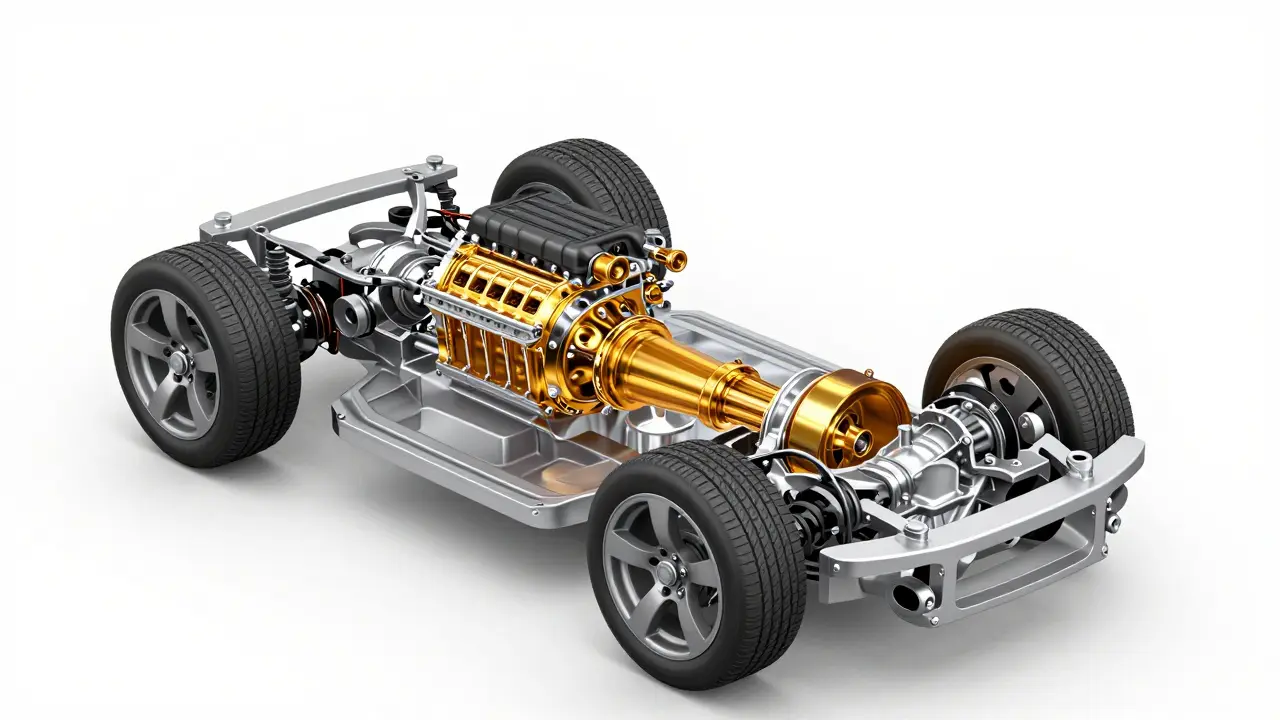
When you see the word "powertrain," think of everything that makes the car move. It's not about the radio or the power windows; it's about the mechanical force. If a part is responsible for creating torque and sending it to the road, it's likely on the list.The most obvious inclusion is the Engine. This includes the cylinder block, pistons, crankshaft, and the oil pump. If a valve fails due to a manufacturing defect, the warranty kicks in. However, it's not just the engine. The Transmission is equally critical. Whether you have a traditional automatic, a CVT, or a manual gearbox, the internal gears and clutches are covered. If the car stops shifting gears because of an internal failure, you're usually safe.
Then there's the drivetrain. For front-wheel drive cars, this means the axles. For all-wheel drive or 4x4 vehicles, it includes the Transfer Case and the Differentials. These are the components that split the power between the front and rear wheels. If the gears inside the differential strip, that's a textbook powertrain claim.
| Component | Generally Covered? | The "Catch" / Reason for Denial |
|---|---|---|
| Engine Block | Yes | Not covered if caused by overheating/neglect |
| Transmission Gears | Yes | Exclusions for "normal wear and tear" on some clutches |
| Brake Pads | No | These are wear items, not powertrain components |
| Alternator | Usually No | Often considered electrical, not mechanical powertrain |
| Drive Axles | Yes | Not covered if damaged by off-roading accidents |
| Spark Plugs | No | Consumable maintenance items |
The Danger Zone: What's Not Covered
This is where most arguments happen at the dealership service desk. Just because a part is *attached* to the engine doesn't mean it's part of the powertrain warranty. The biggest mistake people make is assuming "engine-related" equals "covered."First, let's talk about wear-and-tear items. These are parts designed to erode over time. Brake pads, belts, hoses, and spark plugs are out. If your serpentine belt snaps, that's on you, not the manufacturer. Even though the belt helps the engine run, it's a consumable part. You wouldn't expect a warranty to pay for your oil changes, and the same logic applies here.
Then there's the "accessory" problem. Consider the Alternator or the Starter Motor. While they are bolted to the engine, they are electrical components. In many contracts, these fall under the "limited warranty" (the bumper-to-bumper part) rather than the powertrain warranty. Once that 3-year/36,000-mile window closes, these parts are often uncovered, even if the engine itself is still under powertrain protection.
Environmental factors and neglect are also massive red flags. If you ignore your oil changes and the engine seizes, the manufacturer will check the oil dipstick. If the oil is like sludge or the level is bone-dry, they'll deny the claim based on lack of maintenance. A warranty is a guarantee against defects, not a shield against neglect.
The Fine Print: How Manufacturers Deny Claims
If you've ever tried to claim a repair, you know that dealerships love to find a loophole. The most common one is "External Influence." If you hit a rock while off-roading and bend a CV axle, the manufacturer will argue the failure wasn't due to a defect, but due to an accident. Powertrain warranties cover internal failures, not external trauma.Another tricky area is modifications. If you install a high-flow intake, a tune-chip to increase horsepower, or a lift kit, you might be voiding your powertrain warranty. The legal standard (like the Magnuson-Moss Warranty Act in the US) says the manufacturer must prove the modification caused the failure. However, in the real world, if you've pushed 600 horsepower through a stock transmission using a custom tune, they will likely find a way to blame the tune for the gear failure.
Then there's the "Limited" in Limited Warranty. Some brands exclude specific components like the clutch in a manual transmission, arguing that the driver's shifting habits cause the wear, not a factory flaw. If you burn out your clutch in a year, don't expect a free replacement.
Maintaining Your Coverage: A Practical Strategy
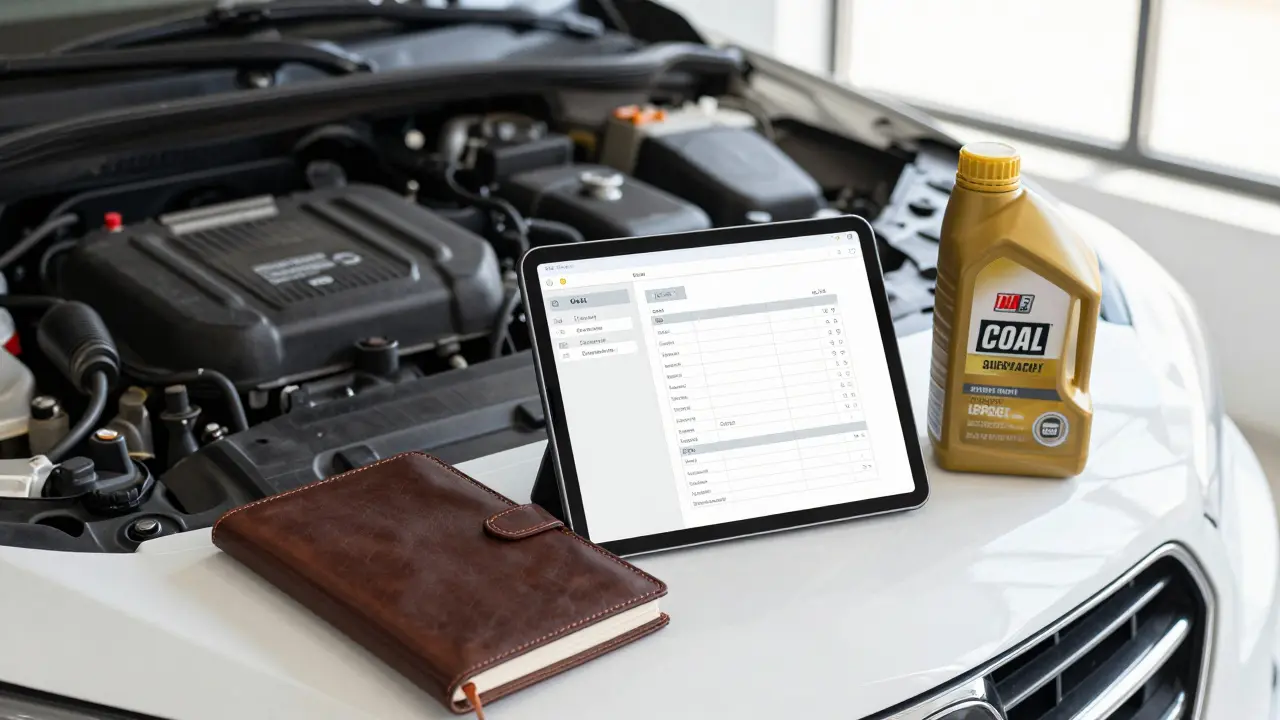
To ensure your powertrain warranty actually pays out when you need it, you need a paper trail. The manufacturer doesn't trust your word; they trust receipts. If you do your own oil changes to save money, you must keep every receipt for the oil and filters, and log the date and mileage in a notebook.A pro tip: always stick to the OEM (Original Equipment Manufacturer) specifications. If the manual says use a specific synthetic oil and you use a cheap conventional blend, you're giving the dealership a reason to deny a claim. Using non-approved fluids is one of the fastest ways to lose your coverage.
Keep an eye on your Warning Lights. If your "Check Engine" light comes on and you keep driving for three months before taking it in, the manufacturer can argue that a small, covered problem turned into a catastrophic, uncovered failure because you ignored the warning. Addressing issues the moment they appear is the best way to protect your investment.
Choosing Between Factory and Extended Warranties
Many people are tempted by the "Extended Warranty" offered at the time of purchase. In reality, these are often Service Contracts, not warranties. A factory warranty is a promise from the maker; a service contract is an insurance policy, often sold by a third party.If you plan to keep your car for a decade, extending your powertrain coverage makes sense. Engines and transmissions are the two things that can possibly bankrupt a car owner. However, if you trade in your car every three years, paying for an extension is a waste of money-you'll be covered by the factory terms for the entire time you own the vehicle.
When shopping for extensions, check for "exclusionary" lists. The best ones list only what isn't covered. If the contract lists 50 things that are covered, it means anything not on that list is your responsibility. You want the opposite: a contract that says "everything is covered except these 10 items."
Does a powertrain warranty cover the clutch?
It depends on the manufacturer, but usually, no. Most brands consider the clutch a wear-and-tear item, similar to brake pads. If the clutch fails due to driver error or normal use, it's typically not covered, although a mechanical failure of the pressure plate might be.
Can I void my warranty by using a different brand of oil?
Not necessarily, but you must use oil that meets the manufacturer's specifications (e.g., synthetic 5W-30). If you use an oil that doesn't meet the required standard and it causes engine damage, they can deny your claim. Always keep your receipts to prove the oil you used was appropriate.
What is the difference between bumper-to-bumper and powertrain?
Bumper-to-bumper covers almost everything-electronics, trim, AC, and engine. Powertrain only covers the parts that move the car (engine, transmission, axles). Bumper-to-bumper is short (usually 3 years), while powertrain is long (usually 5-10 years).
Is the radiator covered under powertrain?
Generally, no. The radiator is part of the cooling system, not the power-generating system. While a radiator failure can destroy your engine (which is covered), the cost of replacing the radiator itself is usually not part of the powertrain warranty.
Does the warranty transfer to a second owner?
In most cases, yes. Factory powertrain warranties typically stay with the vehicle, regardless of how many times it has been sold. However, some "extended」 service contracts may require a transfer fee or a specific process to move the coverage to a new owner.
Next Steps for Car Owners
If you're currently under warranty, start a digital folder for your car. Scan every single oil change and service receipt. If you're approaching the end of your factory coverage, take the car to a trusted mechanic for a "health check" on the transmission and engine. It's better to find a slow leak or a worn belt while the manufacturer is still paying for it than to find it one month after the warranty expires.For those looking at used cars, always ask for the VIN and run a report to see if the car has any history of major powertrain work. If a car had its transmission replaced at 40,000 miles, it might be a sign of a lemon, or it might mean you have a "fresh" transmission that will last you another 100,000 miles.
Comments
Michael Thomas
Most people can't read a manual. Keep your receipts or get crushed.
April 11, 2026 at 20:49
Jen Kay
Oh, absolutely. Because dealerships are just famous for their generosity and totally wouldn't jump at the chance to void your warranty over a slightly off-brand oil filter.
It is simply heartwarming how they treat customers like children who can't be trusted with a dipstick.
April 13, 2026 at 11:37
Karl Fisher
I must say, it's simply quaint that some people still struggle with these basic concepts. In my circle, we usually just lease high-end European models and let the concierge handle the bureaucracy. It really saves one from the vulgarity of arguing with a service advisor in a greasy jumpsuit, doesn't it? Just imagine the stress of actually tracking your own oil receipts in a notebook like some sort of 1950s accountant. Simply ghastly, yet I suppose it's a necessary evil for the average driver.
April 15, 2026 at 08:01
Buddy Faith
dealerships are literally just fronting for the oil companies to make you buy expensive synthetic garbage so they can track your driving habits through the sensors anyway man it is all a scam to make you buy a new car every 4 years and they probably have a secret list of who does their own oil changes to target them for audits its wild
April 16, 2026 at 18:03
Abert Canada
The a-hole at my local shop tried to tell me a leaky gasket wasn't covered because I drove through a puddle once. Absolute joke. You gotta fight these guys or they'll walk all over you.
April 17, 2026 at 21:06
Xavier Lévesque
Yeah, right. Because the 'fine print' is definitely there to help the consumer. I'm sure the lawyers who wrote these contracts are just overflowing with empathy for the guy with the broken transmission.
April 19, 2026 at 20:41
Thabo mangena
It is truly commendable to see such a detailed guide provided for the benefit of the community. Maintaining a meticulous record of one's vehicle service history is indeed the most prudent course of action to ensure peace of mind. I believe this proactive approach will save many individuals from unforeseen financial burdens.
April 20, 2026 at 18:14
Scott Perlman
thanks for this its really helpful and i will start saving my papers now
April 21, 2026 at 13:21