

When you’re ready to trade in your car, the first thing dealerships look at isn’t the mileage or the year-it’s the condition. A car that looks clean on the outside might still hide scratches, stains, or mechanical issues that slash its value. But here’s the truth: a simple pre-trade-in inspection and professional detailing can bump your offer by hundreds, sometimes over a thousand pounds. It’s not magic. It’s just smart prep.
Why Your Car’s Appearance Matters More Than You Think
Dealers don’t buy cars to keep them in their lot. They buy them to flip them fast. That means they’re looking at resale potential, not nostalgia. A faded paint job, cracked leather, or a sticky gear shift doesn’t just look bad-it signals neglect. Buyers assume if the owner didn’t care about appearance, they probably didn’t care about maintenance either.
That’s why a 2022 Ford Focus with 45,000 miles and a full service history might get £12,500 if it’s spotless. But the exact same car with a dent on the driver’s door and coffee stains on the seats? £10,200. The difference isn’t the engine. It’s the details.
What a Pre-Trade-In Inspection Really Covers
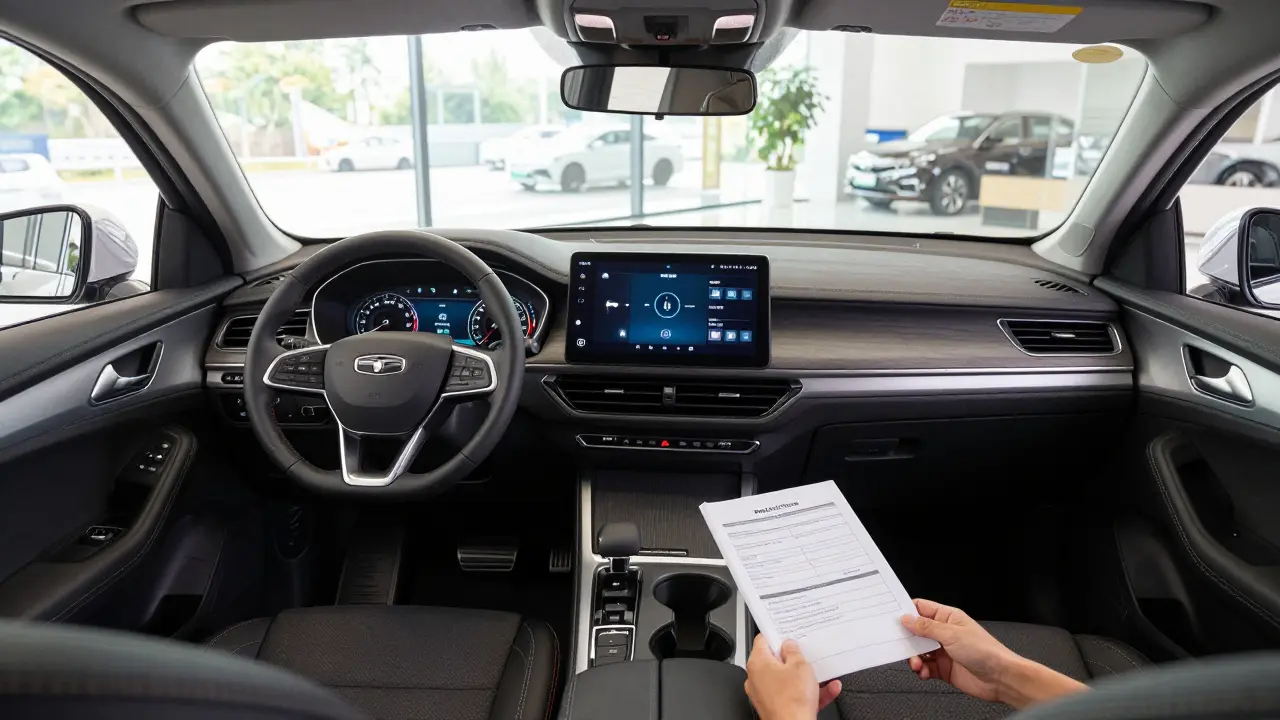
A professional inspection isn’t just a quick walk-around. It’s a 30-point check that uncovers hidden problems dealers use to lowball you. Here’s what it includes:
- Bodywork: Scratches, dents, rust spots-especially around wheel arches and door edges
- Tires: Tread depth, uneven wear, sidewall cracks
- Interior: Stains, burns, worn seat fabric, cracked dashboards
- Electronics: Touchscreen responsiveness, Bluetooth pairing, climate control
- Mechanical: Brake pad thickness, fluid leaks, suspension noise, exhaust condition
- Documentation: Service book entries, MOT history, original keys
Most people skip this. They think, “It drives fine.” But dealers have diagnostic tools that spot things you can’t. A faulty oxygen sensor might not trigger a warning light, but it’ll show up on their scan. And they’ll deduct £300 for it-no questions asked.
Professional Detailing: The £200 That Can Save £800
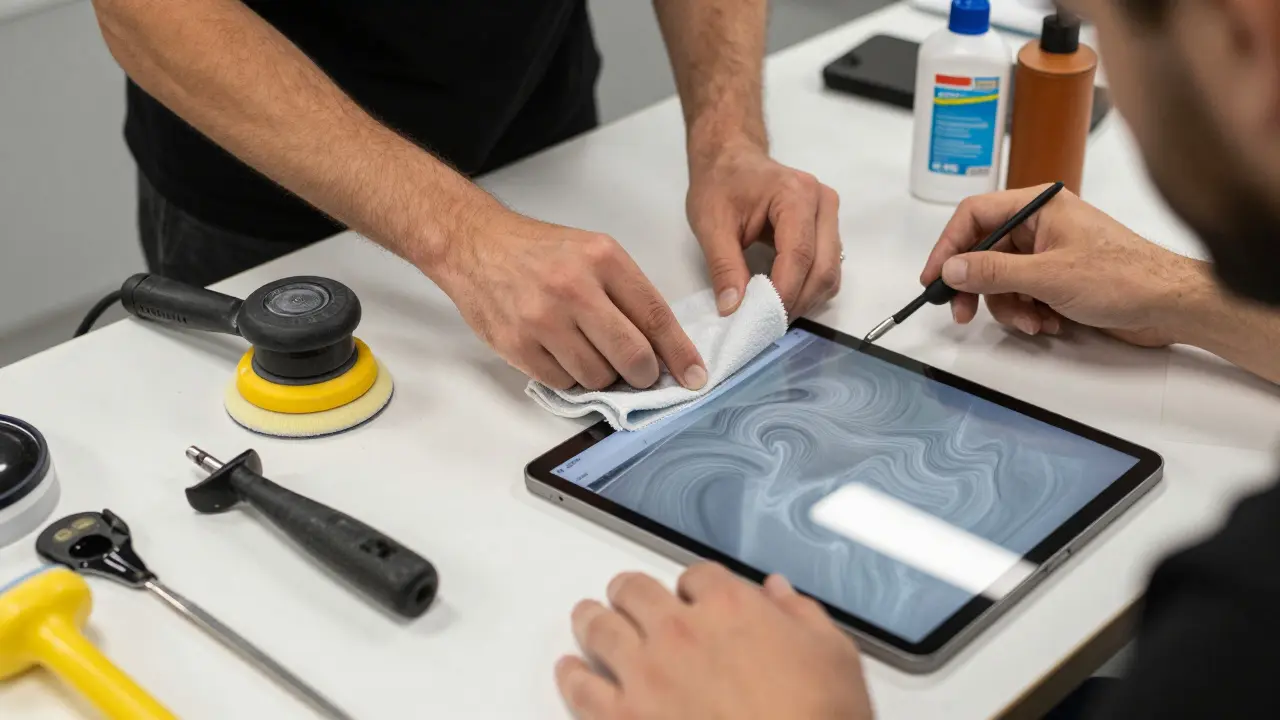
Detailing isn’t a wash. It’s restoration. A basic valet removes surface dirt. A professional detailing brings your car back to near-showroom condition. Here’s what it actually does:
- Paint correction: Removes swirl marks and light scratches with compound and polish
- Clay bar treatment: Pulls out embedded contaminants like tree sap or brake dust
- Interior deep clean: Steam-cleans upholstery, removes odors, conditions leather
- Wheel and tire restoration: Cleans brake residue, restores rim finish
- Glass and trim treatment: Eliminates haze on windows and restores plastic trim
In Bristol, a full detailing runs £180-£250. Sounds expensive? Consider this: a 2023 Toyota Corolla with a professional detail sold for £2,100 more than the identical model next door that was just washed. That’s a 15% increase in value. The detail cost £220. The gain? £2,100.
Common Mistakes That Kill Your Trade-In Value
People think they’re helping by doing things themselves. They’re not.
Using cheap car washes: Those automated brushes scratch paint. You don’t notice until you’re under the dealership’s bright lights.
Ignoring the trunk: Dealers check it. Empty it. Clean it. A cluttered trunk screams “this car was used as storage.”
Trying to fix scratches with touch-up paint: Most DIY kits look worse than the original scratch. Dealers see it as amateur repair-not a fix.
Leaving personal items: Old receipts, gym bags, kids’ toys. It makes the car feel lived-in, not cared-for.
Skipping the service book: If you can’t show proof of regular oil changes, they assume neglect. Even if you did the work yourself, they won’t believe you without receipts.
How to Get the Best Offer: The Step-by-Step Plan
Here’s what to do in the 10 days before you trade in:
- Day 1-2: Pull out every personal item. Clean the trunk, glovebox, and door pockets.
- Day 3: Book a pre-trade-in inspection. Most garages offer this for under £50. Get a written report.
- Day 4-5: Book professional detailing. Don’t go to a chain. Look for a local detailer with 5-star reviews.
- Day 6: Print your service history. If you’re missing receipts, call your mechanic-they can email a log.
- Day 7: Wash the car yourself with a microfiber cloth and pH-neutral soap. No pressure washer.
- Day 8: Check tire pressure. Inflate to manufacturer specs. Replace one worn tire if it’s below 3mm tread.
- Day 9: Test all lights, wipers, and electronics. Fix any that don’t work.
- Day 10: Go in with your report, your clean car, and your service history. Don’t negotiate until they give you a written offer.
What Dealers Won’t Tell You
Dealers make money on reconditioning. They’ll pay less upfront if they think they’ll make it back by fixing the car themselves. A $500 repair job for them is a $2,000 profit after resale. So they’ll try to lowball you on anything that looks like it needs work.
But if you show up with a clean, inspected, detailed car-and proof you maintained it-they can’t justify a low offer. You’ve removed their leverage.
One Bristol dealership told me (off the record) that cars with professional detailing sell 30% faster. That means less time in stock. Less holding cost. More profit. They’d rather pay you £1,000 extra than keep your car for three weeks.
When Not to Detail
There are exceptions. If your car has major structural damage-a bent frame, flood damage, or engine failure-detailing won’t help. In fact, it might raise red flags. If you’re trading in a car that’s been in an accident, get a professional assessment first. Sometimes it’s better to fix the big issue than polish the surface.
Same goes for cars over 10 years old with 150,000+ miles. The market for older vehicles is thinner. Detailing might not move the needle. Focus instead on ensuring the engine runs smoothly and the MOT is current.
Final Thought: It’s Not About Perfection
You don’t need a concours-level shine. You just need to prove you cared. A car that looks well-maintained tells the dealer: this owner didn’t cut corners. And that makes them feel confident paying more.
That’s the real benefit. Not the shine. Not the smell. It’s the trust.
How much does a pre-trade-in inspection cost?
Most independent garages charge between £30 and £60 for a full pre-trade-in inspection. Some dealerships offer it for free if you’re trading in with them-but the report won’t be as thorough. For the best value, go to an independent mechanic with experience in vehicle valuation.
Is professional detailing worth it for older cars?
It depends. If your car is under 8 years old and under 100,000 miles, yes-it can add £500-£1,500 to your offer. For cars over 10 years or with 150,000+ miles, the return drops. Focus on fixing mechanical issues instead. A clean interior and fresh smell still help, but don’t spend over £150 on detailing.
Can I do the detailing myself to save money?
You can clean the interior and wash the exterior, but don’t expect professional results. Paint correction, clay barring, and steam cleaning require tools and techniques most people don’t have. DIY kits often leave swirls or streaks. Dealers notice. A poorly done job can hurt your value more than no detail at all.
Do I need to clean the engine bay?
No. Dealers don’t care about a clean engine bay unless there’s a leak or corrosion. A little grease or dust won’t affect your offer. In fact, over-cleaning can damage wiring or sensors. Leave it alone unless you see oil dripping.
What if my car has minor dents?
Small dents under 2 inches that don’t affect paint can be left alone. If they’re in a visible spot like the door or fender, get them repaired with paintless dent repair (PDR). It costs £80-£150 per dent and is invisible. A dealer will deduct £200-£400 for the same damage if you don’t fix it.
Comments
Lissa Veldhuis
I swear to god if one more person tries to sell me a 'detailing miracle' I'm gonna scream. My cousin took his 2018 Civic in for 'professional detailing' and came out with a $300 bill and a scratched dashboard because they used some 'eco-friendly' cleaner that ate the plastic. Dealers don't care about shine. They care about whether the airbag light is on. And guess what? No amount of wax fixes a broken sensor. Stop selling fairy tales.
February 20, 2026 at 03:08
David Smith
You people are ridiculous. You think a $200 detail is going to magically turn your 2015 Corolla into a luxury car? Newsflash: dealers have seen a thousand of these. They know when you're trying to mask a transmission that whines. They know when your 'clean' interior still smells like stale fries and dog hair. You're not fooling anyone. Just be honest. If your car's a mess, it's a mess. Don't waste your money on glitter.
February 21, 2026 at 15:48
Michael Jones
It's not about the shine it's about the story you tell
Every dent every stain every sticky button is a chapter in the car's life
When you walk in with a clean car you're not selling a vehicle
You're selling peace of mind
That's why they pay more
Not because it looks better
But because they don't have to imagine the worst
And that's worth more than any polish
February 23, 2026 at 03:40
allison berroteran
I really appreciate how this post breaks down the psychology behind trade-in value. It's not just about mechanical condition-it's about perception, trust, and narrative. When a dealer sees a car with a full service history, clean interior, and no visible damage, they subconsciously assume consistent maintenance. That assumption reduces their perceived risk. And risk reduction directly translates to higher offers. I’ve seen this firsthand working in automotive finance-the cars that get top dollar aren't always the ones with the lowest mileage, but the ones that feel most cared for. It’s a subtle but powerful economic signal.
February 24, 2026 at 04:33
Abert Canada
I’m from Canada and we’ve got winters that kill cars. I did exactly what this guy said-inspection, detailing, cleaned the trunk, got my receipts. Got a $1,400 better offer than my neighbor who just washed his. He was mad. I told him, 'You didn’t think it mattered? You’re the one who didn’t care.' Dealers in Edmonton are ruthless. They’ll lowball you for a single cracked vent. Don’t be naive. Do the work.
February 24, 2026 at 07:27
Xavier Lévesque
Wow. So let me get this straight. You’re telling me I should spend $250 to make my 2012 Honda look like a showroom model so some guy in a polo shirt can offer me $500 more? That’s not smart. That’s capitalism. You’re not getting paid for your car. You’re getting paid for your effort. And that’s the scam. They want you to do their job for them. Don’t fall for it.
February 25, 2026 at 01:14
Thabo mangena
In South Africa, we face similar challenges with vehicle depreciation. However, the value of professional detailing is even more pronounced due to the prevalence of harsh environmental conditions-dust, salt, and extreme UV exposure. A well-maintained exterior and interior not only preserve mechanical integrity but also convey a sense of responsibility and respect for property. In markets with limited vehicle options, such as ours, presentation significantly influences buyer confidence. This advice is not merely practical-it is culturally astute.
February 25, 2026 at 18:41
Karl Fisher
I’m sorry but this whole thing feels like a scam designed by car dealers to get people to spend money they don’t need to. I’ve been to 5 dealerships. I’ve had 3 cars traded in. None of them ever mentioned 'pre-inspection' or 'detailing'. They just looked at the VIN and gave me a number. If it was that easy, everyone would be doing it. The fact that you have to 'research' this means it’s not real. It’s just marketing.
February 27, 2026 at 14:01
Scott Perlman
Just do the basics. Clean it. Empty it. Show the papers. That’s it. No need to break the bank. I did this last year. Got $900 more than my buddy who got it detailed. He cried. I didn’t.
February 27, 2026 at 16:57
Bill Castanier
The truth is dealers are in the business of making money not helping you. If they could get away with paying less they would. But if you show up with a clean car and proof of maintenance you remove their excuse. That’s not magic. That’s strategy. Do the work. It’s worth it.
February 28, 2026 at 04:36
Ian Maggs
I must respectfully dissent from the prevailing sentiment here: while the article's advice is, in many respects, sound, it overlooks the fundamental asymmetry of power inherent in the trade-in transaction. The dealer, armed with diagnostic tools, market data, and institutional knowledge, operates with a distinct advantage. The consumer, by contrast, is often emotionally invested and financially vulnerable. To suggest that 'cleaning the trunk' or 'polishing the wheels' can meaningfully alter the outcome is to romanticize a transaction that is, at its core, predatory. The real value lies not in the car's appearance, but in the consumer's awareness of their leverage-and their willingness to walk away.
March 1, 2026 at 10:06
Michael Gradwell
You’re telling people to spend $200 so they can get $800 back? That’s not a deal. That’s a trap. I’ve been in this game for 15 years. Dealers have a whole spreadsheet of deductions. A $200 detail? They’ll just deduct $250 for 'minor paint flaws' they didn’t see before. Stop falling for this. Just take the first offer. You’re not gonna win this game.
March 2, 2026 at 09:28