

Your fleet isn't just a collection of trucks or vans; it's the engine of your business. When one vehicle breaks down on the side of the M4, you aren't just losing an hour of driving time. You are losing revenue, damaging customer trust, and potentially facing safety liabilities. The difference between a thriving logistics operation and a struggling one often comes down to one thing: how well you manage preventive maintenance scheduling.
Many fleet managers treat maintenance as a reactive cost center. Something breaks, so they fix it. But this approach is like waiting for your roof to leak before buying shingles. By shifting to a proactive scheduling model, you transform maintenance from a nuisance into a strategic asset that extends vehicle life, improves fuel economy, and keeps your drivers safe.
The High Cost of Reactive Repairs
Let’s talk numbers. According to industry data from the American Transportation Research Institute (ATRI), the average cost of a breakdown tow can exceed £1,000, not including the lost labor hours of the driver and the delayed delivery penalties. But the hidden costs are even steeper. A sudden transmission failure might require a specialized shop visit, whereas a scheduled fluid change could have prevented the issue entirely.
Reactive maintenance also creates chaos in your dispatch office. When a van goes down unexpectedly, you scramble to reroute deliveries. This leads to overtime pay for other drivers, rushed service quality, and frustrated clients. In contrast, a structured preventive maintenance program allows you to plan downtime during off-peak hours, ensuring minimal disruption to your daily operations.
- Unplanned Downtime: Can cost up to three times more than planned maintenance due to emergency parts shipping and rush labor rates.
- Safety Risks: Neglected brakes or tires increase accident risk, leading to higher insurance premiums and potential legal action.
- Resale Value: Vehicles with documented, regular maintenance histories sell for 15-20% more at trade-in time.
Building Your Maintenance Schedule Framework
Creating a robust schedule starts with understanding what needs attention and when. Most manufacturers provide a recommended maintenance interval chart in the owner’s manual. However, fleet vehicles operate under different conditions than personal cars. They carry heavier loads, idle longer, and drive more miles per day. Therefore, you need to adjust these intervals based on "severe" duty cycles.
Here is a baseline framework for a standard light-duty commercial fleet (vans and pickup trucks):
| Maintenance Task | Interval (Miles) | Interval (Time) | Key Indicator |
|---|---|---|---|
| Oil & Filter Change | 5,000 - 7,500 | Every 3-6 months | Engine warning light, oil color |
| Tire Rotation & Inspection | 6,000 - 8,000 | Every 6 months | Uneven wear patterns, tread depth |
| Air Filter Replacement | 15,000 - 20,000 | Annually | Reduced acceleration, dirty filter |
| Brake Inspection | 10,000 - 15,000 | Every 6 months | Squealing noises, pedal feel |
| Coolant Flush | 30,000 - 50,000 | Every 2-3 years | Overheating, coolant level |
Notice that time-based intervals are just as important as mileage. A vehicle sitting in a depot for weeks still suffers from battery drain, tire flat-spotting, and fluid degradation. Your schedule must account for both usage metrics.
Leveraging Technology for Automated Scheduling
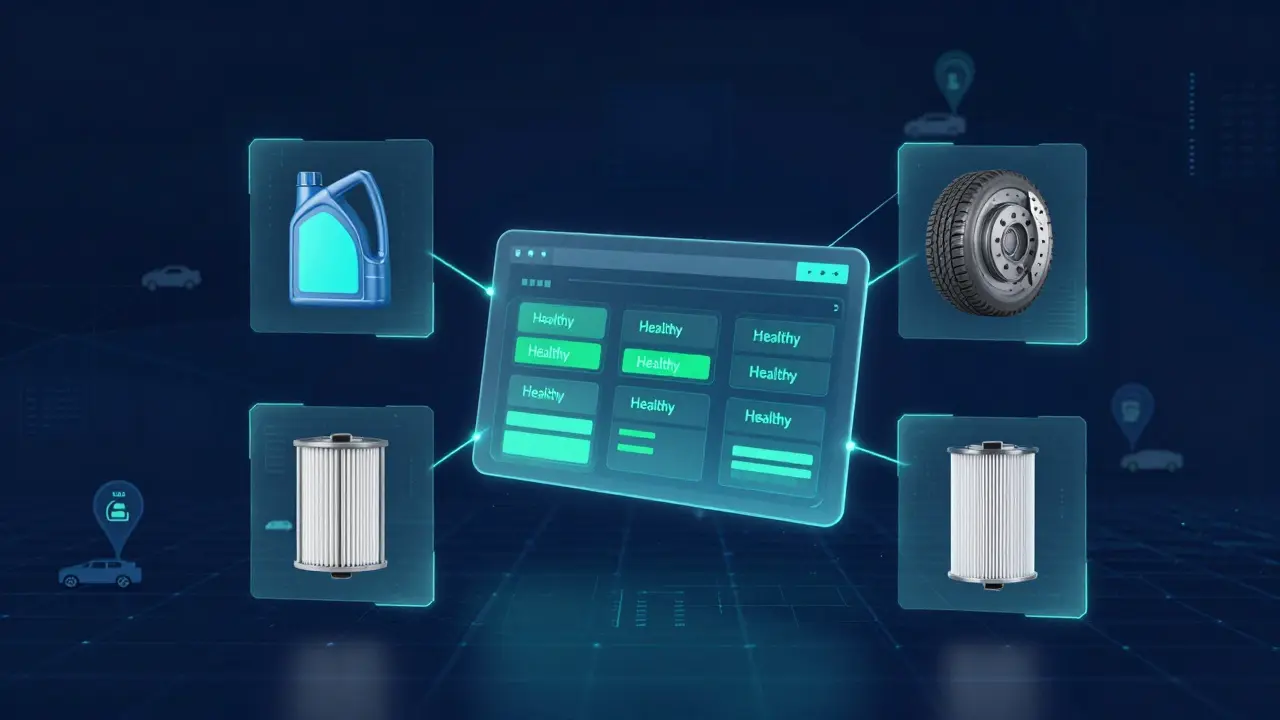
In the past, fleet managers relied on spreadsheets and sticky notes. Today, Fleet Management Software has revolutionized how we track vehicle health. Modern telematics systems connect directly to the vehicle’s OBD-II port, providing real-time data on engine diagnostics, fuel consumption, and location.
Instead of guessing when a service is due, your software can trigger automatic alerts. For example, if a truck hits 5,000 miles since its last oil change, the system emails the maintenance manager and schedules a slot at your preferred garage. This eliminates human error and ensures no vehicle slips through the cracks.
Key features to look for in maintenance software include:
- Predictive Analytics: Uses historical data to predict failures before they happen (e.g., identifying a battery likely to fail in winter).
- Digital Work Orders: Allows mechanics to log repairs instantly, updating the vehicle’s history record in real-time.
- Vendor Integration: Connects with multiple repair shops to compare pricing and availability.
- Compliance Tracking: Ensures DOT inspections and emissions tests are completed on time to avoid fines.
Driver Engagement: The First Line of Defense
Technology is powerful, but your drivers are your eyes on the ground. A preventive maintenance schedule only works if drivers report issues early. If a driver notices a strange vibration or a leaking fluid but ignores it because they’re afraid of being blamed for delays, small problems become catastrophic failures.
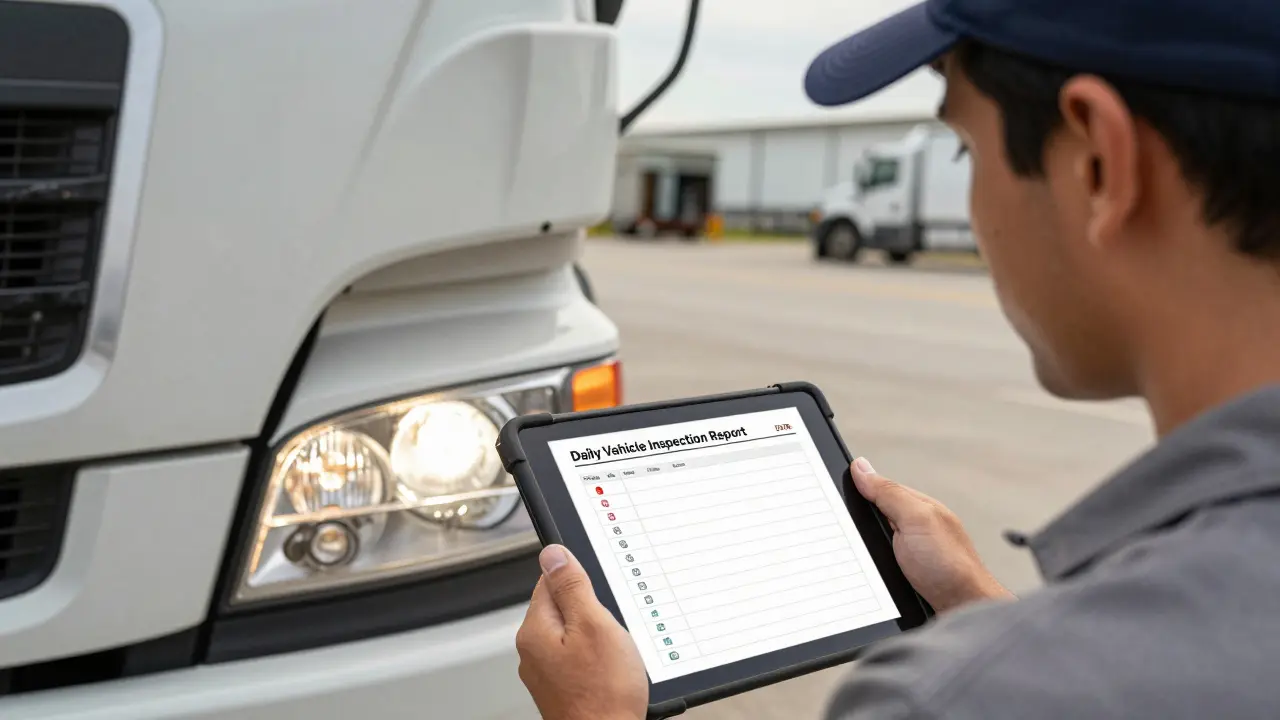
You need to foster a culture where reporting maintenance issues is rewarded, not punished. Implement simple Daily Vehicle Inspection Reports (DVIRs). These shouldn’t be bureaucratic hurdles but quick checks: tires, lights, brakes, and fluids. Make it easy for drivers to submit these reports via a mobile app.
Train your drivers to recognize early warning signs. A slight drop in fuel efficiency might indicate a clogged air filter or misaligned wheels. Addressing these minor issues immediately prevents larger, more expensive repairs down the line.
Optimizing for Fuel Efficiency and Emissions
Maintenance isn't just about keeping vehicles running; it's about making them run efficiently. Poorly maintained vehicles consume significantly more fuel. Under-inflated tires, dirty air filters, and misaligned wheels can increase fuel consumption by 5-10%. For a fleet burning thousands of gallons a month, this adds up to tens of thousands of pounds annually.
Regular maintenance also plays a crucial role in meeting environmental regulations. As the UK moves toward stricter emission standards, ensuring your diesel particulate filters (DPFs) and catalytic converters are functioning correctly is essential. Scheduled cleaning and inspection of these components prevent costly replacements and keep your fleet compliant with Clean Air Zone regulations in cities like Bristol and London.
Managing Vendor Relationships and Costs
Who performs your maintenance matters. While independent garages may offer lower hourly rates, authorized dealerships often have better access to genuine parts and manufacturer-specific diagnostic tools. Consider a hybrid approach: use dealerships for major warranty-covered repairs and trusted independents for routine services like oil changes and tire rotations.
Negotiate fixed-price contracts for common services. This caps your costs and provides budget predictability. Always request detailed invoices with part numbers and labor codes. This transparency helps you audit your spending and identify any overcharging.
Keep a centralized database of all vendor interactions. Track which shops provide the best quality work, fastest turnaround times, and most accurate estimates. This data empowers you to make informed decisions about where to send your vehicles next time.
How often should I perform preventive maintenance on my fleet vehicles?
The frequency depends on the vehicle type and usage. Generally, follow the manufacturer’s recommendations but adjust for severe duty cycles. For most light-duty fleets, oil changes every 5,000-7,500 miles or 3-6 months, and comprehensive inspections every 10,000-15,000 miles are standard. Heavy-duty trucks may require more frequent brake and tire checks due to higher loads.
What is the ROI of a preventive maintenance program?
Studies show that preventive maintenance can reduce vehicle operating costs by 10-20%. The return comes from reduced emergency repair bills, lower fuel consumption, extended vehicle lifespan, and decreased downtime. Additionally, improved reliability leads to better customer satisfaction and fewer missed deliveries, indirectly boosting revenue.
Can I manage preventive maintenance without software?
While possible for very small fleets (under 5 vehicles), managing maintenance manually becomes inefficient and error-prone as your fleet grows. Spreadsheets lack automation, real-time alerts, and integration with telematics. Investing in fleet management software saves time, reduces administrative errors, and provides valuable data insights for long-term planning.
How do I handle maintenance for leased vs. owned vehicles?
For leased vehicles, strict adherence to the manufacturer’s maintenance schedule is critical to avoid end-of-lease penalties for excessive wear. Keep detailed records of all services performed. For owned vehicles, you have more flexibility to optimize intervals based on actual usage and cost-benefit analysis, potentially extending service life further than lease requirements demand.
What are the key metrics to track in fleet maintenance?
Key performance indicators (KPIs) include cost per mile, mean time between failures (MTBF), percentage of unplanned downtime, and maintenance backlog. Tracking these metrics helps you identify trends, evaluate vendor performance, and justify budget requests. Aim to keep unplanned downtime below 5% of total operational hours.