
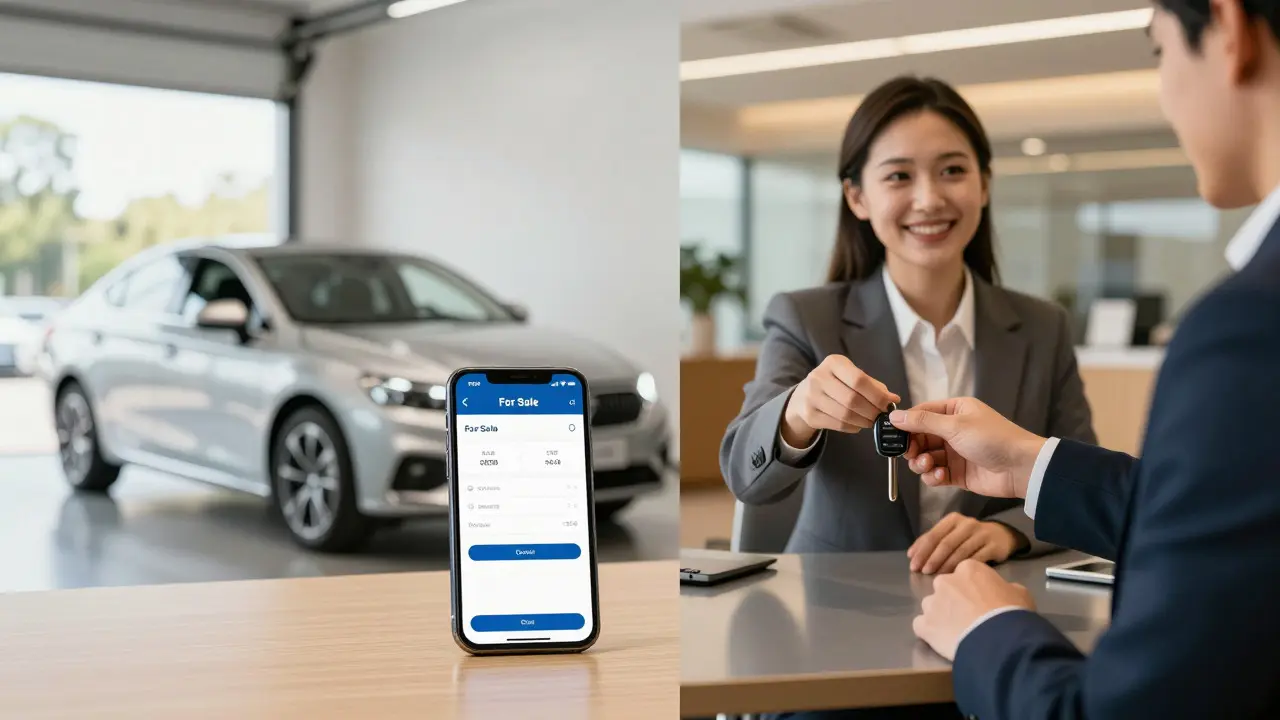
You’ve decided to move on from your current car. Now comes the tricky part: how do you sell it? The choice usually boils down to two paths. You can list it yourself for a private party sale, or you can hand the keys over at the dealership as a trade-in. One route promises more cash but demands your time and energy. The other offers instant convenience but often leaves money on the table. Getting this decision wrong can cost you thousands of pounds.
The Core Difference: Convenience vs. Cash
At its heart, this is a trade-off between effort and earnings. A private party sale is selling your vehicle directly to an individual buyer without a dealer intermediary. When you go this route, you capture the full market value of the car. There is no middleman taking a cut for profit margin, overhead, or reconditioning costs. In contrast, a trade-in is exchanging your current vehicle toward the purchase of a new one at a dealership. The dealer buys your car at wholesale price because they intend to resell it. They need room for profit after cleaning, fixing, and advertising the vehicle.
In 2026, the gap between these two values remains significant. On average, a private sale fetches 10% to 20% more than a trade-in offer. If your car is worth £15,000 privately, a dealer might only offer £12,500. That £2,500 difference isn’t just pocket change; it’s enough to cover several months of insurance or fuel. However, that extra cash comes with a price tag of your own: time, stress, and administrative hassle.
Breaking Down the Private Party Sale
Selling privately is like running a small business for a few weeks. You are the marketer, the salesperson, the negotiator, and the legal clerk. But the financial reward is usually higher. Here is what you need to know to make it work.
The Financial Upside
The primary benefit is obvious: you get more money. Because you are selling to an end-user who doesn’t need to flip the car for profit, you can price it closer to retail value. Platforms like Auto Trader, Gumtree, and Facebook Marketplace allow you to gauge real-time demand. If your model is popular-say, a Toyota RAV4 or a Ford Focus-you might have multiple interested buyers within days.
The Hidden Costs and Effort
It’s not free, though. Consider these factors:
- Advertising Fees: While some platforms are free, premium spots on major sites cost money. A featured listing on Auto Trader might run you £20-£50.
- Preparation: Buyers expect a clean car. A professional valet costs £80-£150. Minor repairs, like replacing worn wipers or fixing a dent, add up.
- Time Commitment: Expect to spend hours answering messages, scheduling viewings, and dealing with tire-kickers. Serious buyers want to see the car during their evenings or weekends, which means rearranging your schedule.
- Risk: Meeting strangers requires caution. You’ll need to arrange safe meeting places and ensure payment clears before handing over the V5C logbook.
The Paperwork
In the UK, selling privately involves notifying the DVLA (Driver and Vehicle Licensing Agency). You must split the V5C registration certificate, send the green keeper’s supplement to the DVLA, and give the main document to the buyer. Failure to do this correctly can leave you liable for parking fines or tax issues associated with the vehicle after the sale.
Understanding the Trade-In Process
Trading in your car is the fast lane. It turns a complex transaction into a simple line item on a new car contract. This option appeals to those who value their time over maximum profit.
The Convenience Factor
The biggest advantage is speed. You can negotiate a trade-in value while test-driving a replacement vehicle. Once agreed, the dealer handles all the paperwork. They transfer ownership, update the DVLA records, and apply the value directly to your new purchase. You walk out with a new set of keys and no old car to worry about.
Tax Benefits in the UK
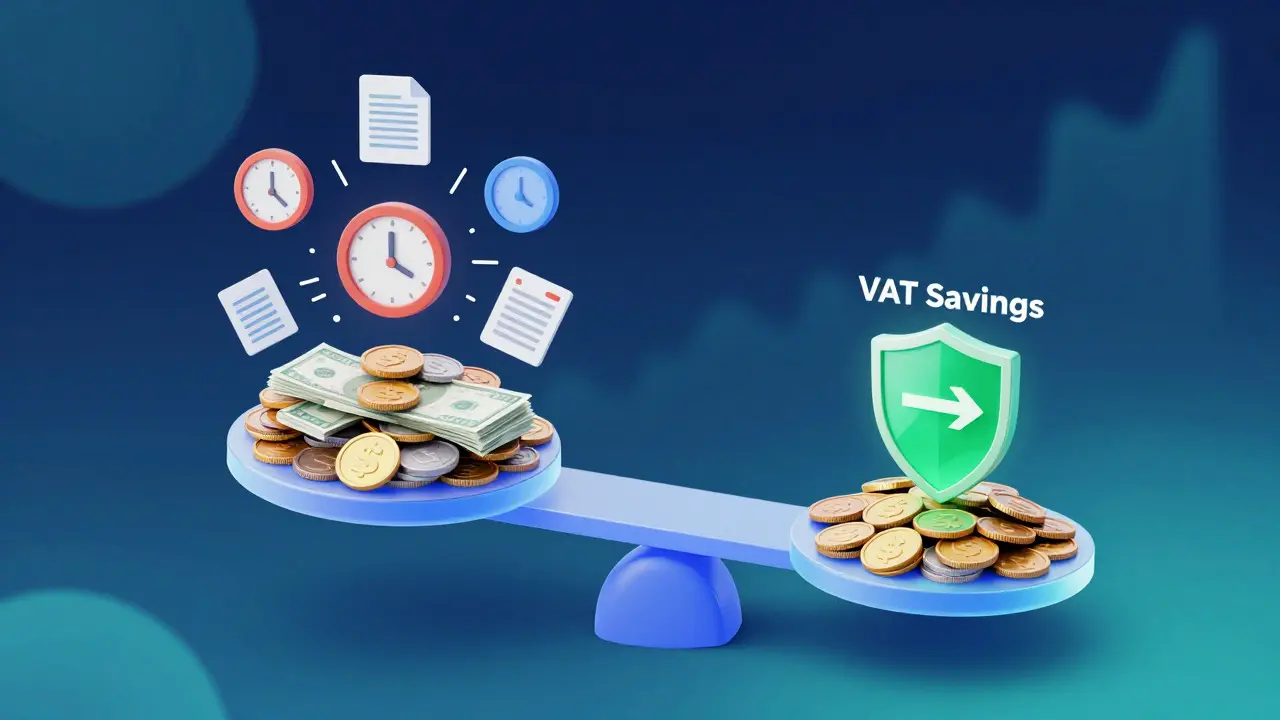
Here is where it gets interesting. In the United Kingdom, Value Added Tax (VAT) applies to most goods and services at 20%. When you buy a new car from a dealer, the price includes VAT. However, if you trade in your old car, the trade-in value is deducted from the total price before VAT is calculated on the remaining balance.
Let’s look at a concrete example. Suppose you want a new car priced at £30,000 (including VAT). Your old car is valued at £10,000.
- Scenario A (Trade-In): The dealer deducts £10,000 from the £30,000 price. You pay VAT on the remaining £20,000. Since the original price included VAT, the effective saving is complex, but generally, you avoid paying VAT on the portion of the price covered by the trade-in. This can save you roughly £1,600-£1,700 in VAT compared to buying outright.
- Scenario B (Private Sale): You sell your car privately for £10,000. You then buy the new car for the full £30,000, including VAT. You keep the £10,000 cash, but you paid VAT on the entire new car price.
This VAT offset makes trade-ins financially competitive, especially for expensive vehicles. For cheaper cars, the private sale premium often outweighs the VAT saving.
The Negotiation Trap
Dealers are businesses. Their initial trade-in offer is rarely their final offer. It is often low to anchor the negotiation. However, dealers may also inflate the price of the new car slightly, knowing they will discount it later or use the trade-in as leverage. Always try to separate the discussion of your old car’s value from the price of the new one. Get a written quote for the trade-in first, then negotiate the new car price independently.
Side-by-Side Comparison
| Feature | Private Party Sale | Trade-In |
|---|---|---|
| Potential Profit | High (Retail Price) | Low-Medium (Wholesale Price) |
| Time Required | Weeks (Listing, Viewing, Closing) | Hours (Single Visit) |
| Effort Level | High (Marketing, Negotiating, Paperwork) | Low (Dealer Handles Everything) |
| Risk | Medium (Scams, No-Shows, Safety) | Very Low (Secure Transaction) |
| VAT Implications (UK) | No VAT Offset on New Car | VAT Deducted from New Car Balance |
| Best For | Unique, High-Value, or Reliable Cars | Older, Damaged, or Less Popular Models |
When to Choose Each Option
Not every car fits neatly into one category. Your decision should depend on the specific attributes of your vehicle and your personal circumstances.
Choose a Private Sale If:
- Your car is in excellent condition: Well-maintained vehicles with service history command a premium from private buyers who appreciate quality.
- It’s a desirable model: Popular family SUVs, reliable hatchbacks, or sought-after classics sell quickly. Niche enthusiast cars (like a Mazda MX-5 or Subaru WRX) often find passionate private buyers willing to pay top dollar.
- You have time to spare: If you can handle weekend viewings and evening calls, the extra £1,000-£3,000 is worth the effort.
- You don’t need a new car immediately: Private sales take time. If you’re not under pressure to replace your vehicle, wait for the right buyer.
Choose a Trade-In If:
- The car has issues: Mechanical problems, accident history, or cosmetic damage scare off private buyers but are easily discounted by dealers who fix them cheaply.
- You want simplicity: If you hate negotiating or dealing with strangers, the peace of mind is priceless.
- You’re buying from the same dealer: Leveraging the trade-in simplifies financing and delivery. You drive away in one trip.
- The car is older or less popular: Vehicles with high mileage or obscure brands may sit unsold for months privately. Dealers absorb this risk.

Maximizing Your Return: Pro Tips
Regardless of your choice, preparation boosts your outcome. Here is how to get the best deal in 2026.
For Private Sellers:
- Get Multiple Valuations: Use tools like CAP HPI, AA Car Valuation, and Auto Trader’s estimator. Don’t rely on just one source.
- Invest in Presentation: A deep clean and minor detailing can increase perceived value. Fix small issues like burnt-out bulbs or squeaky brakes.
- Gather Documentation: Compile service records, MOT certificates, and warranty details. Transparency builds trust and speeds up the sale.
- Price Competitively: Check similar listings in your area. Overpricing leads to stagnation; underpricing leaves money on the table. Aim for the median of comparable recent sales.
For Trade-In Seekers:
- Shop Around: Get quotes from at least three different dealerships. Competition drives up offers. Some dealers specialize in certain brands and may pay more.
- Separate the Negotiations: Agree on the trade-in value first. Then negotiate the new car price. Prevents dealers from hiding discounts in the trade-in figure.
- Consider Online Retailers: Companies like Cazoo, Auto Trader Buy My Car, or Motorway offer instant online quotes. These aren’t traditional trade-ins but provide a convenient middle ground with better prices than many local dealers.
- Time It Right: End-of-month or year-end targets can motivate dealers to improve offers to meet sales quotas.
The Verdict
There is no single "right" answer. If maximizing cash is your priority and you have the patience, a private party sale wins. If you value your time, want a seamless transition to a new vehicle, or are dealing with a problematic car, a trade-in is the smarter move. Calculate the potential extra cash from a private sale against the VAT savings and convenience of a trade-in. Run the numbers for your specific situation, and choose the path that aligns with your goals.
Is it safer to sell privately or trade in?
Trading in is significantly safer. You deal with a licensed business in a secure environment. Private sales carry risks of scams, fake checks, or unsafe meetings. To mitigate risk privately, always meet in public places, verify bank transfers before handing over keys, and bring a friend.
Do I still owe money if I trade in my car?
Yes, if your outstanding loan balance exceeds the trade-in value, you have negative equity. You must pay the difference out of pocket or roll it into the new car finance agreement, which increases your monthly payments and total interest cost.
How long does a private sale take?
On average, a well-priced car sells within 2-4 weeks. Popular models may sell faster, while niche or older vehicles can take months. Seasonal trends matter too; convertibles sell better in spring/summer, and 4x4s in winter.
Can I negotiate a higher trade-in value?
Absolutely. Dealers expect negotiation. Come prepared with competing offers from other dealers or online retailers. Highlight any recent maintenance or upgrades. Be willing to walk away if the offer is too low.
What documents do I need for a private sale in the UK?
You need the V5C registration certificate (logbook), proof of identity, service history, and the last MOT certificate. Ensure the vehicle tax is up to date until the day of sale. Notify the DVLA immediately after the transaction using section 6 of the V5C.
Comments
Chris Neal
People forget that the VAT calculation isn't just about the face value. The dealer deducts the trade-in from the pre-VAT price effectively, which is why the math works out differently than you'd think. If you sell privately, you pay full VAT on the new car. It's a hidden tax benefit most people ignore because they're too busy looking at the immediate cash difference.
August 13, 2026 at 11:28
Alyson Karson
omg yes!! i sold my old civic last year and made like 3k more than the dealer offered but man it was such a headache lol
had to deal with so many tire kickers who would ask 'is this still available' then ghost me after test driving it. also had one guy try to pay with a cashier check that bounced?? never again. the extra money was nice tho
August 15, 2026 at 08:22
Brannen Hall
The article assumes dealers are honest negotiators which is laughable. They lowball you on the trade-in and hike up the new car price by the exact same amount. You don't save anything unless you separate the deals completely which half the salespeople will fight you on. Private sale is the only way to get real market value even if it's annoying.
August 17, 2026 at 04:53
Vishnu Vardhan Reddy M S
Oh sure, Brannen knows best. Because nothing says 'smart financial decision' like spending three weekends letting strangers rev your engine in your driveway while you hold your breath hoping they don't scratch the paint.
I traded mine in. Saved two grand? Sure. But I saved forty hours of stress and didn't have to explain to my wife why some random guy asked if she could come for the test drive. Peace of mind has a price tag too, apparently.
August 17, 2026 at 12:46
Brannen Hall
Vishnu clearly values his time more than money or he's just bad at negotiating. If you do it right private sales are safe enough. Just meet at a police station parking lot. End of story.
August 18, 2026 at 08:49
Kyle Ware
its worth noting that online retailers like motorway or auto trader buy my car sit somewhere in the middle. they offer better prices than local dealers usually but you dont have to deal with strangers viewing the car. good middle ground if you want convenience but hate dealer lowballs
August 19, 2026 at 22:45
Iva Grekova
I totally agree with Kyle. I used an online quote service last month and got way more than the dealership down the street offered. Plus I didn't have to haggle with anyone. Just dropped off the keys and got a check. Super chill experience honestly.
August 20, 2026 at 05:04
Onyinyechi Nwosu
the paperwork part scares me though. splitting the v5c correctly seems easy to mess up and getting fined later sounds awful. maybe trade in is safer for that reason alone
August 22, 2026 at 00:27
Chandan Singh
Onyinyechi you just fill out section 6 and send it to DVLA. Its literally designed to be foolproof. If you can use a smartphone to post here you can fill out a form. The risk is minimal if you follow instructions. People overcomplicate things unnecessarily.
August 22, 2026 at 12:08
Brenna Gonedrman
OH MY GOD. I almost cried when I saw how much less the dealer offered compared to what my friend sold hers for privately. It is literally thousands of pounds! Thousands!!!
But then I remembered I have zero patience and zero desire to talk to creepy men who smell like onions. So I traded it in. I am poor but I am sane. Is that fair?
August 22, 2026 at 14:10
Courtney Wagstaff
Haha Brenna, you win the sanity prize! I feel you. My car is a bit of a project now with some rust spots so I know no private buyer would touch it without demanding a huge discount. Dealers eat that stuff up because they fix it cheaply. For beaters, trade-in is definitely the move.
August 23, 2026 at 18:50
Joanna Mucha
One must consider the existential weight of ownership. To sell privately is to engage in the raw, unfiltered chaos of human commerce. To trade in is to surrender to the machine, to become a cog in the automotive industrial complex.
Yet, the machine offers comfort. The private road offers truth. Which path leads to enlightenment? Probably neither. We are all just driving towards oblivion in metal boxes. But yes, the VAT thing is interesting I suppose.
August 23, 2026 at 21:35
tiffany King
Wow Joanna, deep stuff! I just want my new car without losing my shirt. Thanks everyone for the tips, especially about separating the negotiations. That seems like the golden rule here. Going to try getting multiple quotes before I go to the dealership next week!
August 24, 2026 at 12:47