
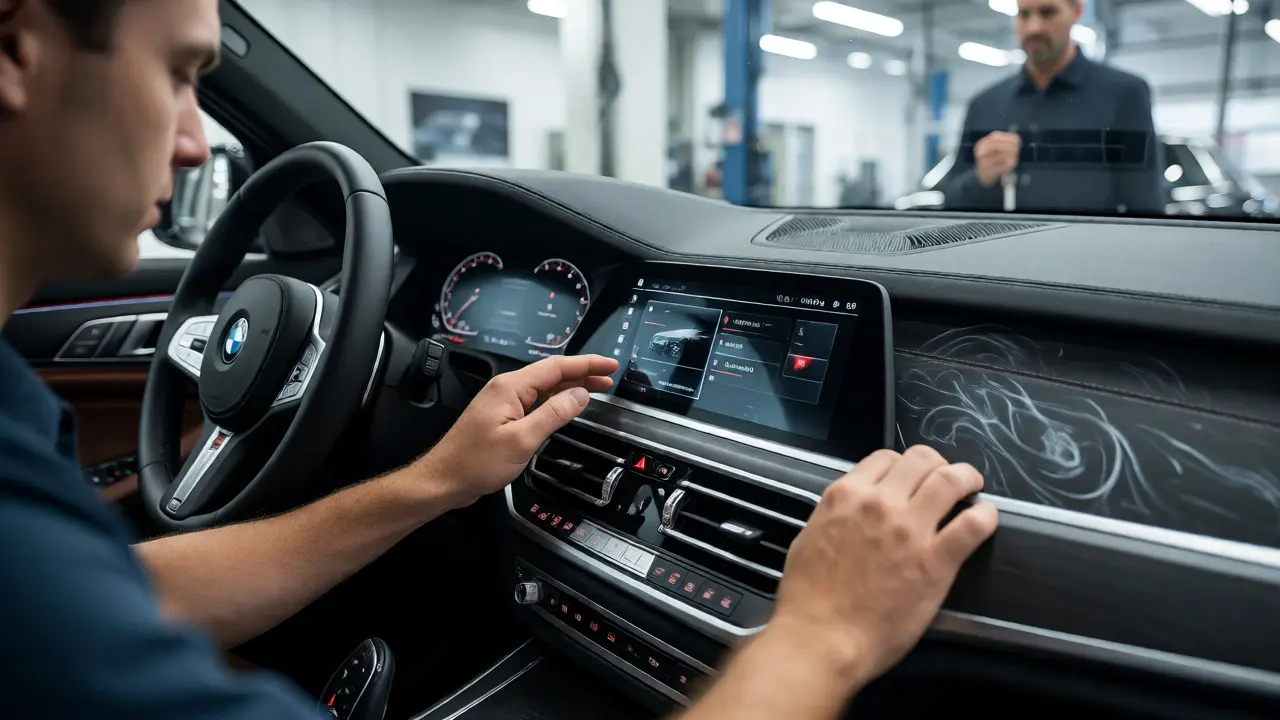
You just sold a brand-new SUV. The customer is thrilled, the paperwork is signed, and you’re ready to hand over the keys. But then it happens: they spot a swirl mark on the hood that wasn’t there during the test drive, or worse, the infotainment system freezes when they try to pair their phone. Suddenly, your profit margin evaporates into free detailing services, loaner cars, and a furious social media post. This isn't just bad luck; it’s a failure in quality control systems for car dealership operations. Most dealerships treat QC as an afterthought-a final glance before delivery. But in today’s competitive market, where online reviews can make or break your reputation overnight, treating quality as a systematic process rather than a lucky guess is non-negotiable.
Why Your Current QC Process Is Probably Leaking Money
Let’s be honest: if you’re relying on a single salesperson to “check” a car before delivery, you’re gambling with your bottom line. Quality control in a dealership isn’t just about catching scratches; it’s about ensuring every touchpoint meets a consistent standard. When QC fails, you don’t just lose a sale; you incur hidden costs. Think about the labor hours spent re-inspecting vehicles, the cost of complimentary fuel or accessories to appease angry customers, and the long-term damage to your Net Promoter Score (NPS). According to industry data from the National Automobile Dealers Association (NADA), resolving post-delivery issues costs significantly more than preventing them pre-sale. Why? Because once the car leaves the lot, the dynamic shifts. You’re no longer selling a dream; you’re fixing a reality.
The biggest mistake owners make is siloing quality control. They think it’s the detail shop’s job, or the service manager’s problem. In reality, QC is a cross-departmental handshake. It starts at the auction house or manufacturer delivery dock and ends when the customer drives away happy. If your used car buyer doesn’t communicate known mechanical quirks to the recon team, and the recon team doesn’t flag cosmetic flaws to the sales floor, the salesperson is left holding the bag-and the blame. A robust system breaks these silos down by creating a digital trail of responsibility.
The New Vehicle Delivery Checklist: Beyond the Surface
New cars aren’t perfect. Factory defects happen, shipping damage occurs, and software glitches are becoming increasingly common with modern connected vehicles. Your Pre-Delivery Inspection (PDI) needs to go beyond checking tire pressure and removing plastic covers. You need a structured protocol that accounts for the complexity of modern vehicles.
Start with the exterior. Yes, check for paint chips and panel gaps. But also verify that all sensors-park assist cameras, blind-spot monitors-are calibrated correctly. A misaligned camera might not show up until the customer tries to park at home. Inside, test every electronic feature. Does the Bluetooth connect instantly? Do the seat heaters work? Is the navigation system updated to the latest map version? These small details feel like major failures to the customer because they paid premium prices for convenience.
| Category | Action Item | Common Failure Point |
|---|---|---|
| Exterior | Sensor Calibration & Panel Gaps | Misaligned rear-view camera |
| Interior | Infotainment Pairing Test | Bluetooth connectivity drops |
| Mechanical | Fluid Levels & Tire Pressure | Under-inflated tires affecting ride comfort |
| Documentation | Key Fob Programming Verification | Missing spare key fob battery |
Used Vehicle Reconnaissance: The Trust Builder
If new cars are about perfection, used cars are about transparency. Your quality control here serves two purposes: protecting the dealership from liability and building trust with the buyer. A generic “mechanic’s inspection” isn’t enough anymore. Buyers expect detailed reports, often backed by third-party verification like AutoCheck or Carfax, but your internal QC adds the human layer they crave.
Implement a tiered inspection process. Tier one is the safety check: brakes, tires, lights, and fluid leaks. Tier two is the cosmetic assessment: interior wear, paint condition, and odor. Tier three is the functional audit: air conditioning performance, window regulators, and audio systems. Each tier should have a designated sign-off in your Dealer Management System (DMS). If the AC blows warm, it shouldn’t just be noted; it should trigger a work order before the car hits the showroom floor. If you can’t fix it, price it accordingly and disclose it upfront. Hiding flaws to get a quick sale always comes back to haunt you in the form of warranty claims or chargebacks.
Consider using standardized scoring systems, similar to those used by certified pre-owned (CPO) programs, even for your non-CPO inventory. Rating a vehicle’s condition on a scale of 1-10 for both mechanical and aesthetic aspects gives your sales team objective data to use. Instead of saying “it’s in good shape,” they can say “the mechanic rated the engine health a 9/10, but the interior has minor wear rated 7/10.” Specificity sells.
Leveraging Technology: Integrating QC with Your DMS
Paper checklists die in glove compartments. To truly scale your quality control, you need to integrate it into your Dealer Management System (DMS). Modern DMS platforms allow you to create custom fields for inspection notes, attach photos directly to the vehicle record, and set automated alerts for incomplete tasks.
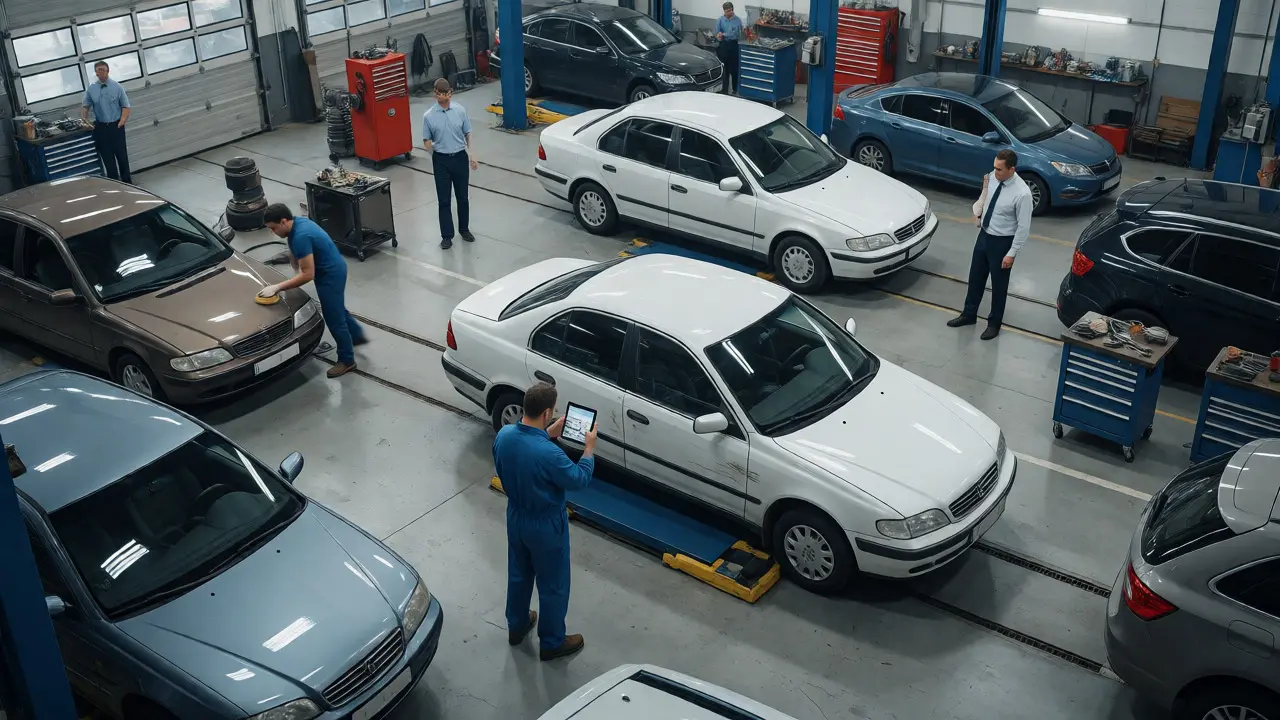
Imagine this workflow: A technician completes a multi-point inspection on a trade-in. Using a tablet, they take photos of any damage and upload them directly to the vehicle’s profile in the DMS. The app flags any critical safety issues, automatically blocking the vehicle from being listed as “ready for sale” until a manager overrides or resolves the issue. Once cleared, the detail team sees exactly what needs attention based on the tech’s notes, avoiding redundant checks. Finally, the salesperson pulls up the same digital file to show the customer, proving the car was inspected thoroughly. This transparency reduces friction and speeds up the sales cycle.
Don’t underestimate the power of mobile apps here. Tools like CDK Global, Reynolds & Reynolds, or specialized inspection apps like VSS (Vehicle Sales Solutions) allow real-time updates. If a detailer notices a new scratch during cleaning, they log it immediately. The salesperson gets a notification before they promise the car to a walk-in customer. This real-time communication loop is what separates high-performing dealerships from the rest.
The Human Element: Training and Accountability
Systems don’t inspect cars; people do. Even the best checklist fails if staff aren’t trained to use it consistently. Many dealerships struggle with turnover in their service and detail departments, leading to inconsistent quality. To combat this, invest in rigorous onboarding focused specifically on your QC standards.
Create visual guides. Show photos of what a “pass” looks like versus a “fail” for common issues like windshield chips or upholstery stains. Ambiguity breeds inconsistency. If your standard says “clean interior,” define what clean means. No crumbs? Vacuumed seats? Glass polished? Be specific.
Accountability matters too. Tie QC performance to incentives. If a vehicle passes its first delivery without a post-sale complaint, reward the team involved. If a car comes back within 30 days for an issue that could have been caught, review the inspection report together-not to punish, but to learn. Was the issue missed due to lack of time, poor lighting, or inadequate training? Address the root cause, not just the symptom.

Audit Your Process: The Monthly Quality Review
You wouldn’t run a business without reviewing your financials, so why ignore your operational metrics? Schedule a monthly “Quality Audit” meeting involving managers from sales, service, and parts. Review random samples of delivered vehicles against your QC checklist. Did every step get completed? Were photos attached? Were known issues disclosed?
Track key performance indicators (KPIs) related to quality. Monitor the percentage of vehicles requiring post-delivery repairs within the first 30 days. Track the average time from “recon complete” to “delivery ready.” High turnaround times often indicate bottlenecks in the QC approval process. By analyzing these trends, you can identify systemic issues. For example, if 40% of your returns involve infotainment glitches, maybe you need to update your diagnostic tools or train your staff on software resets.
Practical Checklist for Immediate Implementation
Ready to tighten up your operations? Here’s a streamlined checklist you can adapt for your dealership today:
- Standardize Inputs: Ensure every vehicle entering inventory (trade-in, wholesale, factory) undergoes the same initial triage inspection.
- Digital Trail: Move all inspection notes from paper to your DMS or a dedicated cloud-based tool.
- Photo Proof: Require timestamped photos of exterior damage and interior condition at intake and pre-delivery.
- Functional Testing: Test all electronics, including backup cameras, sunroofs, and HVAC systems, not just mechanical components.
- Cross-Department Handoffs: Implement mandatory digital sign-offs between recon, detail, and sales teams.
- Customer Disclosure: Use inspection reports as sales tools to highlight care taken, not just hide flaws.
How often should I update my quality control checklist?
You should review and update your checklist quarterly. As new vehicle models enter your inventory with different features (like advanced driver-assistance systems), your inspection criteria must evolve. Additionally, if you notice recurring post-sale complaints, add specific checks for those issues immediately.
Who is responsible for final quality control before delivery?
Ideally, a dedicated Quality Control Manager or a senior Service Advisor should perform the final sign-off. Relying solely on the salesperson creates a conflict of interest, as they may rush the process to close the deal. An independent verifier ensures objectivity.
Can technology replace manual inspections?
No, technology enhances but does not replace manual inspections. AI-driven tools can detect paint imperfections or scan VINs quickly, but human judgment is required to assess subjective qualities like smell, noise levels, and overall feel. A hybrid approach yields the best results.
What is the most common QC failure in dealerships?
The most common failure is incomplete disclosure of minor defects. Sales teams often omit small scratches or dents hoping the customer won’t notice. However, when customers discover these later, it erodes trust more than if they had been told upfront. Transparency is key to long-term loyalty.
How does QC impact used car pricing?
Accurate QC allows for precise pricing. Vehicles with verified excellent condition can command a premium, while those with documented flaws can be priced competitively with clear justification. Without QC, pricing becomes a guessing game, often leading to underpricing good cars or overpriced problematic ones.