
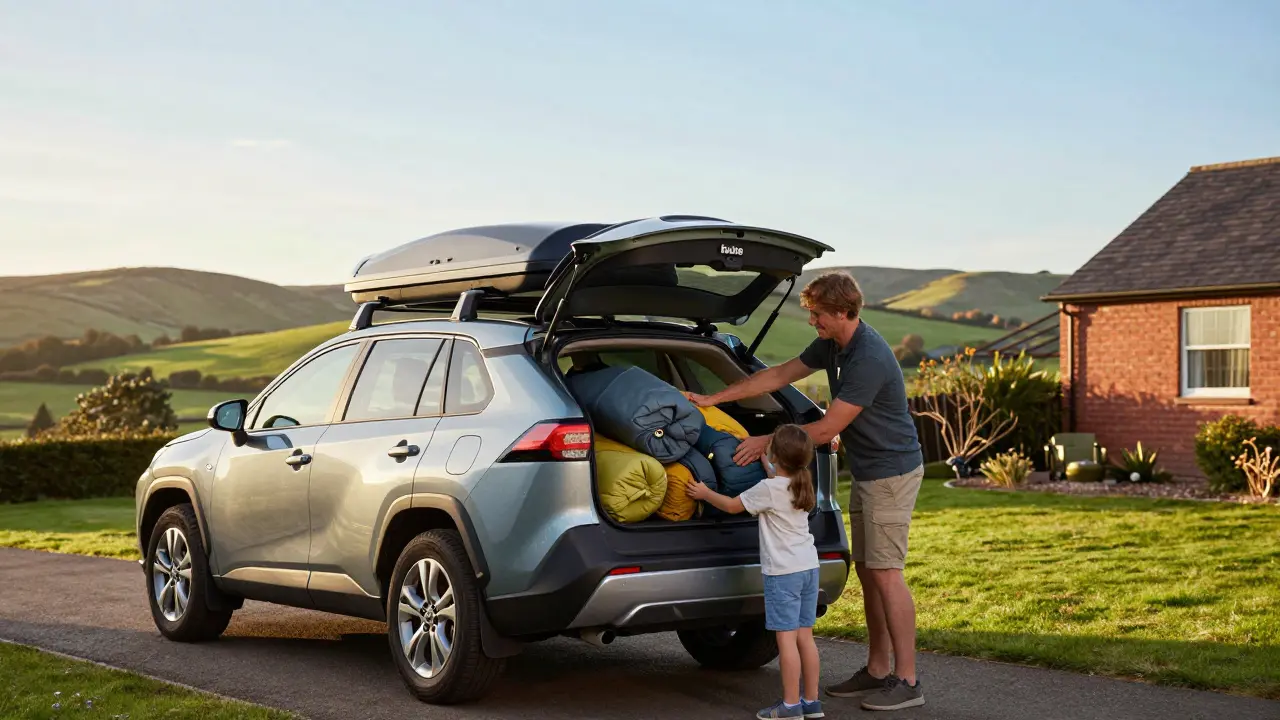
Tired of squeezing groceries into a packed trunk? Roof racks and cargo carriers turn your car into a mobile storage unit. They’re the solution when you need to carry more than your car’s interior can handle-whether it’s camping gear, sports equipment, or furniture. In Bristol, where weekend trips to the Cotswolds or Lake District are common, these systems help families and adventurers alike transport everything without sacrificing comfort.
Roof racks are systems mounted on top of your vehicle to carry additional cargo. They typically include crossbars that attach to the roof, providing a base for securing items like bikes, kayaks, or cargo boxes.
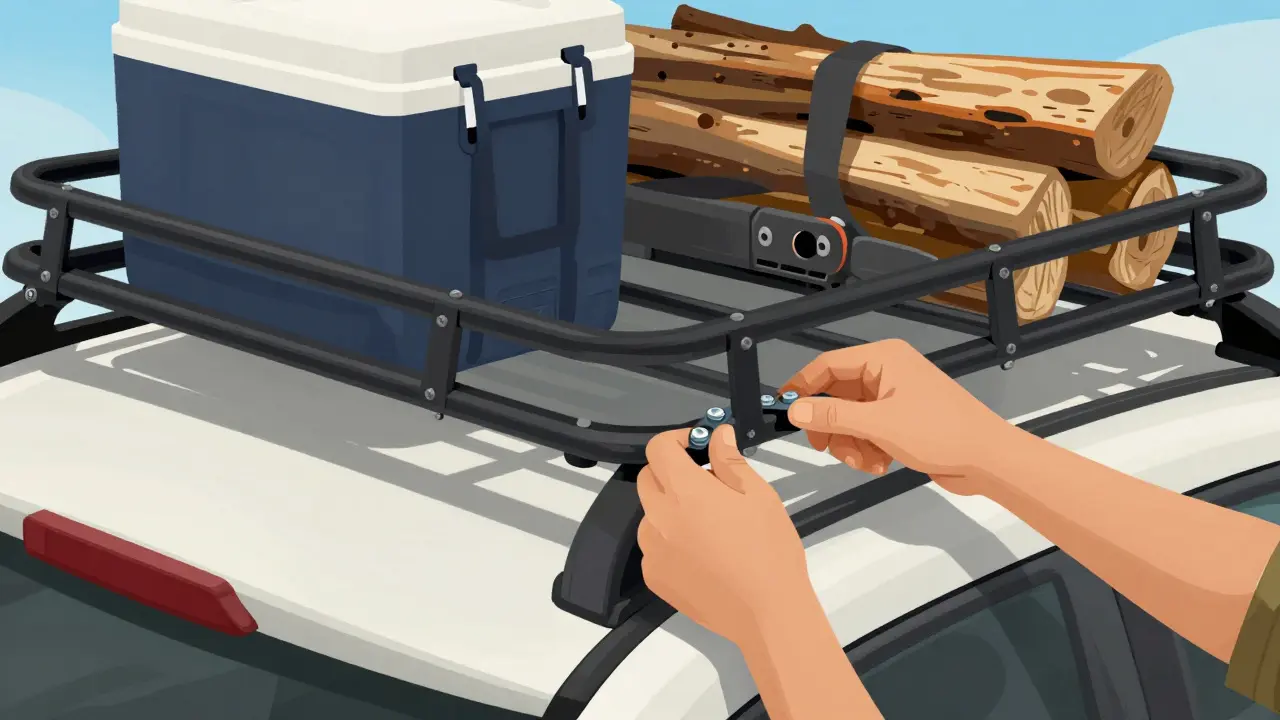
Cargo carriers are specialized containers or baskets that attach directly to roof racks. Unlike bare racks, they offer enclosed or open storage solutions. For example, a Thule roof box keeps luggage dry during rainy drives, while a Yakima cargo basket holds bulky items like coolers or firewood.
| Type | Capacity | Installation Ease | Best For |
|---|---|---|---|
| Bare roof rack | Up to 165 lbs | Moderate | Bikes, kayaks, skis |
| Roof box | 15-20 cubic feet | Easy | Weatherproof luggage storage |
| Cargo basket | Up to 150 lbs | Simple | Heavy gear like camping equipment |
Choosing the Right System for Your Vehicle
Not all roof systems work for every car. Start by checking your vehicle’s roof load limit in the owner’s manual. Most sedans handle 100-150 lbs, while SUVs like the Toyota RAV4 or Honda CR-V can manage up to 165 lbs. If your car lacks factory roof rails, you’ll need a system with universal mounting feet-like those from Thule or Yakima-that clamp onto door frames.
For city drivers, a low-profile roof box minimizes wind noise and fuel consumption. Weekend adventurers might prefer a cargo basket for quick loading of tents or kayaks. Always measure your car’s width and height to ensure the system fits without obstructing mirrors or garage clearance. In Bristol’s narrow streets, a compact setup is essential.
Installation Steps Made Simple
Most roof racks take 30-60 minutes to install. Begin by cleaning your roof with a damp cloth to remove dirt. Attach the mounting feet to the roof rails (or door frames for rail-less vehicles), then slide the crossbars into place. Tighten all bolts firmly but avoid over-torquing. Test the system by gently shaking it; there should be no movement. If your car has integrated rails, like many modern SUVs, installation is even easier-just slide the crossbars into the slots and secure them.
For cargo carriers, follow the manufacturer’s instructions. Roof boxes usually clip onto crossbars with a few quick-release levers. Cargo baskets often require bolting to the crossbars. Always double-check that all components are locked before driving. A local Bristol mechanic told me: "Never skip the test drive at low speeds to ensure nothing shifts."
Safety Tips You Can’t Ignore
Overloading your roof system is dangerous. Even if your rack supports 165 lbs, your car’s roof may have a lower limit. Always stay under that number. For example, a full-size cooler (40 lbs), two kayaks (60 lbs), and camping gear (50 lbs) totals 150 lbs-well within most limits. But add a fifth item, and you risk damage or accidents.
Secure items tightly with straps designed for roof use. Never use rope or bungee cords alone-they slip. Place heavy items low and centered, not on the edges. For bikes or kayaks, use dedicated mounts that lock into place. During a trip to the Peak District, I once saw a kayak slide off because the straps weren’t tight enough. A quick stop to resecure it saved the day.
Real-Life Examples from Bristol
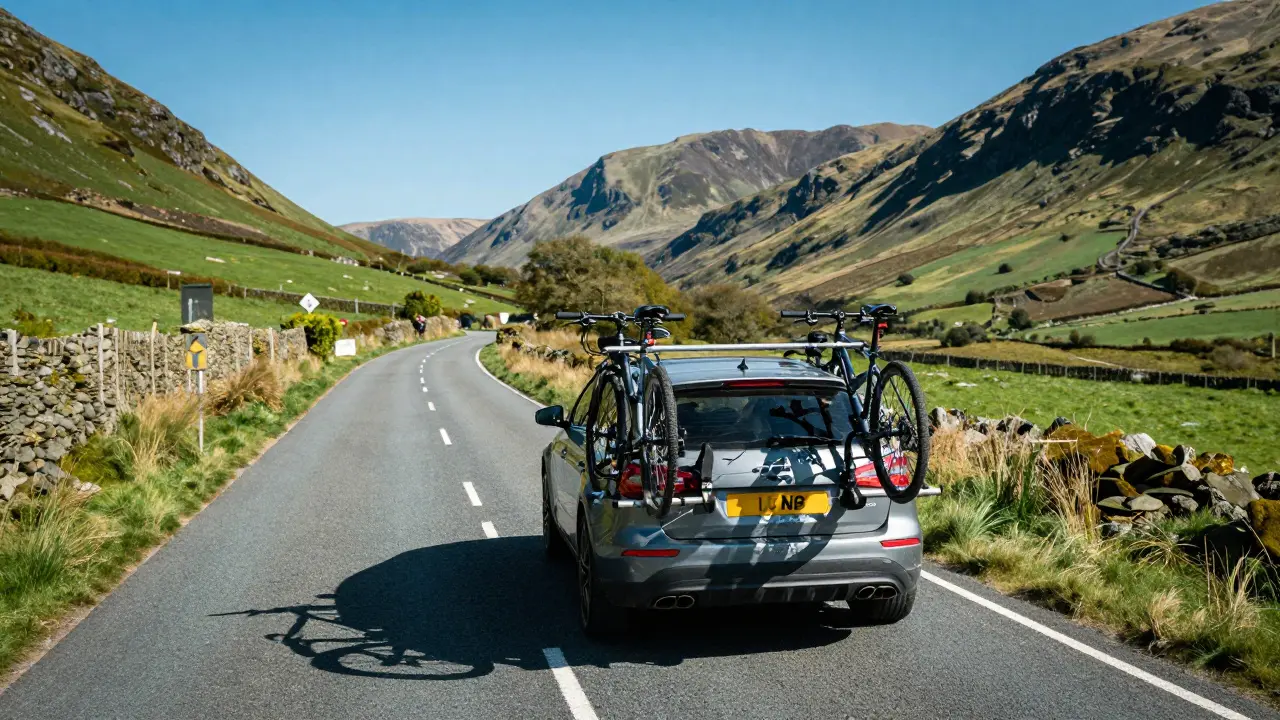
Local cyclist Sarah uses a Yakima roof rack to transport three bikes to cycling trails. She says: "It’s the only way I can bring my team to races without renting a van." Meanwhile, the Johnson family uses a Thule roof box for weekend camping trips. They store sleeping bags, cooking gear, and even their dog’s supplies. "No more squished passengers," they joke. Even for everyday tasks, like moving furniture between flats, a cargo basket makes loading a sofa or bookshelf effortless.
Maintenance and Storage
After each use, clean your roof rack with mild soap and water. Salt from winter roads can corrode metal parts. Store roof boxes and baskets in a dry place when not in use-garages or sheds work best. For crossbars, apply a thin layer of wax to prevent rust. If you notice any loose bolts during a trip, tighten them immediately. A quick check before every journey prevents accidents.
Frequently Asked Questions
Can I install a roof rack myself?
Yes, most roof racks come with detailed instructions and require basic tools. However, some vehicles without factory roof rails may need professional installation. Always check your car’s manual for compatibility.
What’s the maximum weight I can carry?
Check your vehicle’s owner’s manual first. Most cars have a roof load limit of 100-165 lbs. Your roof rack might support more, but never exceed your car’s limit. Thule and Yakima racks clearly list their weight capacities on packaging.
Do I need crossbars for a roof box?
Yes, crossbars are essential for attaching roof boxes. They provide the stable base needed to secure the box. Most roof box kits include crossbar-compatible mounting hardware. Without crossbars, the box would wobble or detach during driving.
How do I secure a kayak on a roof rack?
Use dedicated kayak mounts that clamp onto crossbars. Position the kayak upside down for stability, then secure it with straps at the bow, stern, and middle. Always check the straps before driving-kayaks can slip if not properly tightened. A local Bristol kayaking club recommends double-checking after the first 10 miles of a trip.
Will roof racks affect my fuel efficiency?
Yes, especially at highway speeds. A bare roof rack reduces mileage by 5-15%, while a roof box can drop it by 20% or more. For short trips, remove the rack when not in use. For long journeys, choose aerodynamic designs like Thule AeroBlade crossbars to minimize drag.
Comments
Mark Brantner
Y'all reallly need to get a roof rack if you're into camping! Ive got a Thule box and its a game changer. Well except for the fuel economy hit, but hey, adventure! 😂
February 6, 2026 at 17:05
Kieran Danagher
Ah yes, roof racks. The only thing better than a roof rack is a roof rack that doesn't make your car sound like a jet engine. Thule AeroBlades are the way to go if you care about fuel efficiency. Otherwise, just drive slow.
February 7, 2026 at 01:07
OONAGH Ffrench
Roof racks useful check weight limits secure items properly simple as that
February 8, 2026 at 01:57
Shivam Mogha
Check your car's manual. Always.
February 8, 2026 at 13:00
Tamil selvan
Hello, I would like to express my support for the information provided. It is indeed crucial to check the vehicle's roof load limit before installing any roof rack system.
February 8, 2026 at 21:21
Bharat Patel
It's interesting how roof racks connect us to nature. But safety first-always secure your gear properly. A little extra time can prevent tragedy.
February 9, 2026 at 15:22
Christina Morgan
I've used roof racks for years and they're essential for road trips. Especially when moving furniture between flats-no more squished passengers! Just remember to secure items properly. Safety first.
February 10, 2026 at 22:32
Mbuyiselwa Cindi
Great post! I've used a cargo basket for camping gear in South Africa. Always strap things down tightly. A quick check before driving can save you from disaster.
February 11, 2026 at 15:51
Bhagyashri Zokarkar
I love using a roof rack for camping but sometimes I forget to check the straps and then I have to stop and redo everything it's so annoying but worth it for the adventure. Every time I go on a trip, I have to make sure everything is secure. I remember once I was driving to the mountains and forgot to check the straps properly. When I hit a bump, the kayak started sliding. I had to pull over immediately and resecure it. It was a close call. Since then, I always double-check. It's a hassle but safety comes first. Sometimes I think about how much easier it would be if there was a self-securing system. But I guess that's just wishful thinking. Still, the convenience of carrying more gear is worth the extra effort. Even for everyday tasks like moving furniture, it's a lifesaver. I've used it to transport a sofa between flats without any issues. Just make sure to strap everything down tight. A little extra time can prevent disaster. I've also used it for camping trips where we carried all our gear. No more squished passengers in the back. It's made road trips so much better. I can't imagine going on a trip without one now. It's become a staple in my vehicle. I just hope everyone takes the time to secure their loads properly. Safety first always.
February 12, 2026 at 05:47
Rakesh Dorwal
This is why we need better national standards for roof racks. Foreign-made products are often unsafe. Always check the origin before buying.
February 13, 2026 at 02:29
Natasha Madison
Roof racks can be dangerous if not installed properly. I've heard stories of people losing control of their cars due to improper installation. The government should regulate this more. They don't want you to know the truth.
February 13, 2026 at 16:47
poonam upadhyay
Oh my goodness! Most people don't even check the weight limits. It's a disaster waiting to happen! I saw a kayak fall off once-pure chaos! Always use proper straps, people!
February 14, 2026 at 00:19
saravana kumar
Proper roof load limits are non-negotiable. Sedans max out at 150 lbs, yet people overload them daily. It's reckless.
February 15, 2026 at 13:33
Kate Tran
I've used a roof rack for years. It's great for camping trips. Just make sure to check the weight limits. My car's manual says 100lbs max. Always double-check before loading.
February 16, 2026 at 18:01
Eka Prabha
Regulatory compliance is crucial for roof rack safety. Without adherence to ISO standards, accidents are inevitable. Manufacturers must be held accountable. Furthermore, the absence of standardized testing protocols poses a significant risk to public safety. It is imperative that regulatory bodies implement stringent guidelines to ensure the structural integrity of these devices. Additionally, consumer education on proper installation and usage is paramount. Failure to address these issues could result in catastrophic consequences. Therefore, a comprehensive review of current safety protocols is urgently required. It is my firm belief that only through rigorous oversight can we mitigate the potential hazards associated with roof rack usage. The current state of affairs is simply unacceptable.
February 18, 2026 at 00:47