
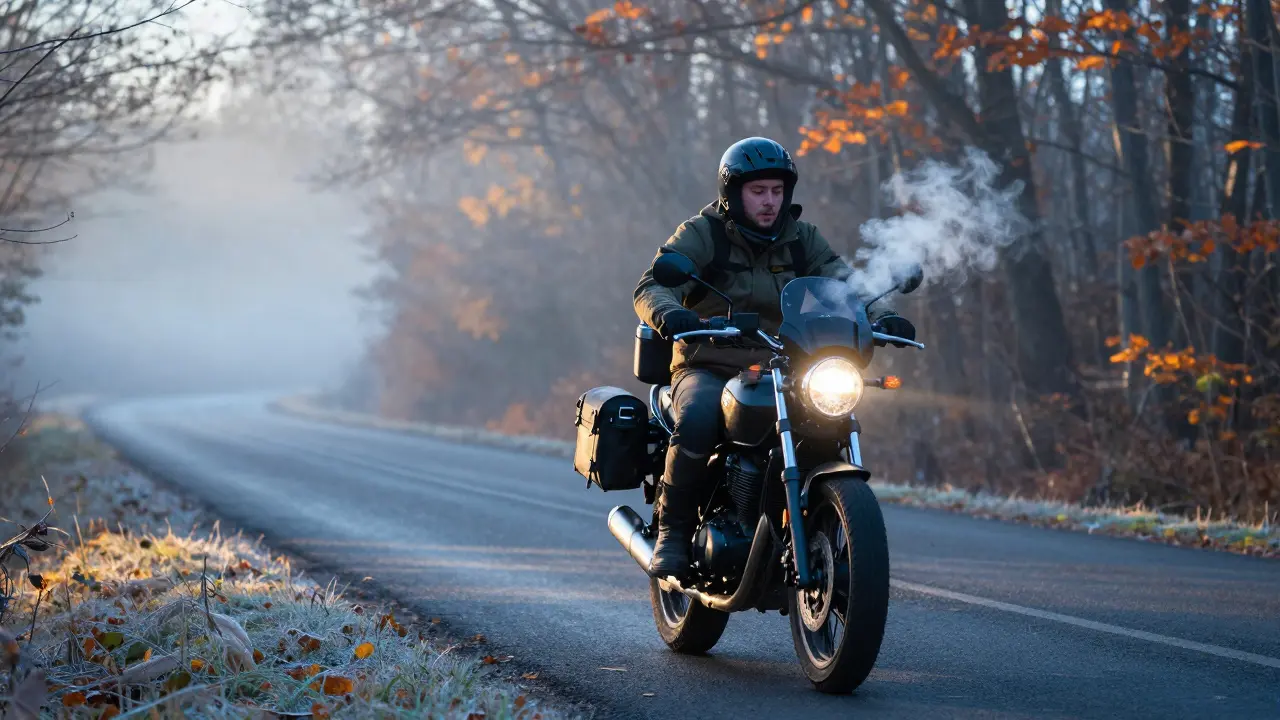
Imagine hitting the open road on a crisp autumn morning. The air is fresh, the coffee in your thermos is hot, but after twenty minutes, the cold seeps right through your jeans into your bones. Now flip the calendar to July. You’re idling in traffic, the sun beating down on your back, and that hard plastic saddle feels like a griddle. If you ride regularly, you know that comfort isn’t just about luxury-it’s about safety. When you’re distracted by shivering or sweating, your reaction times slow down.
This is where seat heaters and cooling covers designed specifically for motorcycle saddles come into play. These aren't just gadgets for weekend warriors; they are essential tools for managing body temperature during long rides. Whether you're commuting through Bristol's drizzly winters or touring across Europe in summer, controlling your microclimate can make the difference between a miserable trip and an enjoyable one.
The Science of Cold: Why Your Backside Freezes First
You might wonder why your butt gets colder than your hands or feet. It comes down to physics and anatomy. When you sit on a motorcycle, you compress the soft tissues against a hard surface. This compression restricts blood flow to the area. Less blood flow means less heat generation. Add to that the wind chill factor-air moving over your skin at 60 mph strips away body heat rapidly-and you have a recipe for discomfort.
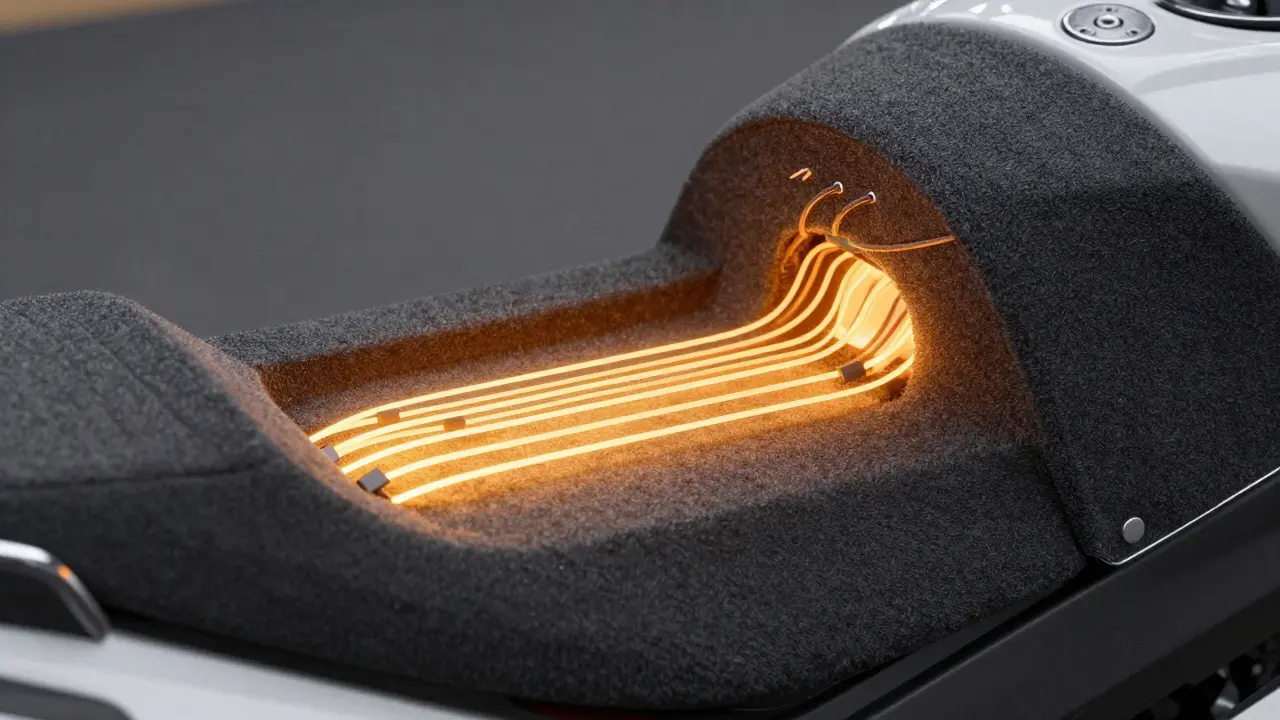
Heated motorcycle seats are accessories that use electrical resistance wires embedded in fabric to generate warmth directly under the rider. Unlike heated grips, which only warm your hands, seat heaters address the largest surface area of contact with the bike. Most modern heated seats operate on a 12-volt DC system, drawing power directly from your bike’s battery or charging system. A typical unit draws between 2 to 4 amps. For context, running both a heated seat and heated grips simultaneously usually consumes less power than your headlights do on high beam.
The real benefit here is consistent heat. External clothing layers trap heat, but they can’t generate it. A heated seat provides active warming. You can adjust the intensity, usually via a simple dial or button, to match the ambient temperature. In freezing conditions, this allows you to wear lighter riding gear, which improves mobility and reduces fatigue.
Summer Sweat: The Problem with Heat Retention
Now, let’s talk about the other extreme. Summer riding brings its own set of challenges. Leather jackets, armored pants, and synthetic liners are designed to protect you from abrasion and impact. Unfortunately, these materials are also excellent insulators. They trap body heat and sweat against your skin. Sitting on a dark-colored seat in direct sunlight turns the saddle into a heat sink.
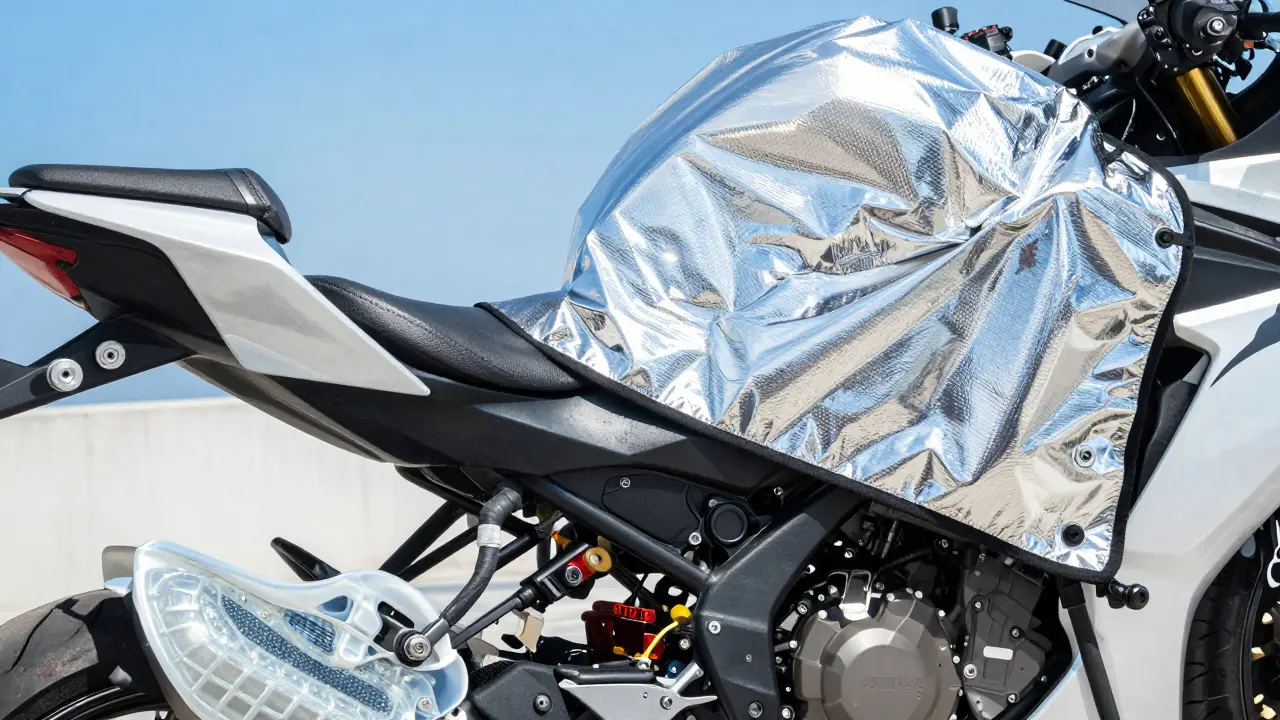
Motorcycle cooling covers are protective layers placed over the existing seat to reflect sunlight, wick away moisture, and provide a cooler surface. There are two main types: reflective covers and gel-infused covers.
- Reflective Covers: Made from materials like Mylar or aluminum-coated fabrics, these bounce sunlight away before it heats up the seat underneath. They work best when parked or in stop-and-go traffic.
- Gel-Infused Covers: These contain pockets of phase-change material or hydrogel. The gel absorbs body heat and dissipates it slowly. They feel cool to the touch and maintain that temperature for hours. However, they add weight and thickness to the seat.
For riders who spend significant time idling-think delivery drivers or city commuters-reflective covers are often more practical. For touring riders who keep moving, gel covers offer better sustained comfort by reducing friction and heat buildup between your body and the bike.
Installation: DIY vs. Professional Fit
One of the biggest concerns people have is installation. Do you need to be an electrician? Not necessarily, but you do need to respect electricity.
Installing a heated seat involves three steps: removing the existing seat, placing the heater pad underneath (or replacing the cushion entirely), and wiring it into the bike’s electrical system. Most kits come with a relay, fuse, and switch. The key is connecting the positive wire to a fused ignition-switched source so the heater doesn’t drain your battery when the bike is off. Always run a ground wire to the chassis frame.
If you’re not comfortable stripping wires or crimping connectors, take it to a local shop. A professional install ensures waterproof connections using heat-shrink tubing and sealant. Poor connections lead to corrosion, especially in rainy climates like the UK. A bad connection can cause voltage drops, making the heater ineffective, or worse, create a fire hazard.
Cooling covers are much simpler. They slip on like a large sock or strap underneath the seat rails. No wiring required. Just ensure the cover fits snugly so it doesn’t shift while riding. Loose covers can interfere with your balance or get caught in mechanisms.
Choosing the Right System for Your Bike
Not all bikes are created equal. Your choice depends on your motorcycle type and riding style.
| Bike Type | Best Solution | Why? | Power Draw Estimate |
|---|---|---|---|
| Cruiser / Touring | Integrated Heated Seat | Long distances, slower speeds, larger batteries | 3-5 Amps |
| Sportbike | Gel Cooling Cover | High heat exposure, aggressive seating position | N/A (Passive) |
| Adventure / Dual-Sport | Universal Heated Pad | Versatility, rough terrain requires durable mounts | 2-4 Amps |
| Commuter / Scooter | Reflective Cover + Small Heater | Stop-and-go traffic, limited battery capacity | 1-2 Amps |
If you ride a sportbike, you likely don’t need a heated seat unless you ride early mornings in winter. But a cooling cover? Absolutely. Sportbikes generate engine heat that radiates upward, and the forward-leaning posture puts pressure on sensitive areas. A gel cover helps distribute that pressure.
For cruisers and touring bikes, heated seats are almost mandatory if you ride year-round. These bikes have ample space for wiring and robust electrical systems capable of handling the load. Brands like Heat Master and K&L Suspension offer OEM-style replacements that look factory-fitted.
Battery Health and Electrical Load
A common myth is that heated seats kill your battery. In reality, a healthy charging system handles them easily. Modern motorcycles produce enough amperage at idle to keep the battery topped up while powering accessories. However, older bikes or those with weak alternators may struggle.
Here’s a rule of thumb: If your headlight dims significantly when you turn on the heater, your charging system is overloaded. In that case, consider upgrading your stator or regulator/rectifier before adding more electronics. Also, always use an inline fuse rated slightly higher than the device’s draw (e.g., a 5-amp fuse for a 3-amp heater). This protects your wiring from short circuits.
Another tip: Don’t leave the heater on max setting constantly. Start low, then increase as needed. Many riders find that medium heat is sufficient for most conditions, saving energy and extending the life of the heating elements.
Maintenance and Longevity Tips
To get years out of your temperature control gear, follow these maintenance habits:
- Inspect Wiring Annually: Check for chafing, especially near seat hinges and fuel tank edges. Friction wears down insulation over time.
- Keep Connections Dry: Use dielectric grease on all exposed terminals. Water intrusion is the number one cause of failure.
- Clean Covers Gently: For gel covers, hand wash with mild soap. Avoid machine washing, which can damage the gel pockets. Reflective covers should be wiped clean to maintain their shine and reflectivity.
- Test Before Seasonal Use: Turn on your heater in spring, even if it’s warm outside. Catching a broken wire early prevents being stranded in winter.
Replace any component that shows signs of wear. A frayed wire isn’t worth the risk. And remember, if your seat foam collapses over time, it can compress the heating element, leading to hot spots. Replacing the foam layer periodically ensures even heat distribution.
Cost vs. Comfort: Is It Worth It?
Let’s talk money. A basic universal heated seat pad costs around £80-£120. Integrated units for specific models range from £200 to £400. Cooling covers vary widely: a simple reflective shade is £15-£30, while premium gel covers run £60-£100.
Compare that to the cost of premature fatigue. When you’re uncomfortable, you rush home. You miss scenery. You arrive stressed. Investing in comfort extends your riding season. Instead of riding only from May to September, you might ride from April to November. That’s five extra months of enjoyment per year. Over ten years, that’s fifty additional months of riding. At £10 per month value, a £150 investment pays for itself quickly.
Plus, there’s a safety angle. Studies show that rider fatigue contributes to accidents. By staying comfortable, you stay alert. Your brain isn’t fighting off shivers or sweat, so it can focus on the road.
Can I install a heated seat myself?
Yes, if you have basic mechanical skills. You’ll need to remove the seat, connect wires to the bike’s electrical system using a relay and fuse, and secure everything properly. If you’re unsure about wiring, consult a professional mechanic to avoid electrical issues.
Do cooling covers really work in hot weather?
Yes, they reduce seat surface temperature by reflecting sunlight or absorbing body heat. Reflective covers are best for parked bikes, while gel covers help during long rides by wicking moisture and providing a cooler feel.
Will a heated seat drain my motorcycle battery?
Not if your bike’s charging system is healthy. Heated seats typically draw 2-4 amps, which is manageable for most modern motorcycles. Ensure you use a fused connection and don’t leave the heater on when the engine is off.
Are heated seats safe to use in rain?
Yes, provided the wiring is properly sealed. Look for IP-rated connectors and use dielectric grease on terminals. Most quality heated seats are designed to withstand wet conditions, but poor installation can lead to water damage.
How long do motorcycle heated seats last?
With proper care, a good quality heated seat can last 5-10 years. Regular inspection of wires and connections, along with keeping the unit dry, extends its lifespan. Replace immediately if you notice uneven heating or visible damage.